





Tag Archives: Seafood

‘Fish on Fridays’: Sustainable Fish Choices for Lent

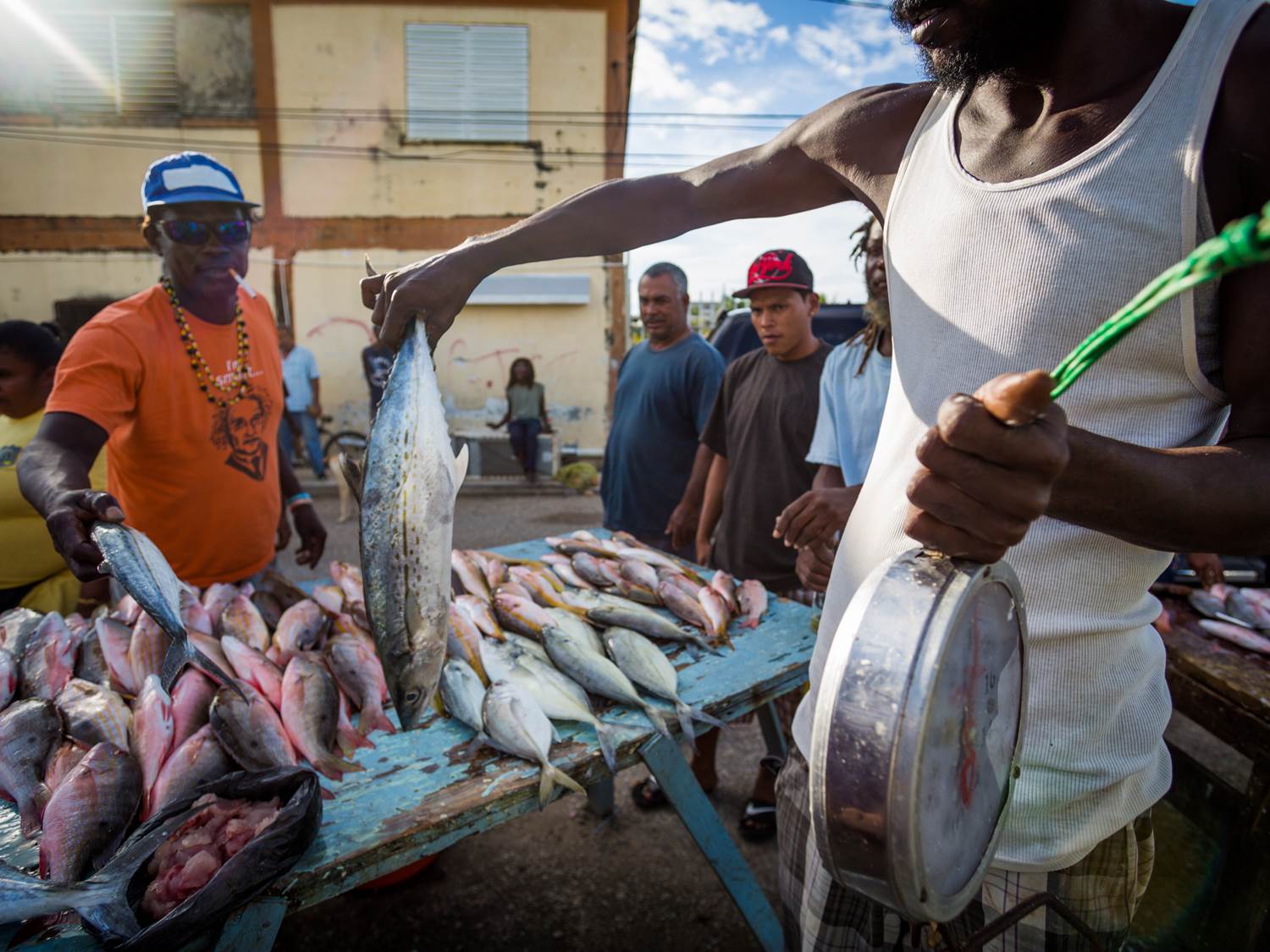
Pike Place Seafood Market

Pike Place Seafood Market
Photo Credit: Joey Brookhart/Marine Photobank

During this season of Lent, millions of people are replacing meat with fish on Fridays.  And as they shop for seafood more frequently, many are also striving to avoid eating fish caught in a manner that further depletes the world’s fish stocks. With 87 percent of the world’s fisheries already fully or overexploited, buying sustainably caught seafood has become increasingly important to consumers.

Today, the best way to ensure you are buying sustainable seafood — and supporting American fishermen and fishing communities — is to buy from a US fishery managed under a system known as a “catch share.” Catch shares reduce overfishing by enforcing annual catch limits and increased monitoring, while granting fishermen a guaranteed share of the catch and greater flexibility in how they run their businesses.

They also provide consumers with more fresh, high-quality seafood. When all the fish have to be caught within the space of three days, as previous management required, it causes a glut on the market and most of those fish must be frozen. Longer fishing seasons mean fresh fish can be caught and sold year-round for consumers to enjoy.

So as you shop for your fish each Friday this Lent season, consider picking up some naturally sweet and lean Alaskan halibut, known for its firm, flaky texture. Or how about some sablefish, also known as “black cod” or “butterfish,” which is rich in omega 3 fats? It can be smoked, grilled or pan roasted. The popular Gulf red snapper is delicious when roasted with fresh herbs and vegetables, or perhaps your family would enjoy some mid-Atlantic golden tilefish, oven roasted with a bit of olive oil and sea salt? Next week give Virginia striped bass (rockfish) a try, rubbed with Cajun seasoning and blackened.

Want more ideas? Every Friday during Lent, we will be posting about sustainable seafood choices from catch share fisheries. Each week we will highlight a species, a fisherman and/or fishing community working hard to ensure a fresh and sustainable product, and a recipe to inspire you. We want to bring you closer to the fish you eat, and ultimately to the marine ecosystem that depends upon responsible consumer choices for its continued survival.


Posted in Catch Shares | Also tagged , , , , | Comments closed

McDonald’s to Use Eco-Labeled Fish: We’re Lovin' It

McDonald's Filet O Fish Made from Alaskan Pollock

A McDonald's Filet o Fish sandwich, made from Alaskan Pollock. Photo from McDonald's

Recently, McDonald’s USA announced that it would become the first national restaurant chain to serve fish sporting an eco-label from the Marine Stewardship Council at all of its locations across the country. The new label will make its debut in conjunction with the launch of the restaurant’s new Fish McBites next month, although it’s already selling MSC-certified wild-caught Alaska pollock in its fish filet sandwiches and has been using certified fish in the US since 2005.

According to the Chicago Tribune, McDonald’s audits its fish supply to ensure both sustainability and traceability – the ability to trace the fish all the way through the supply chain from the restaurant back to the fishery. As one of the largest buyers of fish in the United States, McDonald’s decision to promote sustainable fish in its marketing and sales will help raise the visibility of this issue and the ability of consumers to choose sustainably caught fish over those that continue to be overfished.

The Alaskan pollock fishery has one of the strongest catch share management programs in the country, which has resulted in a halt to overfishing. The management program also provides for 100% monitoring, which leads to excellent data collection, allowing fishery managers to track compliance with quotas, record bycatch, assess habitat and ecosystem impacts, and generally improve the conservation and management of marine resources in Alaska. Read More »

Posted in Catch Shares, Seafood | Also tagged , , , , | Comments closed

Greenwire E&E: Loan program that supports Calif. fishing industry wins sustainability award

Reprinted from Greenwire with permission from Environment & Energy Publishing, LLC. www.eenews.net. 202-628-6500

Laura Petersen, E&E reporter

Published: Wednesday, January 23, 2013

A loan program dedicated to helping West Coast fisheries become more sustainable earned California's top environmental honor.

The California Fisheries Fund received the Governor's Environmental and Economic Leadership Award, which recognizes individuals, organizations and businesses for finding innovative ways to protect natural resources while also strengthening the economy.

"It fits perfectly into the kind of themes the governor has chosen to promote," said Jim Marxen, a spokesman for the California Environmental Protection Agency, which handed out 17 awards last night. "Good environmental practices and a healthy economy must live together, and really this project is an epitome of that."

The $4 million fund, which began in 2008 with support from the state and foundations, provides loans to fishermen, processors and distributors to finance upgrades that result in more sustainable practices.For example, fisherman Steve Fitz recently received a loan to purchase his uncle's boat and continue the family tradition of using Scottish seine fishing gear, which herds ground fish into light nets that are far gentler on the surrounding habitat and reduces bycatch of other marine life.

"Money isn't that readily available to borrow in our industry," said Fitz, who works in Half Moon Bay. "Having access to the fisheries fund … allowed it to become a reality. Here I am, a new vessel owner."

The fund, which is administered by the Environmental Defense Fund, has distributed $1.7 million to 11 recipients to date. Read More »

Posted in EDF Oceans General, Pacific | Also tagged , , , , | Comments closed

Turning “Full Accountability” Into Dollars and Cents: New Label Recognizes Value of 100% Monitored Catch on West Coast

The conservation and economic benefits of the Pacific groundfish catch share program are steadily coming into focus. In the first year of the program, those benefits included higher revenues and dramatic reductions in the number of discarded fish (See NOAA’s first year report here). With catch shares, fishermen are taking advantage of a year-round, flexible fishing season, the ability to “fish to the market,” and new incentives to use the most selective fishing methods possible.

These economic and conservation gains would not be possible without a strict requirement of the new catch share program: 100% monitoring. An impartial federal observer now observes fishing operations on board West Coast groundfish boats and accounts for every fish caught. As Brad Pettinger, director of the Oregon Trawl Commission, put it:

The fishery observers that trawlers are now required to have onboard take up scarce space and mean another mouth to feed, but they provide the assurance of 100% catch accountability – no fishery in the world has a higher standard – along with the reliable scientific data that fishery managers will need in order to adjust allowable catches in the future. Read More »

Posted in Catch Shares, Pacific | Also tagged , , | Comments closed

New Ocean Health Index Puts Focus on Fisheries

To manage anything well, you've got to measure it.  And you've got to make sure you are measuring the right things.  The new Ocean Health Index puts us on a path toward both of these goals.

The fact that the ocean scores only 60 out of 100 on the Ocean Health Index is good to know – it means that we humans are not doing a very good job in ensuring that the ocean provides the many benefits that it is capable of providing.  It's a little like finding out that your car is only producing 60% of its maximum power output, or that your garden is producing only 60% of the tomatoes that it could be producing.  You know that something is not right.

When you break the overall score down, it's clear that we are doing a particularly bad job getting food out of the ocean (score = 24 out of 100).  Although overall seafood production is up, most of it now comes from farms that feed fish that we don't eat a lot of (so – called forage fish like sardines and anchovies) to fish that we like to eat (like salmon and shrimp).  The problem is that the process of farming converts large amounts of forage fish into much smaller amounts of salmon and shrimp.  And the less forage fish we leave in the ocean, the less food there is for dolphins, albatrosses, sharks and the other wildlife that grace the ocean and enrich our existence.

The other way that we are getting it wrong on seafood production is that a lot of fisheries are not producing nearly as much as they could be, ironically because we've taken too much, too fast.  Fisheries are renewable resources, but in order to produce good yields over many years, it's critically important to leave enough fish in the water to produce the next generation.  Of the 30% of the world’s fisheries that have been assessed, it’s clear that we have been taking too much- resulting in high yields initially but low yields subsequently. Read More »

Posted in Catch Shares, EDF Oceans General | Also tagged , | Comments closed

EDF and Stony Brook University Publish Most Comprehensive Database of Mercury Levels in U.S. Seafood to Date

Environmental Health Perspectives just published a new study I co-authored that provides the most current estimates of mercury levels in U.S. seafood. This new database is based on hundreds of government monitoring programs and peer-reviewed scientific studies, and is now publicly available to public health professionals to incorporate into seafood consumption advice.

The study is titled ‘A Quantitative Synthesis of Mercury in Commercial Seafood and Implications for Exposure in the U.S.’ and was co-authored by colleagues from Stony Brook University.

Overall, almost half of the seafood items we surveyed had higher mercury levels than those reported by the Food and Drug Administration’s Monitoring Program. Some notable examples include marlin, cobia (wild), bluefin, bigeye and blackfin tuna, orange roughy and Chilean seabass. These species have mercury levels similar to those seafood items already listed in the federal methylmercury advisory. Read More »

Posted in Seafood | Tagged | Comments closed

Seattle Times Cites Benefits of West Coast Catch Share Program

Winona J Docked in Newport, Oregon

"This is a really big deal," said Will Stelle in a Sunday Seattle Times story which highlights the benefits of the groundfish catch share program on the West Coast. "It is restructuring the architecture of the fishery, building in very real and powerful incentives to do the right thing," said the Northwest regional administrator for the National Marine Fisheries Service. The article cites several benefits that West Coast fishermen are seeing, including dramatic reduction of regulatory discards, fishing gear innovations and improved revenues. To read the full article, click here.

Posted in Catch Shares, EDF Oceans General, Pacific, Seafood | Also tagged , , , , , , | Comments closed

EDF Recognizes World Oceans Day

Rahel Marsie-Hazen, Howard University Fellow

Today, June 8, 2012 marks the fourth World Oceans Day.  The United Nations established this special day both to celebrate and pay tribute to the mighty body of water that covers 71% of the Earth’s surface and contains 97% of the planet’s water. The world’s oceans generate most of the oxygen we breathe, regulate our climate, clean the water we drink and house potential medicines for illnesses.

Let’s not forget that our oceans also provide us with seafood, which plays an integral role in the food security of billions of people worldwide. Small and large communities in many regions of the world depend on fish as a primary source of protein. For many, it provides an invaluable supplement for diversified and healthy diets. Our oceans also support the fishing industry, which provides an important means of income for millions of people and their families.

Our oceans do a great deal for us and on this day we must recognize that they are in serious trouble. According to the 2010 State of World Fisheries and Aquaculture report, more than 80% of global fisheries are fully or over exploited. But the tide is turning in American fisheries. Fisheries management reform and best practices are nursing these fisheries back to health—rebounding fish stocks, returning job stability and providing consumers with fresh and sustainably caught seafood. And this is definitely excellent news to celebrate. Happy World Oceans Day.

Posted in EDF Oceans General, Marine Protection, Seafood | Also tagged , , | Comments closed