You may not have it on your calendar – but today is World Fisheries Day – a moment to celebrate the incredible bounty that we receive from the sea. It’s also an opportunity to take stock and reflect on where we’ve been, and where we’re headed. As we look back over the past year, the EDF Oceans team has been struck by how much the global oceans community has accomplished. And we’re increasingly optimistic and energized about the future health and resilience of our oceans. Here are five reasons for hope on World Fisheries Day. Read More
EDFish
Five reasons for hope on World Fisheries Day 2018
Also posted in Global Fisheries, International Tagged Climate change, Domestic, fisheries finance, fisheries principles, Indonesia, plastic, West Coast Groundfish Comments are closed
West Coast fishermen are having their fish and protecting habitat too
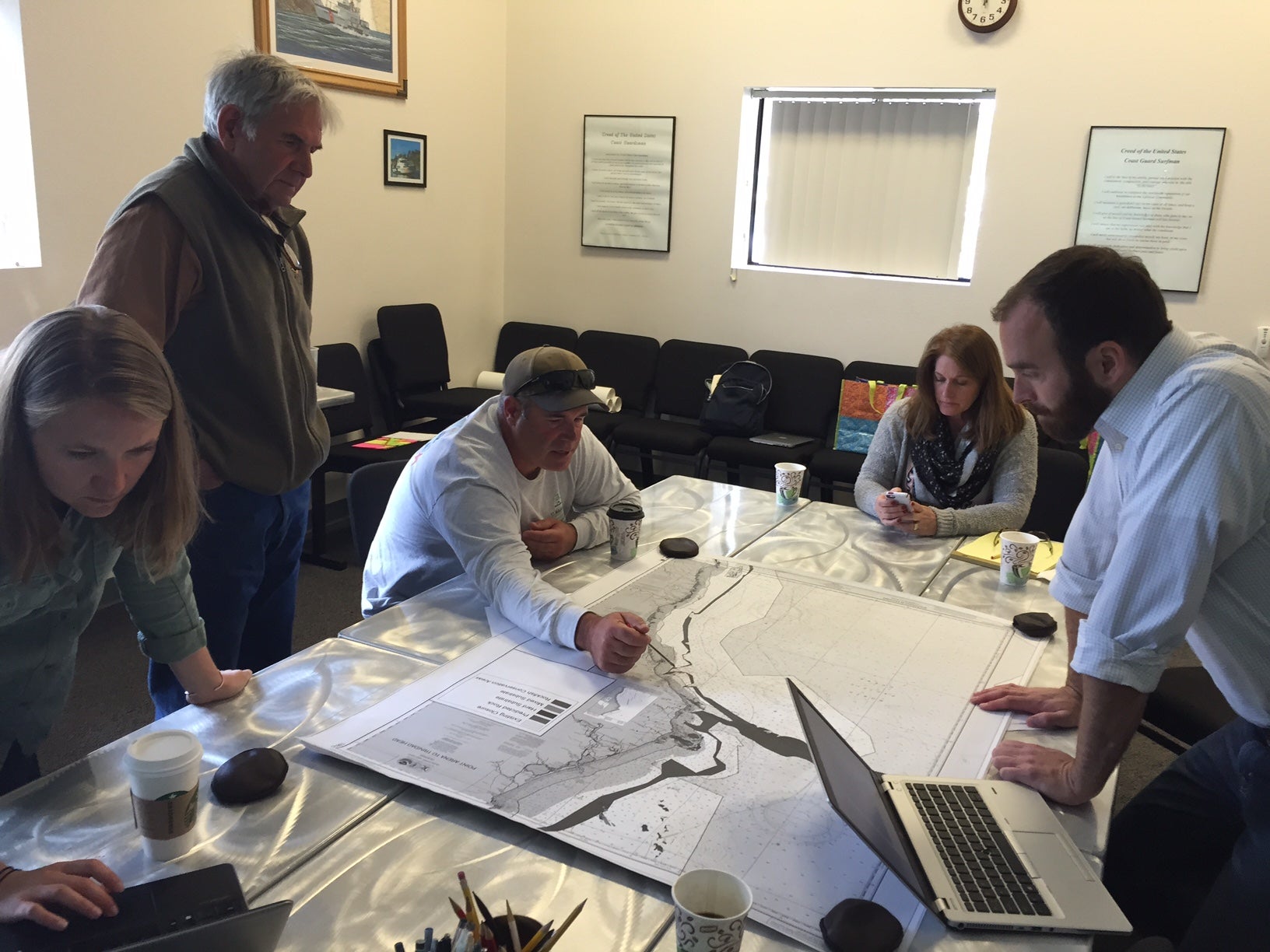
Decisions about protected areas can be contentious. It isn’t often that fishermen and environmentalists find ourselves celebrating new protected areas together, but on the West Coast we’re doing just that.
This week, I had the pleasure of being present as the Pacific Fishery Management Council voted to support a collaborative effort to reopen thousands of square miles of previously-closed West Coast fishing grounds, much of it in the Rockfish Conservation Area (RCA) while at the same time protecting 140,000 square-miles of highly valuable fish habitat. That’s bigger than the state of New Mexico! Read More
Also posted in Policy, Science/Research, Seafood Tagged Catch Shares, Domestic, Fisheries Management, Fishermen, Groundfish Comments are closed
Two more rockfish species declared “rebuilt”
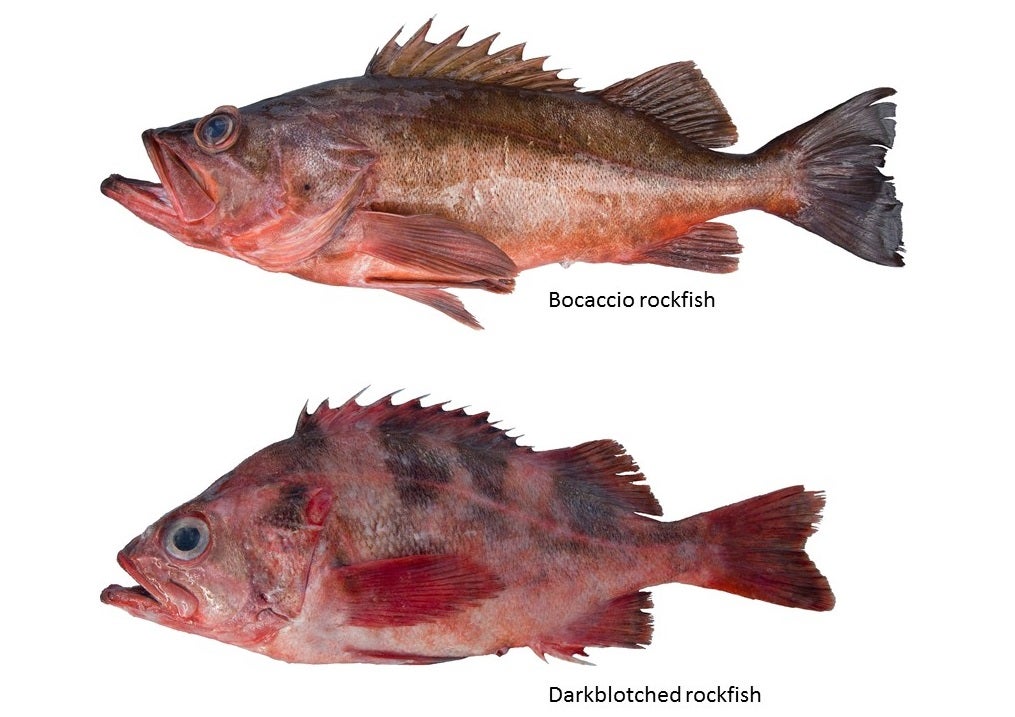
Photos: Vicky Okimura
Rapid comebacks mean greater fishing opportunities, more sustainable seafood for U.S. markets
EDF’s Pacific team is pleased to share the news that stocks of both Bocaccio and Darkblotched rockfish have been declared rebuilt on the West Coast, well ahead of schedule. Commercial fishermen – who have worked for years to avoid catching the species – will soon be much freer to harvest them and to supply consumers with these beautiful, delicious, sustainable rockfish.
Previously declared overfished, Bocaccio and Darkblotched are among several species that have been under strict rebuilding plans in recent years. As such, they’ve been among the “constraining species” that fishermen have intentionally avoided catching since 2011, when the trawl fishery’s quota-based catch share management system was implemented. (Fishermen sought to avoid them prior to 2011 also, but under less effective management systems.) Read More
New fisherman coming to Morro Bay
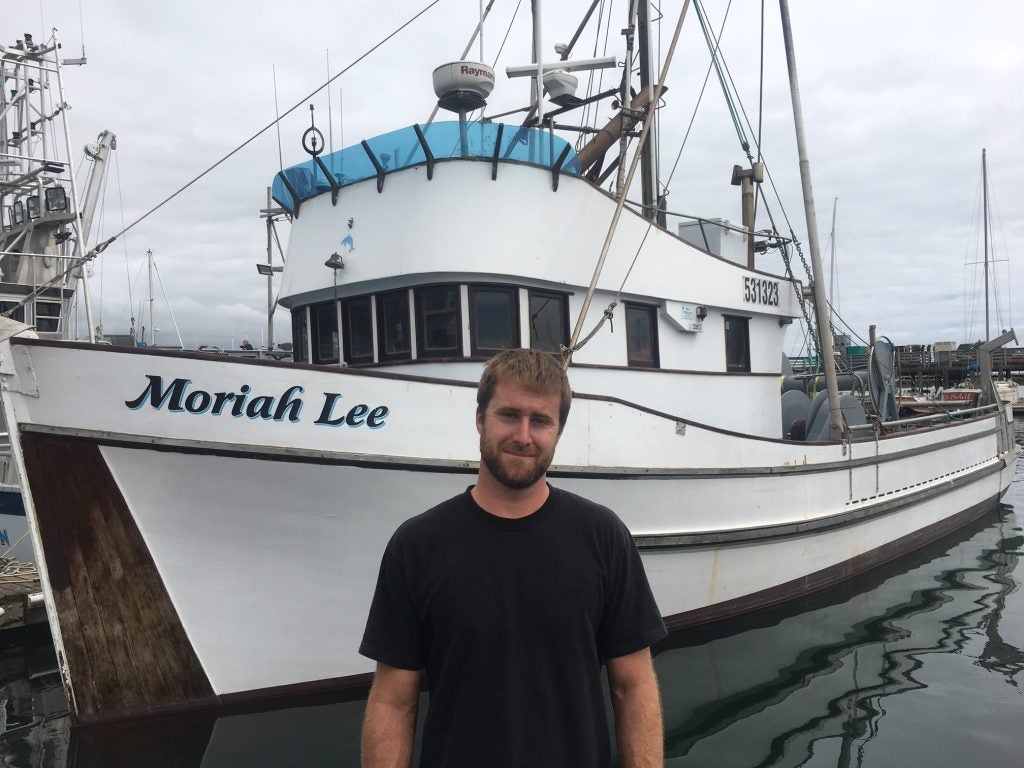 Kyle Pemberton is a 29-year old fisherman from El Granada, California. He grew up fishing and crabbing with his father and uncle out of Half Moon Bay, at the southern edge of the San Francisco Bay Area, where he currently resides. He always showed strong math and mechanical skills, and considered studying engineering, but fishing proved too strong a pull. He crewed for several years, working his way up to alternate captain on Steve Fitz’s boat, the F/V Mr. Morgan, using the unique and light-touch Scottish seine gear.
With a California Fisheries Fund loan, Kyle purchased the successful trawler F/V Moriah Lee, and is soon pulling up roots to move a four-hour drive down the coast to Morro Bay to trawl for West Coast groundfish, including Dover sole, Chilipepper rockfish, Petrale sole, and thornyheads. He is leasing quota from the Morro Bay Community Quota Fund, a nonprofit created to prevent historic trawl fishing activity from consolidating into larger fishing vessels and ports, securing rights to the groundfish resource locally. Anchoring groundfish access in small scale fishing ports such as Morro Bay is critical to the economic viability of these communities.
“I am excited for the opportunity to work with the Morro Bay Community Quota Fund and become part of the groundfish fleet,” he told CFF. “I am very thrilled to establish my new home and become part of the Morro Bay community.”
Posted in Pacific Tagged California Fisheries Fund, Domestic, Groundfish, Morro Bay Comments are closed
Fishing gear innovations creating great results for fish, fishermen and habitat
Trawl gear modifications produce reductions in bycatch, fuel use and seafloor contact – all with increased catching efficiency.
Over the past couple of years EDF’s Pacific team has been privileged to work with fishermen, scientists, fishing net manufacturers and many others on a three-stage project to demonstrate the feasibility of improved trawl net designs on the West Coast. The video shown here describes the amazing progress we’ve made together and indicates a path-forward for disseminating our results to fishermen everywhere.
Also posted in Science/Research Tagged collaboration, Domestic, fishermen innovation, fishing gear, innovation Comments are closed
New wave of Electronic Monitoring projects in U.S. fisheries highlighted at national workshop
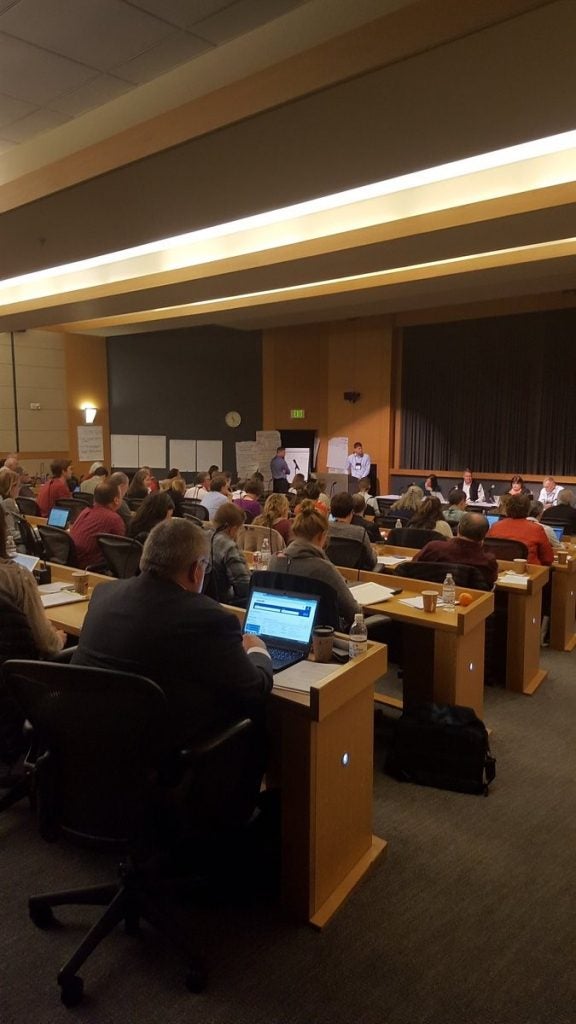 The second national electronic monitoring workshop was held in Seattle, Washington late last year. Hosted by NOAA Fisheries, the goal was to bring together fisheries monitoring and management experts to share what’s working in EM implementation projects, what’s not, and to develop solutions and paths forward.
The workshop was also a celebration of significant progress taking place. Since the first national workshop held in January 2014, there has been a large scale EM regulatory program implemented in the Atlantic HMS fishery and regulations authorizing EM programs developed through Regional exempted fishing permit and cooperative research projects are scheduled for implementation in 2017 and 2018 in several different fisheries around the country.
These new programs all provide examples of one or more ‘best practices’ for EM, such as user-centered design approaches, clear goals established at the outset, and consistent collaboration among stakeholders. Read More