









FAO adopts sustainable small-scale fisheries guidelines
Posted: in Global Fisheries
Written By

Share
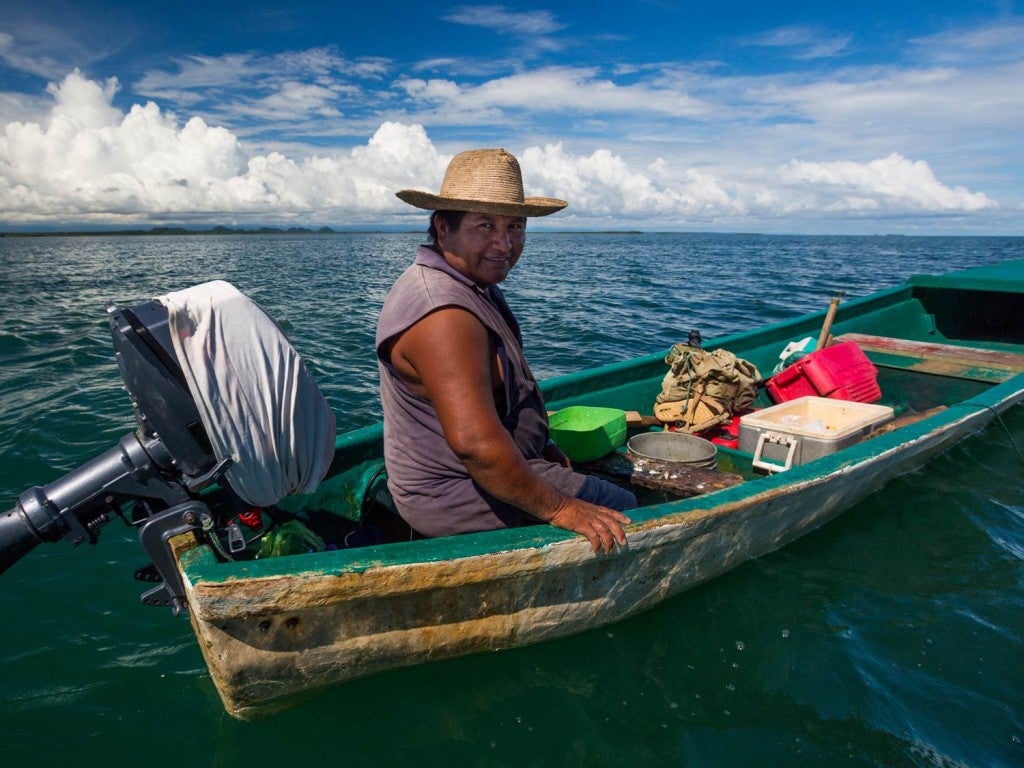
Small-scale fisheries provide a host of social and economic benefits to local communities. They contribute about half of the global catch; supplying food for local, national and global markets. They are responsible for about ninety percent of fishing employment. They provide income, contribute to food security and nutrition, alleviate poverty, and often support a way of life strongly anchored in local culture and community.
But small-scale and artisanal fisheries face many challenges today including depleted fish stocks; pollution; encroachment from development; climate change, and sea level rise. Many small-scale fishing communities are marginalized, with low levels of access to political power, education and other resources.
To combat these challenges, the Food and Agriculture Organization (FAO) collaborated with governments, Civil Society Organizations and other stakeholders to develop a set of ‘Voluntary Guidelines for Securing Sustainable Small-scale Fisheries in the Context of Food Security and Poverty Eradication’ (SSF). Today at the biennial meeting of the FAO’s Committee on Fisheries in Rome, delegates adopted the SSF Guidelines by consensus.
The SSF Guidelines offer guidance on how to deliver on the promise of sustainable small-scale fisheries in a way that is ecosystem-friendly, participatory and sensitive to cultural context. The Guidelines give strong new impetus to the importance of inclusiveness in setting goals and designing management systems that can work for communities, with an emphasis on the key role that women play in sustainable fishing communities.
In brief, the Guidelines stress that:
- Small-scale fishing communities need to have secure tenure rights, which equitably distribute benefits from responsibly managed fisheries.
- These tenure rights are balanced by responsibilities for long term conservation and management of fishery resources, and small-scale actors must fish at levels and with practices that protect the resource over the long term.
- States must include small-scale fishing communities in the design, planning and implementation of management systems to sustain fisheries and communities – and in particular must ensure that women are equitably included in all aspects of the process.
- The post-harvest and trade sectors are just as critical to the security of SSF communities as fishing itself, and stakeholders from these sectors (particularly women, who are often more active in post-harvest than harvest roles) must be included in the design, planning and implementation of these parts of the value chain.
- Special attention to social and economic development may be needed to ensure that often-marginalized SSF communities can have secure livelihoods and enjoy their human rights.
- Governments need to put in place policies and plans to take into consideration the potential for significant risks to SSF communities from disasters and climate change.
- All parties need to respect and make use of traditional knowledge, in addition to collecting and disseminating scientific research, in support of SSF; communicating the data in an efficient and transparent way is an essential component of sustainable management.
- Small-scale fisheries also operate in near-shore environments of great ecological value, and thus high-quality fisheries management systems in those places also yield tangible environmental benefits.
The FAO developed the SSF Guidelines through a very broad and inclusive process of outreach and listening; the result was a document that truly reflects the concerns and aspirations of the people and communities who depend on these fisheries. EDF commends all involved for adoption of these important guidelines and looks forward to assisting in implementation.
Click here to view the full guidelines.