









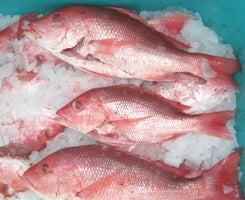
Last week the Gulf of Mexico Fishery Management Council’s Science and Statistical Committee updated its regional red snapper stock assessment and found signs that the population, though not recovered, is finally beginning to make a comeback. There is work ahead and many unknowns remain, but this looks like great news for fishermen, local communities and the environment.
At its February meeting, the Council will likely increase the quantity of fish that fishermen are allowed to catch. Commercial fishermen working under a successful red snapper management plan called an Individual Fishing Quota (IFQ) will have a good chance to be rewarded with more fish next year (and beyond). This sector poses little risk because fishermen are living within their catch limits, they have reduced the number of fish that must be thrown overboard dying to comply with closed season and size limit regulations, and they follow strict monitoring and accountability rules. At the same time, IFQ management has helped fishermen improve and stabilize dockside prices, reduce the costs to harvest fish, and provide higher quality fish to consumers.
On the other hand, it is less certain how the recreational fishery will fare. This is because the sector’s management plan is not working and fails to help anglers abide by their scientifically-safe catch limit. Any potential change in the amount of fish a sector is allowed to bring to shore must account for such past and anticipated overharvests.
Red snapper are favorite targets for anglers who venture to offshore waters, and they are important to coastal recreational businesses. That’s why improving recreational management is one of the most important challenges facing this fishery. New systems should be designed and tested – like IFQ plans for charter and party boats and harvest tags for anglers – to better manage sport fisheries, provide more access to fishing, and reduce overharvests and wasteful discarding.
In the Gulf’s red snapper fishery, commercial and sport fishermen split the catch by 51 percent and 49 percent, respectively. Thus, to recover the snapper population, each sector must have effective management and be held accountable for its share of the catch. Everyone stands to benefit – tourists, sea food lovers, recreational enthusiasts, local businesses, and the Gulf’s marine ecosystem.
Let’s keep the good news coming!
One Comment
I am concerned that the Gulf coast fishermen are not aware of the threats to their fisheries. A series of coal plants have been proposed along the Texas coast that will divert fresh water away from the bays and estuaries thus affecting the delicate salinity required for these fish hatching grounds. EDF is leading the charge against these coal plant projects but so far I havent seen anyone mention the potential impact on near shore fishery recruitment areas.