Climate change solutions
We deliver game-changing environmental solutions that have a real impact for people around the globe.

Building resilient land and water systems that allow people and nature to prosper in a changing climate.
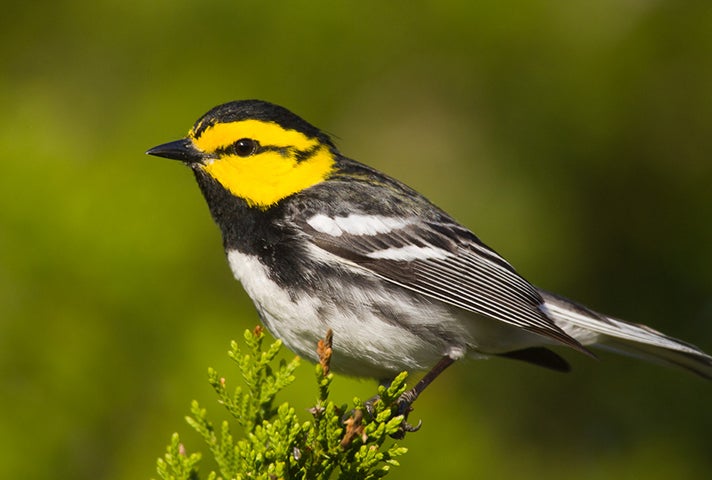
Earlier this month, I helped organize the 2016 Golden-cheeked Warbler and Black-capped Vireo Symposium in Austin, Texas. The Symposium was attended by nearly 200 scientists, consultants, academics, regulators and interested citizens from as far away as Wisconsin and southern Mexico – all convening to review and discuss the science of the two species of interest.
Despite a recent petition to the contrary, the science on the golden-cheeked warbler is clear: habitat for the bird continues to disappear and the species warrants its endangered status.
We need more conservation, not less
A petition filed by Texans for Positive Economic Policy claims that there is ample population and habitat for the warbler, and that its status is inhibiting development and thereby the economy. There are two reasons why this claim is unfounded. (more…)
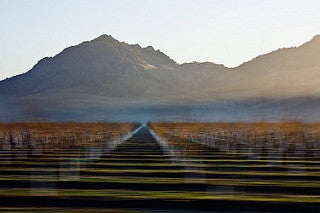
On a clear day I can see the Sutter Buttes, the smallest mountain range in the world, from my office in Sacramento. It’s a landscape that inspires me.
Although the Sacramento Valley is not without its problems, when I look out my office window, explore the local outdoors with my kids, or catch the woodsy whiff of a pencil made from California incense cedar (yes, I collect those), what I sense in those sights, sounds and smells is balance.
Striking the right balance in our working landscapes
The Sacramento Valley is a real working landscape. I use that term a lot: “working landscape.” By that I mean a place where natural resources are used to provide economic benefit – “working” to support jobs, industries and economies, both local and of scale – in a way that strikes a balance between maximizing profits and sustaining the natural resources, or the “landscape.”
Striking that balance between economic output and environmental protection has been a pillar of my work at EDF. I’ve long believed that if we can find and replicate this delicate mix everywhere, we’d be in much better shape. (more…)

In 2006 California passed AB 32, legislation requiring the state’s Air Resources Board to develop market mechanisms to reduce the state’s greenhouse gas emissions to 1990 levels by 2020. It was a watershed moment, and I was lucky enough to be at the event where Governor Schwarzenegger signed the bill.
Even back then I saw the potential for environmental markets to improve climate stability by engaging, rather than penalizing, business. That’s why I’ve spent the past 10 years – seven with electric and information technology companies and the most recent three at Environmental Defense Fund – working to make agricultural GHG reduction programs a reality.
But my passion for conservation started long before passage of AB 32. Growing up in the San Francisco Bay Area, I spent nearly all my free time outdoors, largely through Boy Scouts where I became an Eagle Scout. The moment I earned merit badges for water and soil conservation, I knew I wanted to focus my career on solving environmental challenges and protecting the world’s great places. I’ve been extremely fortunate to spend Thanksgiving atop Mount Kilimanjaro, Christmas on the Great Barrier Reef, and New Year’s Eve soaking in the natural beauty of New Zealand.
I believe carbon markets are the best tool we have for limiting emissions from agriculture, maintaining yields, and ensuring a food secure future.
That’s why I’m working to build a $2 billion market for agricultural greenhouse gas reductions by the end of 2020. I believe carbon markets are the best tool we have for limiting emissions from agriculture, maintaining yields, and ensuring a food secure future. (more…)
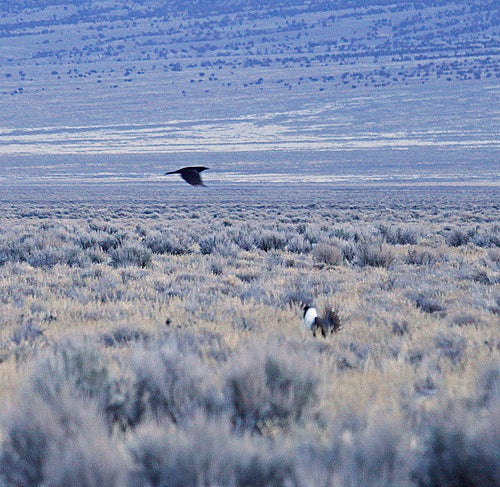
A few months have passed since the greater sage-grouse was deemed “not warranted” for listing under the Endangered Species Act. But that doesn’t mean that I’ve forgotten about the bird. Nor have the countless agency staff at the Department of Interior, Fish and Wildlife Service, Bureau of Land Management (BLM) and Forest Service (FS) who continue to work to ensure that the bird stays off of the Endangered Species List.
The listing decision signaled that the state, federal and other conservation plans for the greater sage-grouse should be enough to ensure healthy populations, and now we must continue the hard work on implementing these plans.
BLM and FS have already committed to developing Regional Mitigation Strategies for the greater sage-grouse within one year of the September 2015 listing decision – a strategy that I hope will bring consistency, transparency and high standards to mitigation on public lands. (more…)
 Rebecca Haynes is a High Meadows Fellow with EDF’s Agriculture Greenhouse Gas Markets program.
Next week, hundreds of ranchers, landowners, land trusts, and environmental groups will gather in Stockton, California, for the California Rangeland Conservation Coalition’s annual summit. The event isn’t new, but the enthusiasm from attendees is unprecedented and palpable.
Why such a bustle in the grasses? Because of two recent landmark developments that reward ranchers for avoiding the conversion of grasslands to croplands:
These two developments are part of a rapidly growing trend that offers landowners payments for conservation measures. Protecting grasslands means big wins for the planet and for ranchers, who have been committed partners in conservation and now have the opportunity to receive additional incentives to protect their landscapes. Here’s how it all works. (more…)
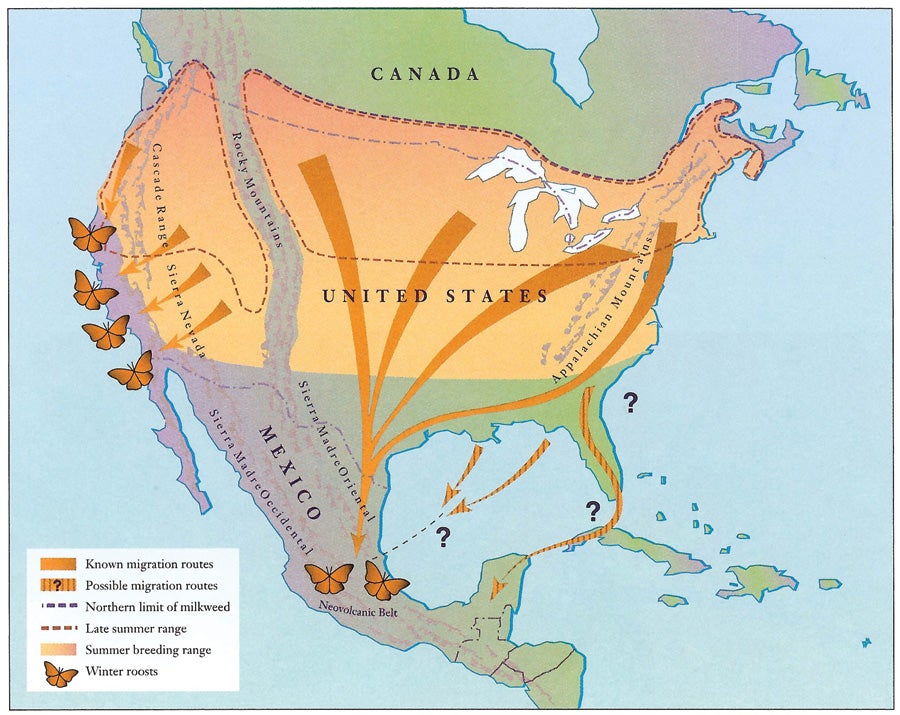
As a kid growing up in northern California, I found myself migrating to the beaches and boardwalk of Santa Cruz (along with tens of thousands of other land-locked youth) to escape the sweltering inland heat each summer.
Now, as an adult more than a decade into my conservation career, I’ve come to learn that the monarch butterfly, one of America’s most well-known and beloved insects, is drawn to the same place, only during winter.
The western population of monarch butterflies spends their winters along the California coast, seeking the temperate climate and coastal forests the area offers. This overwintering habitat extends as far North as the San Francisco Bay Area and as far South as San Diego along the U.S.-Mexico border. But the highest concentrations occur in a handful of sites in and around Santa Cruz.
A few weeks ago, I paid a visit to my old summer stomping grounds to see this iconic North American butterfly.
First stop: Natural Bridges State Park (more…)
Forty million acres of U.S. land are dedicated to growing corn for animal feed. That’s roughly the land equivalent of the state of Florida. As the global demand for meat swells, so does the demand for feed grains.
Growing this corn requires a lot of fertilizer, yet up to 50 percent of fertilizer applied is lost, leading to air and water pollution as well as high costs for farmers.
MBGro, an innovative sustainability program developed by Smithfield Foods’ Hog Production Division, is helping solve this problem. MBGro offers free agronomic consultation to farmers, with a goal of keeping more nitrogen in fields and out of waterways, while maximizing profits along the way.
As a story in today’s Farm Journal noted, “Smithfield … hopes 75% of its grain sourcing acreage in the Southeast and Midwest will participate in [MBGro] by 2018.”
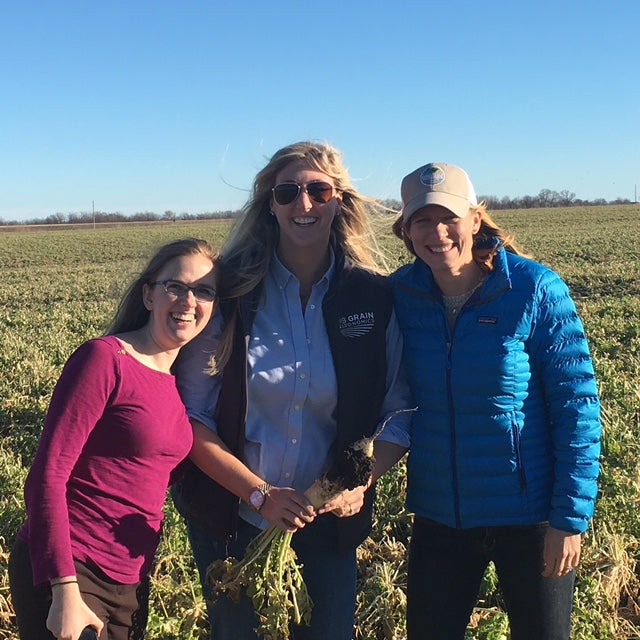
At the heart of MBGro is 25-year old agronomist Rachel Carr. I asked Rachel to tell me about her passion for sustainable agriculture, why she believes MBGro is a model for other protein companies, and about how cover crops played a role in her recent engagement. (more…)
 A common misperception is that citrus season is in the summer, but peak citrus season is actually happening right now.
California grew over 90 percent of U.S. lemons last season, but the severe drought in 2015 caused a 9 percent dip in domestic lemon production compared to the previous growing season. This meant higher costs for farmers, consumers – and the planet.
In honor of peak citrus season, I asked Bakersfield citrus grower John S. Gless how he’s getting more crop per drop of fertilizer and water through “fertigation,” why efficiency and sustainability practices are good investments, and why land stewardship is a core part of farming. (more…)
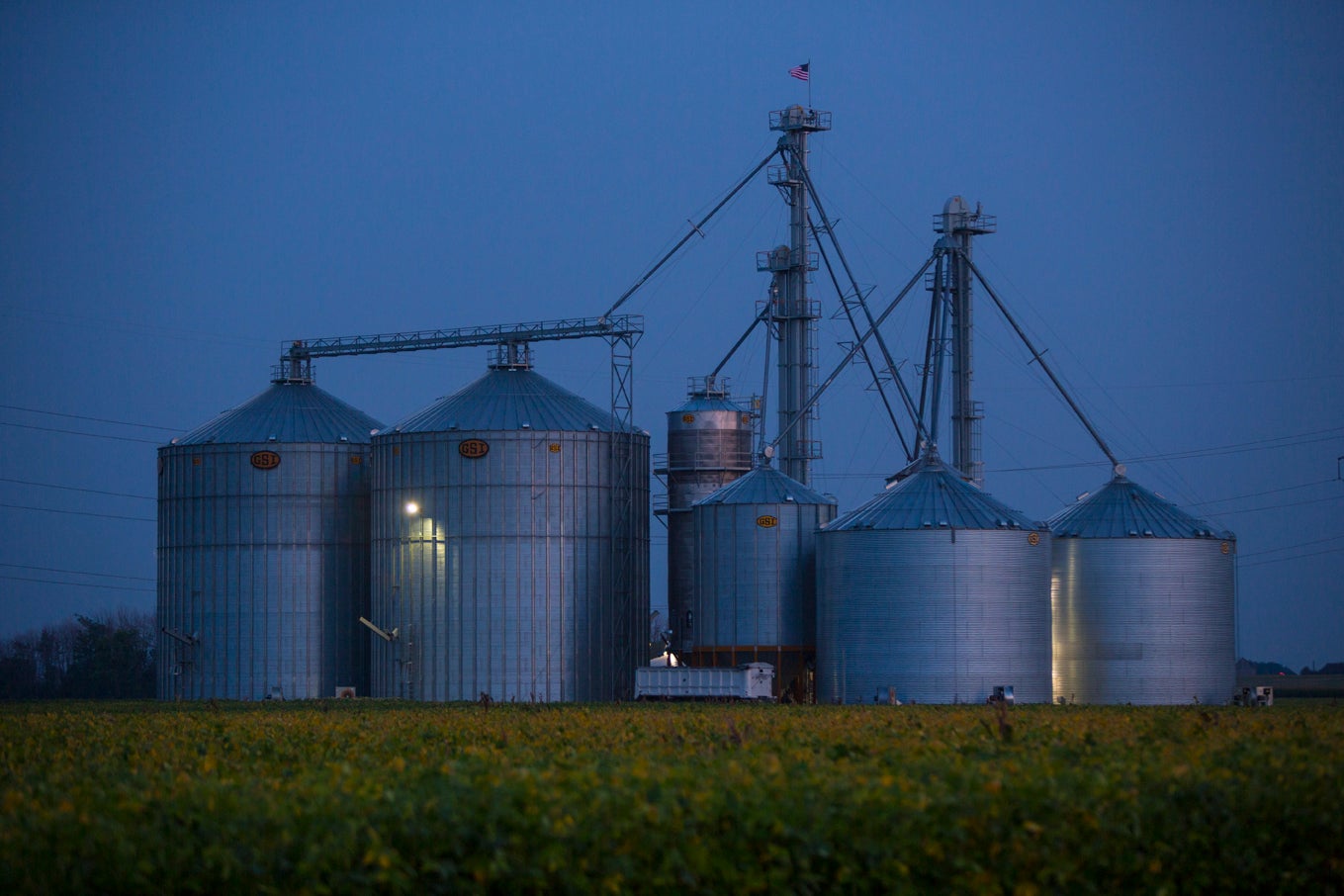 In 2015, U.S. agriculture proved to be a willing and powerful partner in the path to sustainability. We’ve seen farmers, ranchers and food companies make major headway in reducing greenhouse gas emissions, improving soil health, restoring habitat for at-risk wildlife and protecting freshwater supplies.
Here are some of this year’s highlights:
So what lies ahead for 2016? We asked our experts to share their thoughts and wishes for the New Year. (more…)
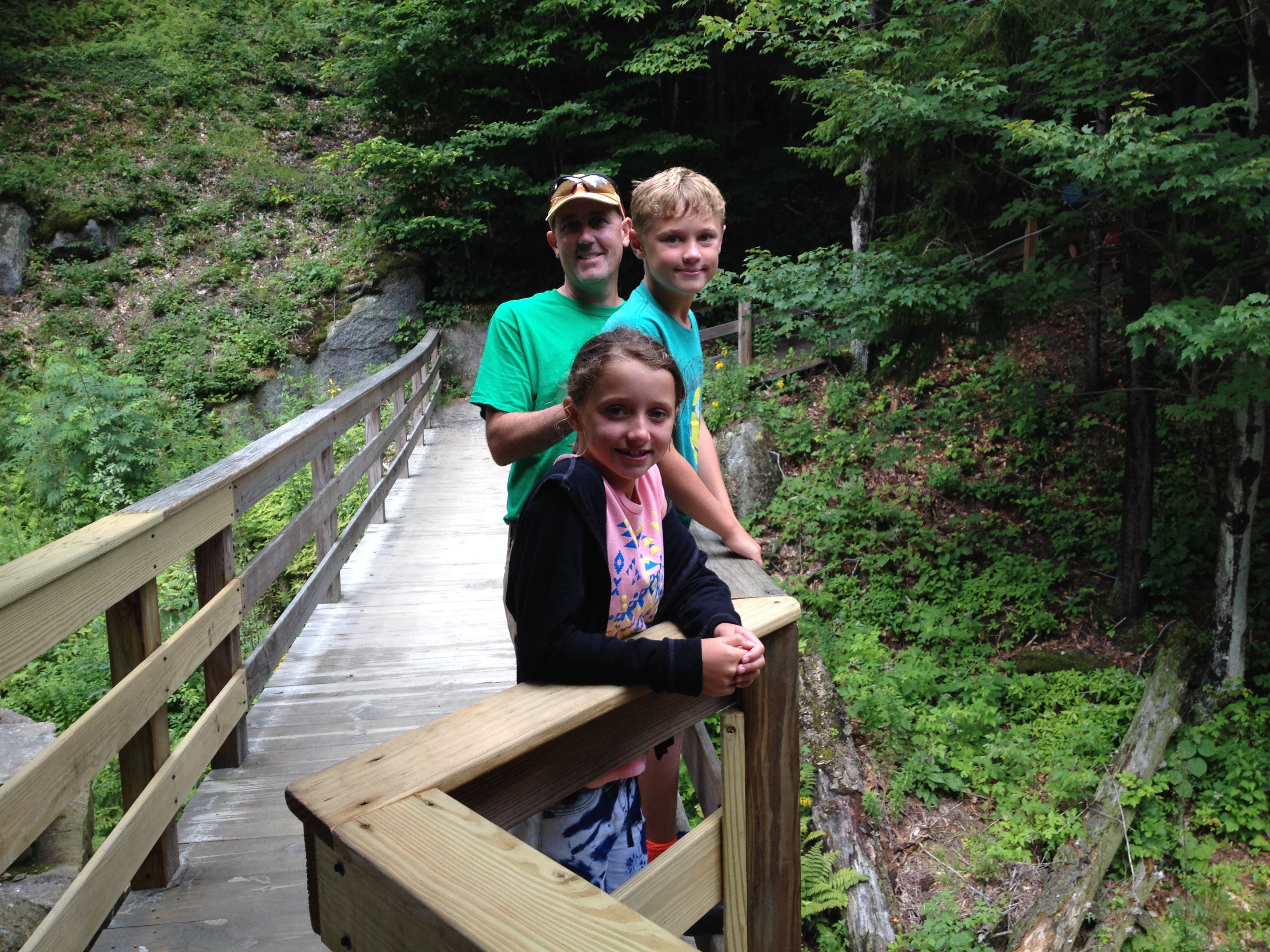
Whether I’m out shopping, preparing a meal for my husband and 10 year-old twins, or visiting a farm with one of our agricultural partners, I’m continually reminded of why I’m so passionate about agriculture. The food supply chain touches all parts of our lives, and my job gives me the opportunity to make sure the farm to plate journey is as sustainable as possible.
Growing up in Connecticut, I spent a lot of time exploring the outdoors and I’ve always had a deep love for animals. Although most of my time in nature is now spent protecting it, I still find the time to run outside every morning before I wake up my kids. Along with all of the farmers and partners I work with, my children – and their cousins (also twins, born on the same exact day as mine) – are the ones keeping me dedicated to building a sustainable future.
Here’s why I couldn’t imagine working anywhere else. (more…)