Climate change solutions
We deliver game-changing environmental solutions that have a real impact for people around the globe.

Building resilient land and water systems that allow people and nature to prosper in a changing climate.
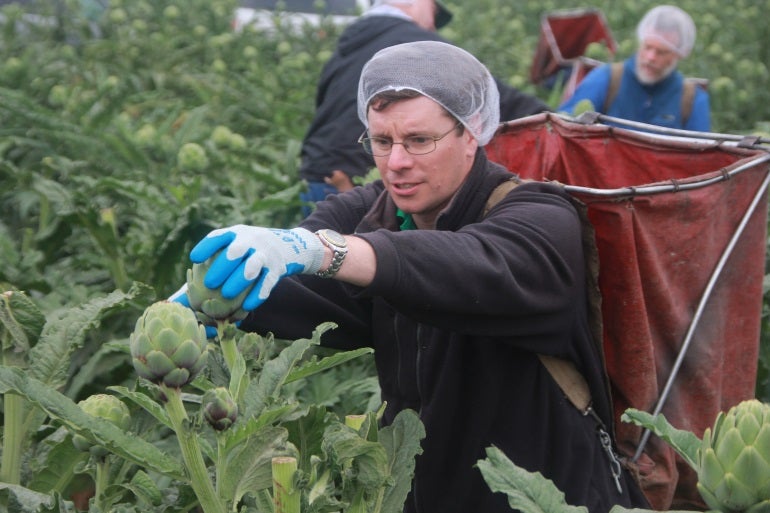
I recently had the unique opportunity to learn firsthand how central California farmers are constantly changing the way specialty crops are grown, squeezing more from fewer resources and reducing their impacts on the environment.
I joined a handful of other ag policy experts in a visit to the Salinas Valley, considered “the salad bowl of the world,” where we learned about the current issues and complex challenges facing the state’s farmers and ranchers. The trip was organized by the California Agricultural Leadership Foundation.
Running about 90 miles from Monterey to San Luis Obispo, the Salinas Valley alone grows more than 85 percent of the nation’s artichokes, 55 percent of the nation’s lettuce and 30 percent of the nation’s strawberries. It also leads the state of California in the production of broccoli, celery, mushrooms and cabbage.
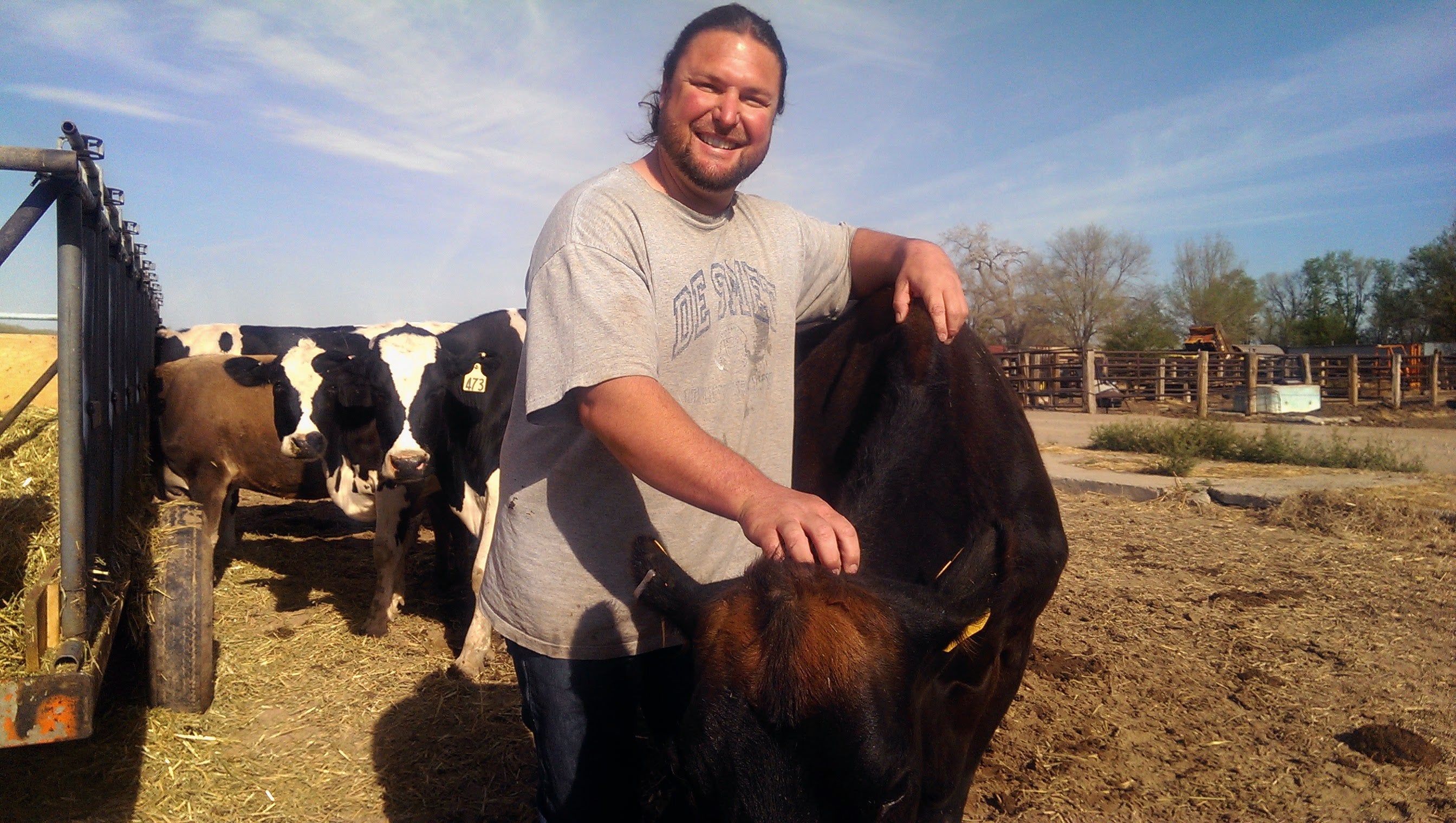
I recently blogged about the growing gap between water supply and demand in the Colorado River Basin, and how the default solution too often involves permanently taking water out of agricultural irrigation and transferring it to meet the needs of a growing urban population.
Alternative solutions do exist – ones that don’t leave farmland unproductive and threaten the agricultural economy that sustains us all. To prove this point, I would like to turn to the stories of a few young farmers who, despite record drought in the arid Southwest, have begun to adapt through innovative drought mitigation and water-saving practices, proving that increased productivity and healthy ecosystems can coexist.
Updated (October 23, 2014): Interior, Agriculture Departments Partner to Measure Conservation Impacts on Water Quality
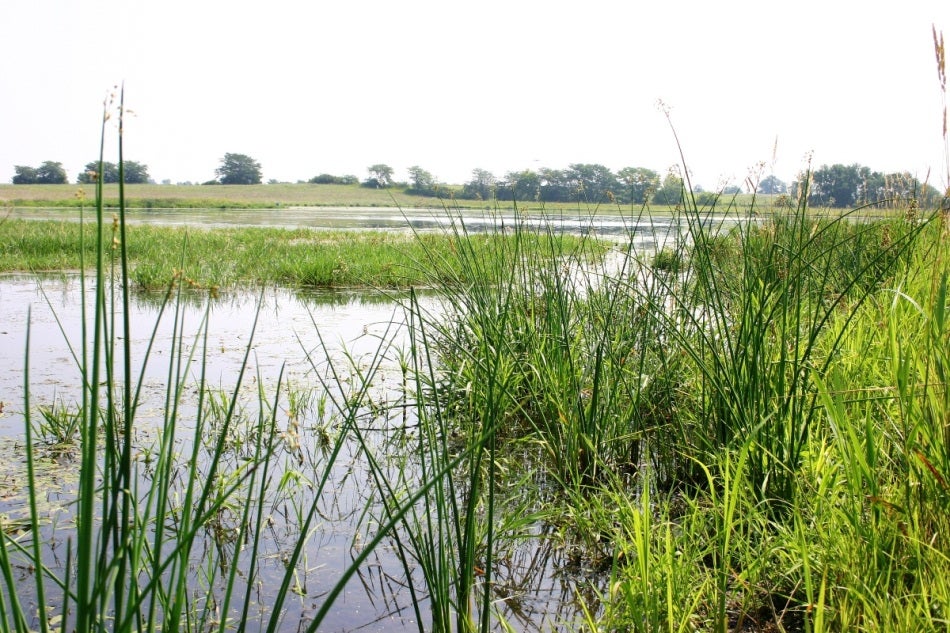
“Is the water safe?”
In the United States, we take it for granted that the answer to that question is “yes.” But the residents of Toledo, OH, learned recently that their water wasn’t safe to drink for a few days because toxins associated with an algal bloom in Lake Erie had contaminated the city’s water supply. Meanwhile, a Maryland man was released from the hospital after nearly losing his leg and his life to flesh-eating bacteria contracted from swimming in the Chesapeake Bay.
These types of incidents are caused by nutrient pollution. Although nutrient pollution can come from many sources, runoff from agriculture is the dominant contributor to the problem in Lake Erie, the Chesapeake Bay and the Gulf of Mexico. Agriculture-associated nutrient pollution also impacts local streams and lakes, causing fish kills and closing swimming beaches. A recent study in Minnesota suggested that more than 70 percent of nitrogen in state waters comes from cropland.
What needs to be done, and how much will make a difference? (more…)
 The way we produce food is getting a lot of attention these days, and for good reason. If current projections hold, we’ll have 9 billion mouths to feed by 2050 – 2 billion more than we have today.
Throughout history, when we’ve needed to expand food production, we’ve gone to nature’s vast storehouse and made withdrawals. In doing so, we’ve filled wetlands, dried up rivers, degraded habitat, and polluted our air and water.
We’ve already drawn down nature’s account to dangerously low levels, and we still need to produce more.
If we’re going to meet growing needs for food and water, we’re going to have to do it in ways that not only stop harming the environment, but actually improve the ecosystems that serve us. Business as usual just isn’t going to cut it.
Farmers lead the way
During the past decade, we’ve been in quiet conversations with farmers and ranchers about how to facilitate this transformation. As we’ve walked their land, we’ve seen some encouraging things. (more…)
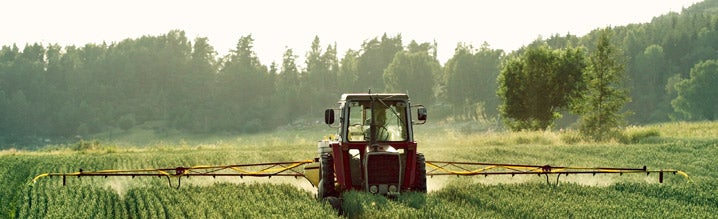
Fertilizer is the engine of agriculture, but its inefficient use means that excess fertilizer ends up in our waterways, contaminating freshwater supplies and causing algae blooms, such as those that recently cut off water supplies to hundreds of thousands of residents in Toledo, OH. In addition to impacts on communities, algae blooms also affect ecosystems, killing millions of fish and harming the seafood and recreation industries.
Nutrient runoff from fertilizer is a problem that many stakeholders, including farmers, have been trying to fix for many years, both in the Western Lake Erie Basin and beyond. The efforts to date have had a real impact, but that impact has not been nearly enough to solve the problem of dangerous and costly dead zones.
We need to do much more at a much larger scale, while also increasing productivity to feed a growing population.
 The U.S. Department of Agriculture just published an important roadmap for America’s farmers and ranchers to measure their greenhouse gas emissions and evaluate opportunities for reducing them.
Previously, insufficient data and lack of scientific consensus have impeded natural resource stewards from calculating GHG fluxes from management practices – especially since biological systems are dynamic and complex. But the new Greenhouse Gas Report provides thorough guidelines for understanding how different management practices influence GHG emissions on farms, ranches and forests.
This is a major breakthrough in mitigating the impacts of climate change on working lands. By helping landowners better understand their impacts, farmers, ranchers and forest owners will be better equipped to calculate their emissions and account for these impacts through voluntary participation in GHG mitigation or carbon sequestration projects across the country.
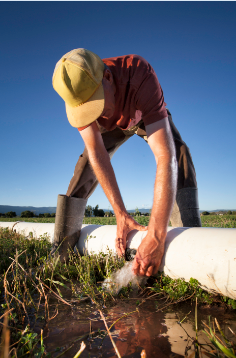 On Colorado River Day, it’s worth considering how we can write the next chapter in the water story of the American West.
With the recent news that Lake Mead is at its lowest level in history, it’s impossible to ignore the trajectory of America’s hardest-working river. In the Colorado River Basin, we are already using more water annually than is being supplied by snowpack and other precipitation. The Bureau of Reclamation and others predict that this gap in water supply and demand will increase to nearly 4 million acre-feet by 2060, with significant shortages possible as early as 2017.
It has become clear that, over time, our water uses are going to have to change. In thinking about where – in what sectors – this change should take place, we must also consider the environmental, cultural and economic services that each sector provides.
This post was co-written by Terry Fankhauser, executive vice president of the Colorado Cattlemen’s Association and executive director of Partners for Western Conservation.
Stop us if you’ve heard this one before: A rancher, an environmentalist, and an oil company exec walk into a bar. The bartender looks up and asks, “Is this a joke?”
On the surface we may seem like an odd group, but ranchers, energy companies and environmentalists are finding each other willing partners in solving big conservation problems.
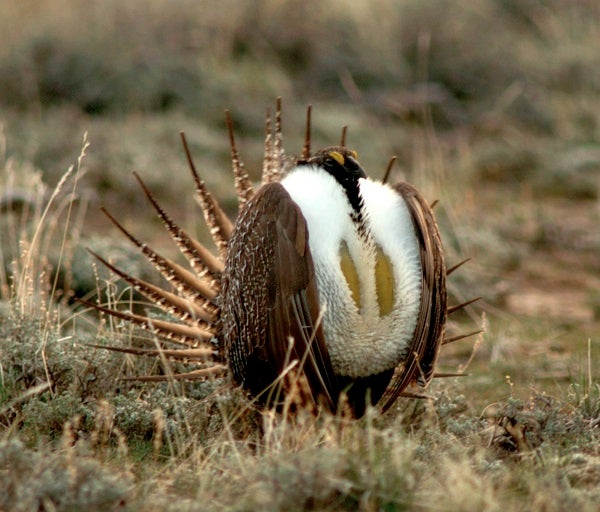
Colorado is one of 11 Western states where an iconic rangeland bird, the greater sage grouse, nests in high desert topography that’s also perfect ground for cattle ranching. And in recent years, Colorado’s booming oil and gas industry has encroached on the bird’s habitat.
That puts the bird’s future on a collision course with the state’s two largest economic drivers: agriculture and energy. The U.S. Fish and Wildlife Service faces a 2015 deadline to decide if the greater sage grouse should be protected by an Endangered Species Act listing. Listing could severely crimp both energy production and ranching across a vast territory.
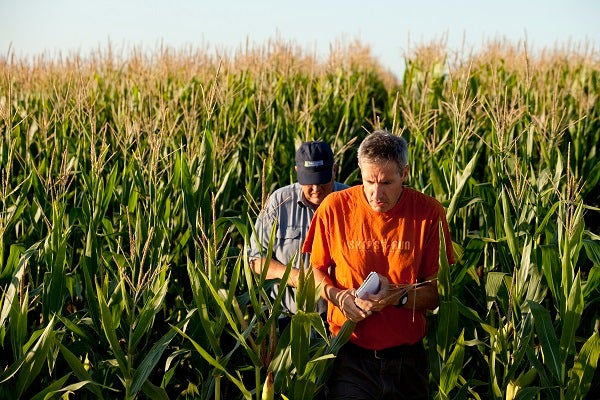
Corn is our country’s biggest crop economically and takes up nearly one-third of U.S. cropland. It is a pillar of our food production system – a key ingredient in everything from drinks, sauces and snack foods to dairy products, fuel and meat.
So when news about corn’s risky future pops up, we should all take note, and the entire agricultural supply chain should work toward solutions.
Water & Climate Risks Facing U.S. Corn Production, produced by the nonprofit sustainability advocate Ceres, is the latest analysis to sound the warning bell.
Last year U.S. corn growers harvested a record 14 billion bushels of corn, making them among the most productive farmers in the world (this year’s harvest is expected to be huge as well). But climate change and groundwater depletion are threatening to undermine corn’s success as global demand increases. Inefficient fertilizer use is compounding the problem.
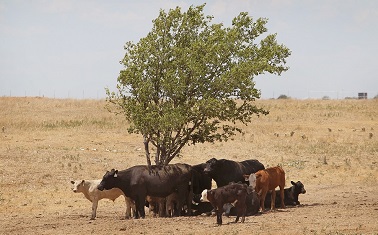
The report released this week by a group of prominent and politically diverse business leaders and public officials stood out, in part, because of the alarming losses it forecasts for America’s agricultural industry.
This matters to all of us, because commodity agriculture is big business in the United States, putting food on our plates every single day.