Climate change solutions
We deliver game-changing environmental solutions that have a real impact for people around the globe.

Building resilient land and water systems that allow people and nature to prosper in a changing climate.
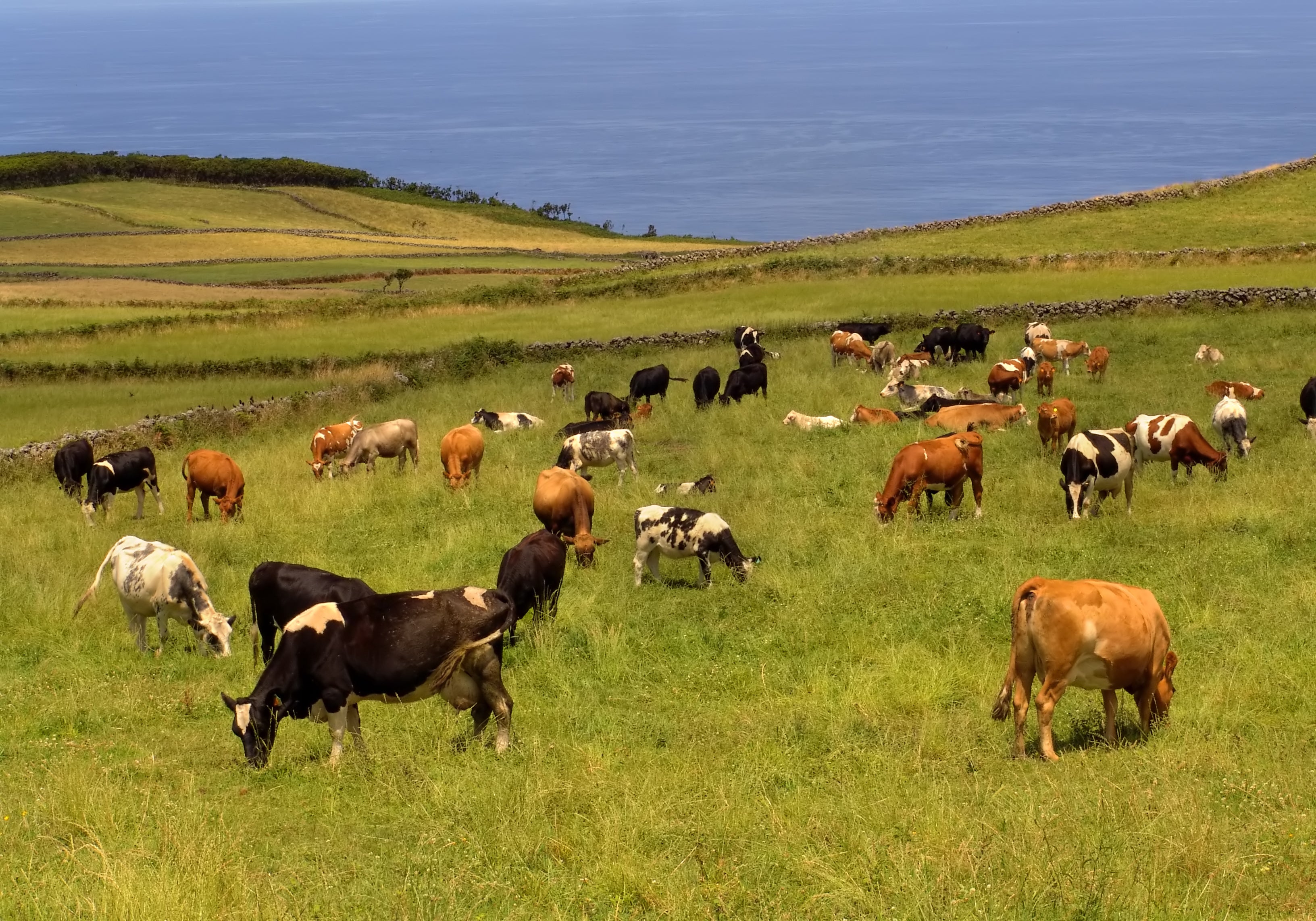
Rangeland ecosystems cover approximately one third of the land area in the United States and half the land area of California. What if that vast domain could be utilized to combat climate change, and ranchers could get paid for land management practices that keep more carbon in the soil and enhance production?
That’s the direction we’re going, thanks to a new carbon accounting standard approved today by the American Carbon Registry. The new protocol allows ranchers who reduce their greenhouse gas footprint by applying compost to their fields to earn credits that can be traded on the voluntary carbon market.
Climate benefits
The standard is supported by research conducted by the Silver Lab at the University of California, Berkeley, which shows that applying a half inch of compost to rangeland soils removes greenhouse gases from the atmosphere at the rate of half a ton per acre each year.
 The people over at United Suppliers are savvy. When they caught wind of Walmart’s pledge to reduce greenhouse gas emissions by, in part, asking its top suppliers to reduce fertilizer losses from cropping systems, they jumped at the chance to differentiate themselves in the marketplace.
“For us, it was a no brainer,” says Matt Carstens, United Suppliers vice president. “If Walmart and major food companies have identified fertilizer pollution as a business risk, it makes sense for us to help them address that risk. We want to be at the forefront of helping farmers meet these demands. It’s a great business opportunity, not to mention the right thing to do.
“After all, farmers want the same thing. Reduced losses translate to increased profits and greater sustainability.”
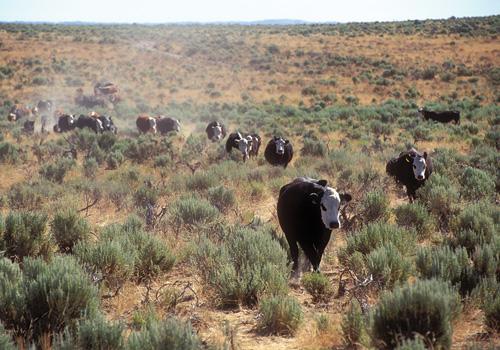
Ranchers and other private landowners have a critical role to play in conserving wildlife like the greater sage-grouse, which could face listing under the Endangered Species Act in 2015.
Home to nearly half of the greater sage-grouse’s remaining habitat, Wyoming is a landscape critical to the recovery of the species. A full 40 percent of the bird’s habitat in the state is privately held. Therefore, common sense solutions are needed to reward ranchers and other private landowners for conservation actions that protect vital habitat.
A rural, working landscape
Private lands in the West are often found near water, as ranches and other homesteaders put down stakes where they had ready access to water. For similar reasons, these areas are also critically important to wildlife.
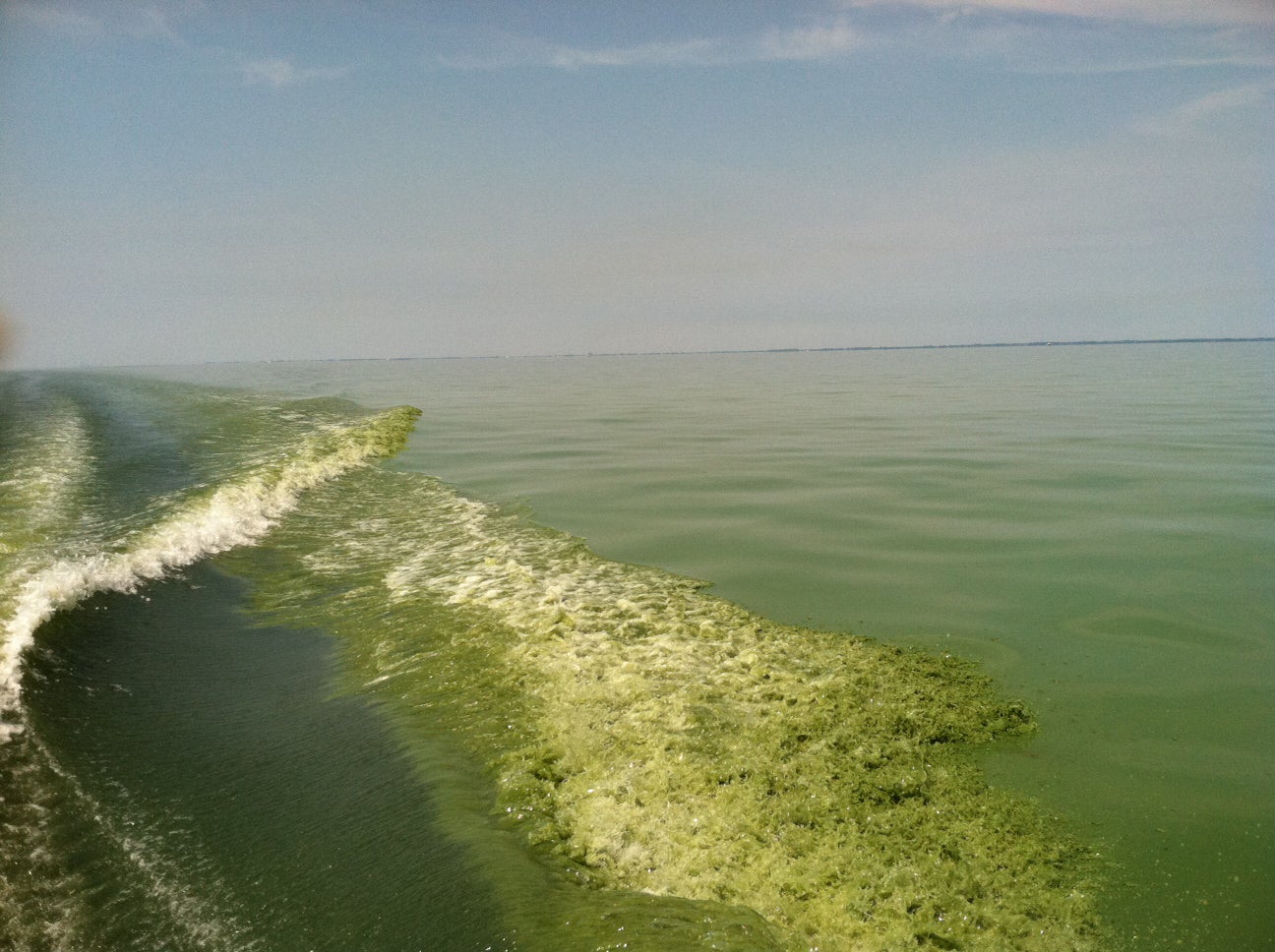
The toxic algae scare in Toledo this past summer really drove home the problem of fertilizer pollution in this country, right through the faucets of half a million unsuspecting residents. Don’t drink the water, officials warned. Don’t even touch it.
We need and rely on farmers every day for our well-being. But when producing food for a growing population threatens to deprive us of water, another life essential, it’s time to rethink the way we feed America.
That’s why I’m so excited about EDF’s new Sustainable Sourcing Initiative. Our goal in this collaborative effort is to engage every player in the U.S. grain supply chain to solve what has been an intractable problem for decades.
The challenge
Fertilizer, of course, is necessary for achieving high crop yields. But its inefficient use contributes to climate instability and causes dead zones that contaminate water supplies and kill millions of fish each year.
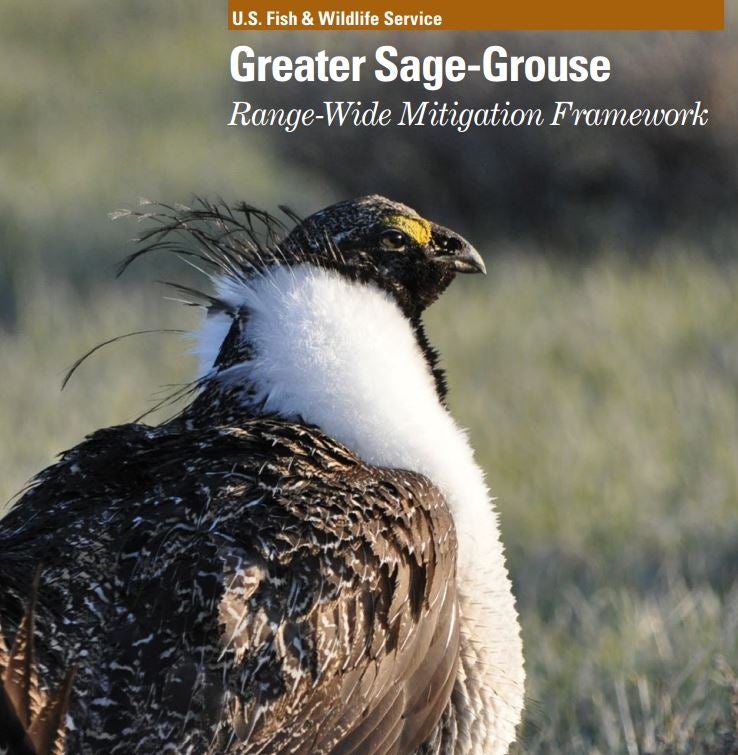 The U.S. Fish and Wildlife Service faces a difficult decision on the listing of the greater sage-grouse. On the one hand, populations are in steady decline across the range and the Service has already indicated that the bird’s condition will likely warrant protection under the Endangered Species Act. On the other hand, a listing would pit the Service against powerful economic interests – including energy and agriculture – and against most of the political apparatus of the 11 Western states that harbor the imperiled bird.
But the Service just did itself and all sage-grouse stakeholders a big favor.
Earlier this month, the Service released the Greater Sage-Grouse Range-Wide Mitigation Framework – a guidance document intended to help states and private sector interests design solutions for the bird that, if implemented quickly and effectively, would be taken into account when the Service makes its final listing determination in 2016.
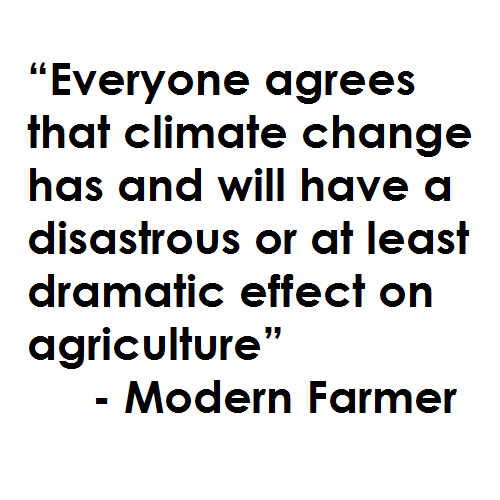 You may have heard by now about “climate-smart agriculture.” It’s the catchphrase that came out of the United Nations Climate Summit this week and the reason I was in New York to participate in a panel discussion on how to achieve food security for a growing population in a climate-changing world.
More than 20 governments and 30 organizations announced they would join the newly launched Global Alliance for Climate-Smart Agriculture, which aims to enable 500 million farmers worldwide to practice climate-smart agriculture. This is wonderful. But what does it mean in practice?
My colleagues and I have been asking ourselves this question since the concept was originally introduced by the UN’s Food and Agriculture Organization in 2010. Over the past four years, we’ve done some hard thinking on which practices, precisely, will get us to a point where we can keep pace with the food demands of a growing global population and increase the resiliency of our food systems to the harsh impacts of climate change.
 Federal and state governments aren’t doing enough to keep polluted runoff from reaching America’s waterways. That’s the conclusion the Environmental Protection Agency – aka the federal government – has reached in a new report from the office of its inspector general.
Anyone surprised?
Government has tried to reign in nutrient pollution for decades, only to watch dead zones persist in the Gulf of Mexico, Chesapeake Bay and Lake Erie. Just last month, a toxic brew of urban and agricultural runoff shut down Toledo’s water for two days. Seven weeks later, many of the city’s half million residents are still afraid to drink what’s coming out of the tap.
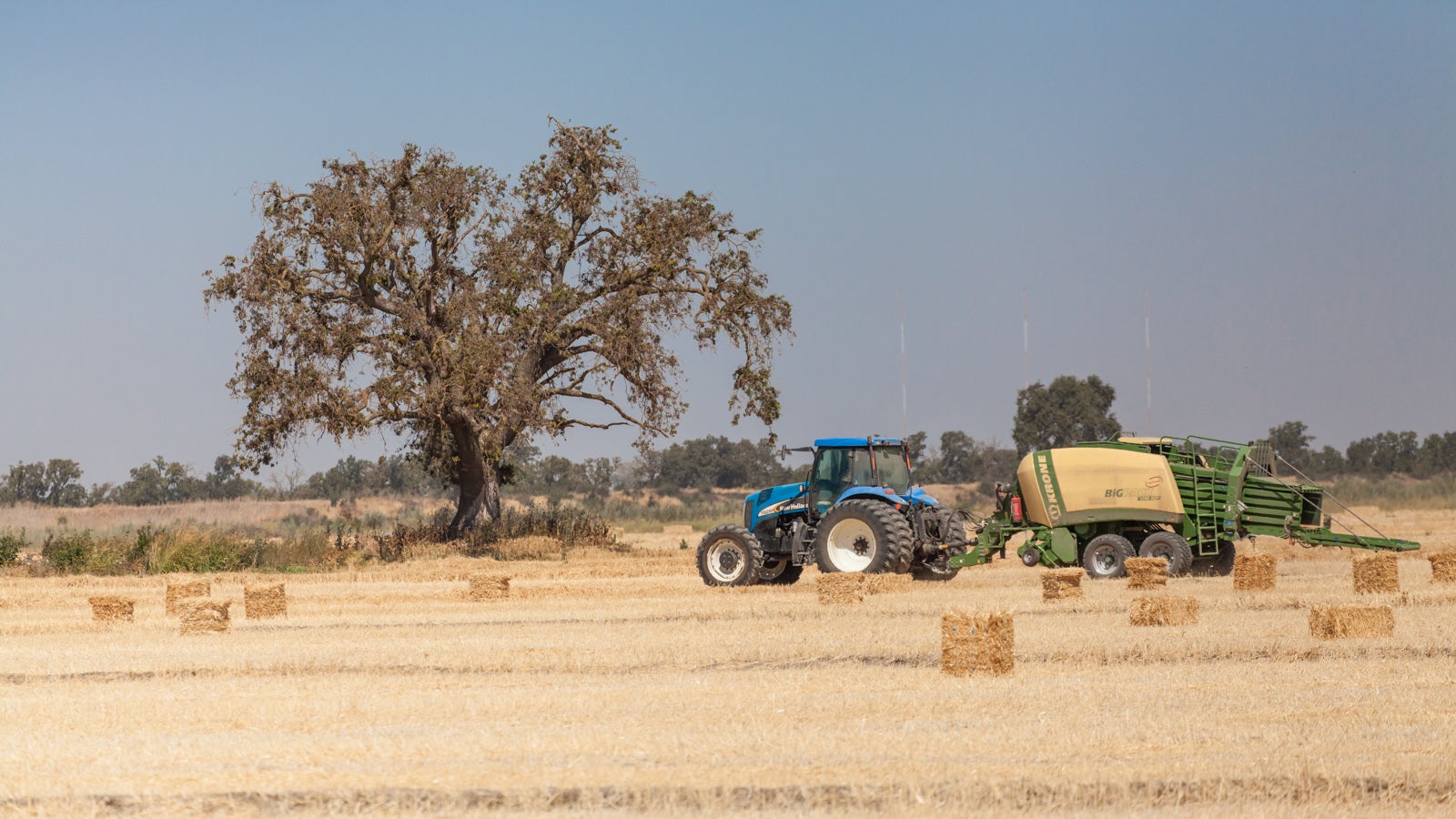 The California drought is putting the livelihoods of farmers and ranchers at serious risk. Without a reliable water supply, many fields are going fallow. This not only threatens the state’s world-leading agricultural economy, it significantly impacts wildlife species that depend on agricultural lands for survival.
A pioneering program under development in California’s Central Valley, however, may offer farmers and wildlife some relief. It’s called the Central Valley Habitat Exchange, and while it wasn’t conceived for the express purpose of helping growers in times of drought, it can reward producers who provide habitat by growing less water-intensive crops. Here’s how.

The 2014 State of the Birds report, released this week, sends a message that is both somber and hopeful: we can bring vulnerable bird species back from the brink of extinction, but there is a lot of work to be done.
While some once-abundant species have rebounded in response to habitat restoration and management, others continue to decline. If we want to put our nation’s birds on a path to recovery, farmers and ranchers have a critical role to play.
Success stories show the way
Iconic bird species like bald eagles, brown pelicans and peregrine falcons that were once teetering on the edge of extinction are thriving again. California condors, with their spectacular 10-foot wingspans, went extinct in the wild in 1987. Today, 225 individuals soar once again over several western states.
You may have seen the recent news about the potential impacts of drought on craft breweries like Lagunitas. Or the articulate Mother Jones headline – Lay Off the Almond Milk, You Ignorant Hipsters. Talking about climate change in terms of beer and almond milk isn’t a bad strategy for capturing the attention of thirsty Americans, but it’s not just our favorite beverages that are at risk.
Climate change poses a number of potential threats to the global food system, namely because of the impacts to agriculture. Here are five reasons why everyone from beer drinkers in California to bean farmers in Latin America should care about climate change and agriculture.
1. Rising temperatures could burn a hole in your wallet. The 2014 Intergovernmental Panel on Climate Change (IPCC) report found that, with average temperature increases of 3 to 4ºC, we will see large negative impacts on farm yields and severe risks to food security. Not only are food markets sensitive to climate extremes, but food prices are expected to rise anywhere from 3 to 84 percent by 2050.