Climate change solutions
We deliver game-changing environmental solutions that have a real impact for people around the globe.

Building resilient land and water systems that allow people and nature to prosper in a changing climate.
Environmental Defense Fund (EDF) has been working with farmers and ranchers for more than a decade to transform business as usual by providing incentives for conservation. As EDF’s 2014 strategic plan notes, “we’ve seen some encouraging things.”
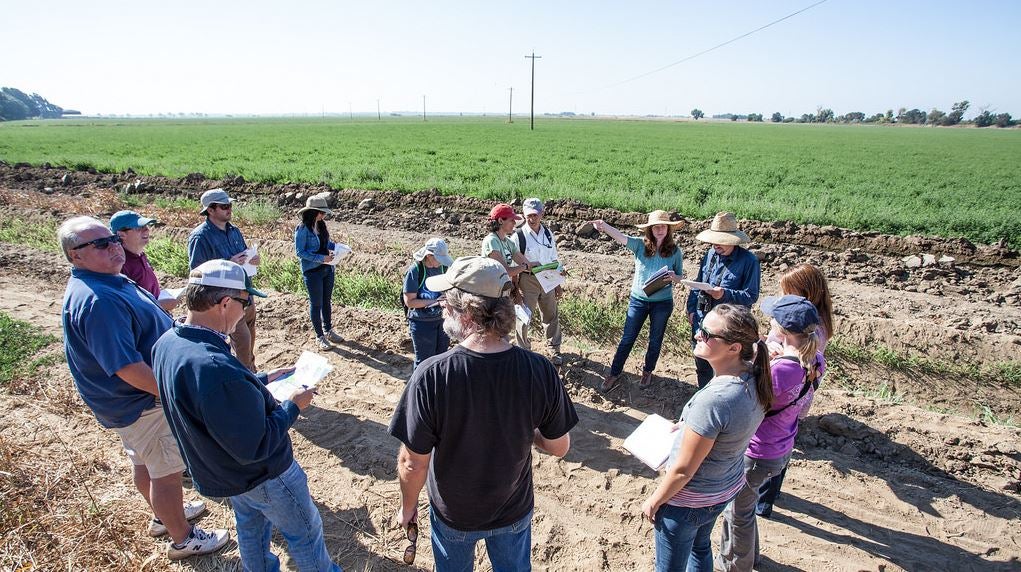
With proven success in the field, we are now looking to take these programs to scale to boost food production while maintaining profitable farms, a safe environment and healthy people. (more…)
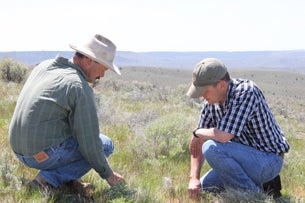
The U.S. Department of Agriculture (USDA) just announced new funding to support sage-grouse habitat conservation on working lands.
This is very promising, considering the last round of sage-grouse funding engaged more than 1,000 ranchers to conserve 4.4 million acres of bird habitat – an area twice the size of Yellowstone National Park.
That last round of funding – made available in 2010 through the Natural Resource Conservation Service’s (NRCS) Sage Grouse Initiative – invested $296.5 million to restore and conserve sage-grouse habitat. Today, NRCS pledged to extend these efforts by $200 million over another for years.
Doubling down on a good investment
(more…)
 If you are among the old school Valentines who appreciate a good box of chocolates and a fine cabernet, you’ll be heartbroken to learn that these romantic treats may be much harder to come by in the future because of climate change.
Droughts and rising temperatures pose great risks to agricultural productivity across the globe, from California’s Napa Valley to West Africa’s cocoa fields.
(more…)
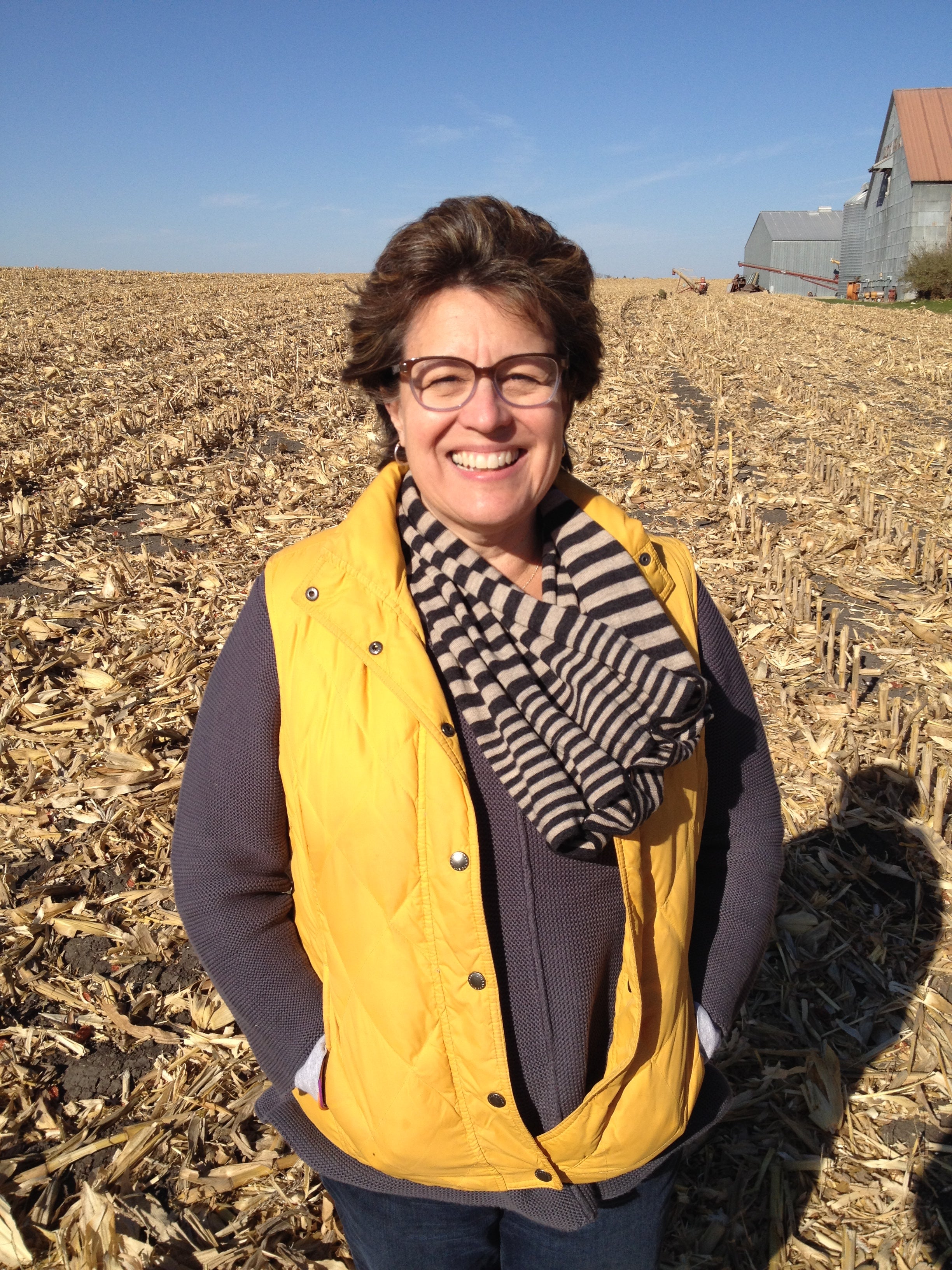
Thanks to GPS and the Internet, many farmers have been collecting data about their farms – water usage, inputs, crop yields – for over 20 years. Only in recent years has the term “big data” taken on a new meaning, given the plethora of new tools and technologies available today to help farmers collect and analyze data on all aspects of their farm operations.
This week also marks the launch of the first-ever Big Data Roundtable Series, an annual event that brings together experts from across the agricultural arena to discuss how major retailers can leverage data to improve business sustainability, and how growers can utilize measurement tools and analyze data to use fertilizer more efficiently and save on input costs.
Here, I ask Kristin Weeks Duncanson, a crop and livestock operator and member of the AGree advisory committee, to explain the value of collecting data for farm operations and the environment and why many farmers are still hesitant to collect data. (more…)
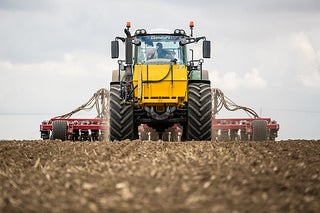 At first, the idea that fertilizer companies should help farmers become more efficient with fertilizer use is counterintuitive. After all, fertilizer retailers are in business to make money, so it makes sense that they would want to maximize sales of their core product.
Fortunately, using fertilizer more efficiently – even if this means less in some cases — can create more profit for retailers and growers. Fertilizer retailers have good reasons to incorporate fertilizer efficiency in their business strategies. (more…)
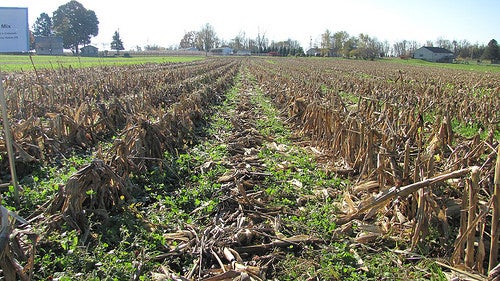 Wacky weather isn’t just a fluke. According to the National Climate Assessment (NCA), extreme weather events are becoming more common and are likely to increase in the future, which poses challenges for farmers and communities.
Traditional ways of responding to weather crises, such as building higher flood walls and digging deeper wells are expensive and often fail.
The good news is that farmers are increasingly turning to more natural solutions and practices, often referred to as “green infrastructure,” that use nature to reduce the impacts of both floods and droughts.
Green infrastructure is also needed to reduce fertilizer pollution and restore the Gulf of Mexico dead zone to safe levels, as a new study published today in the Journal of the American Water Resources Association (JAWRA) reports.
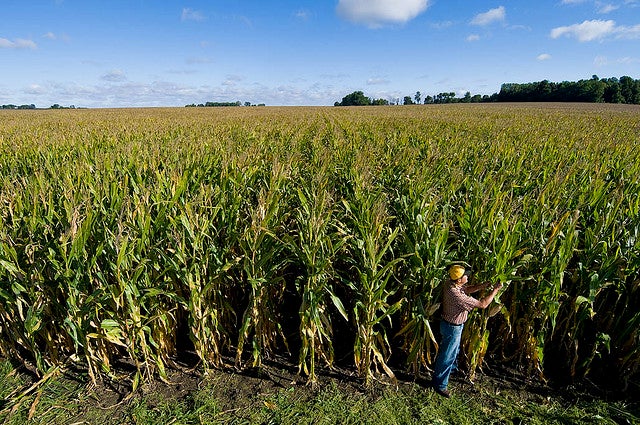 Earlier this month, the USDA authorized nearly $400 million in federal funds through the Regional Conservation Partnership Program (RCPP) to improve soil quality, water quality and quantity, and wildlife habitat.
The program funded 115 initiatives covering a wide range of conservation benefits, from improving wildlife conservation efforts in California’s ricelands to reducing fertilizer runoff in the Mississippi River Basin.
These projects demonstrate that by prioritizing spending of conservation dollars on projects where large numbers of farmers are committed to cooperative conservation, we can avoid the need for costly regulatory programs. (more…)
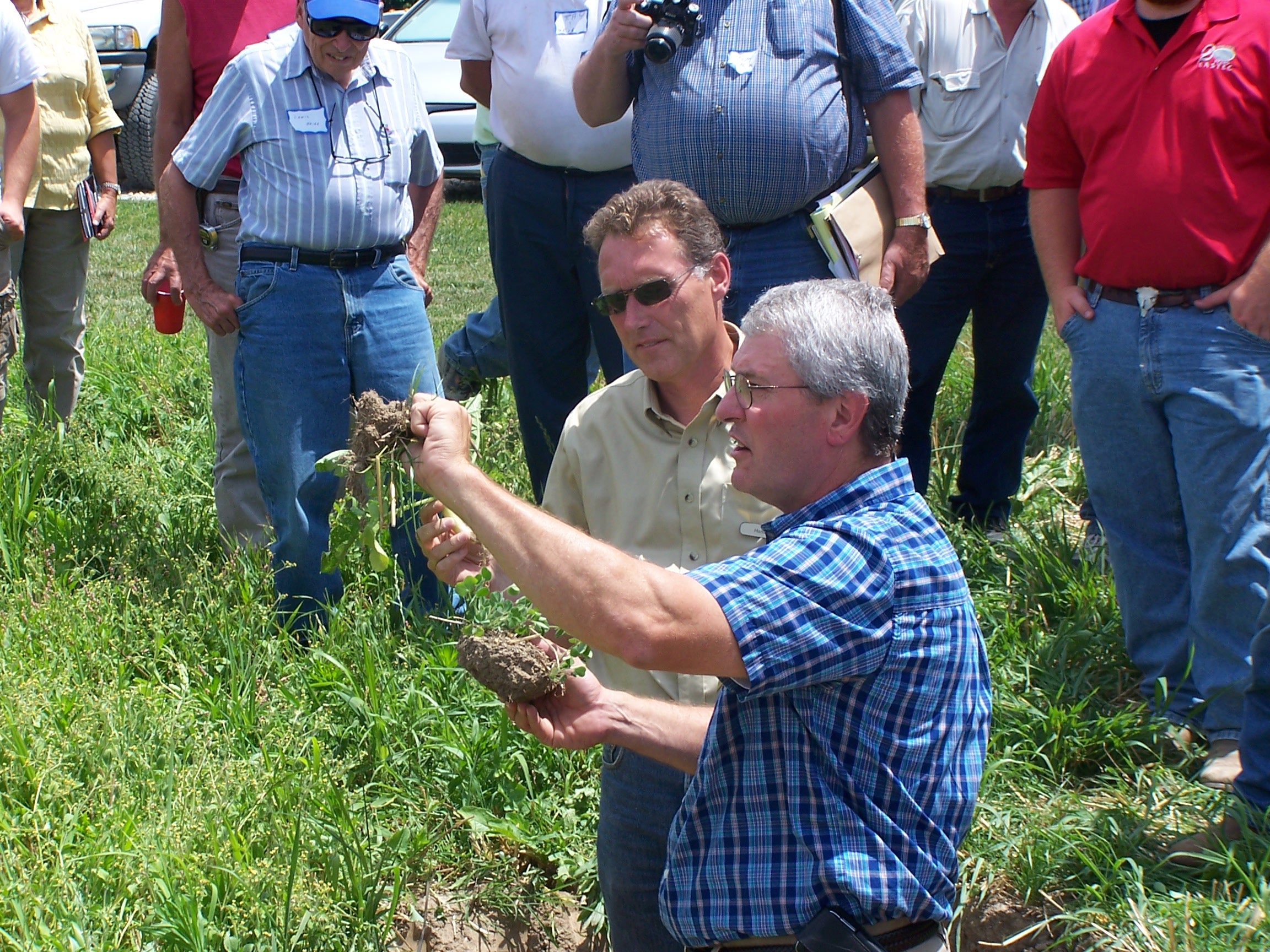
Everyone agrees that no-till farming should be used in conjunction with other practices to maximize soil health – but in reality, “no-till” means different things to different people across the agricultural world.
To clarify what exactly is involved in no-till farming, a key topic of discussion at this week’s Soil Health Partnership (SHP) summit in St. Louis, I asked one of Indiana’s leading tillage experts, Barry Fisher, an agronomist and soil health specialist with the Natural Resources Conservation Service (NRCS).
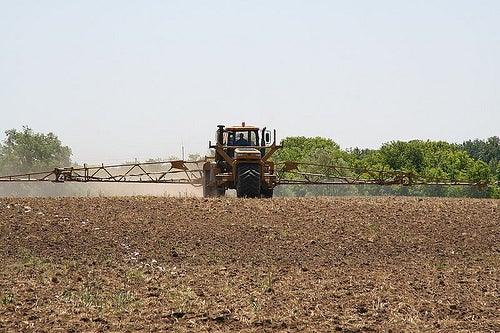 We need fertilizers to maintain and increase farm productivity and feed a rapidly growing population, yet 50 percent of the nitrogen fertilizer applied to crops is lost to our waterways or into the air.
That’s not good – not for the grower, nor for the environment.
I’m optimistic that nutrient losses will soon be trending downward while productivity climbs. Here are four reasons why:
It’s not always easy to incentivize private landowners to voluntarily implement water efficiency and conservation measures, particularly when there’s a drought. When drought hits, farmers desperately need water to grow thirsty crops and remain profitable. In the near term, it’s a lot easier, as “60 Minutes” recently reported, to keep drilling deeper and deeper to access quickly dwindling groundwater – at any cost.
As the “60 Minutes” story notes, groundwater is like a savings account that should primarily be used in times of need to supplement surface water supplies. With the most severe drought ever on record and surface water supplies at an all-time low, farmers all across California are pumping groundwater in record amounts – putting the state in serious risk of widespread groundwater overdraft.
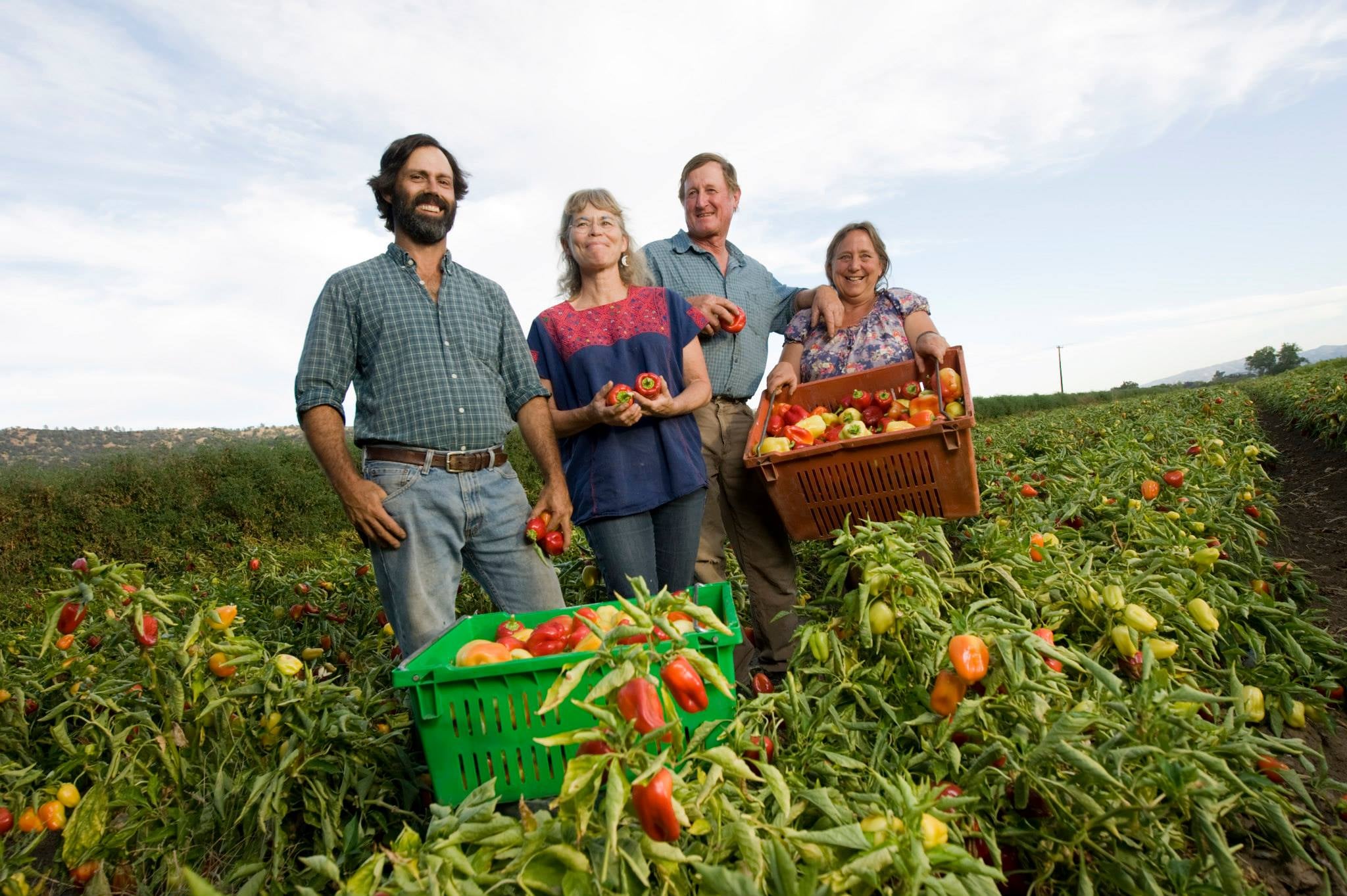
That’s why the case of Full Belly Farm, a 400-acre, 30-year old certified organic farm located in Northern California – and recent winner of the prestigious Leopold Conservation Award – is especially impressive.