Climate change solutions
We deliver game-changing environmental solutions that have a real impact for people around the globe.

Building resilient land and water systems that allow people and nature to prosper in a changing climate.
 When it comes to technology and agriculture, policymakers are wrestling with the role government should play in protecting the intellectual property rights and privacy of farmers.
This discussion came to a head recently when the House Agricultural Committee held a hearing to examine the impacts of “big data” on the entire agricultural life cycle. With farmers and companies collecting and storing data on everything from fertilizer rate to yield to soil conditions, there are important concerns to consider: Is the data secure? Who owns analyzed data? Will companies sell the data to others or make new products based on sensitive information?
Ahead of this hearing I wrote a blog post detailing the hurdles farmers must overcome to fully integrate data as a way to increase the abundance and sustainability of modern food production. The main challenges I highlighted were:
 Today, President Obama announced a plan to safeguard America’s land, water and wildlife by establishing a “no net loss” standard for mitigating impacts on natural resources and encouraging related private investment to deliver better outcomes for the environment.
The plan will create a more sustainable future for the energy and agriculture sectors, for example, that provide our nation’s food, fuel and fiber.
If there is one sector that I believe can gain the most from this new mitigation standard, it’s agriculture.
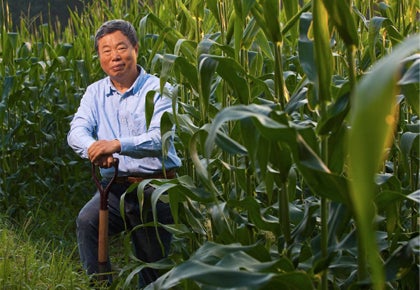
You may not know the name Dr. Changsheng Li, who passed away last week after a courageous battle with cancer, but his legacy will live on for generations.
A professor at the University of New Hampshire (UNH), Dr. Changsheng developed and refined a model that has been used in more than 20 countries to calculate methane and nitrous oxide emissions from crop production.
A UNH faculty award from 2009 noted that “it is rare to meet a person who fairly radiates humility and compassion. Changsheng Li of the Institute for the Study of Earth, Oceans, and Space is just such an individual.” He will be sorely missed by his friends at Environmental Defense Fund – and across the entire agricultural world.
His work took on new meaning and unprecedented momentum over the past few months with several big developments in the field of agricultural carbon markets – successes that would not have been possible without his pioneering work. (more…)

The Campbell Soup Company, along with a growing number of major food companies, is taking action to implement and support sustainable agriculture measures. It’s in their best interest to decrease the risk of supply chain disruptions.
Plus, there’s increasing consumer demand for transparency. A new report from the Chicago Council on Global Affairs found that 78 percent of Americans are interested in how their food is produced.
I asked Dan Sonke, manager of agricultural sustainability at Campbell’s, to explain how his company is working with farmers to reduce environmental impacts, why they’re working with Environmental Defense Fund, and about the unprecedented demand he’s seeing for sustainable grain. (more…)
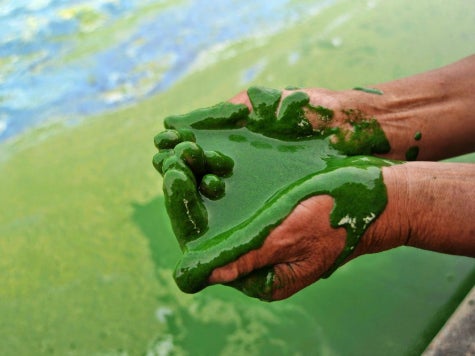
It’s true that fertilizer runoff, sewage, and other pollutants from the Corn Belt have significantly boosted dead zones in the Gulf of Mexico. That’s because up to half of the fertilizer applied isn’t absorbed by crops, and in order to grow more food we’re using 20 times more fertilizer in the Corn Belt today than in the 1950s.
But even if we optimize fertilizer use on all cropland in the Upper Mississippi and Ohio River Basins, nutrients will still be lost to rivers and streams and carried into the Gulf of Mexico. Some of this loss is inevitable given factors like unpredictable weather, but my colleagues and I set out to quantify other reasons for why the Corn Belt exports so much nitrogen.
We discovered that an increase in fertilizer inputs is only one part of the problem. Three other distinct but interconnected factors also contribute to water pollution and the Gulf dead zone: the loss of perennial cover, the construction of artificial drainage systems, and the loss of wetlands. (more…)
It’s been a tough year for the almond. Vilified and beaten down, the nut has come to symbolize the California drought. While the reasons for and solutions to the drought are complicated and nuanced, the almond’s reputation has nonetheless suffered.
Meanwhile, farmers across the board are under increasing pressure – from regulatory requirements and increasing consumer demand for transparency – to modify their fertilizer application practices and thereby reduce nitrogen losses to the air and water.
Fortunately, there’s good reason for the almond to cheer up – a new Specialty Crop Block Grant (SCBG) from the California Department of Food & Agriculture will support the state’s almond growers in their ongoing efforts to make nut production more sustainable, without sacrificing yields. (more…)
It’s World Food Day, which promotes awareness of the planet’s most challenging food issues, including eradicating global hunger. All food production depends on environmental health, but food production itself can harm the planet.
So to address hunger and increase food security, we’ll need to address the environmental impacts of food production and how the food choices we make every day affect the planet.
These choices affect the stability of the climate, the availability of clean drinking water and running rivers, and the persistence of native habitats and the wildlife they house.
No matter our political or cultural differences when it comes to food, there’s one trend that is clear: across the globe, we are making the choice to eat more meat. (more…)
By Suzy Friedman, Director, Agricultural Sustainability, Environmental Defense Fund and Max Starbuck, Director, Market Development, National Corn Growers Association
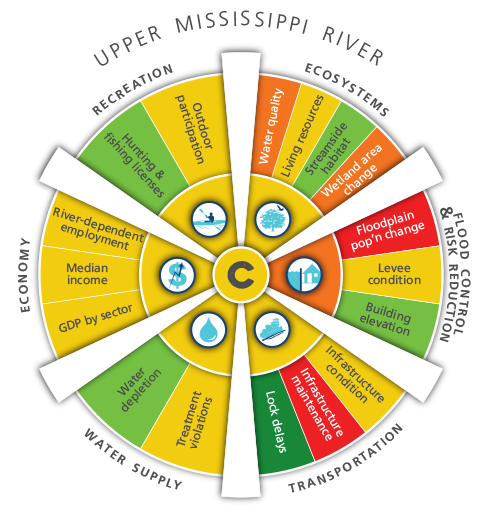
Today, a diverse group of more than 400 businesses, associations, government agencies, science organizations, academic institutions and non-profit organizations released the first-ever report card evaluating the condition of one of our nation’s most storied and central waterways. This effort, known as America’s Watershed Initiative, was undertaken to provide information on the challenges facing the waters and lands that make up the 31-state Mississippi River Watershed and the 250 rivers that flow into it.
The overall mark was less than stellar, a D+. However, the process of grading has yielded a pathway to improvement.
Why the poor rating? The watershed continues to experience increased pressure from the demands of urbanization, agriculture, transportation and land development.
Fortunately, moving from a “D+” to an “A” grade is achievable – with new levels of understanding and collaboration. That’s why the Environmental Defense Fund and the National Corn Growers Association have a real desire to work together on this and similar initiatives. (more…)

As I wrote earlier this week, data analytics technology has the potential to dramatically change the way we produce food, making it more abundant and sustainable. But a number of obstacles remain.
Here’s how we can address some of the biggest challenges and hasten ag’s big data revolution for the benefit of people and the planet.
1. Protecting privacy
Many growers have told me they are willing to share data – if they know exactly where it’s going and how it will be used, and if they can benefit from the data analysis that occurs. However, big concerns remain about data being used for regulatory compliance purposes, given to rival farmers, or shared with seed and fertilizer companies that would gain a competitive advantage. (more…)
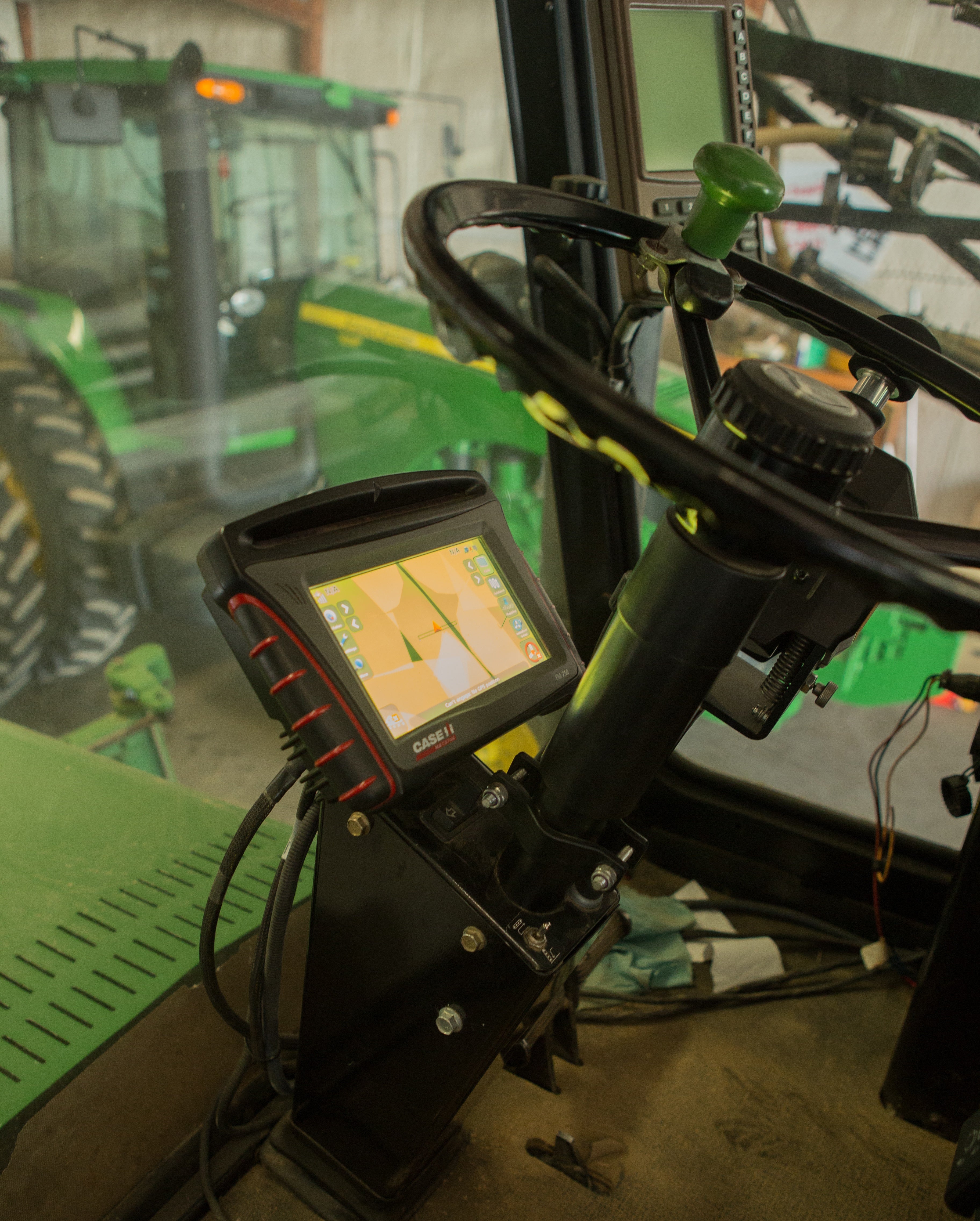
Almost daily, I see new stories on how agribusinesses, entrepreneurs, and traditional technology companies are making big investments in precision agriculture tools and digital platforms that collect data from farms.
These data include information such as fertilizer rate, prescription accuracy, yield by square foot, seed type, and soil type. When analyzed at a large scale, the data can determine best practices for farm operations to maximize yield and minimize input costs.
This is an exciting trend, with big and small companies alike getting into the data game, and the tools used to collect this data becoming ubiquitous. And although these technologies weren’t necessarily started with sustainability in mind, they have tremendous potential to benefit the environment. (more…)