Climate change solutions
We deliver game-changing environmental solutions that have a real impact for people around the globe.

Building resilient land and water systems that allow people and nature to prosper in a changing climate.
By Ame Igharo, originally published on the EDF+Business blog.

The statistics on plant-based proteins are eye opening: Beyond Meat’s shares have more than tripled in value since in its IPO in May, Impossible Foods can now be found in about 10,000 restaurants, and the market for meat substitutes is expected to reach $2.5 billion by 2023. In fact, dollar sales of plant-based products are growing double digits across the country, and you can now find meat alternatives in Burger King, White Castle and Carl’s Jr, among other chains. (more…)
It is a wild understatement to say it has been a hard year in agriculture. It has been a year of loss, heartbreak and stress. As a frontpage Washington Post article captured, “Farm bankruptcies and loan delinquencies are rising, calamitous weather events are ruining crops and profits are vanishing during Trump’s global trade disputes.”
I had to dig deep, but I was determined to find some silver linings.
As I sat with my pen, paper and thoughts, I found I had more and more to write. I was reminded that farmers have amazing grit and determination, which is why, despite the incredible challenges ahead, I remain firmly optimistic that we will find the ways to feed the world while sustaining the natural resources on which we all depend. (more…)
When Michael Kotutwa Johnson was 8 years old, he began spending much of his time on the Hopi reservation in Arizona with his grandfather, who taught him how to farm.
For more than 2,000 years, the Hopi have been farming without irrigation in an area of Arizona that receives less than 10 inches of rain a year.
“Hopi is a testament to doing a lot with a little,” Mike says. “A raindrop can raise a whole plant.”
Mike went on to study science and public policy in college and recently earned a Ph.D. in natural resource management at the University of Arizona. He is now living back on the Hopi reservation, farming and working as a research associate at the Native American Agricultural Fund. The fund’s mission is to promote the sustainability and viability of Indian agriculture in America, and Mike’s personal mission is to bring more Hopi back to farming.
I had the opportunity to talk to Mike about the Hopi’s unique way of farming and how it can inspire other farmers seeking to become more resilient to climate change and increasingly finite water supplies. Here’s what he shared with me. (more…)
This year has been one of the toughest yet for communities across the country feeling the impacts of climate change.
Farmers took big hits from unprecedented flooding in the Midwest, coastal communities were pummeled with record-breaking rainfall and storms, and more than 250,000 acres in my home state of California burned from wildfires that took precious lives and left millions of people without power for days on end. As we enter a new decade, these four stories of resilience provide hope that we will take bold climate action in 2020. Share on X
It’s easy to feel hopeless hearing one climate disaster story after another. But if you look around, there are also stories of resilience that can provide hope for the future. Here are four that inspire me. (more…)
The U.S. farm economy is in its worst condition in decades due to several years of low crop prices, ongoing trade disputes, natural disasters and other variable weather. But many farmers are adapting and innovating – implementing conservation practices that build soil health and resilience, such as nutrient optimization, cover crops and no-till.
Still, there is a growing need for farmers to understand the full financial benefits of these practices and prove their value to ag lenders and other financial partners.
Coastal states are turning to resilience planning to confront extreme weather and climate change. New Jersey, North Carolina and Florida have all hired chief resilience officers to oversee their states’ resilience strategies. Louisiana has been a leader in coastal resilience for more than a decade.
In 2007, in the aftermath of Hurricanes Katrina and Rita, Louisiana embarked on its first of three Coastal Master Plans – science-based and publicly-informed coastal resilience plans. With each iteration, Louisiana improved the science, enriched public engagement and increased transparency in decision-making to build plans that were unanimously approved by the state legislature three times.
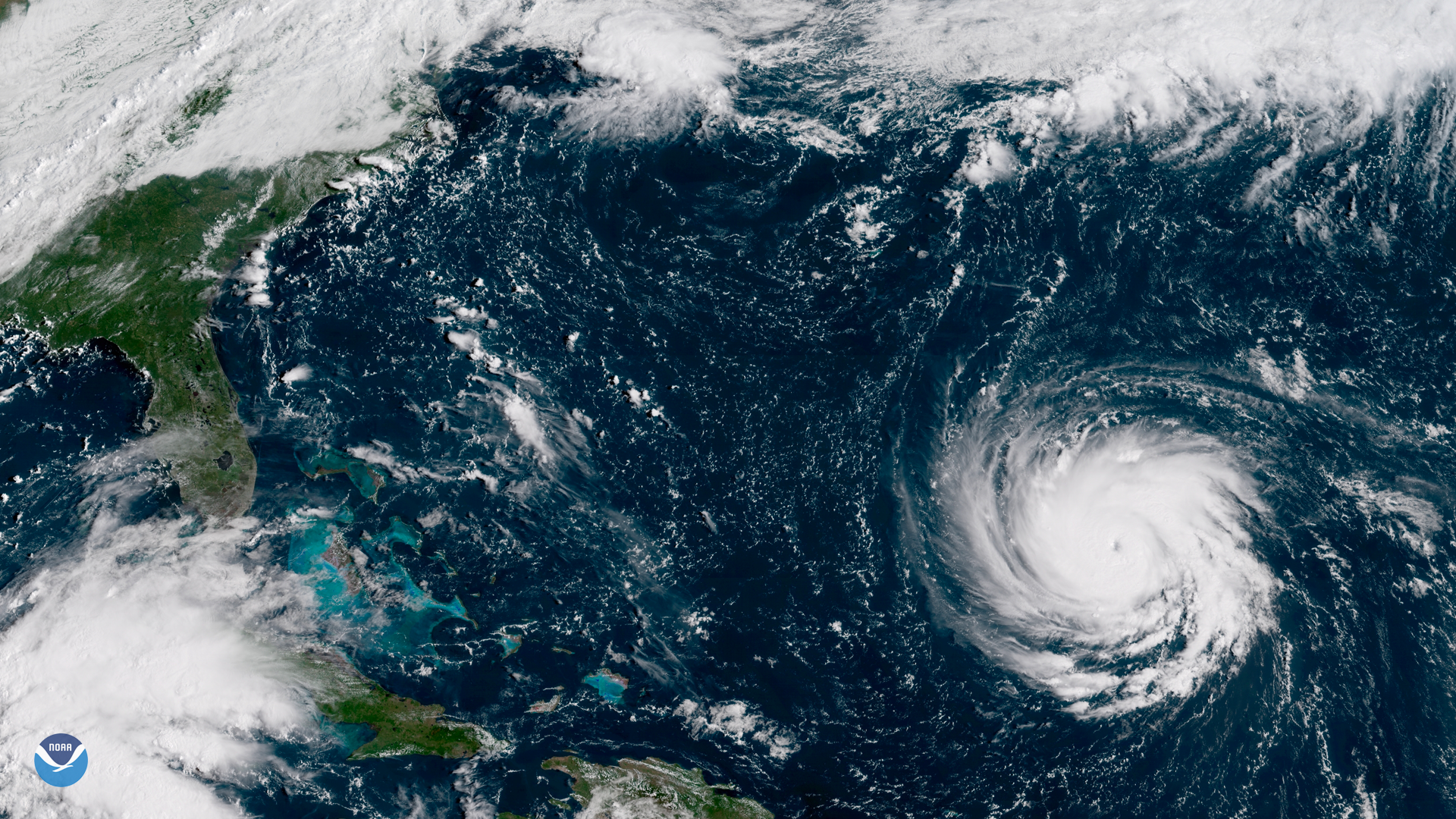
Based on this experience, here are six essential elements that states should include in their coastal resilience plans: (more…)
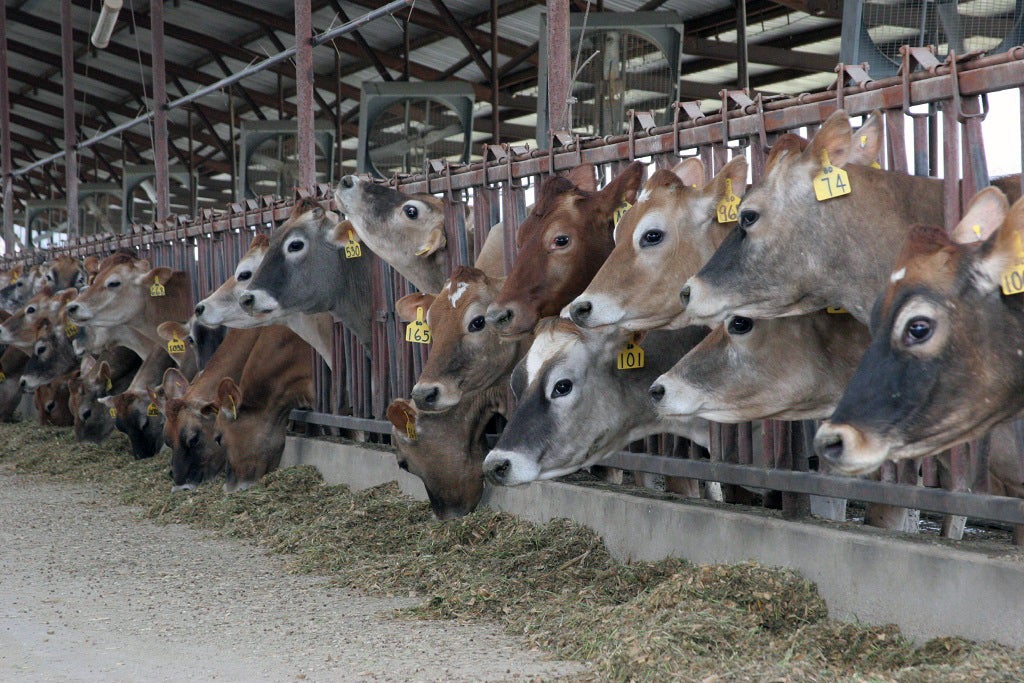
The dairy industry is a critical part of the landscape, economy and social fabric of Pennsylvania and the Chesapeake Bay. But it’s under stress.
Dairy is in the fourth year of an economic downturn in which many farmers have struggled to break even. Dairy farmers in Pennsylvania and across the U.S. are highly motivated to increase their resilience to unfavorable economic and environmental conditions, including highly variable milk and feed prices, unpredictable farm policies and extreme weather – most notably increased heavy rain events and flooding.
Most of these factors are out of farmers’ control, but conservation is something farmers can be sure of.
That’s what my colleagues and I concluded after digging into the budgets of four Pennsylvania dairy farmers in our new report: How conservation makes dairy farms more resilient, especially in a lean agricultural economy. The report shows how a variety of conservation practices can deliver multiple returns on investment that simultaneously benefit the farm budget and the local environment.
Here are our four key findings: (more…)
Soil is one of the most precious and finite natural resources, and maintaining healthy soil is mandatory to provide enough food for the planet in the face of a changing climate.
There is strong scientific consensus on the urgent need to rebuild agricultural soil carbon. That’s the topline message of a comment published this week in the journal Nature Sustainability.
Scientists and farmers know that increasing soil carbon can improve soil fertility, stabilize yields, reduce the need for inputs like fertilizer, and boost resilience to droughts and floods. That’s why so many soil health initiatives focus on building soil carbon.
While the importance of building soil carbon is widely endorsed, there is scientific debate about exactly how much carbon can be sequestered in soils. That is important data to know, but it should not distract us from doing all we can to continue to build carbon in the soil.
This blog post was written by Adriana Fernandez, EDF’s 2019 Tom Graff Diversity Fellow.
California might have the fifth largest economy in the world, but many people in the state’s disadvantaged communities feel like they are living in a third world country because they don’t have safe, clean and affordable drinking water.
Throughout the past year as a Tom Graff Diversity Fellow at EDF, I had the privilege to gain a deeper understanding of these critical water challenges facing low-income, underrepresented communities in California and amplify the voices of community members left out of the decision-making process.
After conducting a series of interviews with community members, local nonprofit leaders, university professors and consultants, I identified three crucial challenges facing some of these communities. One water operator who I interviewed shared the story of a small water system in a rural community in the eastern part of Southern California that struggles with all three of these challenges. (more…)
Water in Colorado — one of the state’s most important natural resources — scored a major win today when voters approved Proposition DD. Prop. DD will provide up to $29 million a year for water projects from revenue raised by legalizing and taxing sports betting.
This funding will support critical projects to implement Colorado’s Water Plan and keep Colorado the state we know and love, with healthy rivers, clean drinking water, productive agriculture and abundant recreation.
EDF and EDF Action were key advocates for Prop. DD. We are thrilled voters approved the measure because it shows Coloradans across the political spectrum care deeply about building a more resilient future for our state. (more…)