






Illinois is at a turning point in transportation policy, new bills this session can speed momentum
Written By

Share
Summary
- Illinois’ 2026 legislative proposals aim to cut transportation emissions and accelerate an equitable zero-emission transition by targeting warehouse-related pollution, modernizing fleet testing, and using better data to direct infrastructure and electrification investments.
- The package also focuses on affordability and access — including point-of-sale EV incentives, expanded charging, and pro-worker procurement policies — positioning Illinois to lead on clean transportation despite federal policy backsliding.
By Neda Deylami
With federal policies and incentives backsliding, state action on transportation emissions is more essential than ever. Illinois has made great progress through laws like the Climate and Equitable Jobs Act, the Reimagining Energy and Vehicles Act, the EV Charging Act and others — but more work is needed to cut harmful air pollution and ensure an affordable and equitable transition to zero-emission vehicles. Here’s what’s on the table for the 2026 Illinois Legislative Session.
Illinois is at a turning point in transportation policy, new bills this session can speed momentum Share on XSB3732/HB5600 — Warehouse Pollution Reduction Act
Reducing warehouse-related pollution and incentivizing a transition to zero-emission vehicles
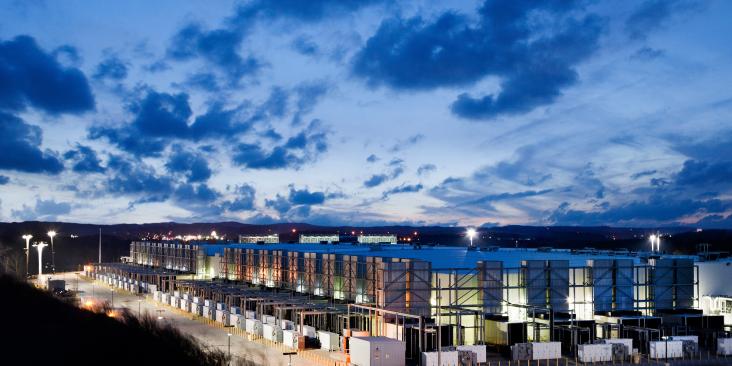
The growth in e-commerce over the last few decades has led to considerable diesel truck pollution from warehouses and distribution centers, impacting air quality and risking serious health impacts for communities and workers. This bill would reduce that pollution through a points-based program that incentivizes zero-emission vehicles and other pollution mitigation measures. New developments would also have to meet minimum setback standards, and all regulated facilities must report relevant operating information such as truck trips and pollution reduction progress. Along with community participation and transparency, this bill would improve public health, especially in areas already overburdened by industrial pollution.
SB3980 — Diesel Emissions Accountability and Fleet Data Act
Closing the gap on diesel emissions testing
Illinois’ current diesel emissions testing program has serious gaps. Current testing uses an outdated method that assesses the opacity of exhaust smoke. Nowadays, all vehicles come standard with an onboard diagnostics port that testers can use to check emissions control systems. That means Illinois can modernize its diesel emissions testing technology to prevent pollution before it dirties our air. Also, current law only requires diesel emissions testing for vehicles above 16,000 pounds. This bill would expand testing to medium-duty diesel vehicles above 10,000 pounds, which is necessary, given the recent increase in diesel delivery vehicles in communities contributing to urban pollution.
Data for smarter investments
The transition to zero-emission vehicles is still well underway, even in the MHD space. Illinois is already making significant investments in charging infrastructure, grid upgrades and incentives:
- $58 million in EV rebates.
- $70 million in EV charging state infrastructure funding.
- $430 million in Climate Pollution Reduction Grant funding ($115 million of which is dedicated to freight electrification and charging).
- $108 million in Volkswagen Mitigation funding.
- >$140 million in National Electric Vehicle Infrastructure program funding.
- $95 million in Clean Ports electrification funding.
- $15 million in Charging and Fueling Infrastructure charging.
The state therefore needs data on fleets (such as size, home base and vehicle type) to determine where diesel trucks are concentrated and where zero-emission vehicle and infrastructure funding will make the biggest impact. Fleet data collection empowers Illinois to target investments effectively and spend taxpayer money responsibly.
HB 5482 — Clean and Equitable Transportation Infrastructure Act
Upfront affordability through a meaningful point-of-sale purchase incentive
Despite lower total cost of ownership of EVs, upfront affordability remains a barrier to greater EV adoption. Now that the federal tax credit has been eliminated, it is even more important for Illinois to support a robust and sustainable EV incentive program. To be successful, it must be a meaningful amount that will shift consumer behavior to choose electric and be available point-of-sale (not post-purchase as it currently is), so families don’t have to front thousands of dollars waiting for a check in the mail. Otherwise, the rebate will continue to structurally exclude low- and moderate-income families and leave barriers to upfront affordability standing.
Reliable, accessible charging infrastructure — at home and on the road
Another incentive for greater EV adoption is reliable charging infrastructure. Along with other investments in public charging, this legislation expands and improves existing charging deployment at Illinois Tollway oases, growing to 16 ports on each side (parity with available gas nozzles) to give Illinoisans and visitors fueling options no matter the type of their vehicle.
Given the rapid growth in EV sales since the 2023 passage of the EV Charging Act, this bill is also an opportunity for the legislature to make existing residential EV Ready infrastructure requirements more expansive and equitable.
Race to the top for workers
Lastly, an equitable EV transition is not complete without just transition protections for workers. After 2030, all new public passenger vehicle fleet purchases must be ZEV-only. Given the impending large government purchases, procurement policy should incorporate information on wages, benefits and training into bids for the state’s requests for proposals to increase transparency on companies’ workforce practices.
A pro-worker pro-community procurement policy incentivizes a race to the top for workers in the growing EV manufacturing industry. The state already sets standards for cost and quality, so this ensures taxpayer dollars support workers, too.
Together these bills meet the moment: cutting diesel pollution at its source, targeting investments where they deliver the greatest public benefit, lowering upfront costs of EVs for families, expanding reliable charging and ensuring workers share in the gains of a growing clean transportation economy.
At a time of federal uncertainty, Illinois has the opportunity to lead — protecting public health, strengthening its economy and accelerating a zero-emission transition that is affordable, equitable and built to last.