








Cover crops: a new opportunity for ag retailers
Posted: in Agriculture
Written By

Share
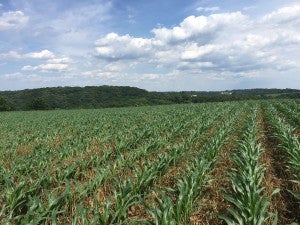
For the fourth year in a row, a nationwide farmer survey found a boost in soybean and corn yields following the planting of cover crops. That’s in part why cover crop usage increased 350 percent from 2008 to 2012 among the farmers surveyed.
Cover crops are also great for the environment, since they help keep excess nutrients in the field and out of waterways. Yet only around 2 percent of all U.S. farmland uses cover crops, an alarmingly low figure.
That leaves a ton of room for improvement, which could result in huge environmental gains – and a new business opportunity for ag retailers.
Ag retailers that offer expertise on and sell cover crops to their famer customers can get in on this rapidly growing trend. And in so doing, gain customer loyalty and stand out from competitors.
Clear benefits
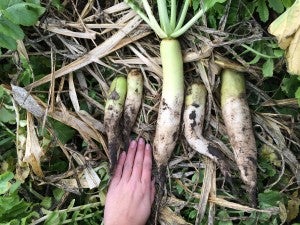
The Sustainable Agriculture Research and Education program and the Conservation Technology Information Center’s survey showed great annual yield improvement for cover crops: 3.4 bushels/acre for corn and 1.5 bushels/acre for soybeans. But the real bump came from long-term usage. For growers who use cover crops for four or more years, yield bumps were 8.3 bushels/acre for corn and 2.4 bushels/acre for soybeans on average.
Other benefits include:
- Reduced input costs for fertilizer, herbicides or other pesticides. Cover crops are very effective at keeping nutrients in the soil throughout the winter, such that less fertilizer needs to be applied during the growing season.
- Improved soil health, which leads to reduced soil erosion and increased soil moisture – both of which help to boost yields and reduce fertilizer runoff, while also making farms more resilient to the effects of severe weather.
Why ag retail should sell cover crops
Now is the time for agricultural retailers to expand their offerings to include cover crops, since adoption rates will continue to grow as evidence of yield boosts become more commonplace. But retailers don’t have to stop there – offering expertise in minimum tillage and other soil management practices that reduce soil loss will also attract new customers and retain older customers.
One company is already seeing benefits from investing in getting themselves up to speed.
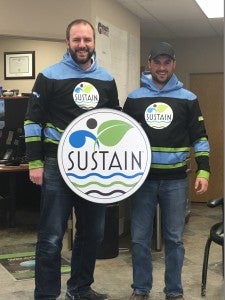
Land O’Lakes, Inc.’s SUSTAIN® platform and related programs provide tools and training to ag retailers in best practices for fertilizer efficiency and soil health – including cover crops. Retail staff then bring this knowledge to the farmers they serve.
Environmental Defense Fund collaborated in the development of the SUSTAIN platform that is taking off. Thus far, 27 ag retailers have been trained, and food companies such as Smithfield Foods, Campbell and Kellogg are connecting to the SUSTAIN platform as a way to meet their corporate sustainability goals.
The SUSTAIN platform gives ag retailers an edge in effectively utilizing cover crops and provides practical farm-based solutions tailored to individual grower needs.
But other ag retailers are missing out – and would greatly benefit from providing cover crops as part of their offerings to customers and developing a sustainability program of their own for farmer customers.
Related:
How an ag retail program is scaling up sustainable practices >>
Want to bring ag sustainability to scale? Collaboration, not confrontation. >>
How this ag retailer is changing the entire U.S. food production system >>