Why Pennsylvania is moving forward to reduce methane pollution
Written By

Share
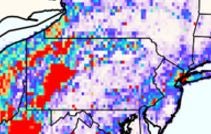
Recently the Pennsylvania Department of Environmental Protection (DEP) took an important first step to implement new requirements aimed at reducing methane emissions from new oil and gas operations.
Methane is the main component of natural gas – 51% of Pennsylvania households depend on it to fuel their homes. The more methane is wasted, the less there is to deliver to the PA communities that depend on it.
Methane pollution is a focus for Governor Wolf and the DEP for a number of reasons. Scientists estimate that methane is responsible for 25% of the man-made climate impact we experience today. The majority of methane emissions come from the oil and gas industry. As the second largest producer of natural gas in the nation, Pennsylvania has a duty to operate in a responsible and efficient manner by reducing its waste of this valuable domestic resource. In the Keystone State alone, oil and gas companies waste an appalling 100,000 tons of methane every year.
When less methane is delivered to the pipeline, that means lost revenue and less benefit to local economies. Last year alone Pennsylvania’s oil and gas producers allowed some $14 million worth of a valuable domestic energy resource to escape into the atmosphere, despite the fact that numerous analyses have shown industry can reduce up to 40% of methane emissions by implementing cost-effective technologies on the market today.
Besides contributing to climate change and resulting in massive energy waste, industry’s methane emissions have other implications for Pennsylvania communities. Air pollution from oil and gas facilities can contain toxic air pollutants like benzene – a known carcinogen – and other volatile organic compounds that exacerbate an already hazardous smog problem in many parts of the state.
Once in place, DEP’s efforts will reduce methane pollution from new facilities. However, more action is necessary to have any sort of real impact on reducing the massive amount of methane coming from the more than 100,000 active oil and gas facilities across the state. Governor Wolf has committed to taking action to reduce methane from these existing sources of methane emissions. If Pennsylvania’s leaders care about the economy, smart business, and the safety and security of Pennsylvania residents and communities, they should protect and defend cost-effective, common sense policies that can make the industry cleaner and more competitive.