






Setting a price on superpollutants: The economics behind cutting near-term climate pollution
Posted: in Cap and Trade, Climate Change, Economics, emissions, International, Markets 101, Social Cost of Carbon
Written By

Share
Climate economists are typically obsessed with modeling, pricing and reducing a specific molecule: carbon dioxide. Carbon dioxide pollution is the original villain that drives climate change and the extreme weather impacts that are already shocking our world. But beyond carbon dioxide, other polluting culprits behind climate change are rightfully getting increasing and urgent attention: methane and other superpollutants. It leaves an economist asking: how do we price actions on superpollutants to make sure we’re creating the biggest climate benefits with every dollar?
In my last blog post, I proposed pulling nature into the world’s compliance carbon markets as a major opportunity to start eliminating the 53 billion tons of climate pollution we need to cut. Protecting and restoring nature helps us store more carbon, and release less of it into our atmosphere where it would fuel climate change. This is a long-term investment in a more stable, safe future: Removing even a single ton of carbon dioxide from the atmosphere today delivers benefits for over a century or more.
But we’re already seeing the impacts of a warming world today, such as the extreme weather we are anticipating from a strong El Niño season this summer. As climate damages mount, and affordability looms large, the world is hungry for near-term, cost-effective climate solutions that can tackle warming immediately.
Enter superpollutants like methane (natural gas), hydrofluorocarbon (HFCs used in refrigerants and coolants) and black carbon (soot). These lesser-known pollutants also cause climate change, but on a different timeline than carbon. For example, emitting one ton of methane has about 80 times the warming effect as one ton of carbon over a 20-year period. But the warming effects of methane die off in a matter of decades, whereas the effects of carbon linger for centuries.
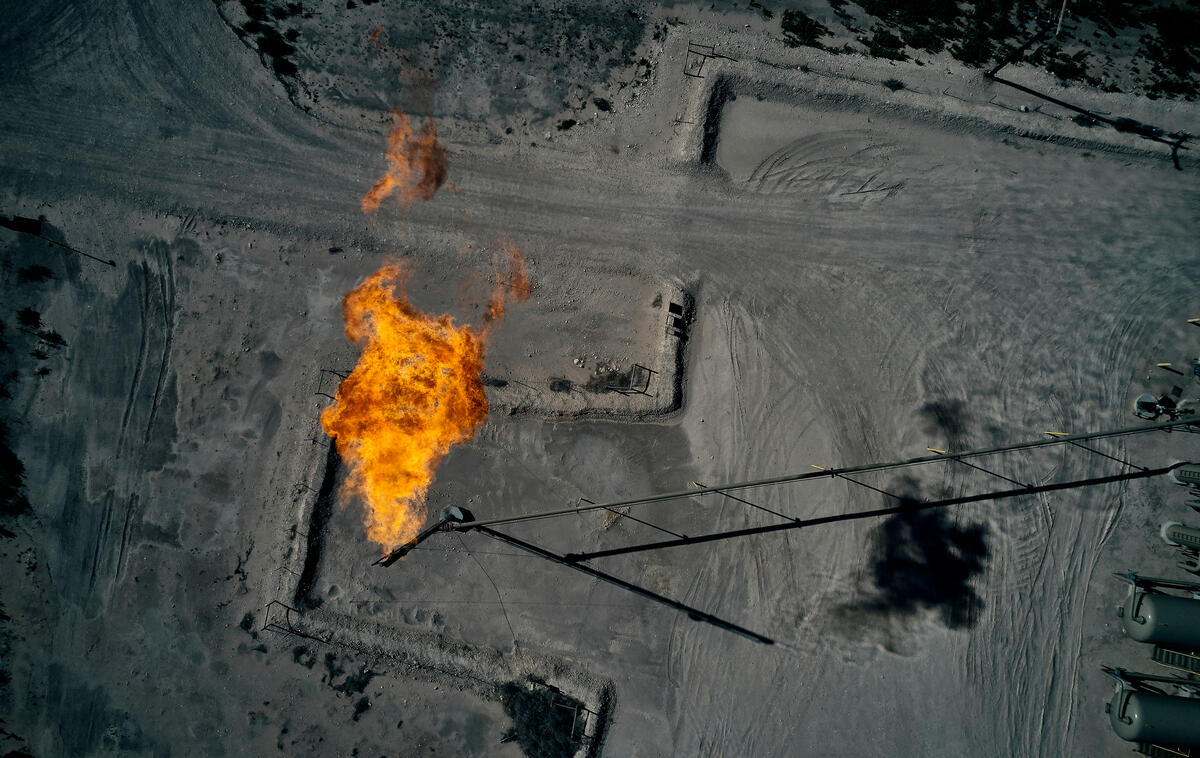
Most superpollutants have a similar pattern: severe short-term effects, but those effects die off rapidly. This is helpful to know because the reverse is also true: Avoiding emissions of superpollutants can have rapid cooling effects, so cutting them is one of the fastest, most reliable ways to slow warming in our own lifetimes.
We have the technology to make these reductions, so why haven’t we scaled these solutions already? In many cases, we know how to find methane leaks, recover refrigerants, reduce soot and improve inefficient systems. The harder problem is economic: our markets and accounting systems do not yet consistently tell investors, companies and governments how to compare a ton of methane or HFC reductions with a ton of carbon dioxide reductions. Such an “exchange rate” between these pollutants is essential for building superpollutants into markets.
This observation raises a couple of important questions:
How important is it to cut superpollutants?
Or, more precisely, how much effort should we devote to cutting superpollutants versus carbon dioxide?
We can rely on decades of economics research telling us how much harm is avoided by cutting a ton of pollution. The data shows that cutting a ton of carbon dioxide avoids around $200 in harm (accounting for the benefits over time), and cutting a ton of methane avoids around $4,000 in harm (similarly accounting for the benefits over time). Values like these can help companies, governments, and even households make decisions about where to maximize their climate impact.
How much progress can we expect to make if we tackle superpollutants?
Today, methane and other superpollutants are causing about 45 percent of warming. If we were to completely cut away superpollutants, we could reduce our 53 billion ton pollution problem down by about 13 billion tons. That’s a huge contribution – larger than all emissions from the US and Europe combined – and it would rapidly cool the planet. Reducing superpollutants gives us an immediate edge in the fight against climate change by slowing warming in the next five to ten years. This could help us avert near-term economic losses from climate impacts, while buying us time to decarbonize harder sectors like heavy industry and aviation.
One hugely beneficial feature of superpollutants is that, generally speaking, people aren’t emitting them on purpose. A huge fraction of methane and HFC pollution are leaking at oil and gas facilities and infrastructure or cooling and refrigeration systems. If we can find the leaks (for example, with new sensors and satellites), we can often fix them easily.
How can we accurately price superpollutants in compliance carbon markets?
An economist would say that the hardest challenge in bringing superpollutants into compliance markets is not whether they matter, but how we can value them correctly. Carbon markets were built around carbon dioxide, which stays in the atmosphere for a very long time. But because superpollutants cause damage on a very different timescale, we cannot simply “price” a ton of methane or an HFC the same way we price a ton of carbon dioxide. We also should not rely on shortcuts that capture only part of the story.
One approach is to ask a practical question: how much climate damage do we avoid when we reduce one pollutant compared with another? That framing allows us to value reductions based on their real-world benefits, including timing, scale and avoided harm, rather than relying only on physical warming metrics over arbitrary time-scales.
Getting this right matters because markets need a common yardstick. Companies, governments, philanthropies and investors are increasingly looking for climate solutions that are fast, measurable and cost-effective. But without a clearer way to compare different kinds of pollution reductions, capital will not always flow to solutions that can deliver the greatest benefit per dollar. That is the beauty of bringing superpollutants more fully into compliance markets.
Where carbon markets already exist, we should create ways for high-quality superpollutant reductions to be valued alongside carbon dioxide reductions using economically sound methods. Where markets do not yet exist, exchange-rate pricing can help decision-makers compare options and identify the most cost-effective opportunities.
The scale of the opportunity is significant. Our preliminary evidence suggests that up to 7 gigatons of superpollutant reductions, on a CO₂-equivalent basis, could be achieved globally at or below a reasonable benchmark price. That is why getting the economics right matters: it can help direct money toward the fastest, most affordable reductions available now.
The idea is simple. The world needs to cut climate pollution quickly and affordably so we need a way to compare very different solutions on common terms. That does not mean treating every pollutant the same. It means valuing each reduction in a way that reflects the damage it avoids and the speed at which it helps.
There’s growing demand—especially from big tech and global consumer brands—to invest in climate solutions with immediate, measurable impact.
Addressing superpollutants is attractive because:
- they can move ahead outside of direct regulation
- they are amenable to inclusion in compliance carbon markets
- generally speaking, these emissions are unintentional and avoidable
- we now have the technology to “see” them with cameras and satellites
- their avoided harm is often 20 times larger than that for carbon dioxide
- the right economically-grounded exchange rates can help us maximize our climate progress per dollar spent.
EDF and our academic partners are building exactly the framework the world needs right now: A blueprint grounded in science and economics for pricing, valuing, and investing in the most powerful climate solutions available, including ones to address superpollutants. We believe that by taking this surgical, rigorous, “Moneyball” style approach to climate action, we will make rapid, lasting climate solutions that support economic growth and don’t break the bank.
Explore the full series
See how smart economics can help cut climate pollution quickly, affordably and at scale:
- Climate Change Is a Math Problem. The Solution Is Smart Economics.
- Cutting Pollution Is Cheaper Than Paying for the Damage It Causes
- Nature’s Market Moment: Turning Ecosystems into Economic Climate Assets
- Setting a Price on Superpollutants: The Economics Behind Cutting Near-Term Climate Pollution
Watch: EDF Explains
Interested in a video overview? Watch the EDF Explains video on YouTube.