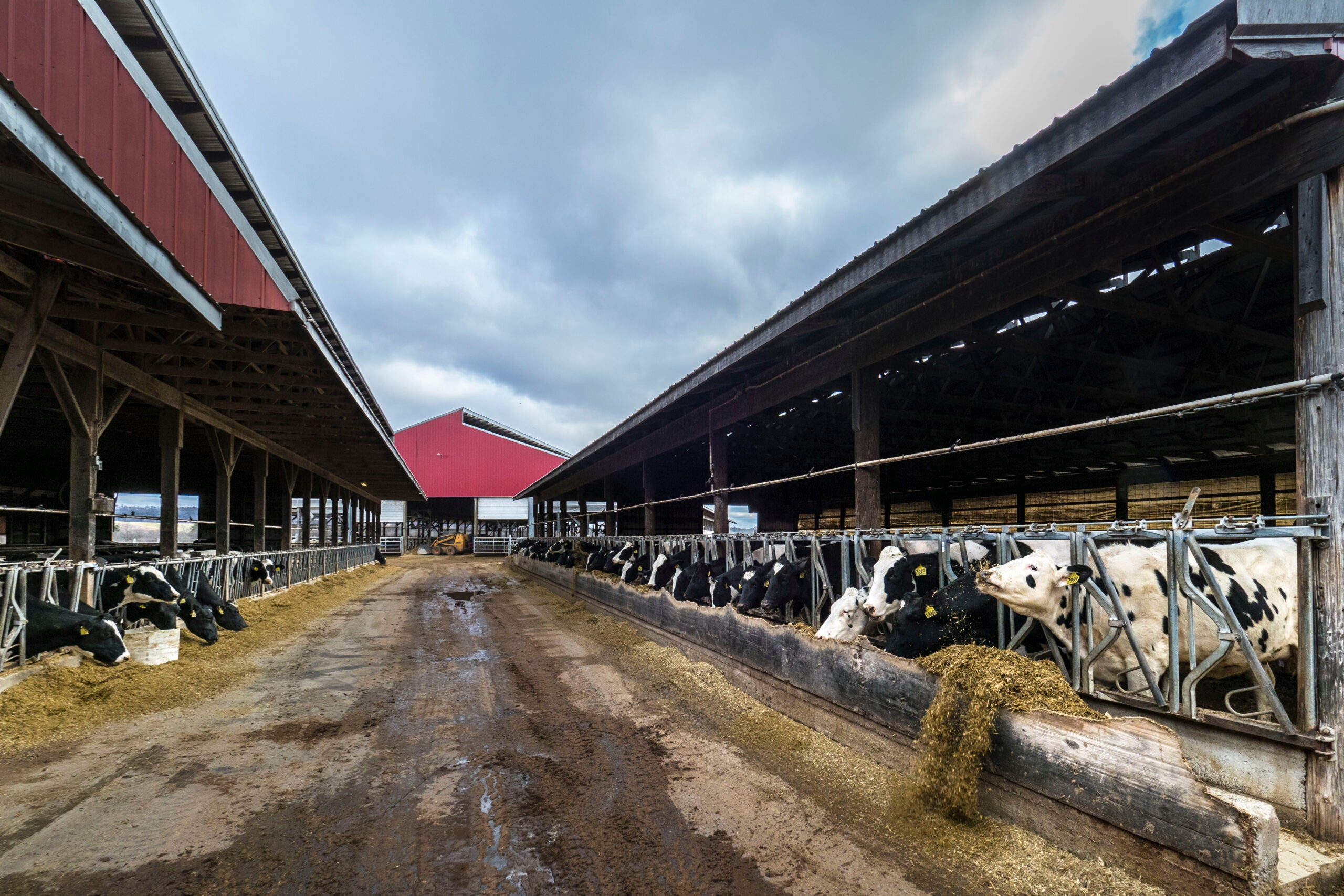
Corn is a common hog feed
First, the facts: We will have 9 billion people on the planet by 2050. That’s 2 billion more than we have today – stretching Earth’s land and water resources to meet nutritional needs in a dramatically changing climate.
In the United States, the Environmental Protection Agency calculates that agriculture is the fifth-largest source of greenhouse gas emissions, contributing 8 percent of total GHGs. Fertilizer use and soil management are responsible for half of those emissions.
Next, the challenge: Many farmers encounter difficulties in determining the precise amount of nitrogen fertilizer their crops need. It gets tricky. Using too little fertilizer can limit crop production. Too much fertilizer pollutes water and emits a potent greenhouse gas called nitrous oxide, which is 300 times more powerful than carbon dioxide.
The stark reality is that crop production must increase approximately 70 percent by 2050 to feed our growing human population. We cannot choose between agricultural productivity and sustainability — we must have both. Read More
There’s a growing excitement around spreading compost on rangelands to help fight climate change. Over the past four years we have learned that grazed rangelands are really good at pulling carbon out of the air and sequestering it in the soil below. And if you add compost just one time, you can capture carbon dioxide from the atmosphere for more than seven years. Plus, you’ll increase both the quality of the grasses and the ability of the soils to hold water. If we scaled this to just 5 % of California’s rangelands, we could capture approximately 28 million metric tons of carbon dioxide per year, which is about the same as the annual emissions from all the homes in California.