Climate change solutions
We deliver game-changing environmental solutions that have a real impact for people around the globe.

Building resilient land and water systems that allow people and nature to prosper in a changing climate.
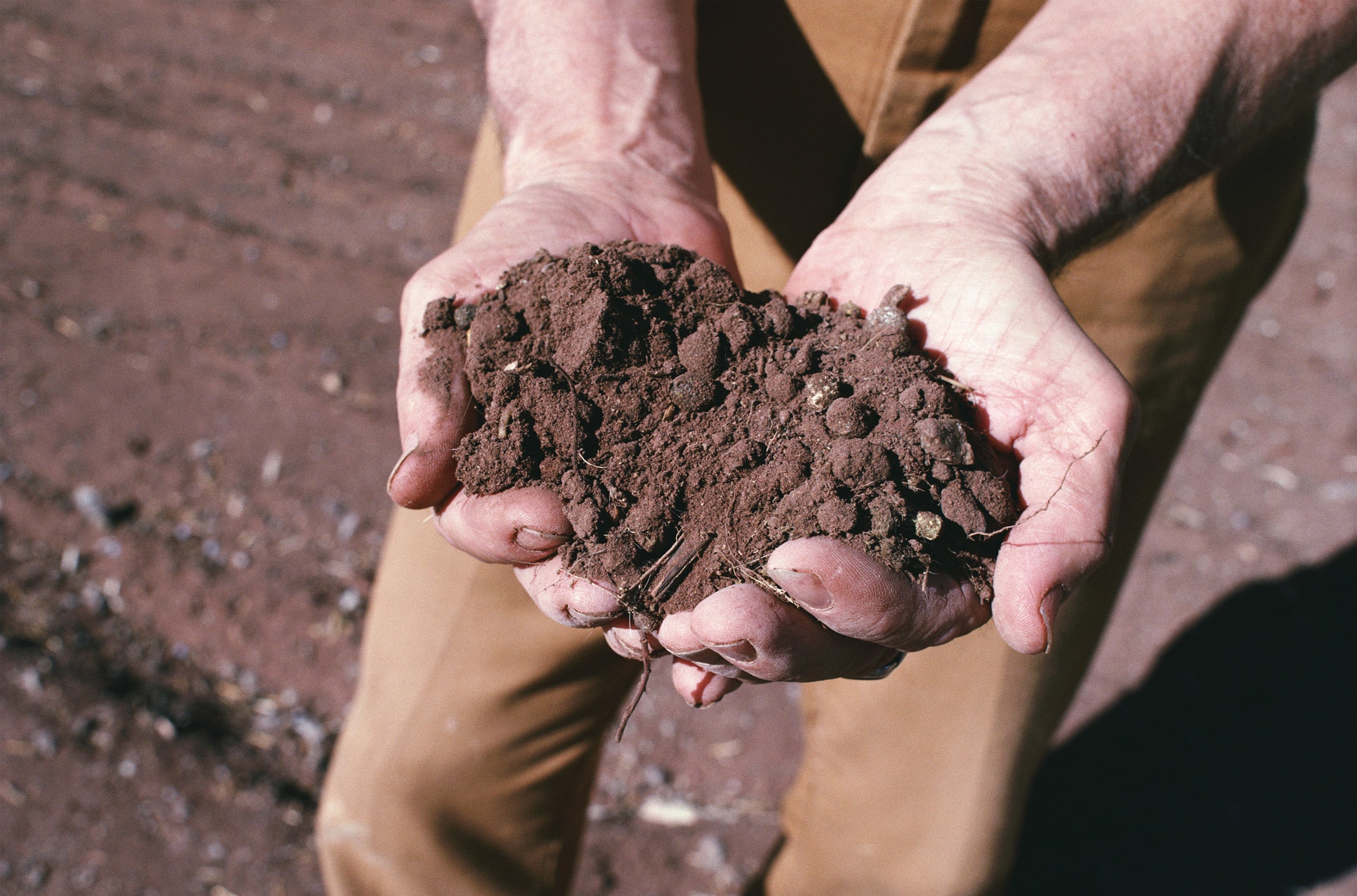
Last year, the United Nations General Assembly declared December 5th as World Soil Day. This annual event aims to “connect people with soils and raise awareness of their critical importance in our lives.”
As the Food and Agriculture Organization of the U.N. notes, we often ignore soil’s key role in our food systems, climate, and in sustaining biodiversity. Today, 33 percent of the planet’s soils are considered degraded – and this has vast implications for meeting the world’s growing demand for food.
In honor of World Soil Day, I asked Nick Goeser, Ph.D., soil health and sustainability manager for the National Corn Growers Association, to elaborate on why soil really matters.
How is soil health tied to food production? (more…)
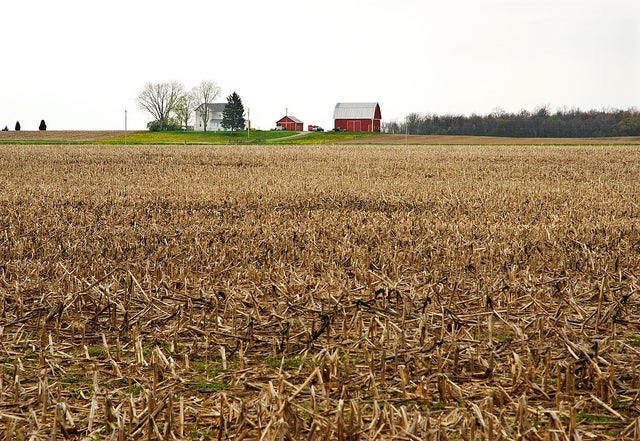
The Ohio General Assembly will vote next week on legislation that aims to address the problem of nutrient pollution, which was responsible for a massive algae bloom in Lake Erie that contaminated the drinking water of more than 400,000 Ohio residents this past August.
In short, the bill would ban application of fertilizer on land that is frozen, covered by snow, saturated with rain, or when the weather predicts a certain amount of rainfall. Those who violate the ban could face penalties of up to $10,000.
Policies that set rational ground rules for when farmers can apply fertilizer to their fields and that create real incentives to reduce nutrient pollution are important, but it’s going to take more than legislation to solve the runoff problem. (more…)
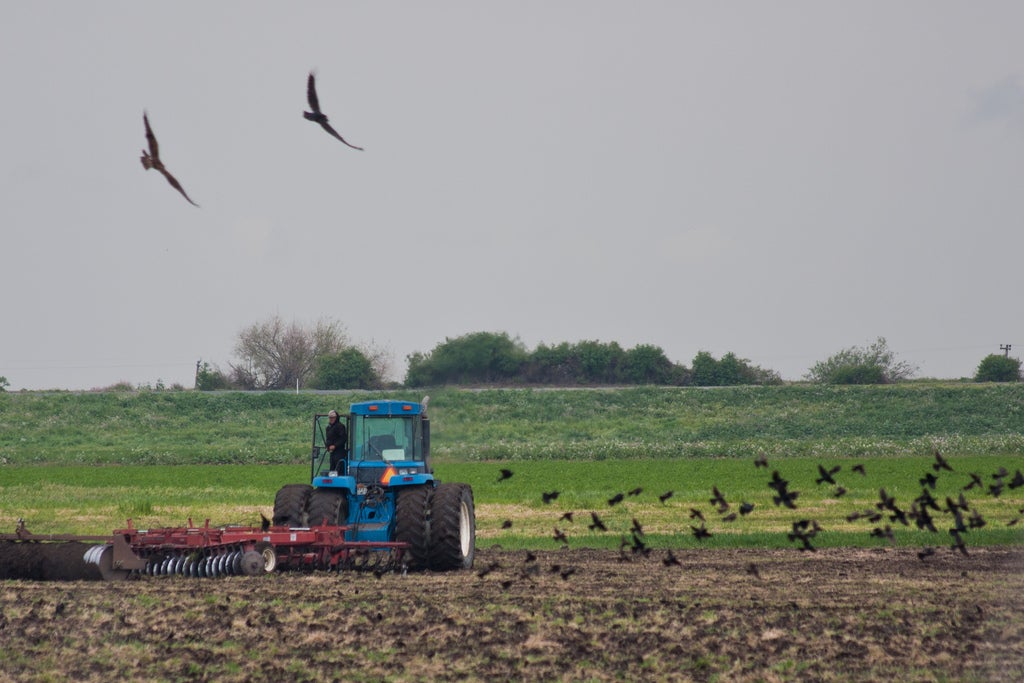
At Environmental Defense Fund, we believe in the power of incentives to drive agricultural sustainability. That’s why we support emerging markets like California’s Central Valley Habitat Exchange and the state’s fledgling cap and trade market, which will soon allow rice growers to earn extra revenue.
Both markets reward farmers for improving the environment in specific ways.
The Central Valley Habitat Exchange, when it becomes operational, will allow farmers who create enhanced habitat for at-risk species to sell credits to businesses and agencies that need to meet conservation goals.
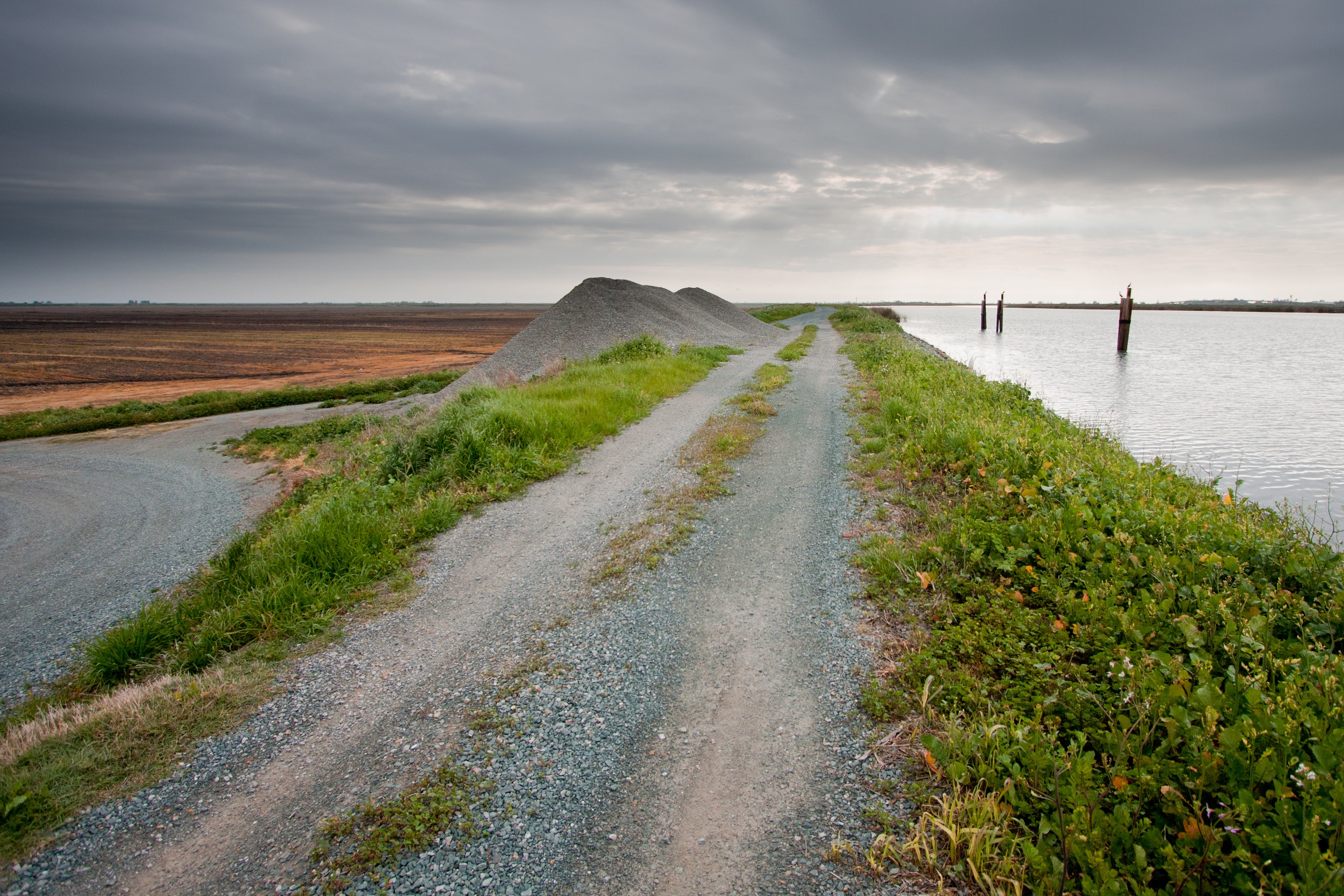
Now that voter passage of a $7.5-billion water bond is firmly set in California’s rear-view mirror, it’s time to look forward and map out the road before us. How will the money be spent, and where will it drive change?
Beneficiaries of the new law will be vast, to be sure, but a good chunk of change is slated to support farm communities while restoring habitat and freeing water up for the environment. Here’s how:
$900 million for groundwater sustainability
This funding has the potential to improve the quality and reliability of groundwater resources that many agricultural communities across the state depend on. It is designed to ensure that projects are prioritized based on several criteria, including how the project will prevent the spread of groundwater contamination into storage areas, how the project will impact local water supply reliability, and whether the project can recharge vulnerable and high-use groundwater basins.
 Isn’t it nice when somebody steps forward boldly to do the right thing and is rewarded for doing so? General Mills did just that for United Suppliers and the SUSTAIN platform, which will help farmers improve nitrogen use efficiency and productivity.
In July, General Mills put out a call for proposals to help the company meet increased production needs in ways that contribute to cleaner air and water.
It was almost like a future posting in sustainability want ads: “General Mills, a 17+ billion dollar food company, has the following need: Seeking best practices in nitrogen fertilization (nitrogen optimization) technologies for sustainable agriculture.”
The company recognized the pressing need to limit nutrient losses while also helping farmers produce more of the wheat, corn, soybeans and other crops it needs to make the products we buy.
And the winners are….
(more…)
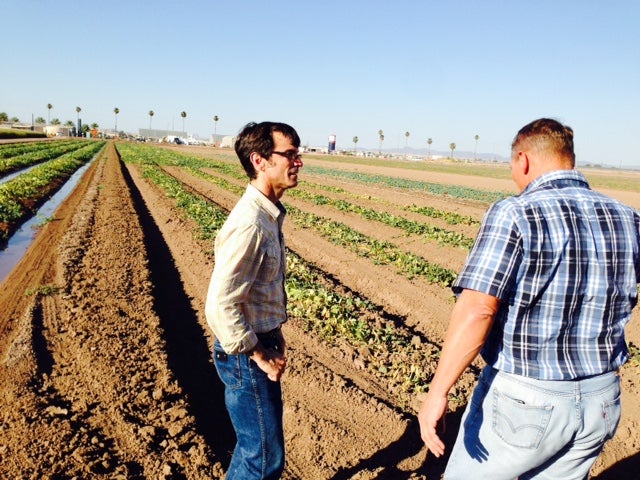
Mark Bittman and Michael Pollan have done a huge service with their writing by shining the spotlight on the way we produce and consume what’s on our plate. Together, the two have elevated the national dialogue on food. As they correctly point out in their recent Washington Post op-ed, the food industry touches everything from our health to the environment.
Agriculture sustains us. But agriculture also emits more greenhouse gases than all our cars, trucks, airplanes and trains combined. It consumes more than 80 percent of the world’s fresh water supply and pollutes rivers with fertilizer runoff that creates dead zones downstream. When we clear grasslands and forests to produce more food, we accelerate the loss of biodiversity. And yes, our diets have contributed to a rise in obesity.
The challenge is clear. We need to feed a growing population, but how do we do it without killing the planet in the process?
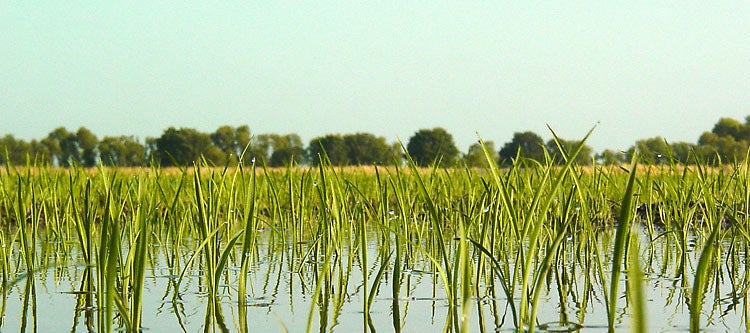
The California Air Resources Board (ARB) has been developing the first crop-based protocol that will allow U.S. rice growers to participate in California’s cap-and-trade program. The final draft of the standards – a product of meticulous research and stakeholder input – is now out for review.
There’s a lot to like in the draft, which demonstrates the ARB’s diligence in developing a greenhouse gas reduction program that is good for both farmers and the wildlife that depend on rice fields for habitat. Here are my five highlights:
1) It creates a new revenue stream for farmers: Rice farmers across the U.S. can volunteer to implement one of three methods included in the protocol – dry seeding, early drainage, or alternate wetting and drying – to reduce their greenhouse gas footprint. In doing so, they will be able to generate offsets to sell in California’s carbon market, providing revenue for growers while contributing to the state’s clean air goals.
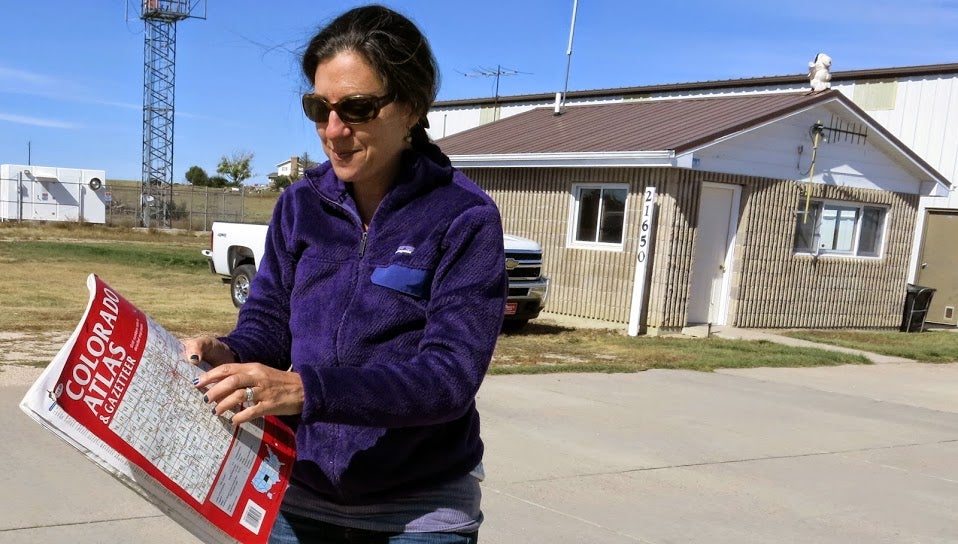
I’ve been a student of water use, storage and transportation for decades, but never before have I seen the collection and diversion systems from the air, other than a glimpse of a big reservoir from a commercial jet. That is, not until a few weeks ago, when I had the extraordinary opportunity to fly with a LightHawk volunteer pilot to see Colorado’s waterworks from the air.
Seeing the landscape from above gave me a completely new perspective.
The point of my trip was to see the effects that Colorado’s urban growth – with its increasing urban water demands – is having on the state’s working lands and rivers. One view painted a very clear picture: a footprint of idled farmland in Rocky Ford, Colorado.
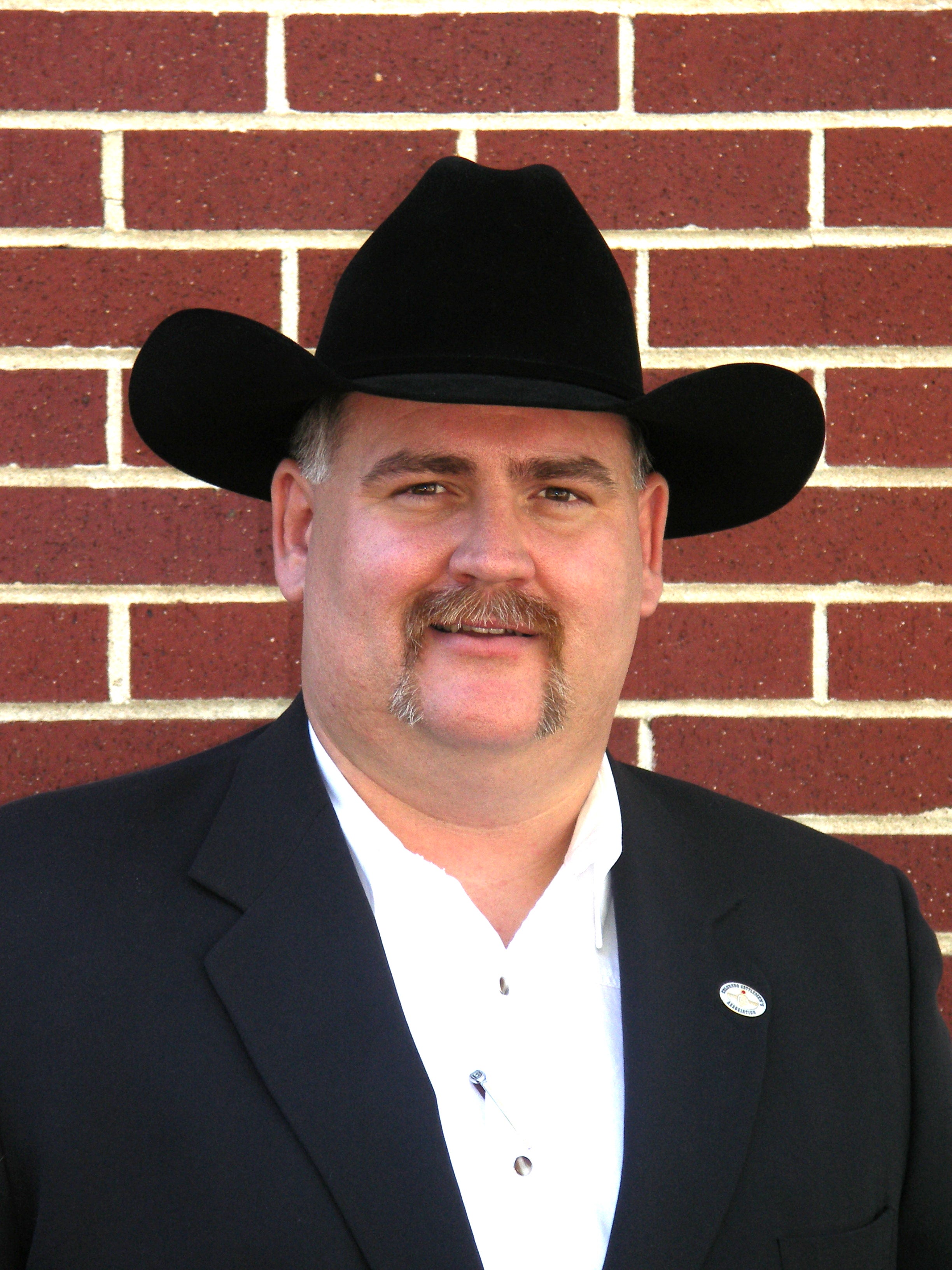
Terry Fankhauser is a rancher and executive vice president of the Colorado Cattlemen’s Association. He is also a board member and executive director of Partners for Western Conservation, which seeks to implement market-based conservation services that benefit wildlife and the economy.
Terry joined me and other conservation colleagues last week in Washington, D.C., to discuss habitat exchanges at the National Workshop on Large Landscape Conservation. I asked him to give us a recap of the discussion and to tell us why he got involved in the development of exchanges.
Why were you in D.C. last week?
I took the opportunity to travel to Washington to convey the message that agriculture producers are investing time and resources into developing conservation markets like the Colorado Habitat Exchange. We are just as interested as other parties in addressing conservation concerns, regulatory challenges and the ongoing need for viable businesses that drive our economies.
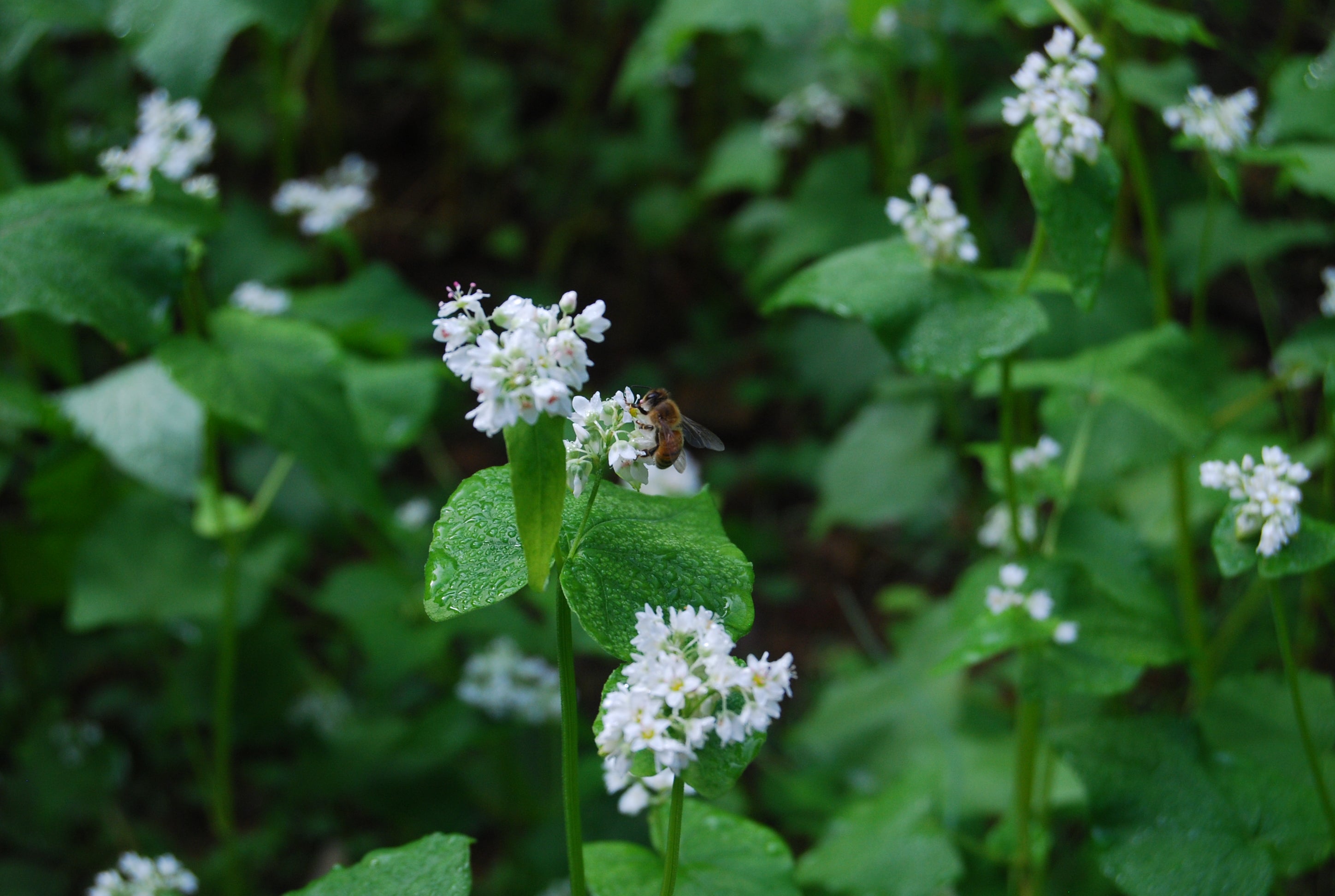
The harvest season is ending, but for many growers concerned about the health of their soil, it is time to plant cover crops. I am not a farmer, but I wondered: if cover crops work for farmers, would they improve the soil in my North Carolina kitchen garden?
So late this summer I planted a buckwheat cover crop on half of my garden. I’ll be honest. My record as a gardener is spotty. This year we had a bounty of tomatoes and volunteer pumpkins, while nothing else thrived. A cover crop could improve my soil and my harvest next summer.
Cover crops offer big benefits
On farms, cover crops include grasses and grains such as cereal rye, legumes such as crimson clover, and broadleaf plants like radishes. They are not harvested like corn or soybeans. Instead, they are left in the field or incorporated into the soil.