Climate change solutions
We deliver game-changing environmental solutions that have a real impact for people around the globe.

Building resilient land and water systems that allow people and nature to prosper in a changing climate.
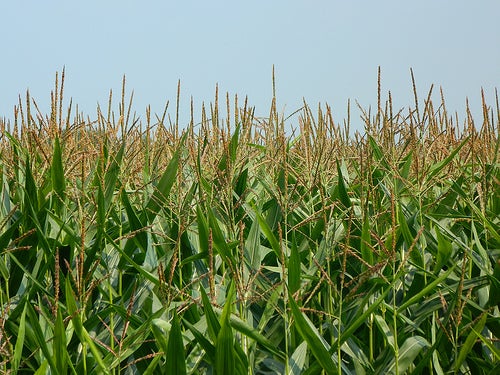
There is no shortage of news about the contamination of drinking water sources caused by fertilizer run-off from agriculture. And there is no shortage of regulatory responses to these events: Ohio and Michigan’s commitment to reduce phosphorus levels in Lake Erie by 40 percent; the nitrate lawsuit in Des Moines, Iowa, and Monday’s ruling on the Environmental Protection Agency’s authority to enforce total maximum daily load specifications for the Chesapeake Bay.
In addition, food companies wanting to source sustainably grown grains to meet that consumer demand and reduce their own supply chain risks are sending the same signal, further shining the spotlight on the growing demand for improved environmental outcomes from how we produce food.
If farmers can help meet these demands by being increasingly efficient with nutrients and protecting their soils, they will see nearer term benefits and possibly stem future regulations. Here’s why:
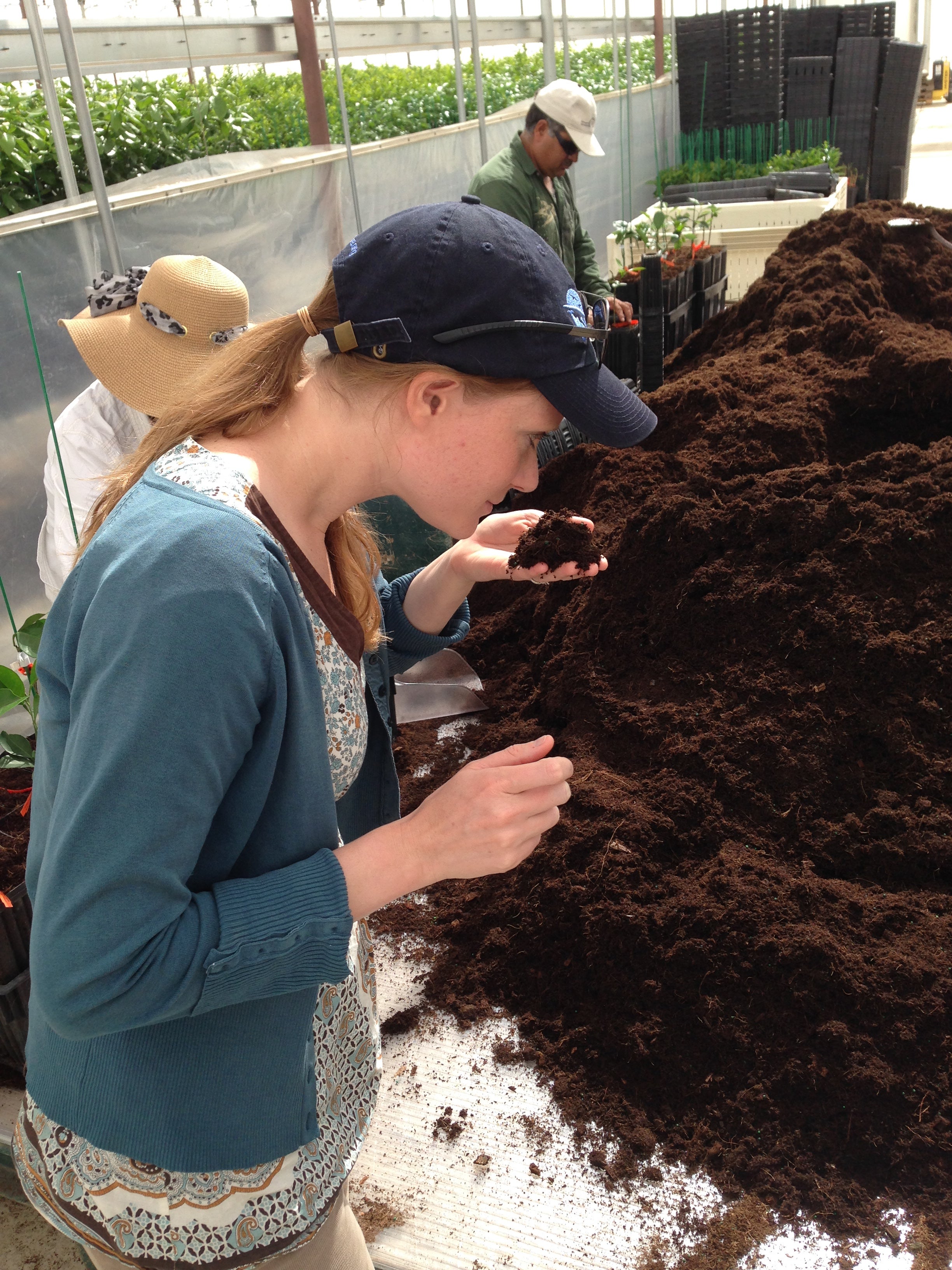
Putting yourself in the boots of a California farmer will give you a whole new perspective.
That’s why I recently spent a few days alongside Matt Fisher, a citrus grower in Kern County, California – to better understand growers’ challenges and concerns, and to rethink how environmental groups and farmers can achieve shared goals.
The experience was part of a farm exchange program offered through the California Agricultural Leadership Foundation, which facilitates learning opportunities on California farms.
With a record-breaking drought in California, tensions between environmentalists and farmers run high, and finger pointing is everywhere. But that isn’t getting us anywhere. The time I spent on Matt’s farm gave me new inspiration to break down barriers, put aside stereotypes, and work together. (more…)
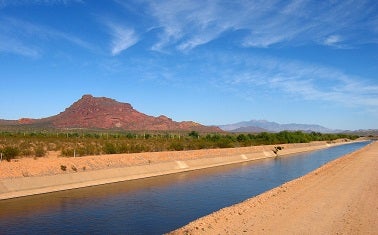
The crippling drought in the American West is now making headlines daily and the stories are raising a collective awareness of the unfolding crisis – as The New Yorker did recently when it chronicled the plight of the Colorado in Where the River Runs Dry.
If there’s a silver lining to the Western water crisis, it’s that governors, state legislators and federal policymakers are finally taking action to ensure a reliable water supply.
These are welcome actions – except, top-down government mandates, while sometimes necessary, won’t result in the durable change we need to move from scarcity to sustainability.
Top-down mandates only work as long as there is political will to enforce them. In order to crack open the ossified structure that has dictated unsustainable water policy for more than a century, we need to build ground-level support for flexible solutions that benefit everyone – including cities, agriculture and, of course, the environment. (more…)

Producers and environmental groups haven’t always been the best of friends. That’s why, when I got an internship this summer with Environmental Defense Fund (EDF), my mom was more than a little uneasy.
My mom, Kay Johnson Smith, is president and CEO of the Animal Agriculture Alliance, a non-profit group that supports producers and promotes better consumer understanding of modern animal agriculture.
After learning more about EDF, my mom eventually came around to the idea of my working for a conservation organization. That’s because I shared with her EDF’s mission and explained that the organization works with producers to meet the growing demands for food in ways that also improve the environment. I’m happy to say that she now is pleased to see me working to bridge the gap of skepticism between producers and environmental groups.
As part of EDF’s effort to work with diverse partners and to share their voices, I asked my mom to share what motivates her work and her vision on the role of sustainability in U.S. agriculture. (more…)
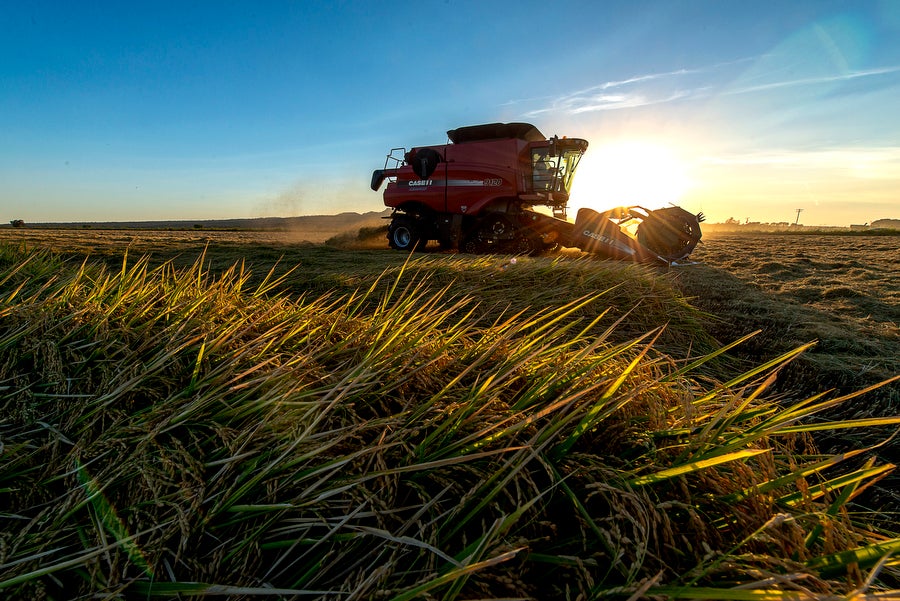
The door is officially open for crop-based farmers to participate in carbon markets and earn new sources of revenue. The California Air Resources Board (ARB) just approved a new protocol for rice growers, representing the first ever carbon offset protocol for crop-base agriculture in a compliance market.
This means rice growers who implement conservation practices to reduce methane emissions can create and sell a greenhouse gas credit, commonly referred to as a “carbon credit.” Regulated California companies needing to reduce their emissions under California’s cap-and-trade program can now buy rice growers’ carbon credits.
The rice protocol milestone marks a new chapter for sustainable farming and shows the central role agriculture can play in solving the climate challenge.
ARB can now move forward in developing other agricultural offset protocols. The most interesting is a nutrient management protocol that would reward farmers who reduce nitrogen fertilizer losses to the air.
This “fertilizer protocol” has enormous potential for farmers and the environment – more than 400 million acres of cropland could be eligible for participation, and growers could contribute millions of tons of greenhouse gas reductions.
Here’s how the rice protocol works. (more…)
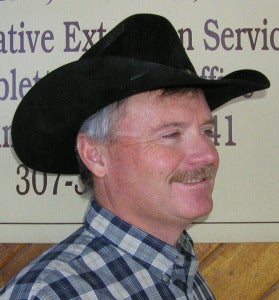
A landowner-led conservation effort in Wyoming has sparked a new market and has now created a new job.
The University of Wyoming recently announced the hiring of a new pilot administrator of the Wyoming Conservation Exchange, a voluntary, market-based program that seeks to enroll local landowners in landscape-scale conservation of greater sage-grouse, mule deer and hydrologic services.
Eric was formerly manager of the Sublette County Conservation District, where he played a critical role in developing the Wyoming Conservation Exchange with partners from the University of Wyoming, Environmental Defense Fund, the Wyoming Stock Growers Association and the Wyoming chapter of The Nature Conservancy.
In his new role, Eric will work with potential buyers and sellers of conservation credits to facilitate pilot transactions and market growth.
I asked Eric to share some thoughts on what drew him to this role and what he hopes to achieve over the next few months.
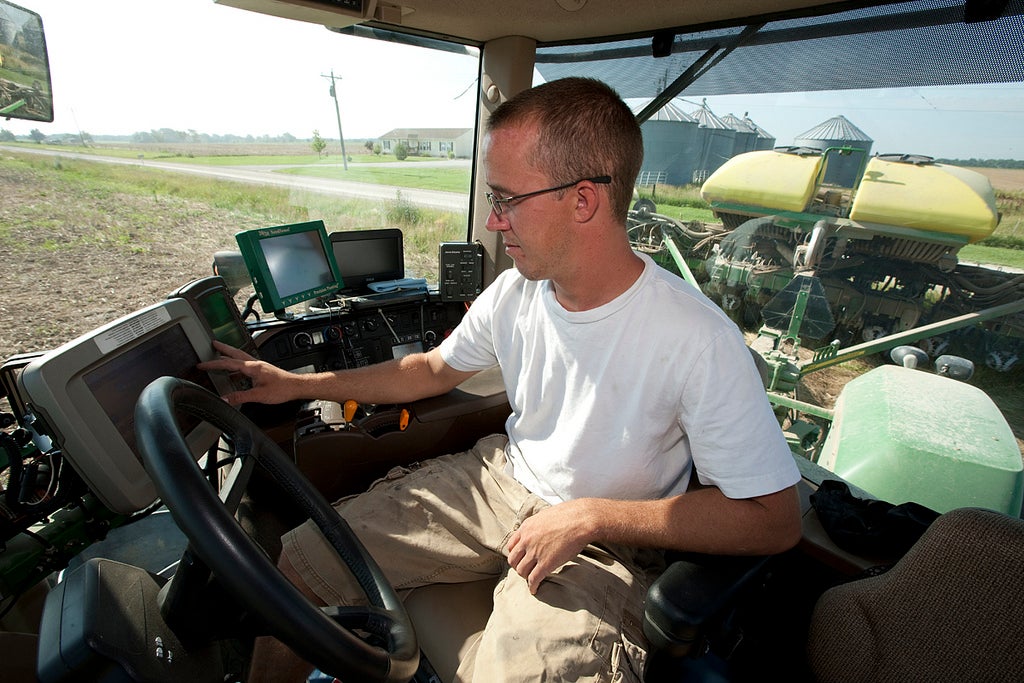
There’s new proof that precision agriculture is on the rise.
Earlier this month, CropLife magazine and Purdue University released a survey that found more than 85 percent of agricultural retailers plan on investing in precision agriculture services in the next year. And more than 15 percent of the 2,000 retailers surveyed will invest over $100,000.
This is good news for increasing fertilizer efficiency, because precision technologies can go a long way toward helping farmers know when and where to apply fertilizer. Applying fertilizer when, where, and in the amounts it’s needed can help save on input costs and reduce the environmental impacts that occur when excess nitrogen runs off into nearby waters or is released into the air.
But there’s a caveat – with so many precision agriculture tools available today and even more coming to market on a regular basis, how is a farmer to know what is best? Growers need to have confidence that precision ag tools will help them optimize their fertilizer use, improve their farm’s sustainability, and protect their yields. (more…)
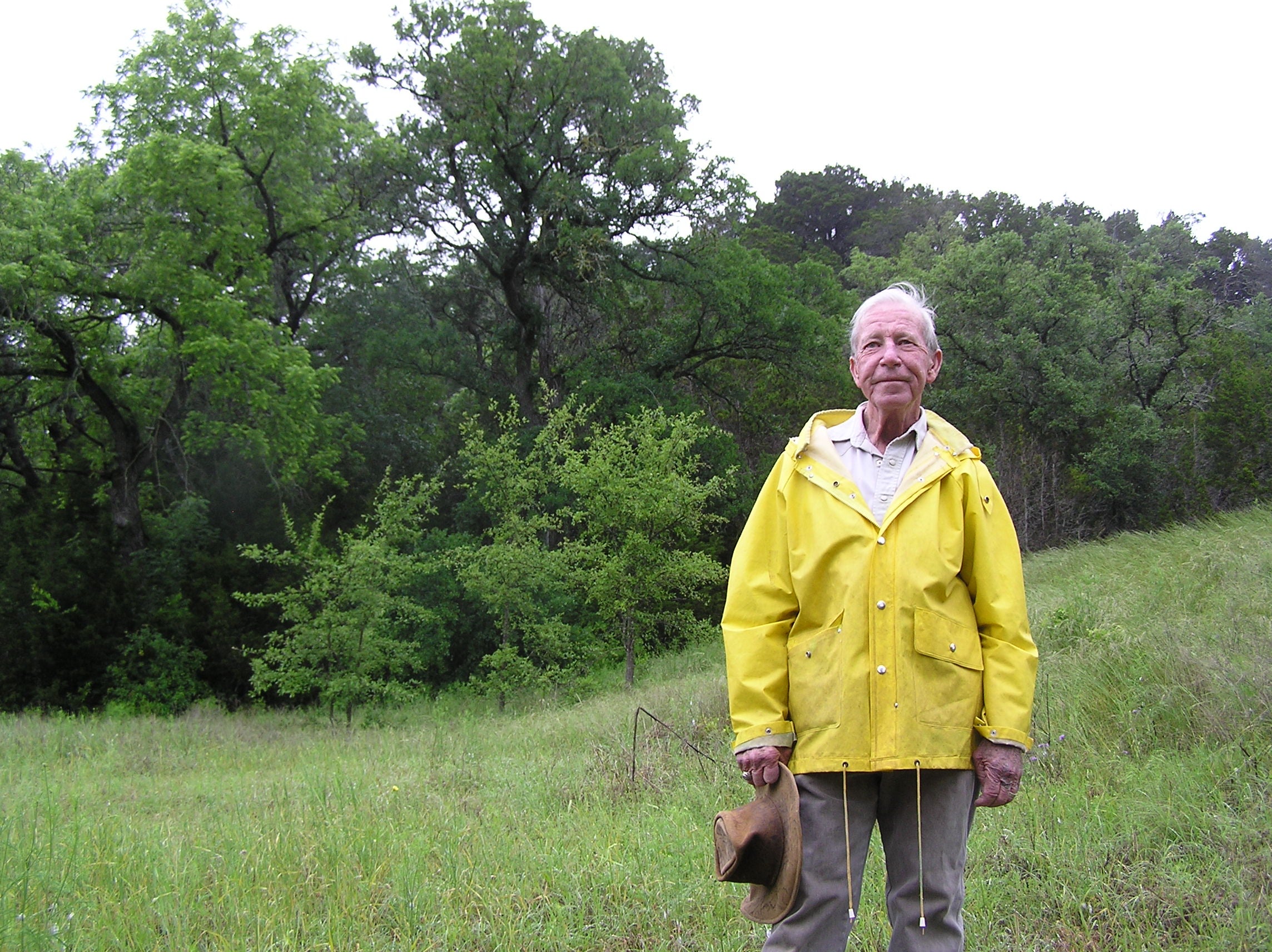
I’m going to take you back to 2005, to a ranch in the Texas Hill Country, where Dr. Gene Murph operates an 80-head cattle operation on 1,300 acres of rangeland.
The ranch is vast, with rolling hills and wooded ravines. The only sounds on the ranch are those of cattle mooing in the pastures and birds trilling in the trees. If you listen closely enough, you can hear the signature call of the golden-cheeked warbler. If you look closely enough, you can spot the bird’s sunshine-yellow face.
The golden-cheeked warbler was listed as an endangered species in 1990, making Dr. Murph’s ranch a vital stronghold for subpopulations, which nest at select sites scattered throughout 33 counties in central Texas.
Another nearby stronghold for the bird is the Fort Hood Army Base, only a few miles down the road from Dr. Murph’s ranch and home to the largest known population of golden-cheeked warblers. (more…)
 There’s a new reason to celebrate your favorite sugar cookie. The Campbell Soup Company has committed to fertilizer optimization in its sourcing areas in Ohio and Nebraska. These areas provide wheat for Campbell’s subsidiary, Pepperidge Farm – and the company will enroll an additional 70,000 acres into its fertilizer optimization programs by 2020.
Campbell will work with EDF to create additional fertilizer optimization and soil conservation programs for farmers, and will deploy United Suppliers’ SUSTAIN platform in these sourcing areas to help ensure farmers that changing their practices will not only reduce nitrogen runoff, but also protect yields and farm income. (more…)

Last week, leaders of the four federal agencies dealing most closely with issues surrounding the greater sage-grouse delivered a strong public message: As long as stakeholders continue to work together, we can save this bird and preclude the need for listing.
The message was powerful – not just because it was endorsed by four of our nation’s top thinkers on conservation, but because it was optimistic.
“We have seen what’s possible when we all pull our oars in the same direction,” they wrote.
This is a fundamental turning of the tides in the conversation around sage grouse. Previously, the dialogue has been pointed, with industry interests, agriculture interests and wildlife interests caught in crosshairs. But the discourse has changed, and it’s because the situation on the ground has changed. (more…)