









Lighting the Way to Energy Savings and Job Growth in North Carolina
Written By

Share
By: Greg Andeck, EDF senior clean energy manager, and Ivan Urlaub, executive director of the NC Sustainable Energy Association
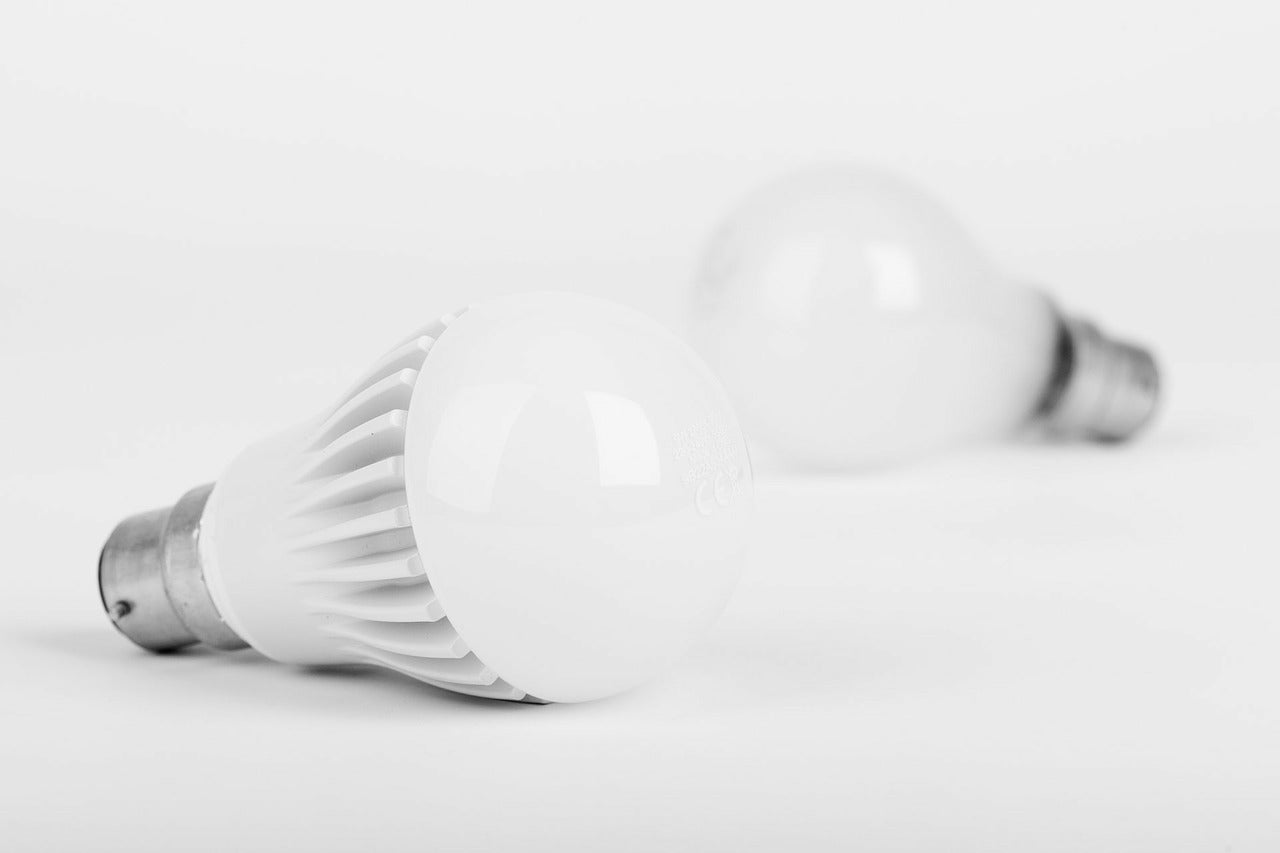 Rapid declines in the price of light emitting diodes (LED) technology suggest that the next generation of energy efficient lighting – LED bulbs – is on the verge of widespread adoption. LED bulbs will eventually make traditional, energy-hogging incandescent bulbs a thing of the past.
Price goes down, energy savings go up
In North Carolina, for example, one of the world’s largest LED bulb manufacturers, Cree, recently announced a new bulb that is up to 82 percent more efficient than an incandescent bulb. The bulb sells for about $8 at Home Depot, a price that means the bulb will pay for itself in energy savings in about a year.
That’s a smart energy choice in the home – and a bargain. In 2013, the same wattage LED bulb was about $13, illustrating the dramatic cost reductions that are occurring throughout the industry.
Companies adopt efficient lighting
Some of the largest companies in the world are beginning to make LEDs the default lighting choice in their buildings. Food Lion and Walmart, for example, have introduced LED lights into their in-store refrigerators in North Carolina. LEDs emit very little heat, reducing electric bills in the refrigerated section.
U.S. Army is on board
In the eastern part of North Carolina, one of the largest Army bases in the world – Fort Bragg – is installing LED bulbs in aircraft hangars. The energy savings could go toward providing soldiers with additional equipment and training.
UNC system plans lighting upgrades
In 2013, the University of North Carolina system earned recognition for its aggressive plan to make major investments in LED lighting upgrades across 13 campuses and four other state facilities. These investments are projected to save North Carolina taxpayers about $25 million over seven years.
It will still take time for LED bulbs to appear in every home and business, just as it did for cell phones and computers, but these real-world examples show that LED technology is gaining widespread adoption. Energy efficient lighting saves people and businesses money and spurs job growth in the growing clean energy industry. That’s a bright idea that everyone can get behind.