






States are taking action to stop future orphaned wells
Written By

Share
Summary
- Utah and New Mexico are showing how oil and gas-producing states can prevent future orphan wells before taxpayers are left with the cleanup bill.
- New financial assurance regulations in Utah and New Mexico are helping ensure that taxpayers aren’t stuck with the cleanup costs by keeping the closure responsibility for end-of-life oil and gas wells where it belongs, with the operator.
- These offer models for other states, including Texas, that need to strengthen end-of-life well management rules to prevent significant burdens on taxpayers, surface owners and the environment.
Utah and New Mexico have provided other oil and gas-producing states with a road map for addressing the long-standing and growing problem of orphaned wells.
By updating outdated well bonding requirements, both states are requiring oil and gas companies to set aside enough money to plug wells, rather than leaving taxpayers with the bill.
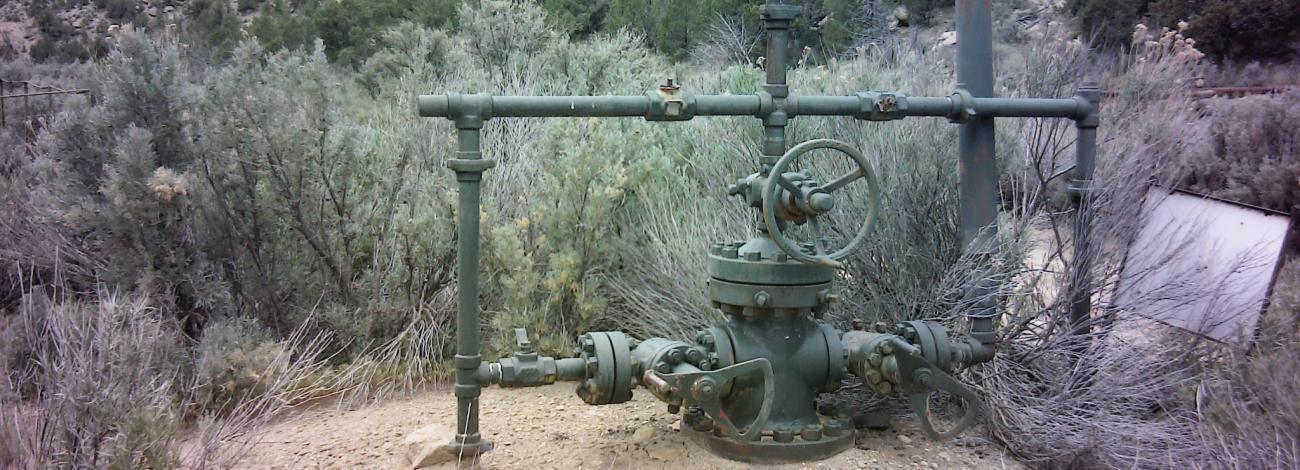
Orphaned wells, which no longer produce oil or gas, and no longer have a responsible operator of record, can leak oil, gas and other toxic chemicals into our air and water. If a company walks away from its legal duty to maintain and plug the well, the taxpayers are often saddled with the costs.
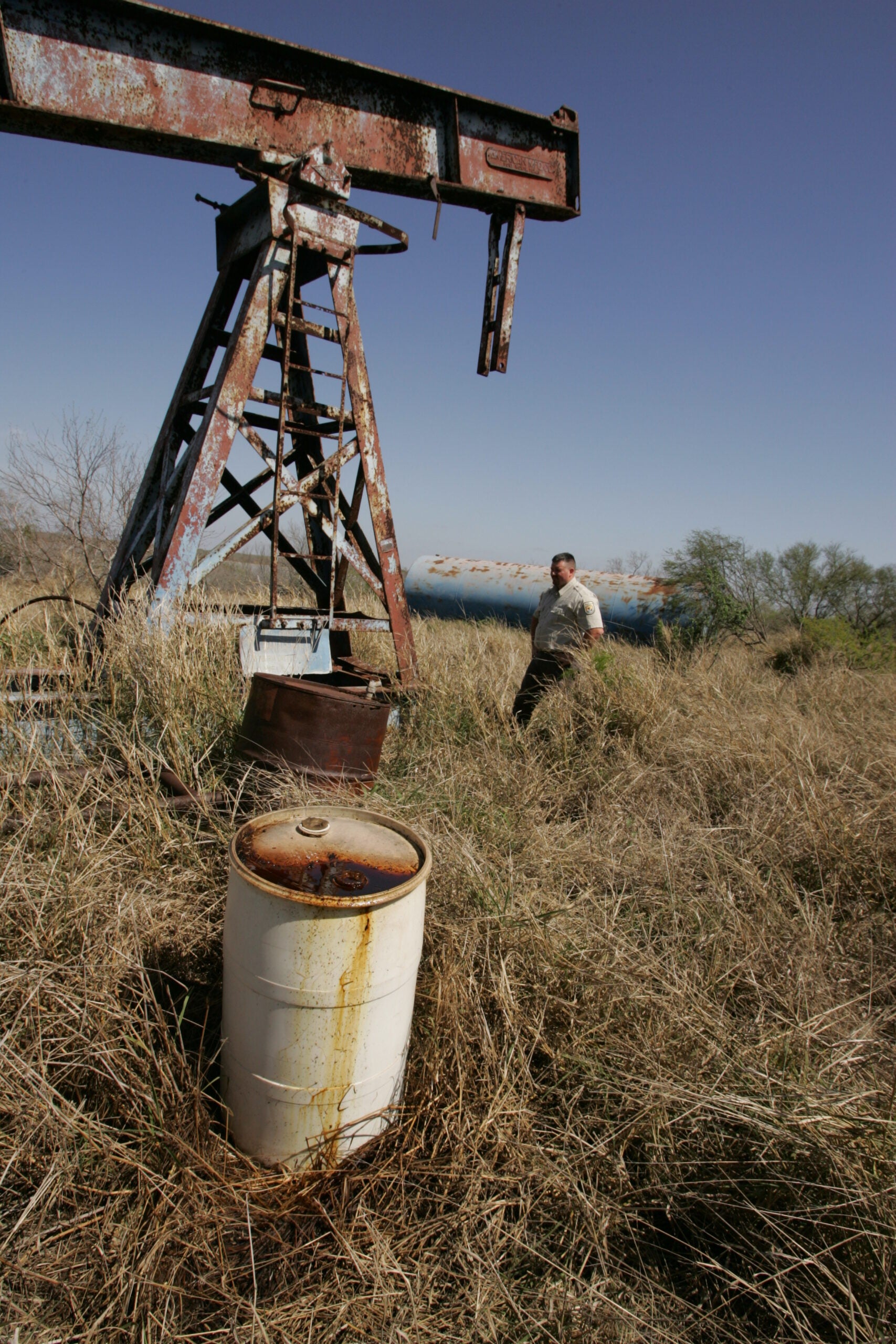
Federal investments under the REGROW Act have provided critical funds to find and plug existing orphaned wells, but plugging the backlog alone will not solve the problem. States also need stronger financial assurance, inactive well management and well transfer rules to keep today’s aging wells from becoming tomorrow’s orphaned wells.
What just happened in the world of orphaned wells:
In the last few weeks, we and our partners helped secure major wins in New Mexico and Utah that modernize antiquated bonding rules and help stop the orphaned well pipeline.
Both states took a risk-based approach to financial assurance requirements, applying amounts closer to the full cost of well closure for financially weaker operators and low- and non-producing wells, with the details tailored for each state. Both states arrived at the same key conclusion: blanket bonds covering multiple wells is a privilege, and not a right, and should only be available to operators who pose minimal risk of orphaning their wells.
New Mexico
- Updated bonding requirements to $150,000 per well for oil and gas wells at highest risk of abandonment (including low-producing and inactive wells) more closely aligning with actual plugging costs;
- Required operators with high-risk portfolios to post single-well bonding of $150,000 for all their wells;
- Strengthened well transfer rules to prevent poorly-funded or noncompliant operators from acquiring aging wells;
- Required marginal wells producing fewer than 90 barrels of oil equivalent in 12 months to demonstrate they still serve a useful purpose or properly plug them; and
- Tightened rules for inactive wells by requiring operators to show wells will return to production in the future.
Utah
- Tied financial assurance requirements to a company’s production levels and the number of wells that may be at risk of becoming orphaned;
- Required operators with larger near-term cleanup liabilities to provide more financial assurance. Companies with more low-producing or “at-risk” wells would be required to post higher bond amounts, while lower-risk operators could continue to pay lower rates.
- Limited the use of blanket bonds for operators with high orphan-well risk.
Texas is the next major test for orphaned wells
Later this summer, the Texas Railroad Commission (RRC) will begin rulemaking for SB 1150, a 2025 law designed to address the growing number of the state’s inactive wells.
In January, Texas surpassed its previous record of 11,000 orphaned wells and 115,000 inactive production wells, which the RRC estimates will cost more than $15 billion to plug. If these wells are allowed to become orphaned, Texas taxpayers could be stuck with the costs.
Under the new law, wells drilled more than 25 years ago cannot stay inactive for more than 15 years and must be plugged unless they receive an extension or an approved closure plan through 2040. The RRC is tasked with developing rules around this new law, including safeguards for transfers of inactive wells – stout ambition is warranted given the recent spike in this well population, the immediate precursor to orphaning.
Utah and New Mexico have shown that states can act before wells become orphaned. Texas now has an opportunity to build on those lessons by requiring adequate financial assurance, derisking well transfers and ensuring operators either return inactive wells to productive use or plug them.