







An open door isn’t enough: why community voices matter in energy decision-making
Posted: in General
Written By

Share
Summary
- Early, meaningful engagement can lead to stronger outcomes, greater trust and decisions that better reflect the needs of the people most affected.
- Accessible information, trusted communication channels and opportunities designed around people's realities help ensure community voices shape decisions, not just react to them.
Across the country, regulators are making decisions that will shape the energy system for decades as they navigate rising energy costs, growing electricity demand, grid modernization and the accelerating energy transition. Meaningful public participation helps build stronger evidentiary records, improve accountability and lead to better outcomes for communities.
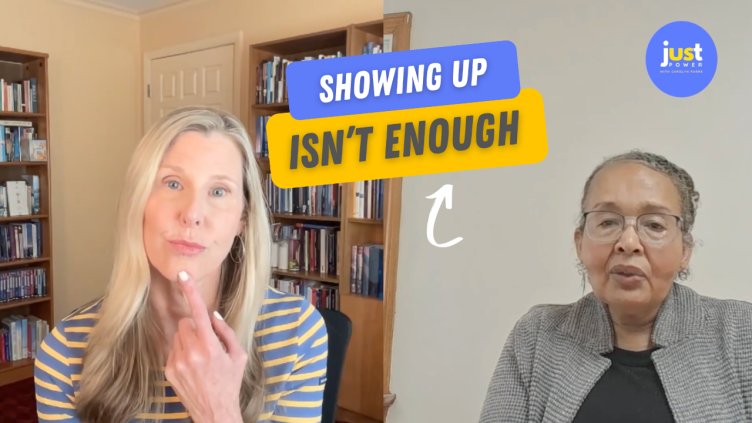
I recently joined Carolyn Parrs on her Just Power podcast to discuss why community voices matter in energy decision making and what regulators, utilities and advocates can do to help ensure those voices are heard. One message stood out: an open door is not the same as a seat at the table.
Most utility regulatory proceedings are open to the public. Anyone can attend a hearing, submit comments or follow a case. But meaningful participation requires more than access.
As a former utility commissioner, I saw firsthand how difficult it can be for community members to engage in complex regulatory proceedings. For residents already balancing work, family responsibilities and rising energy costs, participation can feel out of reach.
Strong records require diverse perspectives
Consider a grandmother who cannot afford to run her air conditioner during a heat wave and must sit in dangerous heat to keep her utility bill manageable. That story may never appear in a technical filing, but it provides critical information about how energy decisions affect real people.
Community members bring perspectives that data alone cannot capture. Technical data in energy proceedings gains meaning when combined with the experiences of people living with the consequences of regulators’ decisions, helping regulators understand the practical impacts of utility investments and energy policies.
Strong decisions require strong evidentiary records, and strong records are based on diverse perspectives.
Participation must start before decisions are made
To participate meaningfully, communities must be brought into the conversation before key choices are made, while their input can still shape outcomes. That requires providing clear information in multiple languages, sharing it through trusted communication channels and creating opportunities for participation that fit people’s daily lives.
Meetings should be held at times and locations that work for working families, caregivers and community leaders. People should not have to travel long distances or navigate complicated processes simply to understand decisions that will affect their lives. Meaningful engagement requires meeting people where they are and creating practical opportunities for participation.
Being heard matters
Being heard does not mean every recommendation is adopted. It means communities can see how their perspectives were evaluated and understand why decisions were made.
People deserve to know how their concerns are considered and addressed. Regulators may not agree with every recommendation raised during a proceeding, but participants should be able to see how their comments informed the final decision. Without evidence that their concerns were considered, communities’ trust erodes. Opposition to utility plans may increase. That is why meaningful participation requires transparency, responsiveness and accountability.
Progress is possible
Progress is possible when regulators intentionally reduce barriers to community participation in energy proceedings. In Massachusetts, recommendations from the stakeholder report Overly Impacted and Rarely Heard helped spur several important reforms, including an intervenor compensation program to support community participation in regulatory proceedings, expanded public outreach efforts and new resources to help residents better understand regulatory processes.
Massachusetts also strengthened language access at public hearings, established resources to help residents navigate regulatory proceedings and added environmental justice expertise to the Energy Facilities Siting Board. These reforms demonstrate that participation barriers can be overcome through thoughtful policy changes and sustained commitment.
Other states can learn from and adapt the Massachusetts progress. At a time when commissions across the country are confronting similar challenges, sharing lessons learned and building on proven approaches can help improve energy decision-making nationwide.
Building community voices in energy
Environmental Defense Fund is helping support strong energy decisions through Community Voices in Energy, a growing platform that provides resources, case studies and examples from across the country. Our goal is to help advocates, community leaders and residents better understand energy issues and participate more effectively in regulatory processes.
As the energy transition accelerates, states will be the focus of consequential decisions about affordability, reliability, who will be affected by infrastructure investments and who will have access to the benefits of a modernized electric grid. The people most affected by those decisions deserve meaningful opportunities to participate, be heard and help shape outcomes.
An open door is important. A seat at the table is better. But the strongest decisions are made when community voices help shape the conversation from the start.
Learn more about EDF’s Community Voices in Energy initiative at communityvoicesinenergy.org. Join our LinkedIn group to engage with others on this topic and to hear or share the Just Power podcast conversation.