









Low-producing, conventional wells’ high loss rates drag down Appalachia’s energy industry
Written By

Share
Summary
- According to the Appalachian Methane Initiative report, high-producing, unconventional wells have an average loss rate of just 0.09%, while conventional wells have an 18.3% loss rate—that’s 200 times higher.
- Conventional wells account for 97% of active wells but just 2% of the region’s gas production and more than 60% of its emissions.
By David Lyon, PhD
The second annual Appalachian Methane Initiative report offers two different tales for one basin: several operators of higher-producing, unconventional wells have successfully mitigated their methane emissions, while operators of lower-producing conventional wells have disproportionately high loss rates.
According to the study: unconventional wells have an average loss rate of just 0.09%, while conventional wells have an 18.3% loss rate — that’s 200 times higher. This lopsided phenomenon is particularly stark given that conventional wells account for 97% of active wells but just 2% of the region’s gas production and more than 60% of its emissions.
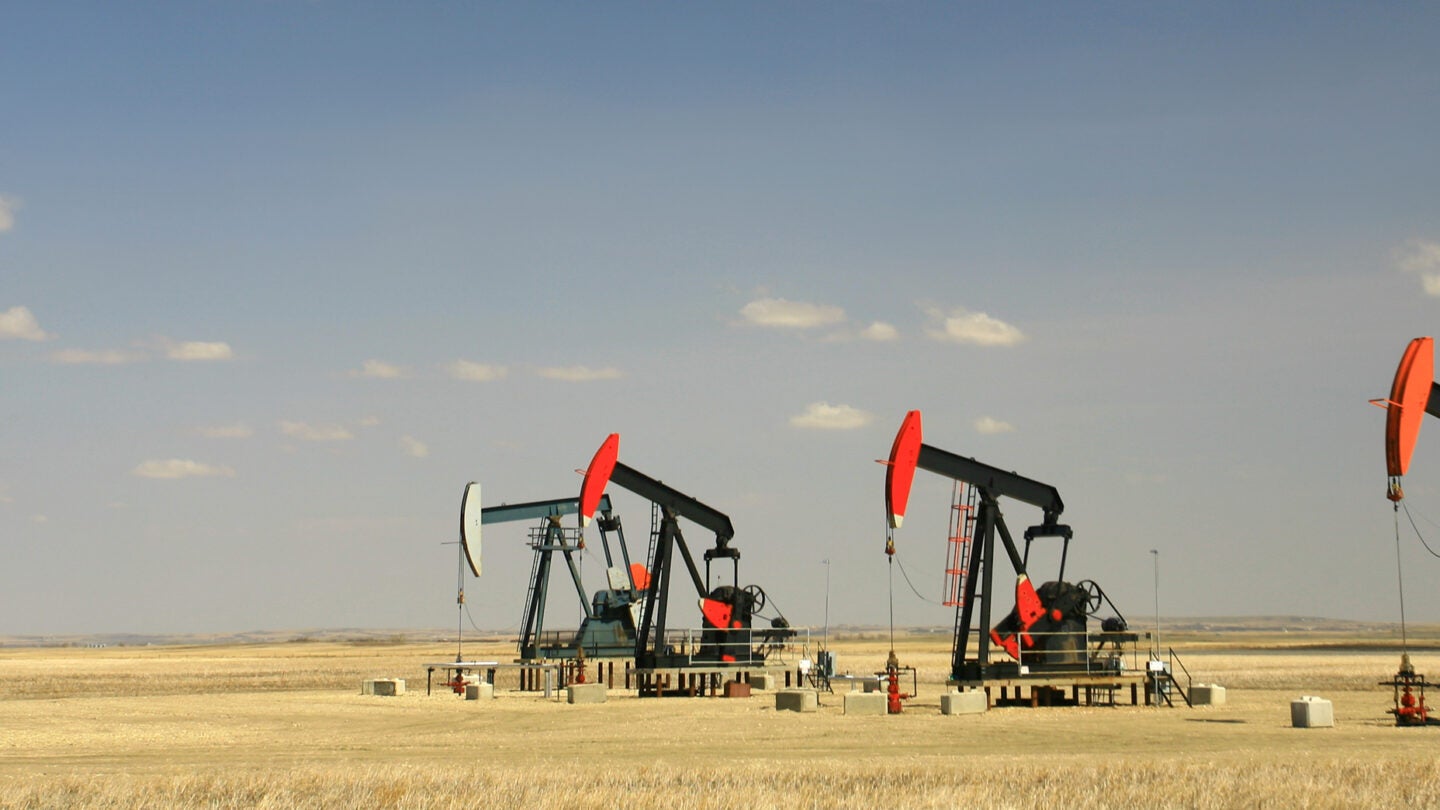
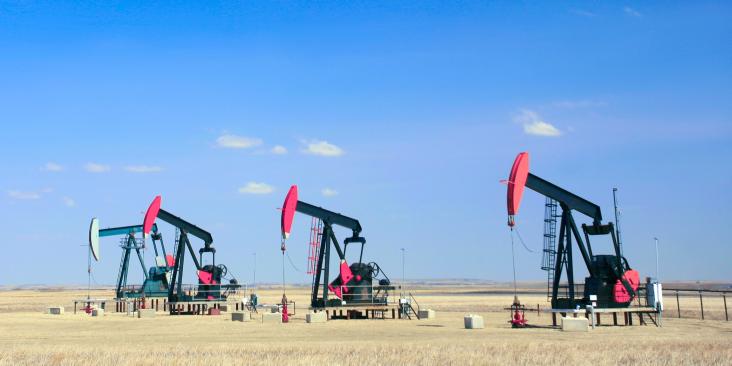
Conventional wells are oil and gas wells that are drilled vertically to tap a reservoir of oil and/or gas. Hydraulic fracturing is sometimes used for production.
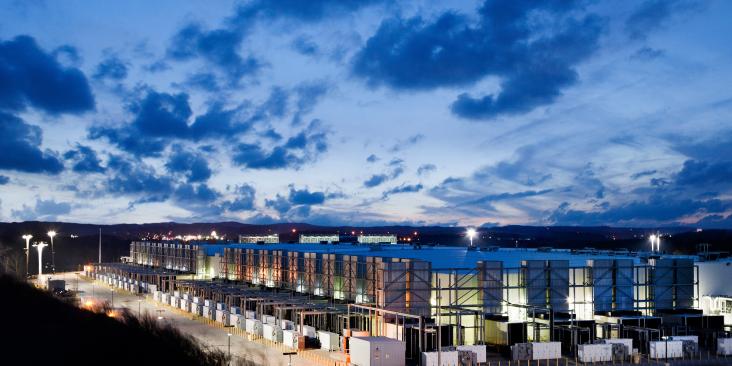
Unconventional wells are oil and gas wells that are drilled vertically and horizontally to release oil and/or gas contained within shale rock formations. Hydraulic fracturing is always used for production.
Importantly, operators participating in AMI demonstrate that very low methane intensity is achievable, reinforcing that the region’s emissions challenge is concentrated among higher-emitting, often marginal and conventional wells.
As domestic and international buyers seek cleaner sources of energy, developing accurate, measurement-based inventories for natural gas by region and operator is critical for the integrity of differentiated natural gas markets.
About the study
AMI is a collaborative, multi-year research study designed to understand methane emissions in the Appalachian Basin. It is led by the Energy Emissions Modeling and Data Lab at the University of Texas at Austin, managed by SLR, and consists of four full-member operators, including CNX Resources, EQT Corporation, MPLX and Seneca Resources, as well as two data-contributing operators, Ascent Resources and Expand Energy Corporation. All of the operators have upstream and/or midstream assets in the Appalachian Basin. Together, the operators produce over 50% of the total gas production in the Basin.
Emission profiles in Appalachia can be complicated and complex to measure due to the numerous methane sources, including oil and gas wells, coal mines and landfills, located in mountainous, forested terrain.
The 2026 study integrated multi-scale measurements to quantify methane emissions, including aerial measurements by three companies (Bridger Photonics, Insight M and ChampionX). AMI estimates that the region’s methane loss rate is 0.52% of natural gas production (95% CI: 0.30-0.62%), similar to an analysis of MethaneSAT data collected between 2024 and 2025 which found a loss rate of 0.6%.
The findings reaffirm earlier studies and underscore that the outsized emissions contribution of low-producing, conventional wells in Appalachia may be far greater than previously understood. EDF’s groundbreaking 2022 study found that marginal wells nationally were responsible for about half of all emissions.
Methane waste in Appalachia matters
Considering methane’s potency and warming power, allowing low-producing wells a pass to pollute supercharges climate change in the near term. It also stands to hurt the region’s bottom line.
As global and domestic markets begin to demand cleaner and transparent sources of energy, failing to address the loss rate of methane gas (also known as methane intensity) harms the economic competitiveness of Appalachian energy companies. In a world currently dealing with energy instability, cutting waste and bringing that gas to market can ease supply chain concerns.
Low-producing, conventional wells are a big problem, but also a big opportunity.
The AMI study demonstrates that making significant cuts in methane emissions is possible, but to get at oil and gas industry’s methane problem, we simply cannot afford to ignore such a large source of emissions. Operators of Appalachia’s unconventional wells have proven they can tackle leaks. It’s time for conventional operators to do the same instead of dragging the entire region’s emissions portfolio down with them.