







More waste, pollution on tap as Trump Administration considers major methane rollback
Written By

Share
Summary
- The Trump EPA’s own estimates show that its proposal would add methane pollution with the equivalent climate impact of over 1 billion gasoline-powered passenger vehicles.
- Even more troublingly: the proposal opens the door to much broader rollbacks.
- EPA acknowledges that low-producing wells account for just 7% of the nation’s oil & gas supply but 60% of methane pollution, but is giving a handout to the large and well-resourced companies that own more than half of them.
By Rosalie Winn
This week, the Trump EPA proposed to rollback methane standards for the oil and gas industry, paving the way for more climate and health-harming pollution. The proposal would also enable waste of American energy resources at a time when Americans are squeezed by high energy prices.
Rollback Would Result in Additional Wasted Energy and Pollution
The Trump EPA’s own estimates show that its proposal would add methane pollution with the equivalent climate impact of over 1 billion gasoline-powered passenger vehicles or 1,100 coal fired power plants operated for one year. The administration’s analysis projects an additional 60 million short tons of methane will be emitted over the next several decades as a result of their proposal (EPA Regulatory Analysis at Table 33), enough natural gas to fuel 49 million homes for a year – that’s more than every home in California, Texas, Florida, New York and Pennsylvania.
A Trojan Horse to Further Eviscerate Protections?
The proposed changes are deeply troubling, but EPA is also opening the door to potentially even broader rollbacks.
The proposal raises questions about EPA’s authority to regulate methane as a greenhouse gas under section 111 of the Clean Air Act at all, with EPA indicating it may open another rulemaking to further attack these protections in a manner similar to the Trump EPA’s claims that it lacks authority to regulate greenhouse gas emissions for the power sector under section 111.
Beyond that, EPA broadly solicits comment on “lawfulness” and “reasonableness” of 2024 rules. This backwards approach to rulemaking essentially invites the worst of industry to provide EPA with reasons to further weaken or eliminate these important standards.
Specific Areas Targeted for Rollback Are Major Sources of Pollution
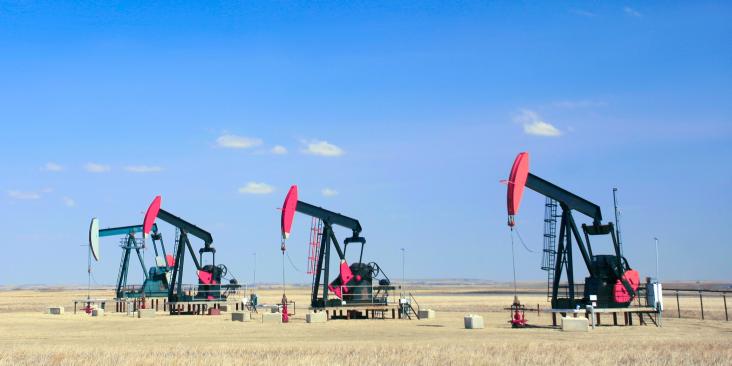
Low Production Wells: EPA proposes to create a sweeping carve-out from standards for low-production well sites—those that produce 15 barrels of oil equivalent a day or less—including allowing those sites to forgo equipment-based inspections for leaks, use polluting process controllers, and simply vent gas without any pollution controls in some circumstances. Alternatively, EPA proposes allowing these approaches at conventional well sites.
The problem? These wells produce relatively little oil and gas but account for an enormous share of methane pollution. EPA acknowledges these sites account for just 7% of the nation’s oil and gas supply but are responsible for 60% of upstream methane emissions.
And despite the narrative that these protections primarily impact small, independent operators, EPA’s own analysis shows that more than half of low-production well sites are owned by large and well-resourced companies with more than 1,000 wells.
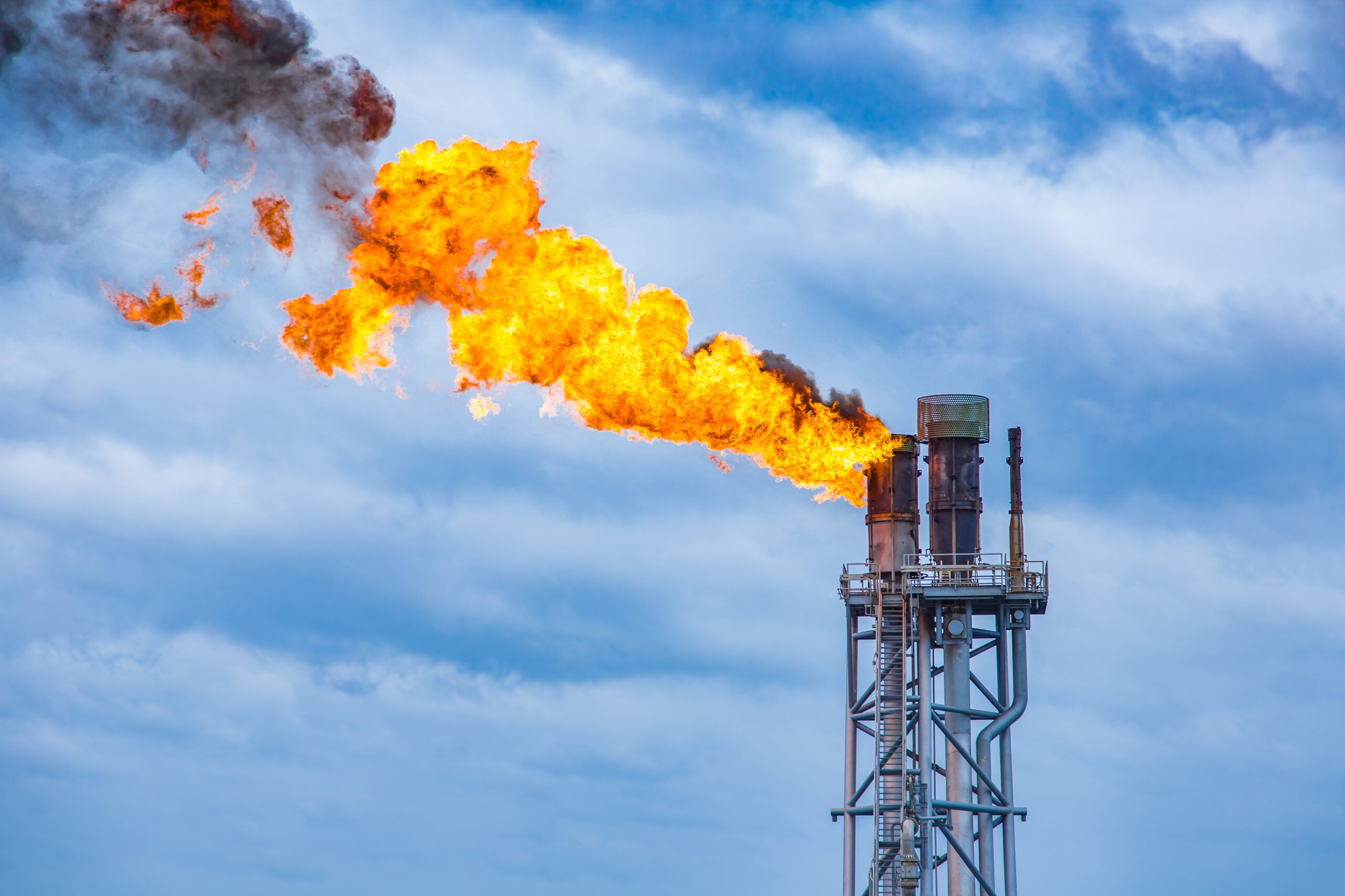
Associated Gas Flaring: EPA’s proposal would allow oil companies to routinely flare—or burn off—the natural gas produced alongside oil, walking back a commonsense requirement to capture that gas for sale and productive use.
Put simply, this means allowing valuable American energy to go up in smoke. Many operators have recognized routine flaring as one of the most wasteful practices in the industry, with operators and companies responsible for 60 percent of total global gas flaring committed to ending routine flaring by 2030.
That waste also comes with a human cost. Flaring releases a variety of health-harming pollution, increasing risks of respiratory and heart diseases, strokes, and pre-term birth.
Major oil and gas producing states, such as Colorado and New Mexico, already have strong protections in place for flaring and low production wells, and have moved forward to implement the 2024 EPA standards.
Super Emitter Program: At a time when satellites and other technologies are making it easier to identify major methane releases, EPA proposes to eliminate the Super Emitter Program, which leveraged satellite and other remote monitoring data to address the very largest and most harmful emission events.
EPA is accepting public comment until December 16. Now is the time to speak out against this damaging rollback.