







Carbon markets could help plug old leaking wells – if we get the rules right
Posted: in End of Life Wells, Methane
Written By

Share
Summary
- Policies are vastly preferable to managing the world’s vast problem of leaky oil and gas wells, but other mechanisms—including markets are needed for scale and speed.
- EDF and partners are embarking on a multi-step process to provide guidance on designing Voluntary Carbon Markets for orphaned and marginal wells that will be durable and have the integrity required to stand the test of time.
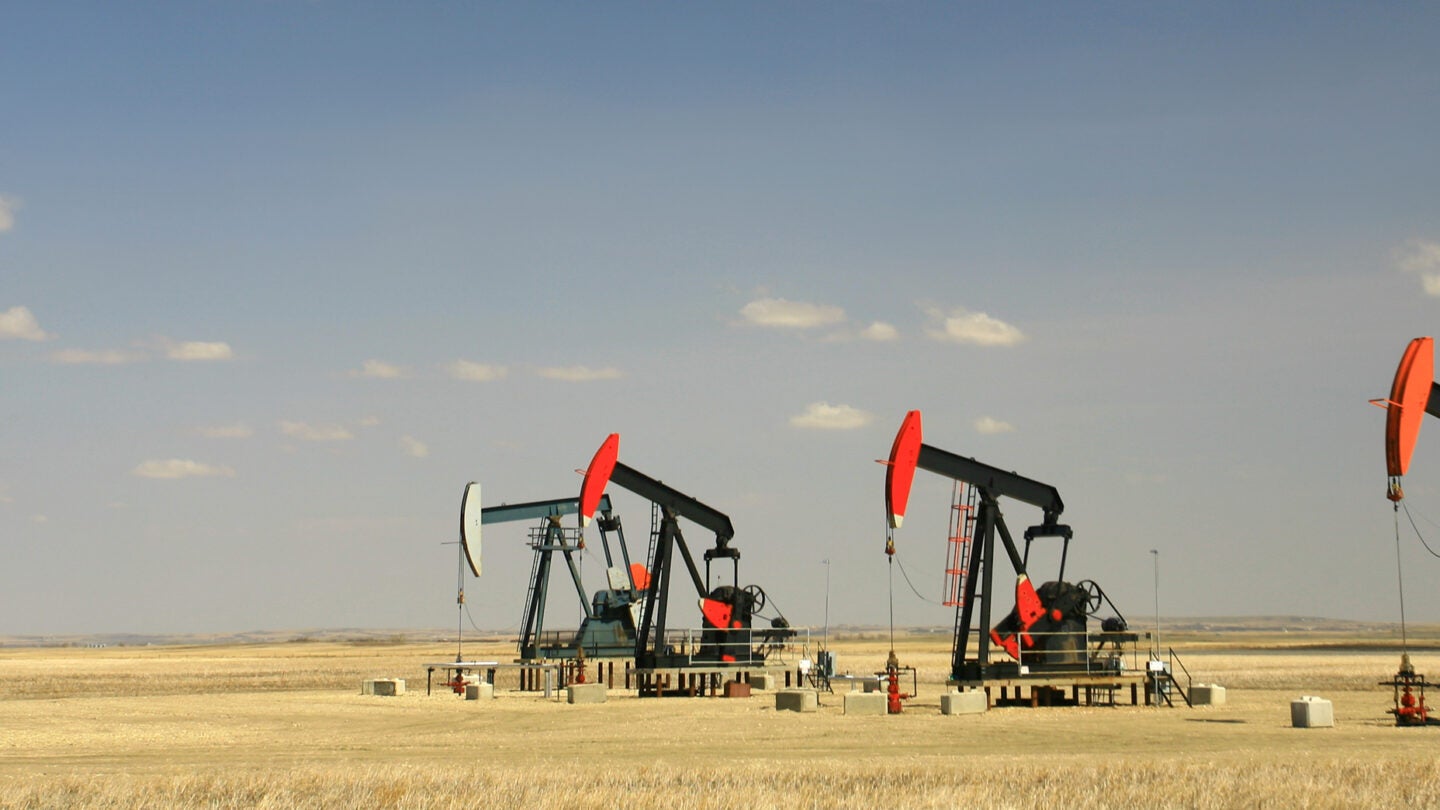
Leaky oil and gas wells are a problem worldwide. In the United States alone, of the 3.5 million abandoned oil and gas wells, roughly 2.3 million wells remain unplugged, including an estimated 1 million orphan wells with no responsible owner. Another 700,000 low-producing wells are responsible for about half of the country’s well-site methane emissions.
While EDF strongly supports a “polluter pays” approach and strong regulations requiring operators to mitigate methane emissions while producing and plugging their unproductive wells, we recognize that the scale and urgency of this problem is so vast in the U.S. and especially beyond that we must consider other tools, including market mechanisms. But for those tools to work, they must be rigorous and trustworthy, or else they will collapse.
What could voluntary carbon markets do for well plugging?
Voluntary Carbon Markets could speed well decommissioning. Under a VCM, emissions reductions from plugging old wells would be independently verified and sold to companies, who could credit them towards voluntary greenhouse gas reduction goals. Revenue from the sale of carbon credits could facilitate accelerated plugging of leaky wells.
It’s a promising idea. But one that could easily go wrong. For these markets to achieve their purpose and maintain both integrity and financial stability, all stakeholders will need to properly design them. If they don’t, they risk misleading accounting over real emission reductions, and inducing a moral hazard where operators are not held to account for their legal responsibilities.
Why VCM safeguards are necessary
Clear market VCM standards are essential to ensure wells are properly plugged and credits represent real, lasting emissions reductions. Without credible credits, trust, prices, and financing could quickly collapse.
This isn’t just about orphan wells. VCM players have also shown interest in generating carbon credits from accelerated plugging of marginal wells. Could the VCM deliver emissions reductions from orphan and marginal wells that go beyond what regulations require? Quite possibly, but getting the details right is essential.
How to build a strong scientific foundation for carbon credits
The marketplace for orphan and marginal well carbon credits is only a few years old. There are disagreements between stakeholders over the methods and protocols for estimating emissions reductions and awarding carbon credits to project developers.
In fact, last year a major VCM registry suspended the issuance of carbon credits tied to orphan wells to allow for more scrutiny of its underlying methodology. However, other VCM registries continue to issue orphan well credits – and some are preparing to expand into marginal well carbon credits, too.
Under current conditions, there is a risk that carbon crediting for orphan and marginal wells could expand too fast, embrace illegitimacy, and erode public trust in this fledgling market.
EDF has been working with VCM stakeholders and partners, led by the Center for Energy and Environmental Systems Analysis at the University of Texas at Austin, to build a real scientific foundation for market mechanism design.
We’re publishing two new issues primers on carbon markets for orphan and marginal wells. They will set the table for deeper conversations about the environmental integrity of these markets, and in the coming months, the development of targeted technical guidance on key unresolved questions.
In these papers, we provide:
- A brief overview of the millions of abandoned oil and gas wells and 700,000+ low-producing wells in the United States, including why their emissions remain a health and climate risk, and the costs required to plug them.
- An assessment of how much methane would remain unaddressed after new EPA regulations take effect for low-producing wells specifically, and what a voluntary market could realistically abate.
- A walk-through of the ten “Core Carbon Principles” established by the Integrity Council for the Voluntary Carbon Market, and how we may apply them to well-plugging projects, including considerations of additionality, baselines, avoided leakage and how to quantify avoided methane in a carbon market.
- A survey of established crediting frameworks and methodologies developed to date and their characteristics.
- A discussion of how co-benefits should be considered in market design.
Want to dive deeper into the science and strategy behind credible carbon markets? Watch EDF and leading experts on the recorded webinar unpacking our latest findings and key safeguards for well-plugging credits.
Credibly designed carbon markets can make a rapid and material difference on emissions reductions. For more than three decades, EDF has helped design market-based programs to cut emissions. From the 1990 Clean Air Act Amendment’s sulfur-dioxide trading program to the Regional Greenhouse Gas Initiative, and beyond, thoughtfully designed solutions have proven successful.
Given the scale and scope of the world’s end-of-life well problem, we are obligated to investigate and improve carbon market mechanisms for orphan and marginal wells. Through that process, they can deliver real environmental outcomes beyond what regulation and public financing can achieve alone.