






Methane is the simple, cost-effective action to cut back on climate change as wildfires burn across Canada
Posted: in Methane
Written By

Share
Summary
- With smart and fair policies on methane that are equally robust in every province, Canada can take swift and cost-effective action to keep its climate emissions in check.
- Alberta’s proposed rules lag far behind other provinces, estimated to be roughly 80% less effective than the federal standard. Will Canada risk climate progress and approve these rules or hold Alberta to the nationwide standard?
Canada has a near-term chance to slow climate pollution by cutting methane from oil and gas operations. But, that opportunity depends on whether provincial rules will be held to the same standard as Ottawa’s.
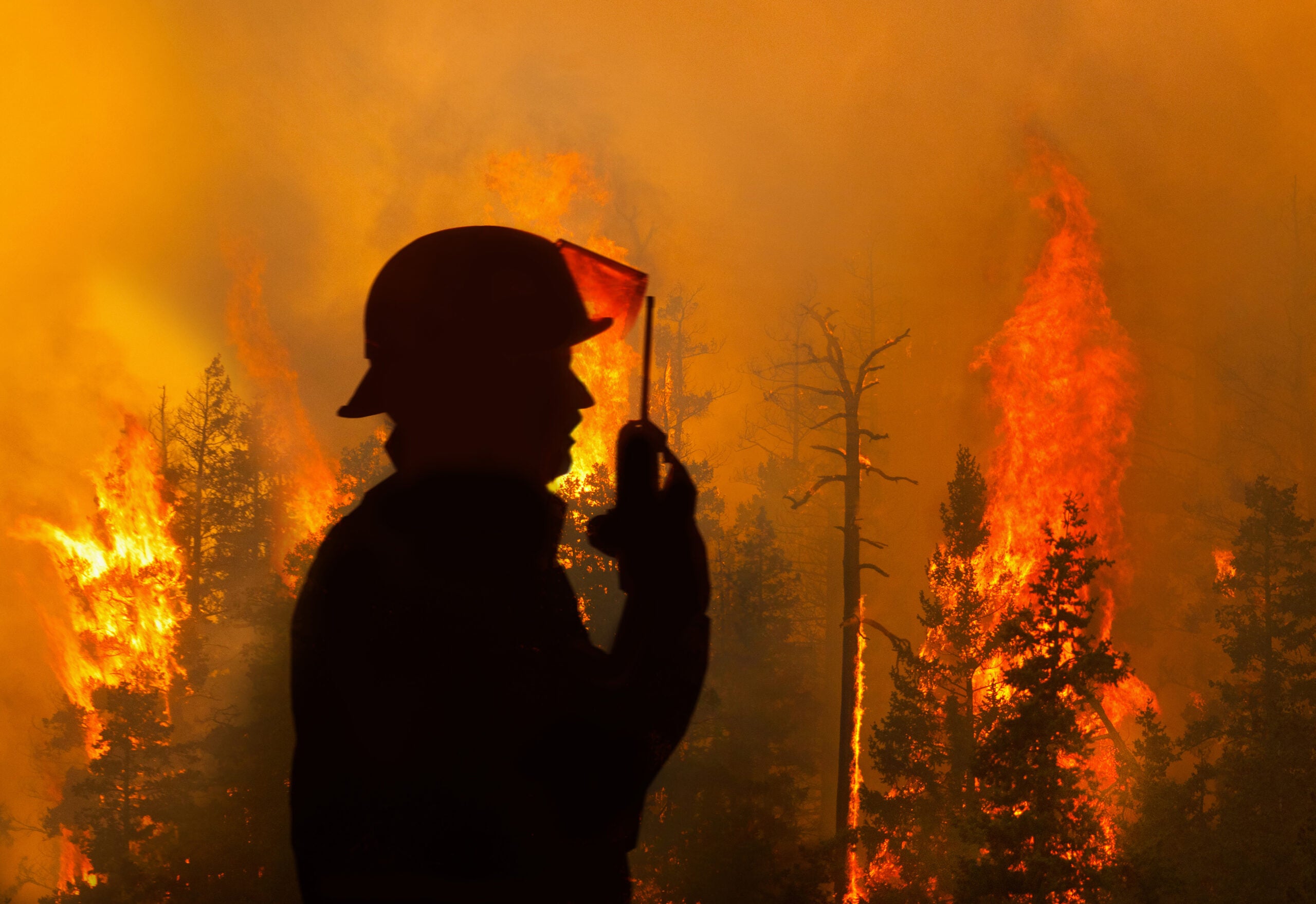
As of today, there are over 600 active forest fires spreading across Canada, destroying millions of hectares of forest and sending billowing smoke into communities. From Newfoundland to Ontario to British Columbia, this year’s destruction has been gargantuan, totaling an area the size of Switzerland.
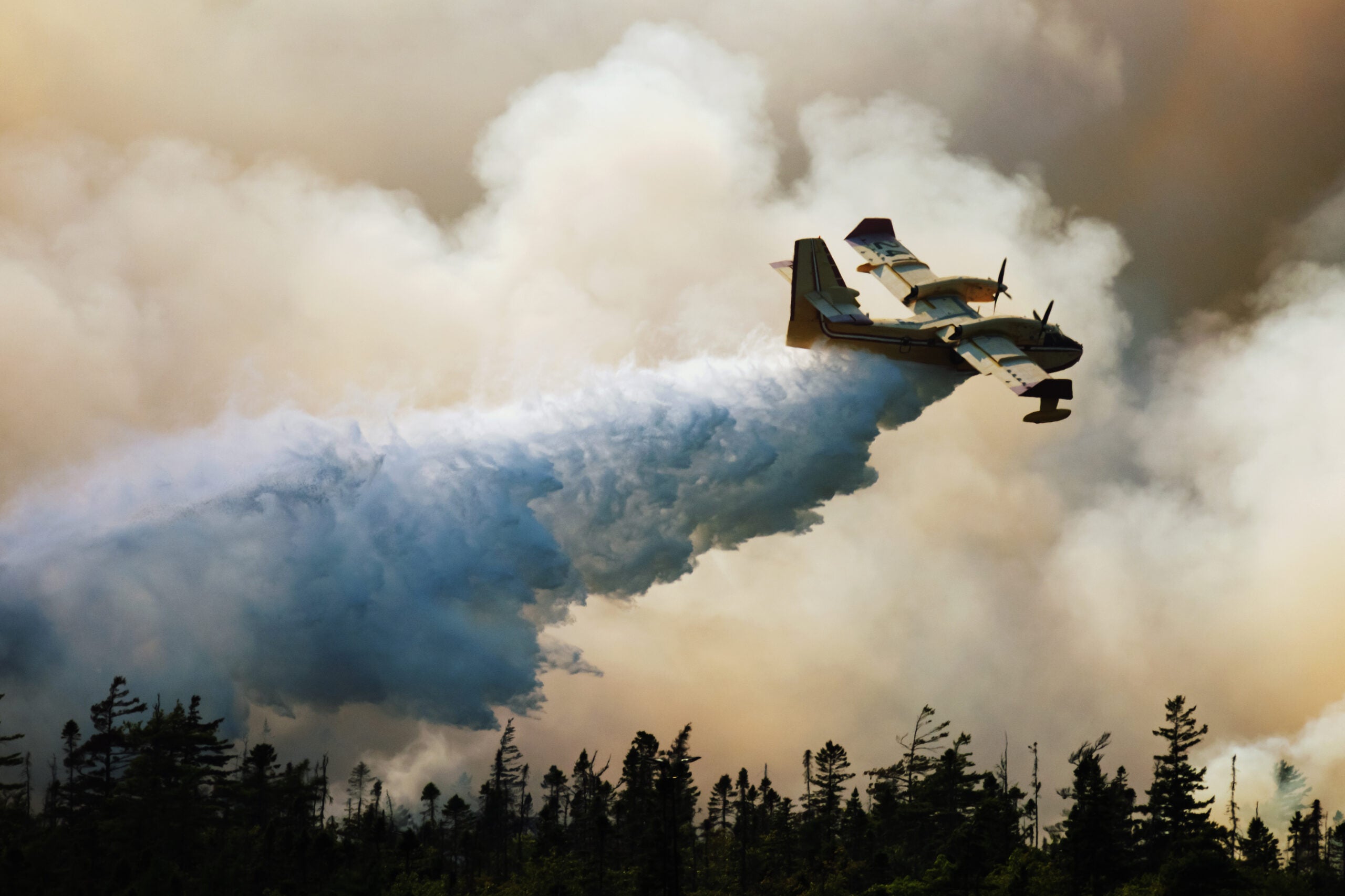
Climate change, which causes lengthy droughts, dried vegetation and extreme heat events, has made it easier for forest fires to spark and spread. The cheapest and easiest way for Canada to cut back on its climate pollution? Tackling unnecessary and wasteful methane emissions from the oil and gas sector.
Methane is the main chemical found in natural gas. It’s also a super-pollutant that is more than 84 times more powerful than carbon dioxide over the near term. Scientists estimate methane is responsible for 30% of global warming to date. Unlike carbon dioxide, methane breaks down after about a decade in the atmosphere. Cutting these emissions can slow warming faster than many other climate actions.
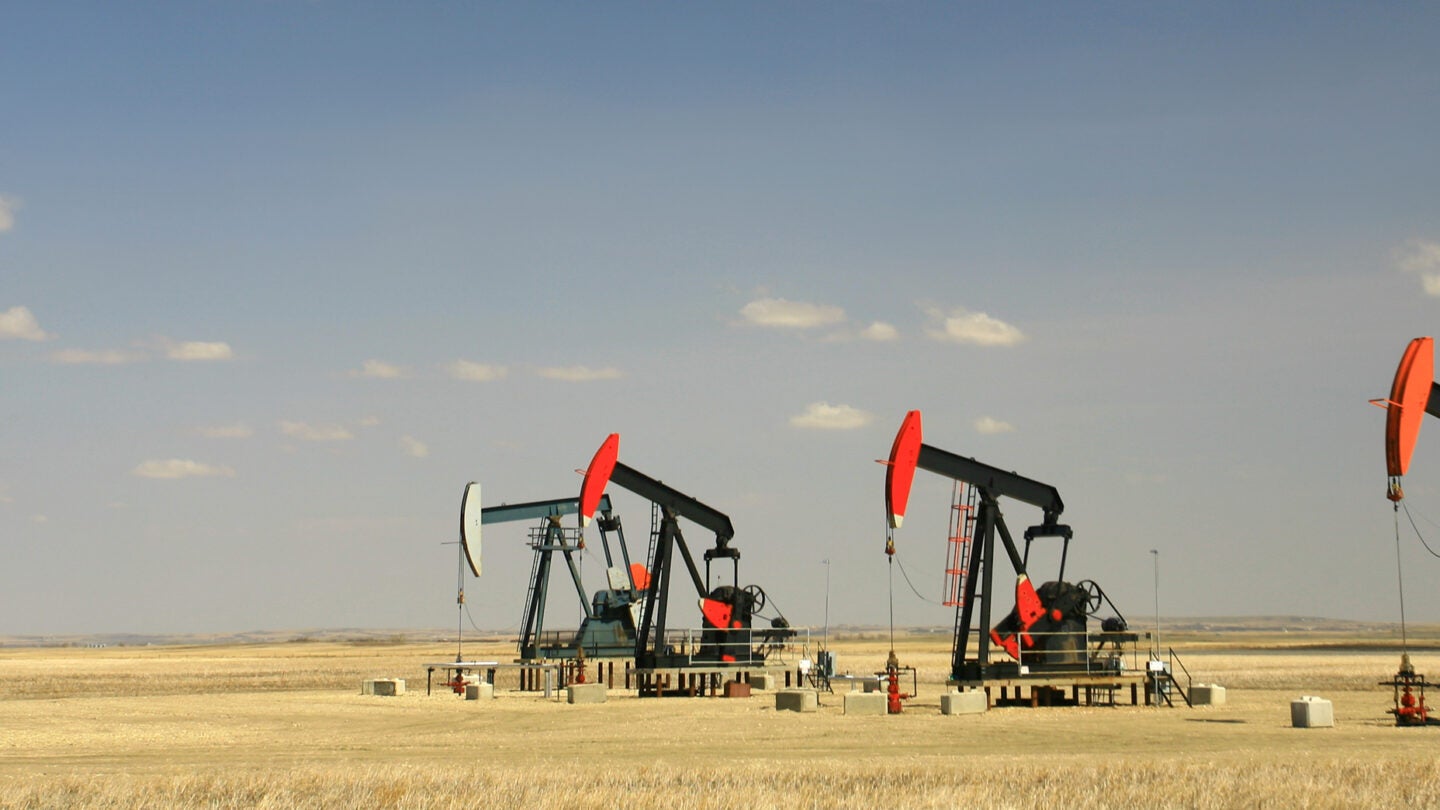
The majority of Canada’s methane comes from the oil and gas sector in Alberta, Saskatchewan and British Columbia – the country’s largest onshore oil and gas producing provinces. These emissions, which occur both intentionally and accidentally, can be reduced at relatively minimal cost. Capturing methane means capturing natural gas, a valuable economic commodity. A study commissioned by EDF showed that a 75% reduction in these emissions, generated through federal regulations, could conserve enough energy to power nearly 800,000 homes in a year.
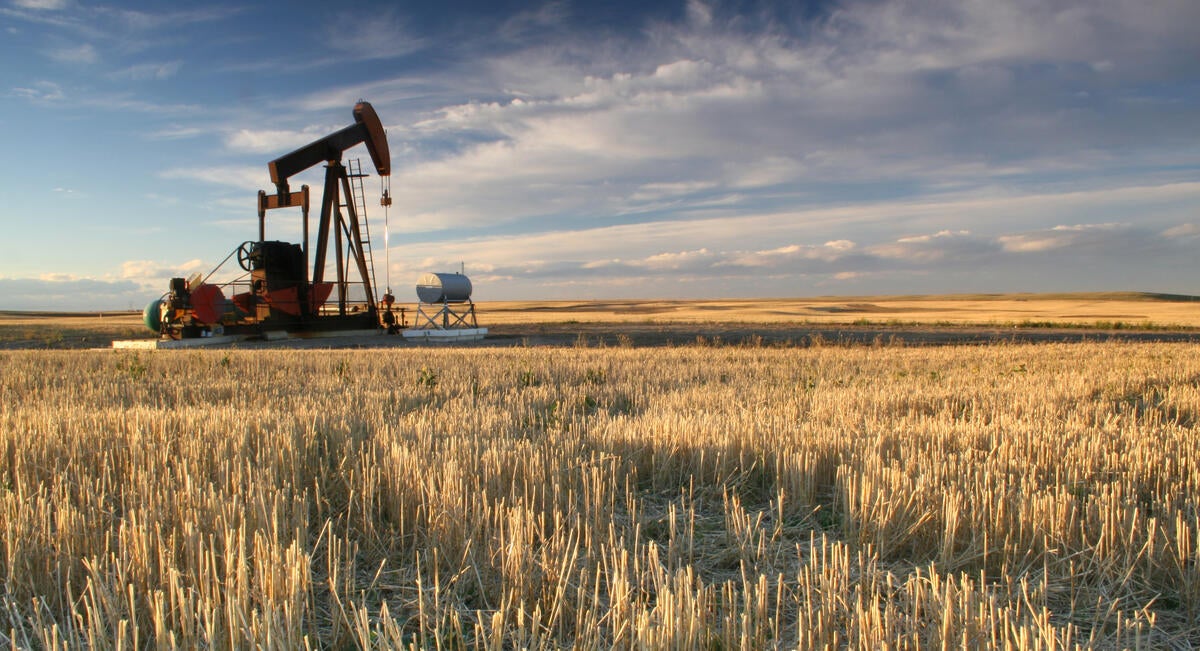
In December 2025, the federal government finalized regulations estimated to reduce methane emissions by 72%. Doing so would equate to taking approximately 70 million gas-powered cars off the streets for one year.
However, once new rules are passed at the federal level, provinces have a chance to create their own standards to achieve comparable reductions but designed to suit their unique conditions. British Columbia has already passed regulations targeting a 75% reduction by 2030. In contrast, Alberta has proposed rules that are estimated to be roughly 80% less effective than the federal standard.
The federal government has the power to approve Alberta’s rules only if they are deemed to deliver the same outcome as Ottawa’s recently passed standards. The Carney government now faces a clear choice. Give Alberta special treatment and risk business as usual for climate, or require the province to develop equally robust rules and help Canada pull the emergency brake on methane pollution.