






New Study: How drones and other new technologies can help find hidden oil and gas wells
Posted: in General, Low Producing Wells
Written By

Share
Summary
- A new study demonstrates how drones equipped with magnetic sensors can help locate undocumented and potentially buried oil and gas wells in Pennsylvania.
- Drone surveys can rapidly identify places that warrant closer investigation, while ground crews can verify whether a well is actually present and conduct more detailed methane measurements where necessary.
By: Adam Peltz and Meg Coleman
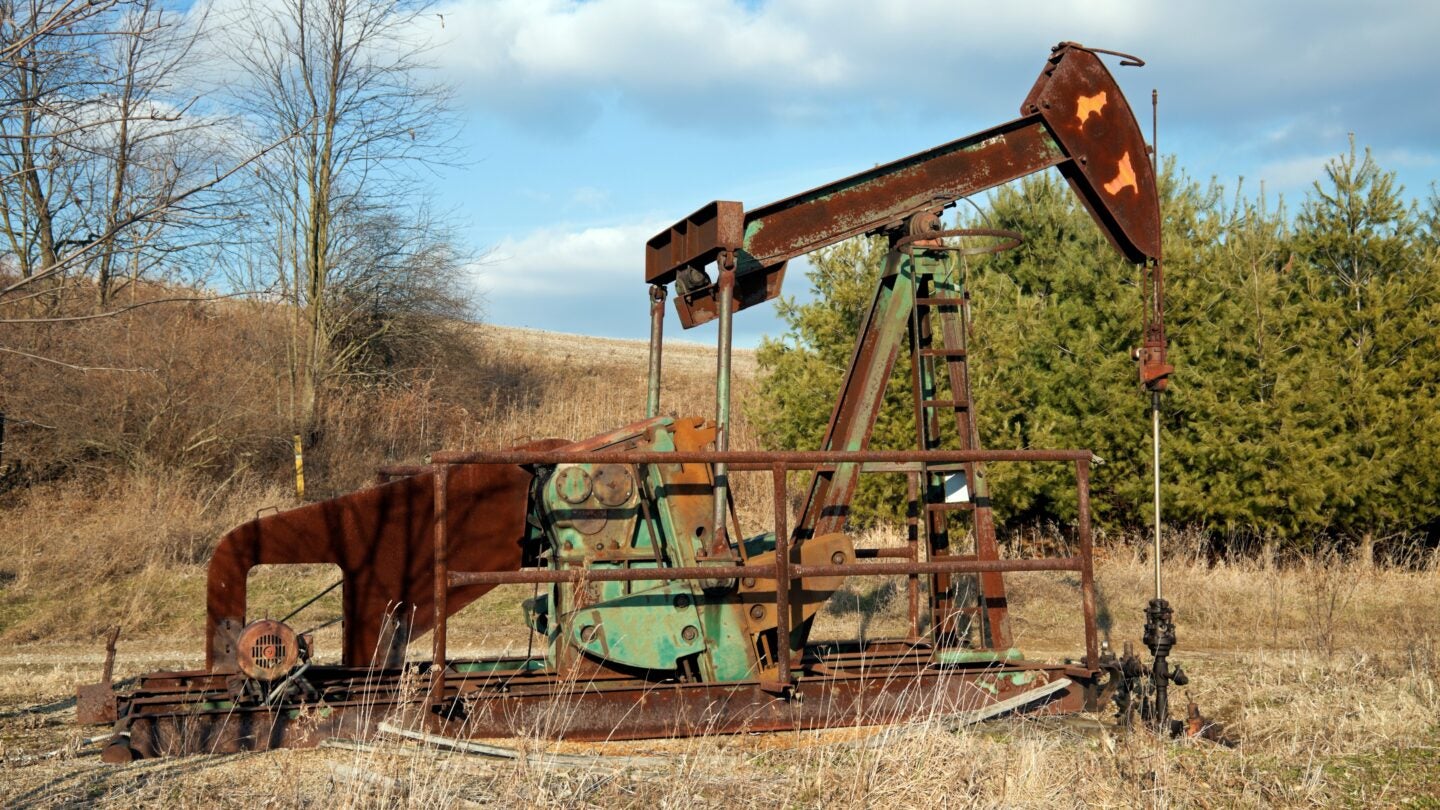
Pennsylvania has been drilling oil and gas wells for more than 160 years. But generations of development have left the Commonwealth with 30,000 documented and potentially as many as 300,000 undocumented orphan wells.
New research sponsored by Environmental Defense Fund and led by Jade Boutot of McGill University shows how emerging technology could help change that.
Multi-technology Detection of Undocumented Orphaned Oil and Gas Wells: A Large-Scale Drone and Ground-Based Survey in Pennsylvania used drones, magnetic sensors, methane detection technology and boots-on-the-ground field investigations to search for undocumented oil and gas wells. The results demonstrate how pairing remote-sensing technologies with targeted field investigations can help find wells that have effectively disappeared from the historical record.
The findings point toward a potentially powerful new approach for addressing one of Pennsylvania’s oldest environmental challenges: before we can assess and plug the wells left behind by generations of oil and gas development, we have to find them. In the meantime, these old, leaky wells can emit oil, gas and other toxic chemicals into the groundwater, soil and air.
We can’t fix a well we can’t find
Pennsylvania’s long history as an oil and gas producing state means that many wells were drilled decades before modern recordkeeping, permitting and location technologies existed.
Finding undocumented wells there can be challenging, as they can require the piecing together of old records, maps and other evidence, coupled with the verification of their existence in the field.
That can be especially difficult in the state’s rugged and heavily forested landscape. Old wells may be hidden by vegetation, located far from roads or trails, or have little visible infrastructure remaining above ground.
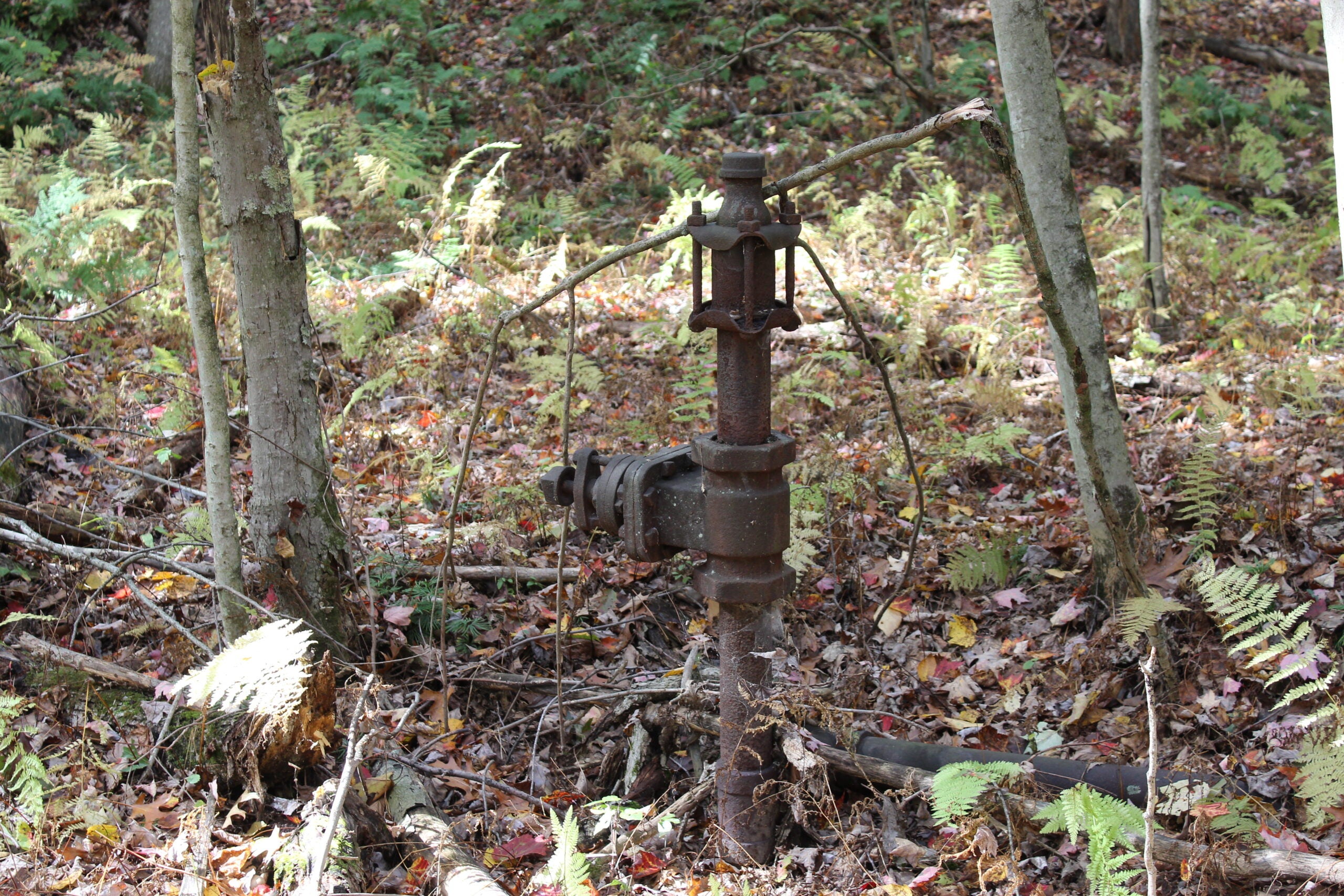
So the team, which also included researchers and experts from the Pennsylvania Department of Environmental Protection (DEP), Lawrence Berkeley National Laboratory, National Energy Technology Laboratory, Los Alamos National Laboratory and Sawback Technologies, looked for them from the air. This work is part of a broader effort at EDF to pilot new methods of finding and remitting orphan and abandoned wells.
Using drones to find hidden wells from above
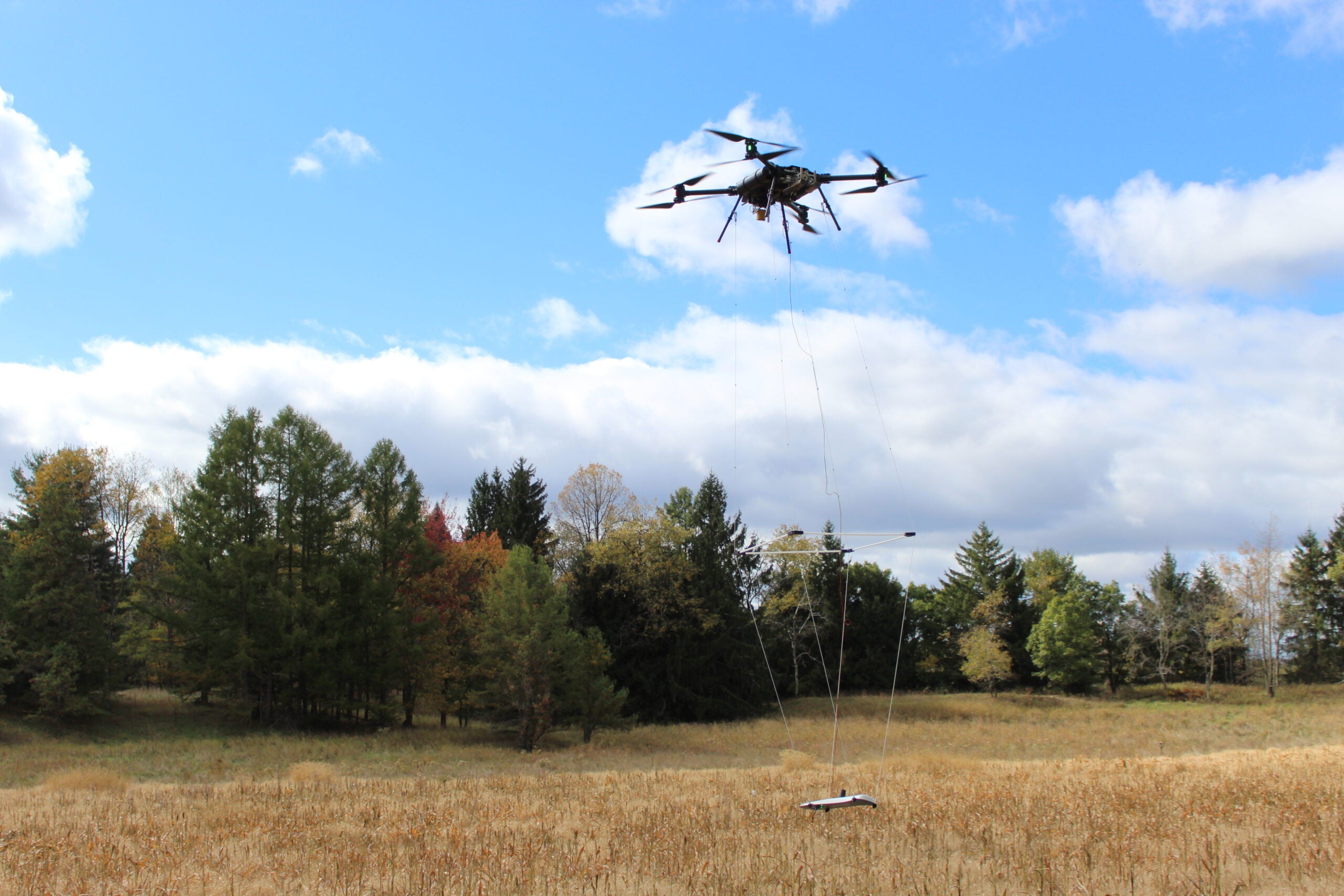
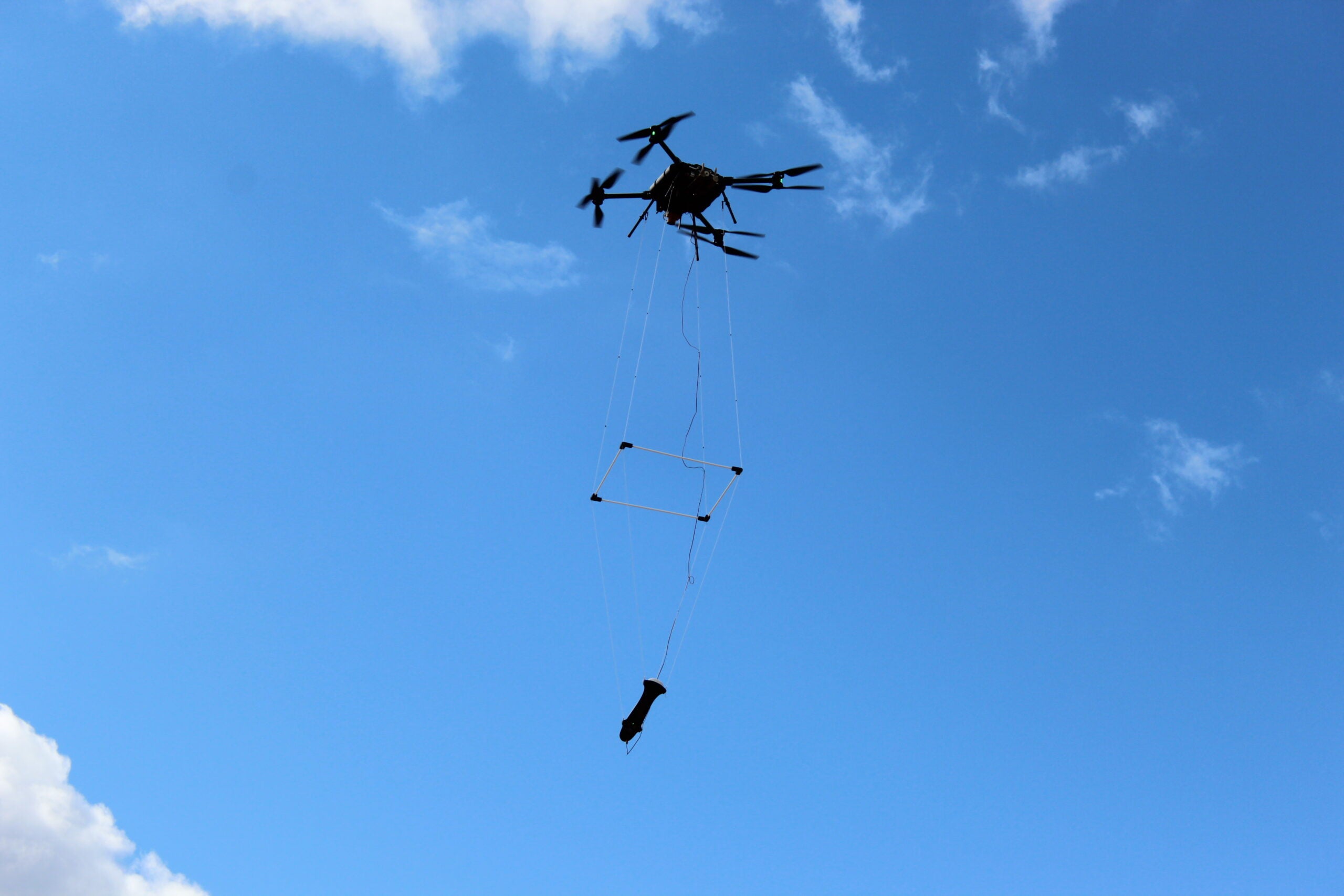
First the team used drone-based magnetometer surveys to look for signs of hidden oil and gas wells. The equipment detected magnetic signals that could point to buried metal well casing or other underground infrastructure, rather than relying only on what was visible from the air.
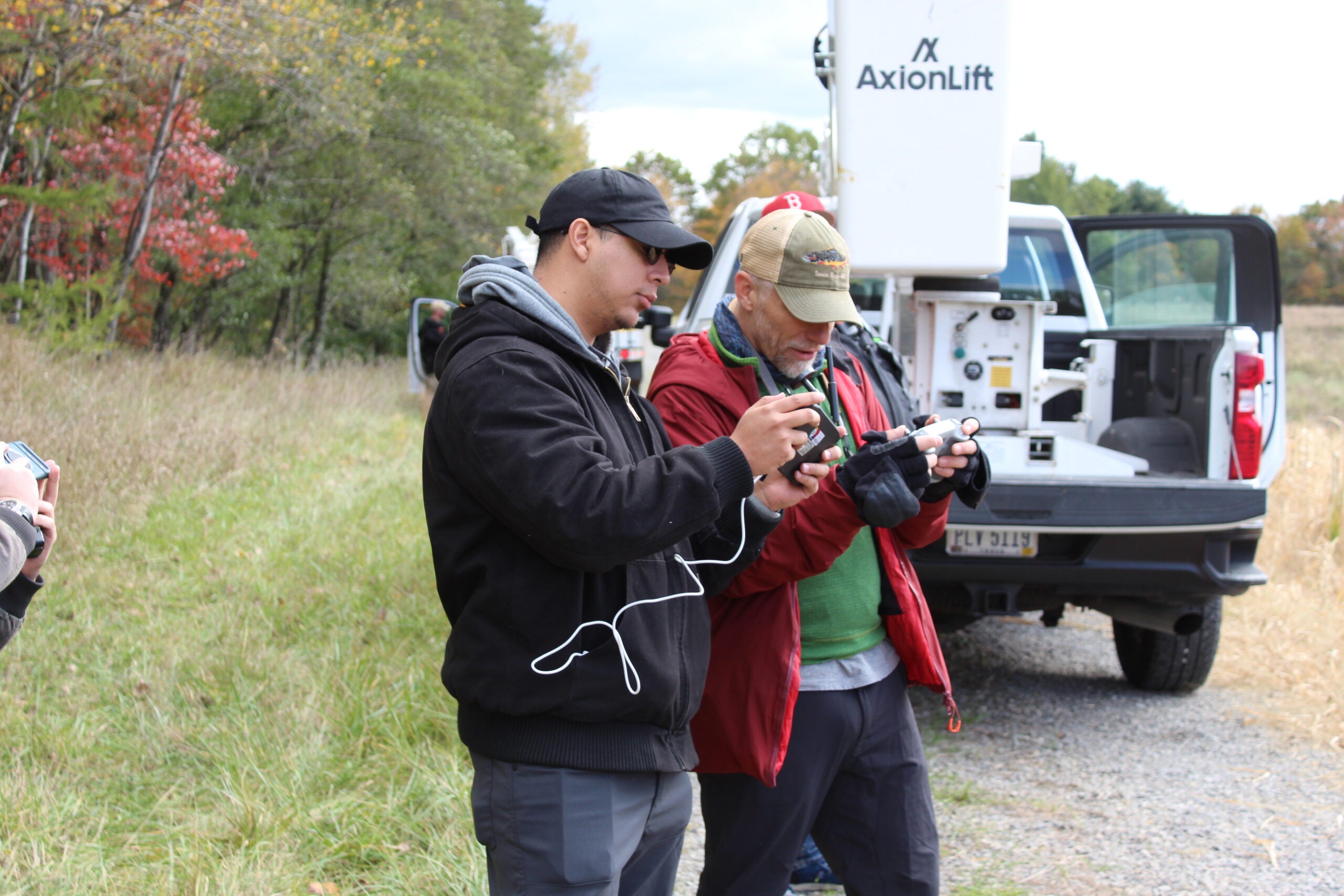
Field checks confirmed that some of the locations identified by the surveys were oil and gas wells, including wells that had not been previously documented.
That finding highlights one of the most promising aspects of the research:. A well doesn’t necessarily stop being a potential environmental concern simply because its infrastructure can no longer be seen from the surface. Technologies capable of identifying buried well infrastructure could help locate wells that sight inspections might miss.
New tools for an old problem
Pennsylvania’s orphaned and abandoned well problem was created more than a century ago. And it’s certainly not the only state facing this challenge. Undocumented orphan wells are problem anywhere in the U.S. that experienced early oil and gas development, especially Appalachia, the southern mid-continent and Southern California.
While solving the challenge will take time, this research shows how better technology can make that work smarter.
The study also demonstrates why locating undocumented wells should remain an important part of the country’s broader orphaned well strategy. Finding additional wells means states can build a more complete picture and make better decisions about which sites warrant further investigation and, ultimately, plugging.
Drone magnetometers won’t eliminate the need for boots on the ground. But this study has demonstrated how these technologies can work together to narrow the search area, identify previously undocumented wells and provide better information about where to focus limited resources.