






Satellite data reveals high emissions in San Joaquin Valley, offering California officials clear opportunity to protect communities, climate
Posted: in Clean Energy, Methane
Written By

Share
Summary
- In 2018, California exempted almost 2/3 of oil wells from leak inspections based on industry-reported emissions in the 1990s that are inconsistent with a growing number of direct observations.
- State regulators can significantly cut methane emissions and reduce health harming co-pollutants by requiring frequent inspections, equipment upgrades and phasing out routine venting and flaring.
Satellite data confirms what frontline communities have been saying for years: methane leaks are a serious problem in the San Joaquin Valley.
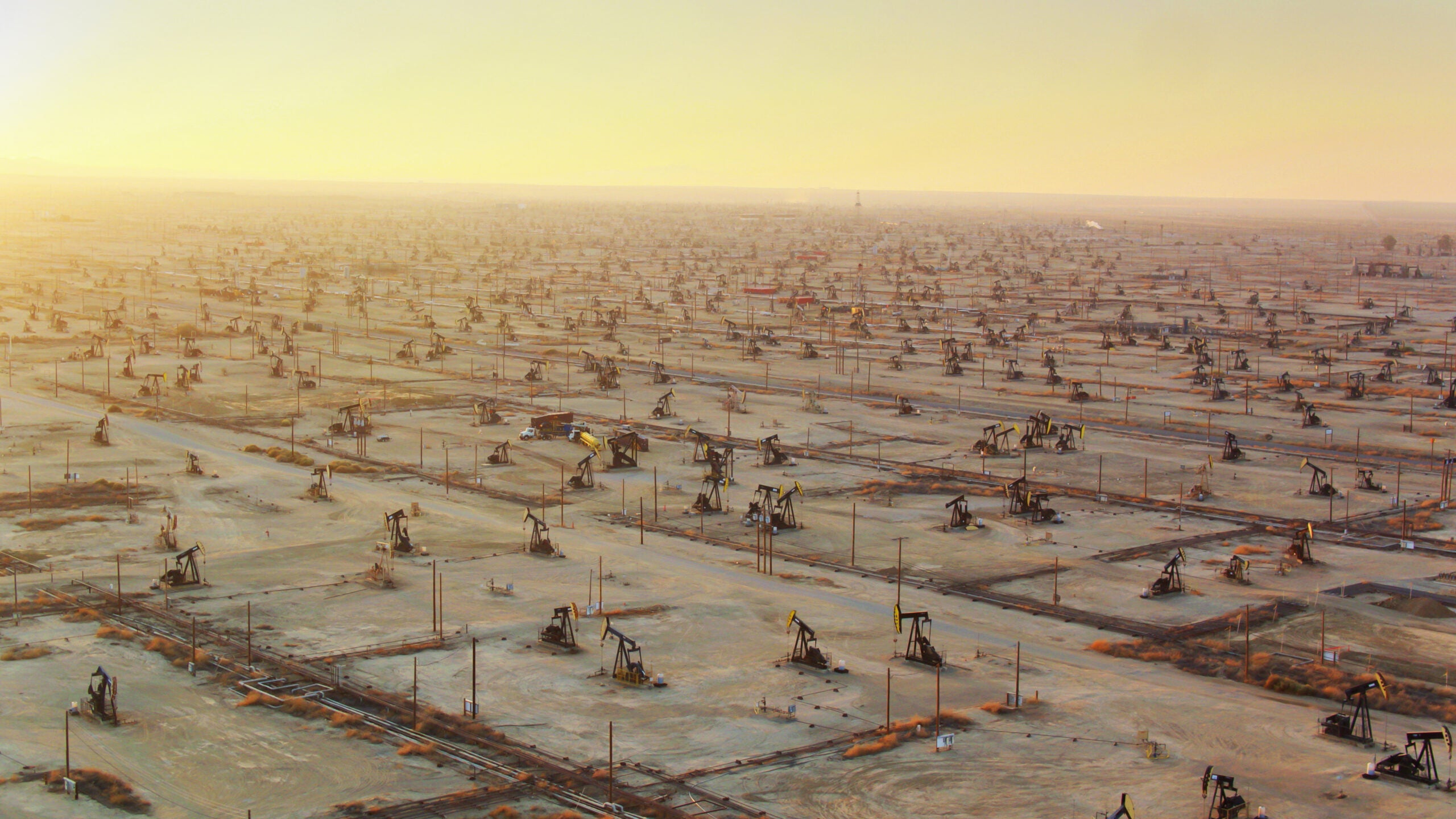
New analysis of observations collected by MethaneSAT during 2024 and 2025 shows that the oil and gas operations in the San Joaquin Basin emit 18 tonnes of methane every hour, roughly 20% higher than estimated by the U.S. EPA’s inventory, and twice as high as the state figures from the California Air Resources Board.
Methane is a potent greenhouse gas, with over 80 times the warming power of carbon dioxide in the 20 years after it is released into the atmosphere.
The likely reason for these high emissions sits within California air quality rules: an outdated provision in leak detection requirements that exempts thousands of wells producing so-called “heavy oil.” The new findings present regulators with a ripe opportunity to correct the crucial omission.
Massive Loophole Undercuts Strong Regulations
CARB has regulated methane from the oil and gas industry since 2018, making significant progress reducing emissions from storage tanks, intentionally polluting equipment such as gas-driven pneumatic pumps and controllers and other sources. In fact, the state has some of the strongest leak detection and repair standards in the country.
But there’s a decade-old loophole in the rules: wells producing heavy oil are exempt from regular leak detection and repair requirements, based on 1990s figures incorrectly indicating that such wells were responsible for less than one percent of all emissions leaking from infrastructure in the state.
That’s a surprising figure given that tar-like heavy oil accounts for over 60% of the state’s active wells and two-thirds of current oil production. As a result of the loophole, operators of more than 27,000 heavy oil-producing wells are exempt from state inspection requirements.
New Technology and Methods Show a Fuller Picture
CARB exempted heavy oil wells from inspections in 2018 based on industry-reported emissions collected in 1993 and 1995. CARB created the exemption without access to modern methane measurement tools, but since then, new technologies make it much easier to collect accurate data.
In just the last decade, aircraft and satellites have revolutionized our ability to measure emissions of methane, and researchers can now use handheld detectors and mobile monitoring units that can accurately characterize emissions from low-producing wells.
The agency has made major strides incorporating new tools into its methane monitoring system via the California Methane Satellite Project and Carbon Mapper, building a successful track record of finding and limiting the largest methane leaks. CARB’s approach to addressing the largest leaks is cutting-edge and sets the standard for U.S. states.
However, improvements are needed to better assess emissions from low-producing well sites. A recent study found that smaller sources (less than 100 kilograms per hour) dispersed over wider areas account for over 80% of total oil and gas methane emissions in the San Joaquin production basin.
Assuming the average emission rate observed by MethaneSAT is constant, annual oil and gas methane emissions in the region would be over 157,000 tonnes. That’s enough natural gas to supply 220,000 California households for a year, and with more near-term climate impact than continuously running three coal-fired power plants.
The new MethaneSAT observations confirm the prevalence of dispersed emissions from smaller sources, such as the region’s many heavy oil wells which have never been subject to regular inspections under state law.
On-the-ground leak detection work by the organization FracTracker underscores the problem with heavy oil wells: a 2022 investigation in Bakersfield uncovered 49 low-producing and idle heavy oil wells leaking methane — exempt from the state’s leak detection and repair standards.
Additional analysis of the region’s emissions sources continues to implicate heavy oil. A first look at where San Joaquin oil and gas methane is coming from finds that exempted wells may contribute roughly half of total observed emissions — a significantly larger share than the “less than 1%” estimate that informed the inspection exemption.
This loophole exposes communities living near oil and gas production to hazardous air pollutants such as benzene and toluene. Ozone-forming volatile organic compounds emitted alongside methane degrade the San Joaquin Valley’s air quality. In response to these persistent health threats, community organizations have conducted leak inspection work themselves using optical gas imaging cameras that make methane leaks visible.
“Of the 95 wells and tanks we did independent inspections of using our OGI cameras, 38% were leaking,” said Cesar Aguirre, Director of the Air and Climate Justice Team at Central California Environmental Justice Network. “We’ve been told too many times by the air district and ARB that they are unable to enforce repairs because of the heavy oil exemption in the state’s methane regulations. These leaks are more than just abstract contributions to the state’s greenhouse gas emissions. They represent real health impacts to community members, including increasing their cancer risks and adding to respiratory stress and disease for my friends, family, and community who are already living in the most polluted air in America.”

Looking ahead: closing loopholes and meeting federal standards
Governor Gavin Newsom has repeatedly pushed for ambitious international leadership to tackle climate change and set an expectation for California to stay in the global forefront of climate action. Ending their outdated leak detection and repair exemption can help meet the state’s climate objectives.
Unfortunately, the emissions inventory CARB uses to track methane progress was built using an approach that has well-documented flaws. Moreover, their emissions figures are built from the same 1990s data that rationalized the heavy oil exemption.
Annualizing MethaneSAT’s measurements finds that oil and gas emissions in the San Joaquin alone are twice as high as CARB’s 2023 estimates for the region’s oil and gas industry. It’s impossible to accurately measure progress towards climate targets when the yardstick is broken. Constructing a more accurate emissions inventory and closing the heavy oil exemption should be high on CARB’s priority list.
In May 2025, CARB presented a timeline to adopt a state plan consistent with the 2024 U.S. EPA methane rule and strengthen standards for existing sources which includes closing the loophole for heavy oil wells. But in November 2025, the Trump administration delayed state plan deadlines to January 2027.
CARB will need to move a plan forward this year to meet that deadline. Despite recent turbulence, CARB has excellent near-term opportunities to clean up California’s oil and gas sector.
By closing the heavy oil inspection loophole, it’s possible to reduce pollution and energy waste without affecting consumer prices at the pump or on their electricity bills. Strengthening standards only costs pennies on the dollar while delivering major climate and air pollution benefits.
They should not wait.