







New Environmental Defense Fund Europe report is a roadmap for European cities looking to decarbonize urban freight
Posted: in General
Written By

Share
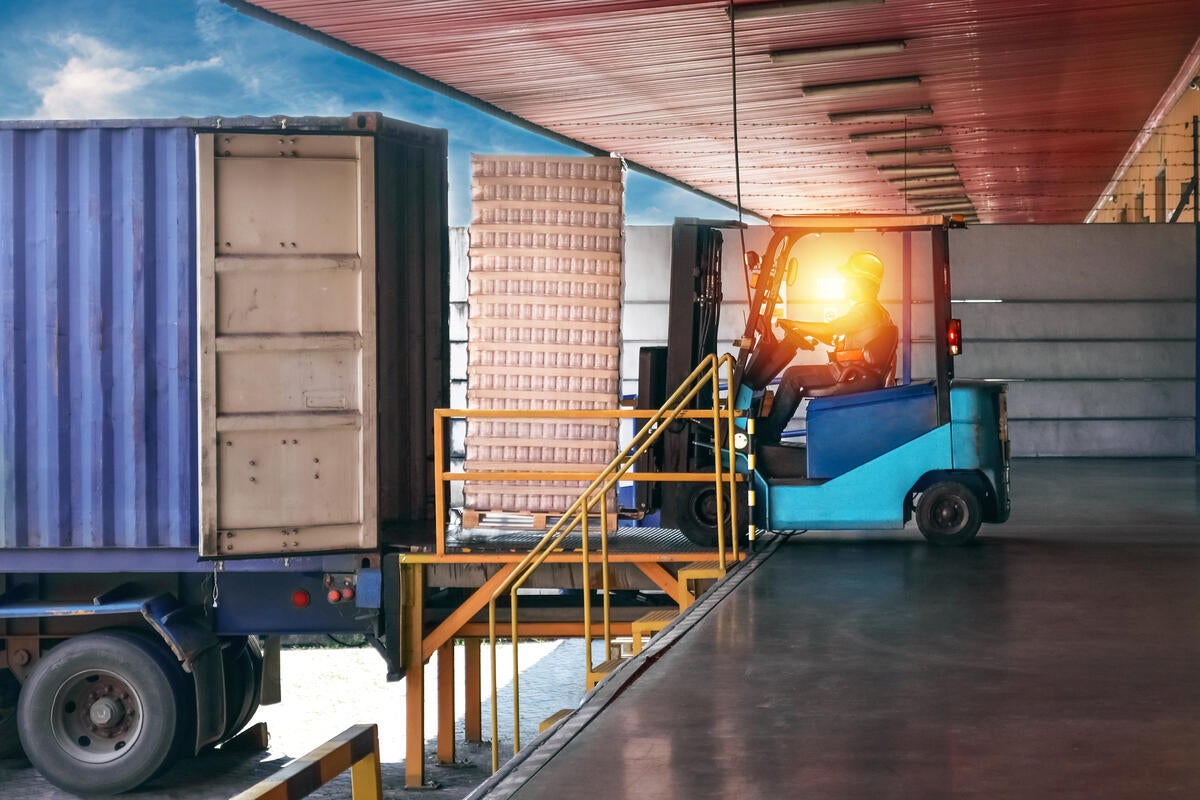
Freight transport in Europe accounts for only 2% of vehicles on the road but is responsible for 22% of all road transport climate pollution in the EU. With e-commerce on the rise, construction booming, waste generation increasing and grocery delivery expanding, the need for urban freight plans and policies is growing.
However, a 2021 survey by the European Commission found that only 13% of member cities had a specific plan for addressing logistics. Many municipalities don’t know where to start as few have staff dedicated to working on urban freight issues.
New Environmental Defense Fund Europe report is a roadmap for European cities looking to decarbonize urban freight Share on XTo meet sustainability goals, municipalities and regional governments must develop partnerships with relevant stakeholders in the field of freight. Report on Urban Freight Partnerships: Why they’re needed and how to ensure their success is a new analysis by EDF Europe that aims to support this type of collaboration.
Key elements of urban freight planning
EDFE’s report provides guidance for governments on how to develop, implement and evaluate a stakeholder engagement plan. Urban freight partnerships bring together a variety of different perspectives, which result in stronger logistics plans that are more likely to succeed. These partnerships help identify major issues the government might not be aware of, enhance transparency, ensure accountability by participants and improve the quality of decision-making.
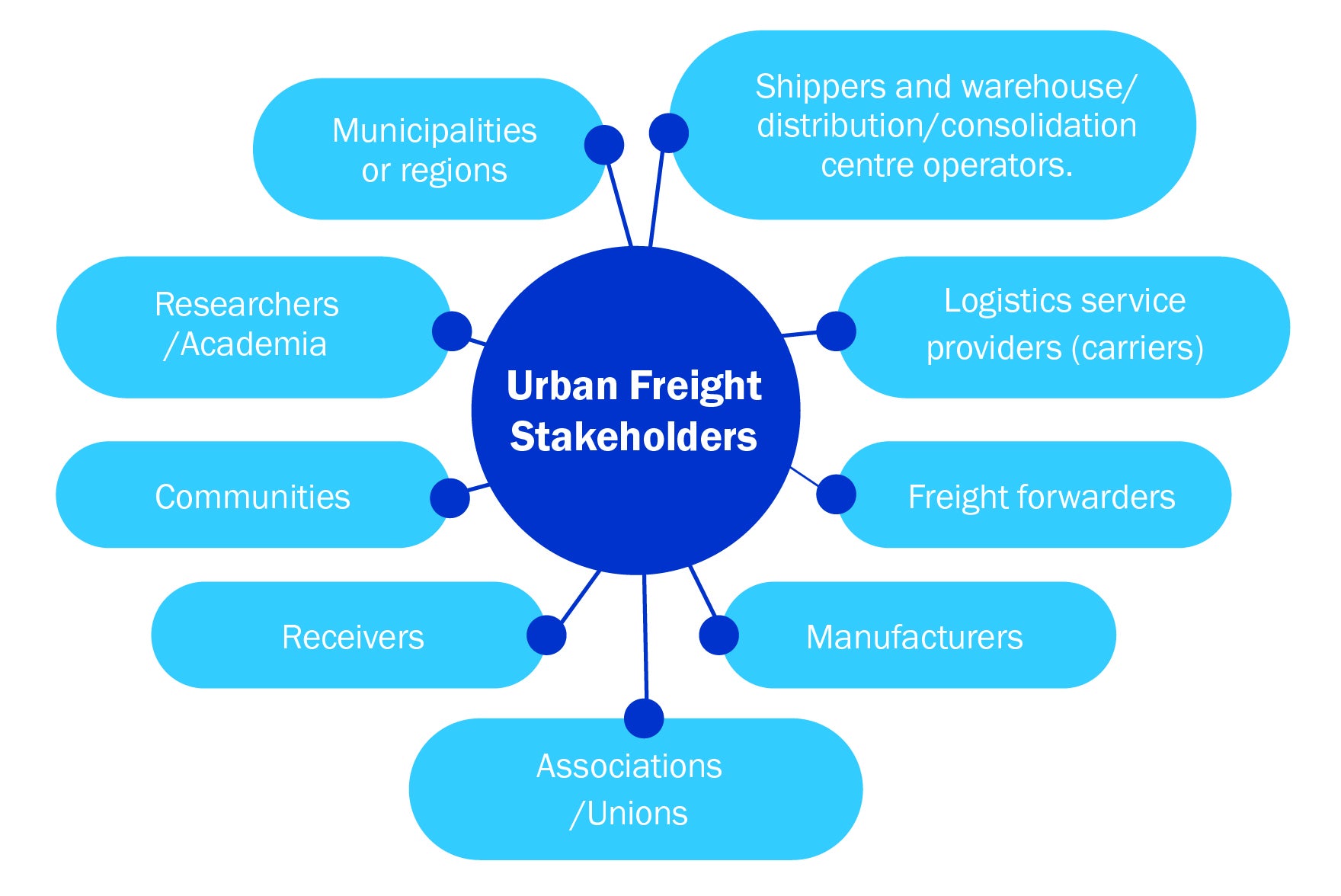
The document walks readers through each of the key elements of stakeholder engagement:
DEVELOPMENT
- Create an urban freight strategy — overarching economic, societal and sustainability expectations for urban freight.
- Mapping and identifying stakeholders — shippers and warehouse managers, carriers, receivers, communities, researchers and more.
- Selection and outreach — how to ensure balanced representation.
- Preparing in advance, setting goals and managing expectations — drafting a strategy, rules and more and outlining each sector’s assumed concerns. To be confirmed/updated with the entire group.
- Meeting schedule and frequency — including agenda items, rules for minutes, etc.
IMPLEMENTATION
- Examples of urban freight initiatives, projects and cases from six different European cities and how stakeholder engagement played a role.
EVALUATION
- Determining how to monitor success through both an internal and external evaluation plan.
- Consistent engagement with broader players in the field beyond partnership members.
A practical, user-friendly guide
While there are some existing documents related to this topic, EDFE’s approach stands out as the report is coupled with a how-to guide which houses nine templates serving as easy-to-use tools for municipalities to get started. They are directly related to the sections in the report and include: a list of recommended stakeholder partner categories for mapping, draft emails for outreach, goals and mission development suggestions, a meeting format for agenda development and surveys for key freight players. While the report and how-to guide are aimed at government officials, it is important to note that any freight partner can convene stakeholders into a group, and anyone interested in improving urban freight will find value in reading these documents.
Achieving a sustainable and efficient flow of goods is critical for cities to thrive and meet sustainability goals. Many cities are starting to develop sustainable logistics plans, but to be successful, these plans and their resulting projects must be practical, achievable and based on consensus, trust and mutual understanding by all involved stakeholders. We hope this new report can serve as a roadmap for European cities on the path to a future with cleaner air and healthier communities.