Tech for change video series: Game changer
Written By

Share
This post is part 4 of EDF’s Tech for Change series, which aims to spotlight the way pollution-sensing technology can protect public health and the environment in California. Watch parts 1, 2, and 3.
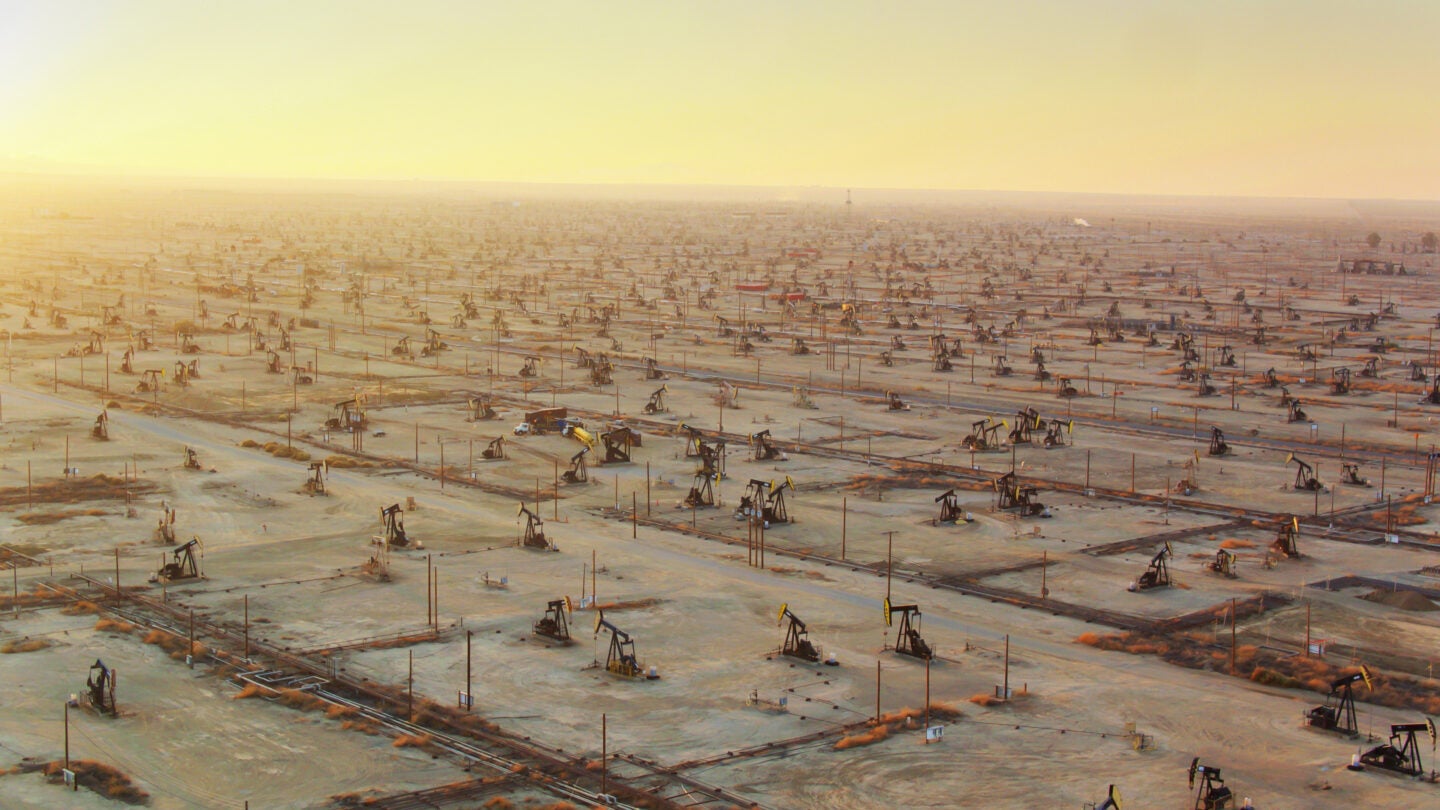
Los Angeles has long been a city defined by creativity and innovation. Now, that same spirit of innovation promises to help the region tackle the threat of pollution from the 3,500+ active oil and gas wells in LA County.
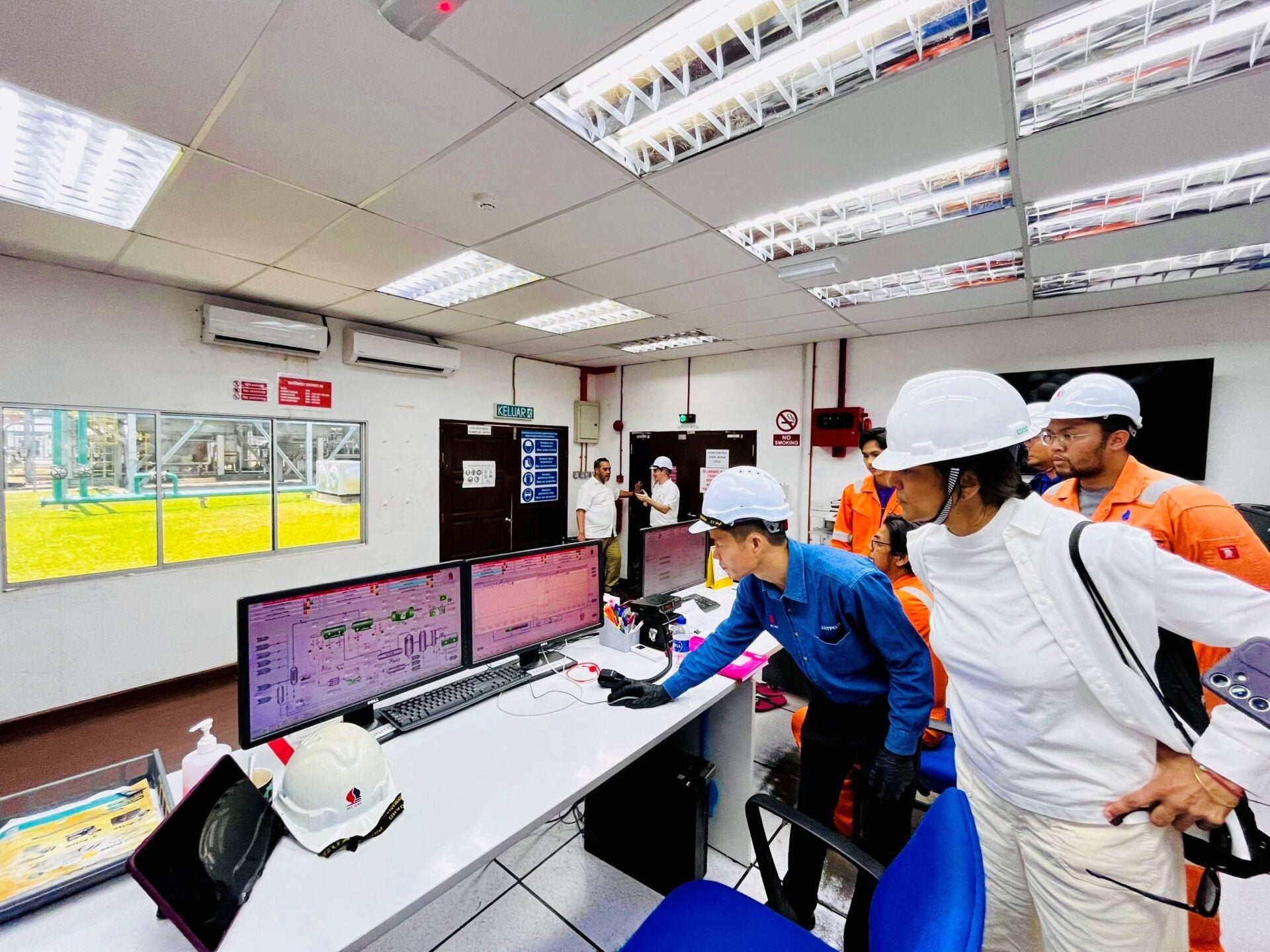
Technical advances are driving down prices and increasing the precision of pollution monitoring technology, which could enable industry and communities to understand what chemicals may be leaking from nearby oil and gas equipment. According to Elias Tobias of Safety Scan USA, “We are seeing the first wave of lower cost, real time oil and gas pollution monitors right now. Other waves will come and make it even better, faster, and cheaper.”
[Tweet “New tech is a game changer for communities living near oil and gas pollution – here’s how:”]
The oil and gas industry wants to maintain safe operations, and residents want to know what toxic chemicals might be leaking into the air around them. That’s becoming increasingly possible thanks to these emerging technologies. We can’t afford to pass up this opportunity to improve public health data and protections.