






Fishing for Data
Posted: in Climate and Fisheries Series, Science/Research
Written By
Share
EDF-supported initiative for subsurface temperature data collection receives international recognition
By: Samantha Johnstone, Ocean Data Communications & Storytelling Intern, and Aubrey Taylor, High Meadows Fellow, Ocean Data
The fishers at the heart of ocean science
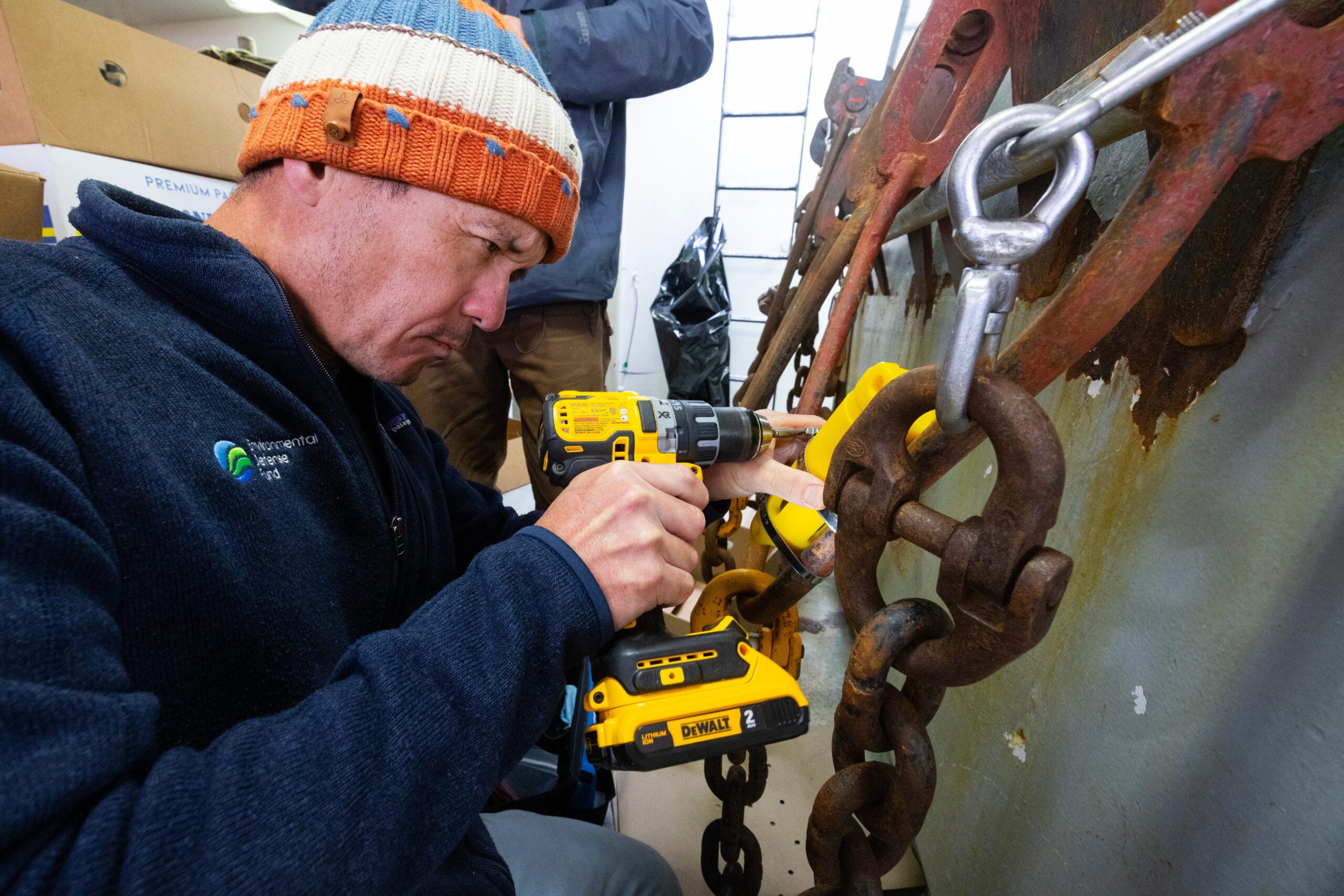
When Fishing Vessel Ocean Observing Network fishers head out on the water, they are not just fishing. They are helping scientists better understand the ocean that sustains their livelihoods and protects their communities. By just attaching a sensor to their fishing gear, fishers can collect data that is shared directly with scientists who use it to improve forecasts and monitor changing ocean conditions.
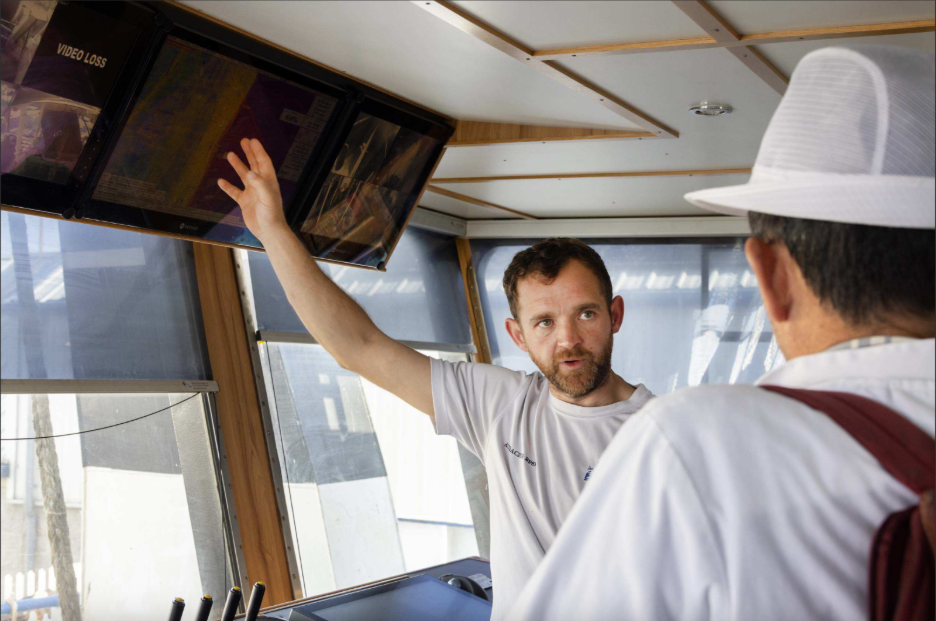
That’s why David Gatt in Scotland, Osbourne Stewart in The Bahamas, Nana Kweigyah in Ghana, and over 800 other fishers around the world participate in the Fishing Vessel Ocean Observing Network, or FVON. Participating in ocean science and filling in data gaps that exist beneath the surface of coastal waters is a way to give back to their communities, who rely on healthy oceans and accurate weather predictions.
The data collected from FVON fishing vessels are just one piece of the Global Ocean Observing System (GOOS), the United Nations coordinating body responsible for facilitating the collection of ocean data around the world. Each GOOS network provides its own set of ocean data complementary to other networks. When taken together, these create a more complete picture of the ocean and provide critical information for scientists, policymakers and industry to make sustainable, data-driven decisions.
International recognition for fisher-driven data
In May, the World Meteorological Organization (WMO) – one of the organizations that co-sponsors GOOS – released three Statements of Guidance (SoGs) for Atmospheric Applications, Cryospheric Applications and Oceanic Applications. The SoGs each give an overview of current data systems and recommend a roadmap for how they could be improved and expanded according to the needs of national meteorological and hydrological services.
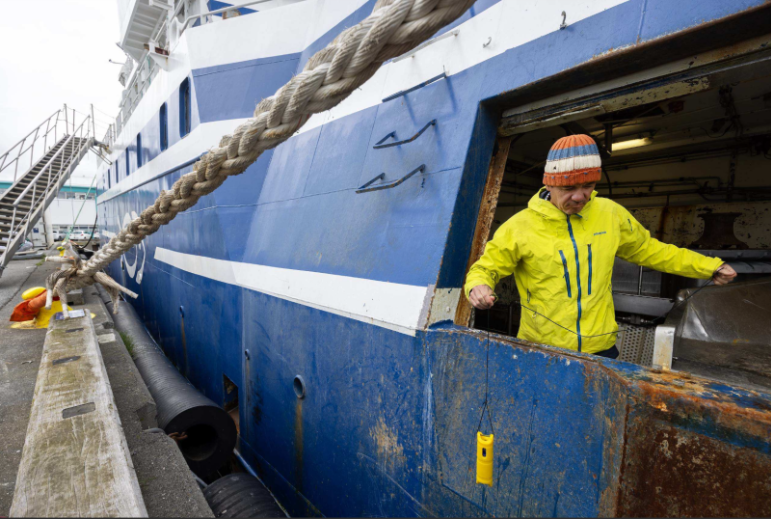
In the Atmospheric Applications Statement of Guidance, FVON was specifically mentioned as an exemplary and critical contributor of subsurface temperature data. The statement commended FVON’s strategy of employing sensors on fishing equipment to fill in subsurface ocean data gaps, thus creating more comprehensive coverage of the three-dimensional ocean and helping to better inform atmospheric models.
The Oceanic Applications Statement of Guidance identified several areas of growth, including the need to improve ocean, coastal and climate forecasting. Across all identified areas, temperature was continually recognized as a crucial contributor. The statement also recognized that despite its importance, large gaps remain for temperature data across the ocean. The document listed several existing observing networks already working to expand temperature observations, noting that FVON was helping to collect data in coastal and marginal sea regions, thus changing the landscape of ocean observing in difficult-to-reach regions. With additional investment and growth in observing systems like FVON, GOOS will be able to fill in gaps across the globe and create a more complete picture of our oceans.
Moving forward together
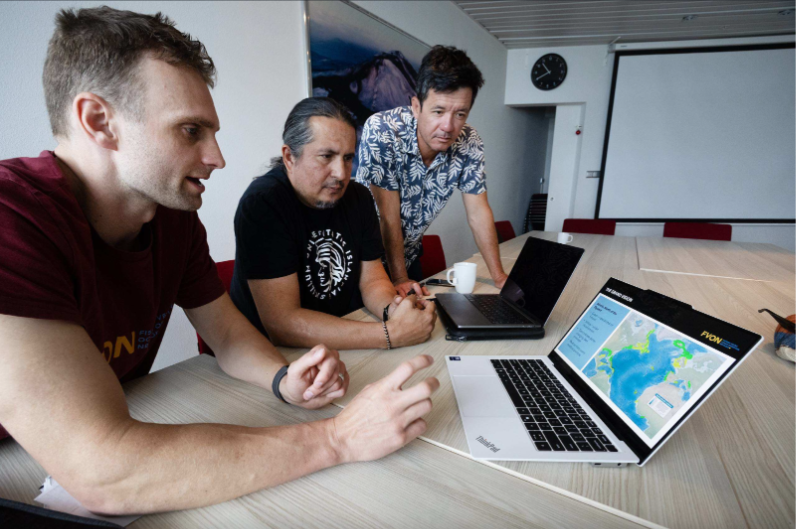
By filling in coastal and shelf sea data gaps, FVON is revolutionizing the way scientists, fishers and policymakers understand the ocean, prepare for climate change and extreme weather events and engage in the blue economy.
By recognizing this contribution, the WMO not only shifts the paradigm for what ocean scientists are capable of achieving – but also for David, Osbourne, Nana and the global coastal communities who will benefit from more accurate weather forecasts, safer seas and a healthier ocean.
For more information, check out the FVON website or follow its social channels below: