








Breaking the climate feedback loop without breaking natural systems
Posted: in News
Written By

Share
By Brian Buma
You may have heard that climate feedbacks (the ways the warming environment begins to make itself hotter like a microphone held too close to a speaker creates a vicious cycle of noise amplification that can blow out your eardrums) have gotten a lot of attention lately. With good reason, too. After more than a century of humans pumping fossil fuel emissions into the atmosphere unabated, natural ecosystems have started to release climate-warming gases on their own.
While this may seem like climate doomerism, don’t despair. I’m not. We have tools to manage these challenges; we just need to be strategic about how we develop and deploy them.
What are natural feedbacks doing to the climate?
Several recent collaborative studies from EDF, our colleagues at Spark Climate Solutions, Woodwell Climate Research Center and Stanford University found that these feedback loops could amplify global warming by 20-30% this century.
Much of this warming comes from increased wildfires, thawing permafrost releasing stored carbon, and warming wetlands releasing methane. It’s also coming from arctic ice, which has helped reflect sunlight back into space but is now melting into the dark open ocean, where it absorbs heat, creating more warming.
These are not insurmountable challenges. First and foremost, cutting fossil-fuel emissions is critical. Because reducing fossil fuel warming reduces these feedback processes, we are actually reducing total emissions into the atmosphere further than we think, because we’re simultaneously reducing warming-induced emissions.
It’s also essential to include these emissions in national greenhouse gas inventories, so we can plan for them – and nations can take credit for reducing them – as we scale mitigation. Beyond those immediate solutions, researchers are also developing road maps for addressing these feedbacks in innovative ways.
Why we need strategic science to mitigate feedbacks
To move efficiently from recognizing the problem to creating effective solutions, we need to identify scalable, impactful options. That means answering four key questions:
- Which actions work to reduce emissions from feedbacks?
- Where are the opportunities for those actions?
- What are the risks of those actions?; and
- How will we measure success?
Most of these questions speak for themselves—we don’t need to act everywhere. The last question gets to an issue that is harder to evaluate. Because these are new projects that aim to alter natural systems in new ways, “success” cannot be measured only by emissions reductions. They must also include careful monitoring for unintended consequences.
Reducing methane emissions from wetlands: a case study
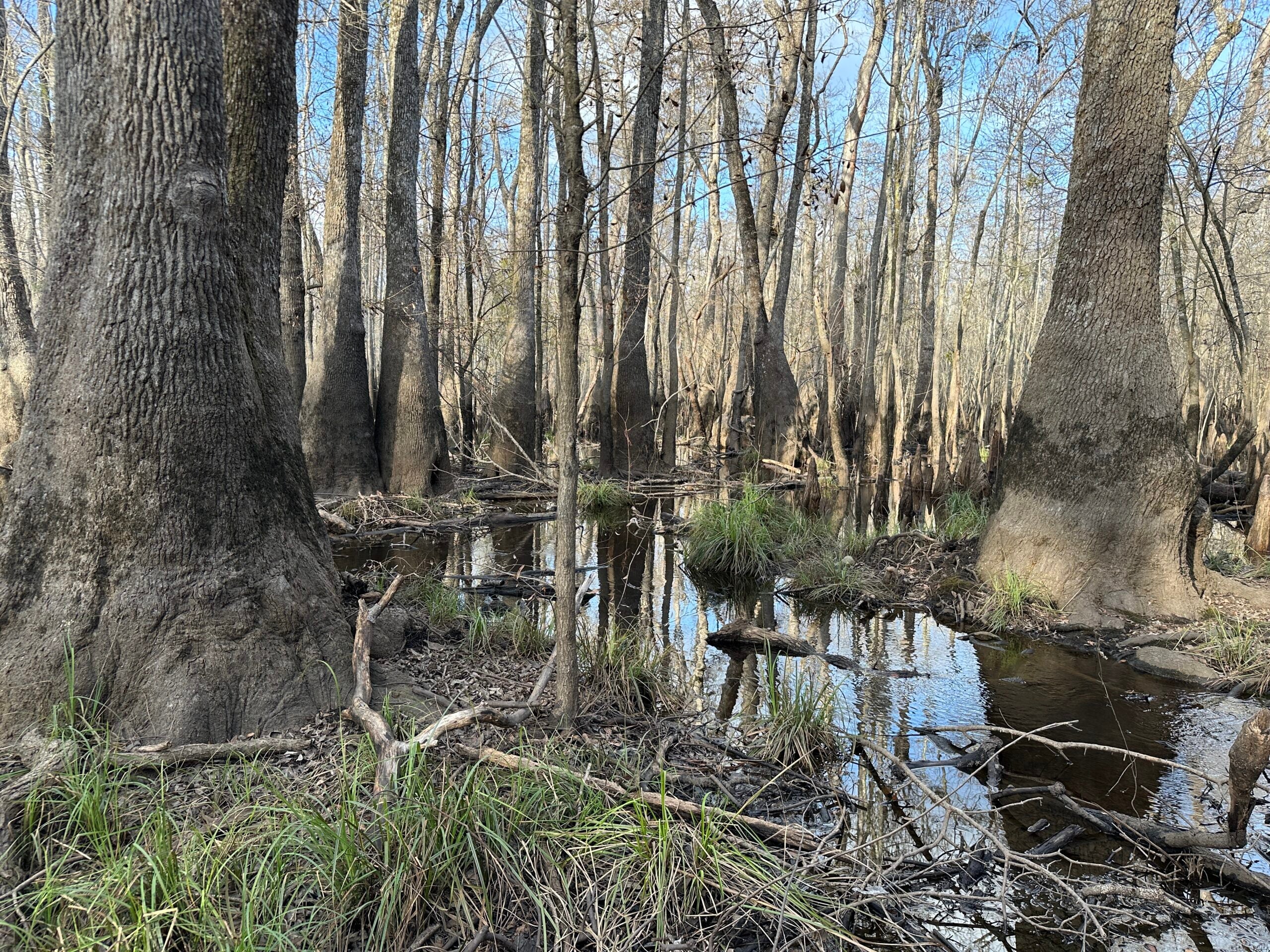
Wetlands are perhaps the strongest near-term feedback. Methane from wetlands seems to be increasing based on the latest atmospheric chemistry. EDF is funding work to experiment with adding minerals to wetlands to reduce methane production to natural levels – and we’re having success, seeing reductions of 40% or more in the lab and test locations. And globally, targeting just 8% of wetlands might cover ~60-80% of the additional emissions.
But there’s reason for caution. Adding sulfate-rich materials to wetlands may suppress methane-producing microbes, but this approach could generate hydrogen sulfide, which is toxic and harmful to some plants. It could disrupt methane-eating bacteria, harm plant life and water quality, or even disrupt the food web. That’s why it’s critical to conduct deliberate, careful research while engaging local communities and developing policies to maintain guardrails so we can sustain wetland functions (which includes expected methane production) rather than engineering them out of existence.
These are all answerable questions – with good science and engagement we can learn quickly before deciding to implement something like this at scale.
Boreal forest fires offer a parallel
Fire is also a growing climate feedback. But, we neither can nor should attempt to battle every forest fire that breaks out. The key is knowing which fires to fight, and which to allow to burn.
Managing emissions by stopping extreme wildfires might be surprisingly effective and efficient, but we need to be strategic here, too. When we manage fire for climate purposes, not all fires are equal. Some warm the planet; some may not. A Nature Geoscience paper identified boreal fires – the ones occurring in drier areas with lots of soil carbon, dark coniferous trees and permafrost as strong warmers. Fires in areas without permafrost, thin tree cover to begin with, or deciduous trees are less warming.
This complexity helps us, because we can’t and don’t want to act everywhere. We should act in places where we can have the greatest impact.
We can use a similar approach to restore peatlands
Organic wetlands (peatlands) are deep carbon stores and critical environmental features for biodiversity, clean water, and other reasons. Restoring them can begin to build carbon stocks, a natural carbon dioxide removal strategy. But, they’re also a growing source of methane. A new EDF study examined the balance of peatland restoration for climate while considering methane and other benefits.
Restoring peatlands is generally good for the climate, but where restoration happens matters. Strategic targeting can deliver three times greater near-term benefits than ad hoc restoration, while some drained peatlands may increase greenhouse gas emissions after restoration because of higher methane production.
There are other reasons to restore peatlands, including flood reduction and improved water quality, and we found that some areas delivered both climate and ecological wins. Regions with strong opportunities for restoration include northern India, eastern China, central Europe, and Southeast Asia. We need to work with local communities, consider local water conditions, land-use history, costs, stakeholder support, restoration methods, and future methane risks before deciding where and how to restore them.
Reasons for optimism
We had a brutally hot summer – and where I live in the US Rockies, that summer came after a brutally hot and dry winter. In Washington, we’re currently fighting a series of policy rollbacks that are antithetical to climate progress. However, I see plenty of reasons to remain optimistic. Here are a few related to these new solutions:
- Strategies to reduce emissions from global grasslands and savannas could reduce emissions by 10-50%.
- Controlling rice paddy methane (like wetlands, sensitive to warming) via water management may reduce methane 1/3 and decrease heavy metals by 40%.
- New textile mats could reduce surface temperatures significantly in the Arctic and be deployed over thermokarst or other thawing permafrost locations. The concept is moving towards testing by the Department of Energy in Alaska.