










USDA gives big boost to sustainable farming in North Carolina
Posted: in Agriculture
Written By

Share
 Environmental Defense Fund’s efforts to improve sustainable farming practices through the grain supply chain received another boost, thanks to a USDA Regional Conservation Partnership Program (RCPP) grant of $500,000 in North Carolina.
The award supports EDF’s collaboration with Smithfield Foods, the world’s largest pork producer, and brings in university and grower organization partners. In 2014, Smithfield’s hog production division made a commitment to engage 75 percent of its grain sourcing acres, or about half a million acres, in sustainable farming practices by 2018. These practices reduce fertilizer losses to the water and air, thereby improving water quality and cutting greenhouse gas emissions.
In 2015, through a sustainability program called MBGro, Smithfield helped farmers plant cover crops, use efficient nitrogen sensors, and employ other conservation practices on nearly 100,000 acres in the Southeast. Earlier this year, the company announced the expansion of its sustainable grain program to its Midwest sourcing region with ag retailer United Suppliers.
And now, the RCPP project officially kicks off this week – and will directly engage producers to expand conservation practices in agriculture. Here’s what it entails.
Environmental outcomes
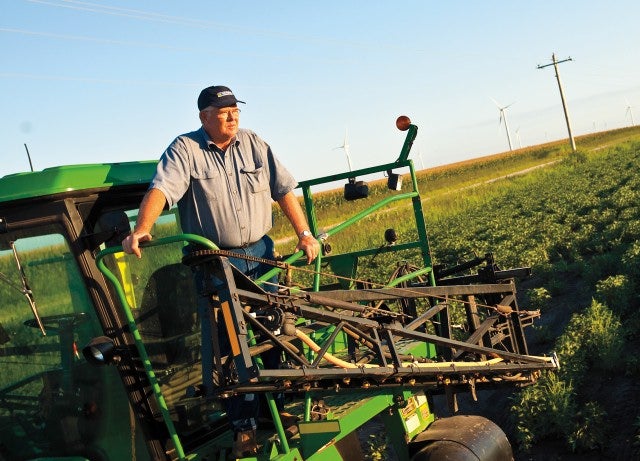 The RCPP funding aims to improve water quality and soil health as well as reduce greenhouse gas emissions from grain agriculture – all while maintaining strong grain production in North Carolina. The RCPP funds will go directly to farmers who implement conservation practices such as nutrient management, cover crops, and conservation tillage.
The project will also select a demonstration watershed that will combine both in-field practices such as fertilizer efficiency with targeted edge-of-field such as riparian buffers. Both kinds of practices are needed to improve water quality outcomes.
Partners
NC State University is working to showcase the economic and environmental benefits of these practices, particularly the short-term nutrient and water benefits of cover crops. The University of North Carolina will conduct watershed modeling to support the demonstration watershed.
The North Carolina Farm Bureau, Soybean Producers Association, Corn Growers Association, Small Grain Growers Association, and Pork Council will conduct outreach to producers through their extensive networks, to increase participation in the program.
These organizations will gauge success and measure project outcomes by closely tracking adoption of each of the promoted conservation practices, and modeling their environmental and economic benefits.
Reaching a tipping point
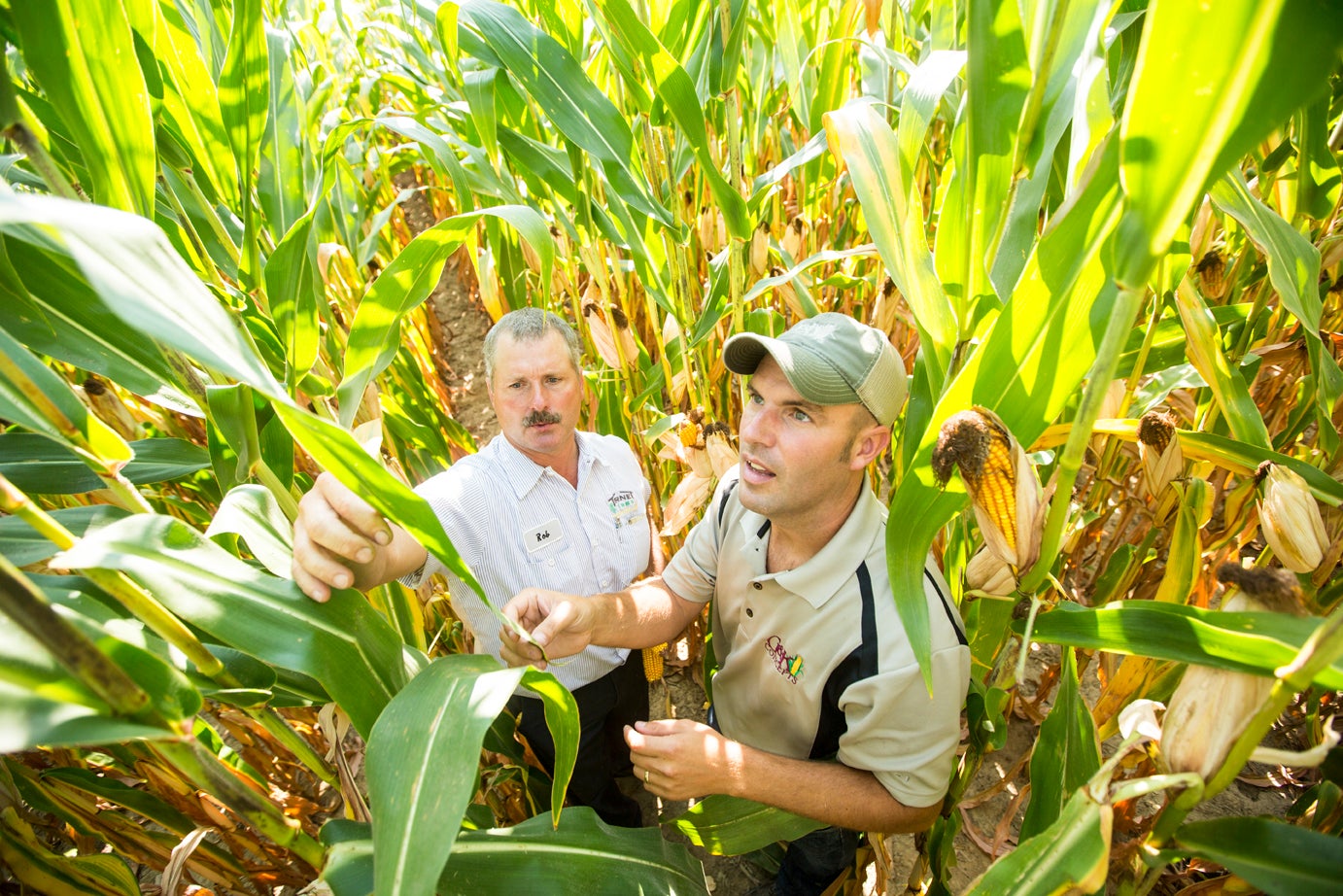 RCPP provides an exciting opportunity for public-private collaboration that has enormous potential to make sustainability the norm in the grain supply chain.
Furthermore, the program encourages innovative approaches to implementing conservation practices, thereby encouraging partners to tackle agricultural conservation challenges in new ways. With this project, EDF hopes to create a sustainability model that can be replicated across the country by companies and agricultural practitioners.


2 Comments
Congratulations Maggie and Suzy, I know you worked tirelessly to bring these partners on board.
Thank you Aimee!