







Maximizing Limited Data to Improve Fishery Management
Written By

Share
By Ashley Apel
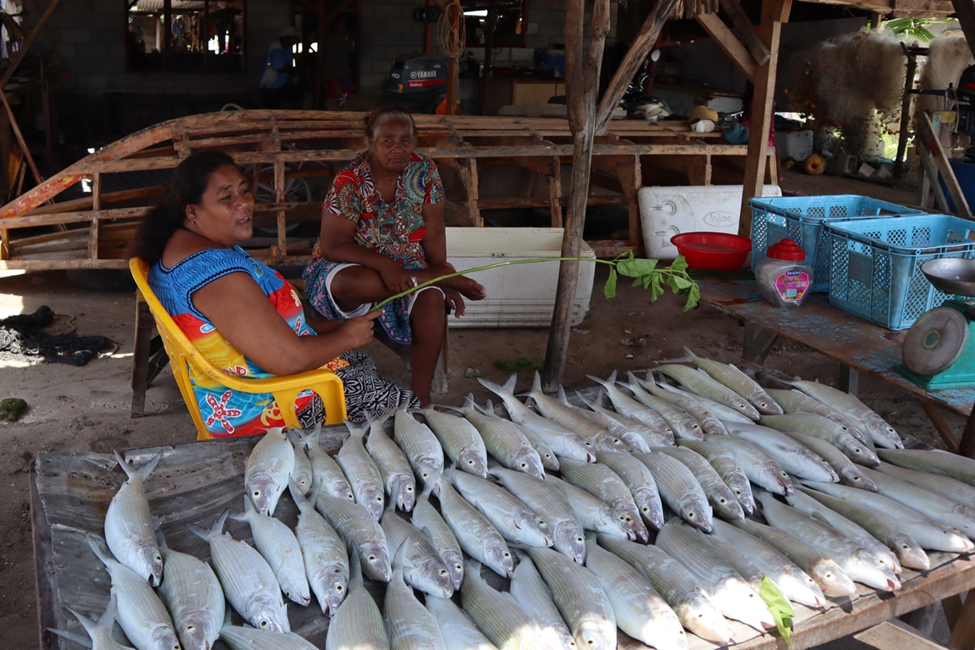
According to a recent study published in Science, nearly 80% of the world’s catch comes from “data-limited” fisheries. Not surprisingly, research shows that many of these fisheries are facing collapse, jeopardizing the food security of hundreds of millions of people in developing countries who depend on seafood for a majority of their dietary protein.
Historically, fisheries with little data had few science-based management options. But new methods are being continuously developed and used in the field that deliver science-based results, even in the absence of long-term, historical catch data. Since fishery stock assessments can be extremely complex, EDF recently developed a user-friendly, six-step framework as part of an overall guide to Science-Based Management of Data-Limited Fisheries.
The framework outlines a systematic approach that fishery managers can use to conduct quick and relatively inexpensive assessments. The methods allow stakeholders in data-limited fisheries to estimate risks to marine ecosystems, determine vulnerability of a stock to fishing pressure, calculate the level of overfishing, assess the sustainability of the fishery, and establish sustainable fishing targets and other management reference points.
Download the guide on Science-Based Management of Data-Limited Fisheries or download the entire toolkit for fisheries. Feel free to send questions or comments to catchsharequestions@edf.org.