


Water became Arizona’s top electoral issue for the first time. What does that mean for our future?
Written By

Share
“You’re not going to believe this. I’m going to be on TV in France!” Mark Spencer, a homeowner from southern Arizona, told me. If you live in Arizona, you might assume this was a recent conversation. For the last couple of months, many of us have seen political ads or news stories about water almost every day. But Mark’s surprise interview with French journalists was in 2023, when polling showed water just starting to emerge as a prominent issue.
Three years later, in the wake of the midterm elections, pundits are debating what political shifts mean around the world, across the U.S. and here in Arizona. One fascinating thing stands out: For the first time, water is the top issue with voters in the Grand Canyon State. How did that happen? And what does that mean for our future?
Water on the campaign trail
“Water is life” became a major campaign slogan around my hometown, Flagstaff. Gov. Katie Hobbs’ commercial about water featuring Cochise County farmer Ed Curry attracted nearly 5 million views on YouTube. Attorney General Kris Mayes ran a commercial entirely about out-of-state corporate farms pumping groundwater without restrictions. Experts don’t remember statewide candidates even talking about water in the past.
The tanking Colorado River loomed large this year. Even groundwater, which years ago was often overlooked in public discourse, became a major electoral focal point. Mark’s neighbor, Melanie Lawrence, found herself in the Washington Post alongside both candidates for Arizona governor and attorney general, sharing her concerns about wells going dry. The headline: In a thirsty swing state, ‘panic’ over water shapes the election.”
London think tank Chatham House also took notice of water becoming a top electoral issue, echoing what local communities have said for years, “governments should take note…Water security is increasingly…about economic and political security.”
From obscurity to the mainstream
Water wasn’t always a major issue with the public. I noticed that starting to shift during Arizona’s Colorado River Drought Contingency Plan process. Its passage in 2019 drew new public attention to water. Later that year, award-winning journalism from Ian James, Rob O’Dell and Mark Henle shone new light on what rural communities were experiencing as their groundwater supplies vanished. As water gained more attention, community leaders closest to insecurity found more opportunities to share their experiences with broader audiences.
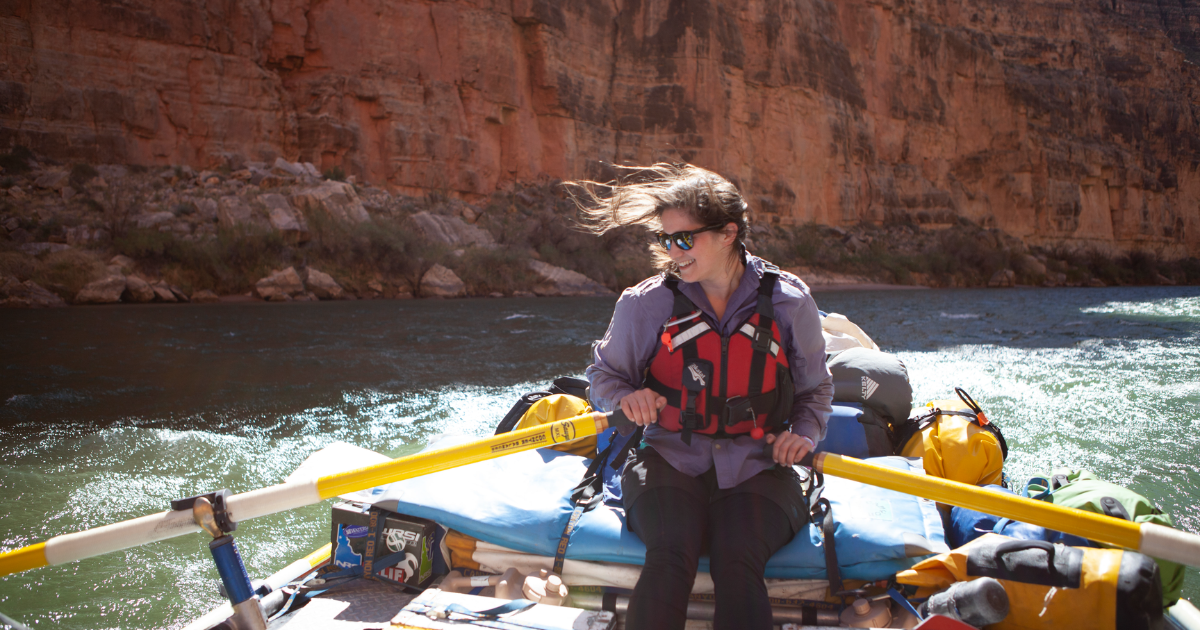
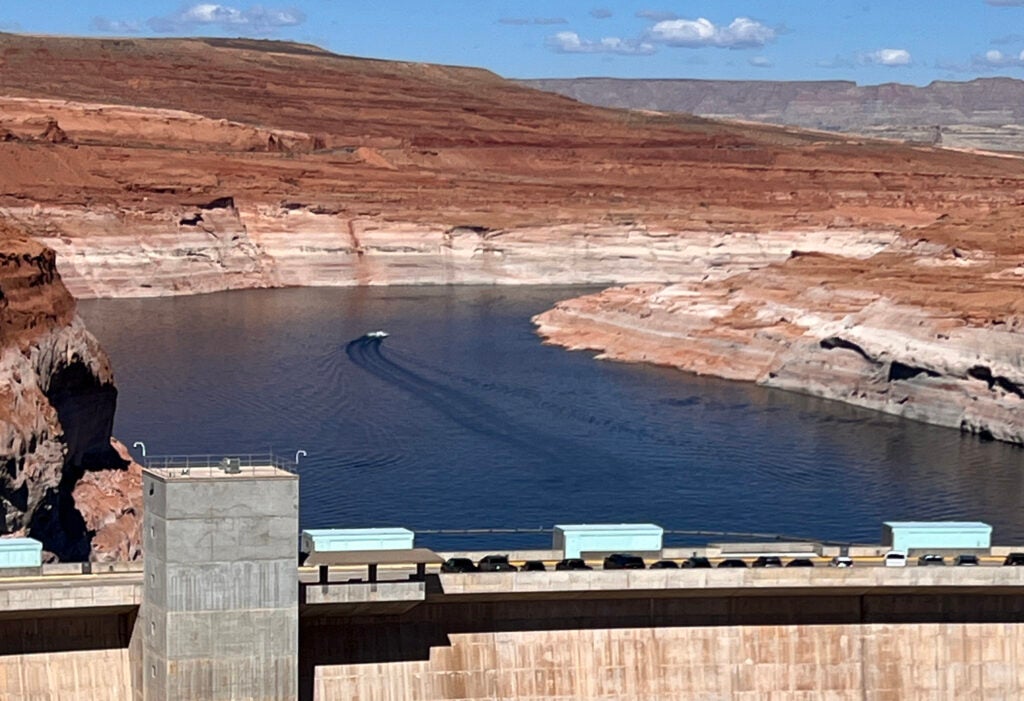
A few years later, Lake Powell fell so low that the cracked dirt where my parents had honeymooned on a houseboat became a symbol of the West’s water crises. While the Colorado River was shrinking, residents in the Douglas area in southern Arizona passed new regional groundwater protections by a vote of the people for the first time in state history. Their groundbreaking campaign often talked about water in relation to quality of life, fairness and even survival.
Local community leaders now regularly appear in public meetings and in news coverage alongside experts, traditional water stakeholders, and decision-makers. This relatively new phenomenon wasn’t an accident. Communities organized across regions of the state. They welcomed reporters into their homes, convened community dialogues, drove hours to testify at public hearings, and even took the governor on tours.
Their efforts helped establish new groundwater protections in four additional regions of Arizona within only three years, a historic feat. If that weren’t enough, in recent months, residents in western Arizona’s McMullen Valley launched an effort to put new regional groundwater protections on a special election ballot in the spring — another first. Communities across the state are expanding what many of us thought to be possible.
From a good story to a kitchen table issue
How did water make the jump from a rising story to a major electoral issue? What community leaders have been saying might offer some insight:
- Over 200 residents in Cochise County signed a letter to state leaders saying, “we are all residents …who depend on the groundwater here to sustain our lives and our homes.”
- Four county supervisors in a recent oped described groundwater as the “lifeblood of our communities. It sustains families, supports local economies and helps secure a future for the next generation.”
- DeVona Saiter, a resident in rural western Arizona, commented, “It just blows my mind to think that this community that has been pretty self-contained…reliant on each other, that it can be gone.”
These few examples touch on themes of home, family, economic opportunity, self determination, and the next generation. Thousands more public comments, quotes in the media, and letters from community leaders and residents have accumulated in recent years. Taken together, I believe these accounts would show that people increasingly relate water to their ability to make choices about their future — the opportunity to stay in a place and build a life.
What does this mean for our future?
“Last time I checked, there wasn’t Democratic water and Republican water. There’s water for our state,” said then City of Prescott Mayor Phil Goode, a Republican, standing next to Democrat Gov. Hobbs in early 2025. Water crosses party lines, especially locally.
A staggering two-thirds of Americans believe society is too divided to solve problems, and three-quarters say they are “exhausted” by division. Our shared dependence on water can intensify divisions — or become the basis for cooperation.
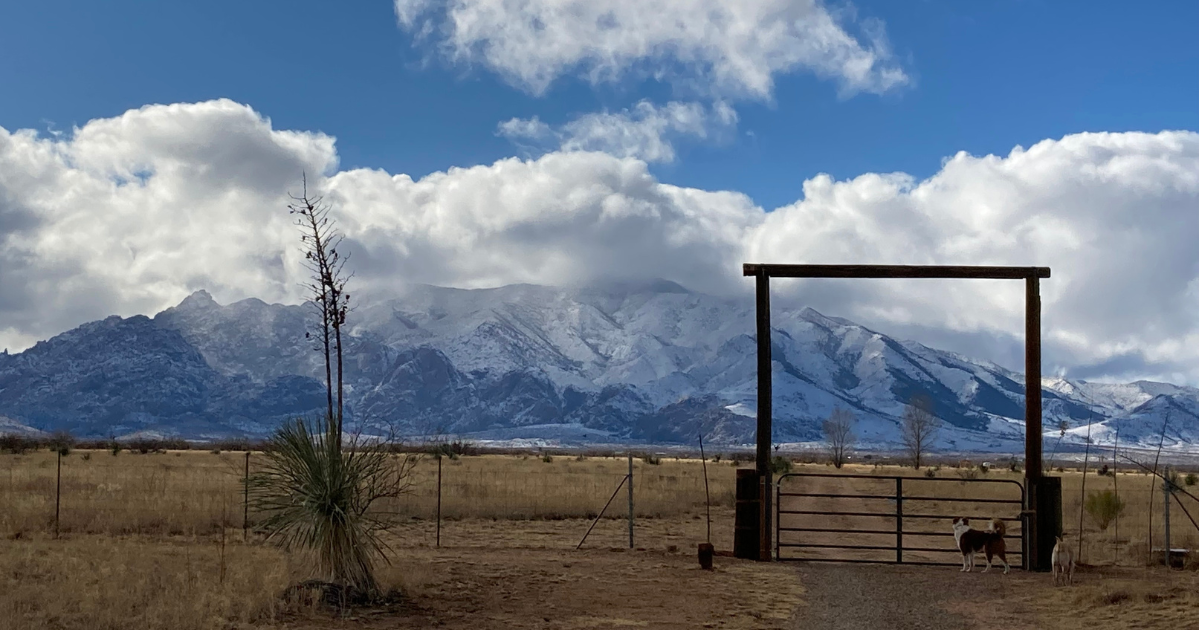
“Healing has been one of the most unexpected outcomes,” Steve Kisiel, who shares a well with Mark Spencer in rural southern Arizona, told me as their community began to manage shared groundwater for the first time. He’s seeing reconciliation taking root as they move forward, but he also emphasized difficult decisions, imperfection, and the hard work ahead.
Adapting to significantly less water across Arizona will require that same willingness to work toward a common future. That means groundwater security for all communities; multibenefit watershed restoration; augmentation and reuse; investing in rural economic transitions; and completing tribal water rights settlements.
To make that happen, we will need new dedicated revenue and strong partnerships and governance. Much of this work is underway. Given the imminent challenges we face, the work needs to go faster at larger scales. My hope is that water becoming a major electoral issue brings more focus, support and resources.
The opportunities that future generations have in this place we call home will depend on the choices we make on water in the next few years. It’s now up to us to find the courage and imagination to make this moment count.