








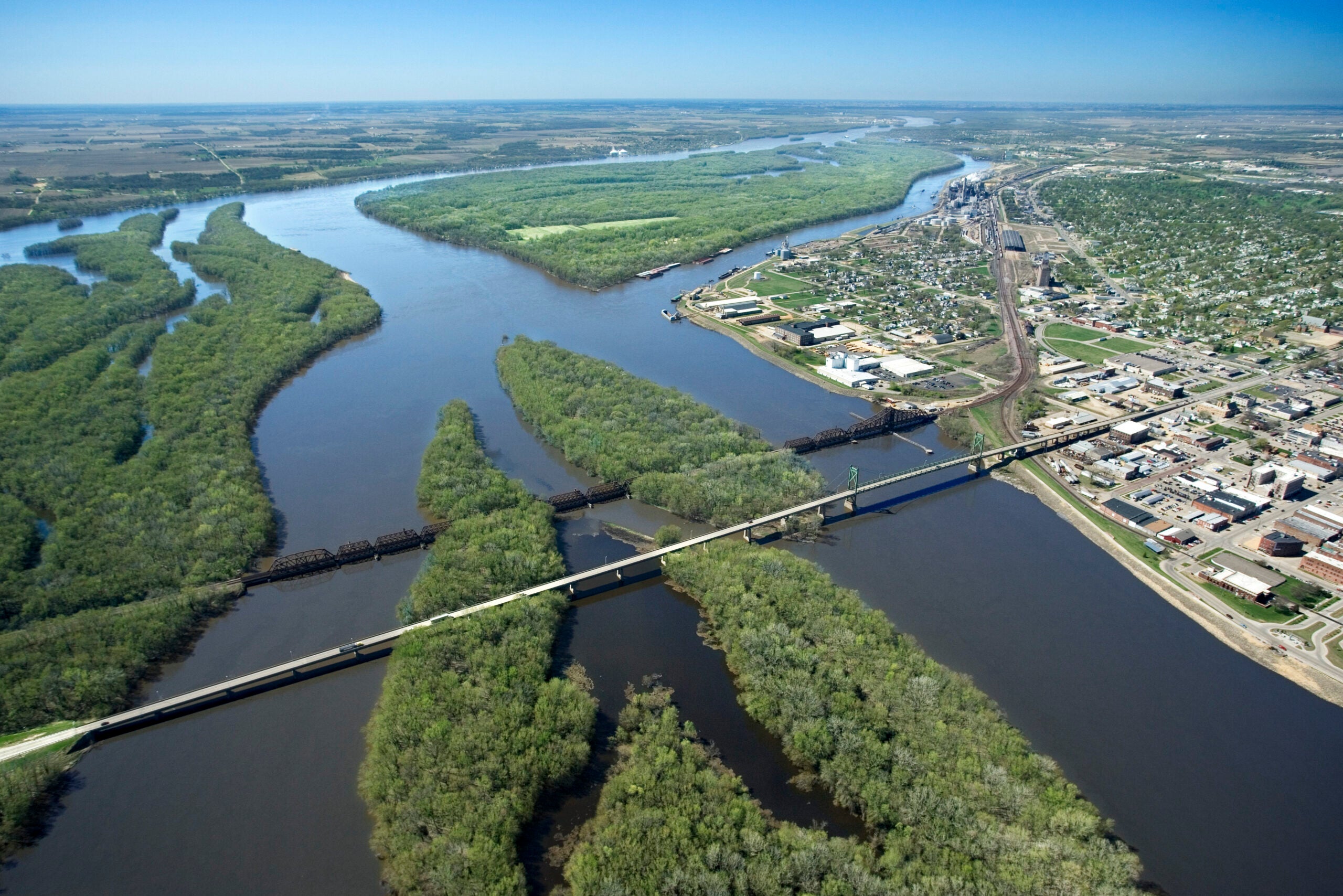
Bringing nature into the NFIP: Rewiring the National Flood Insurance Program pricing and models to leverage nature-based solutions to reduce flood risk
Posted: in Climate Change, Economics
Written By

Share
This blog was authored by: Talley Burley, Senior Manager, Climate Risk & Insurance, and Kelly Suttles, Adaptation Scientist for Flood Resilience.
Floods are hitting American households and communities more than ever before, and they’re causing costly consequences. Natural solutions like mangroves, wetlands and rain gardens are evidence-backed ways to protect communities from rising floods—but they’re not fully recognized in flood insurance pricing or programs. Environmental Defense Fund’s new report explores how we can recognize and price the value of nature into the National Flood Insurance Program, so that we can all better leverage nature to protect people, communities, economies and ecosystems.
Recent disasters—including in the Texas Hill Country to Southern California to New York City—show how quickly floods can overwhelm communities. In the United States, flooding is the most common and most expensive natural hazard: Flood damage has cost us $46 billion a year over the last decade, and climate change could increase those damages by as much as one-third by 2050. In response, we need to find ways to redesign and adapt our communities to protect our families, homes, and communities from floods.
To do this we can look to nature, such as wetlands, mangroves, forests and other natural systems that can absorb water, slow runoff, reduce storm surge and limit flooding. These “nature-based solutions” not only promote resilience but provide co-benefits for people and nature, including improved biodiversity, recreation and well-being.
We can already see the protective power of nature in action: Recent research by SwissRe shows that natural habitats help to reduce the frequency of insurance losses from floods in coastal Florida by half. Mangroves drastically reduced storm surge and property damage during Hurricanes Irma in 2017 and Ian in 2022 based on analysis by UC Santa Cruz and partners.
But, despite the evidence that nature-based solutions play an important role in protecting communities from flooding, they aren’t fully recognized in insurance pricing or the models that underpin insurance pricing. We can resolve this by making deeper connections and synergies between the work on the ground and National Flood Insurance Program (NFIP), helping to make sure these investments not only keep communities safe after disasters, but also help to address rising flood insurance costs.
Because financial support after major floods or storms is usually limited and flood damage is excluded from standard homeowners’ insurance policies, the NFIP provides the majority of flood insurance policies to property owners in the United States. It shapes how communities understand their flood risk, decide where to build, and choose strategies to reduce flooding. The NFIP also influences which investments in flood prevention get rewarded with funding. But the NFIP does not clearly or consistently recognize the full value of nature in reducing flood impacts.
Without a clearer connection between NFIP and nature, communities may have less incentive to invest in nature as a solution to reduce flood losses and lower costs.
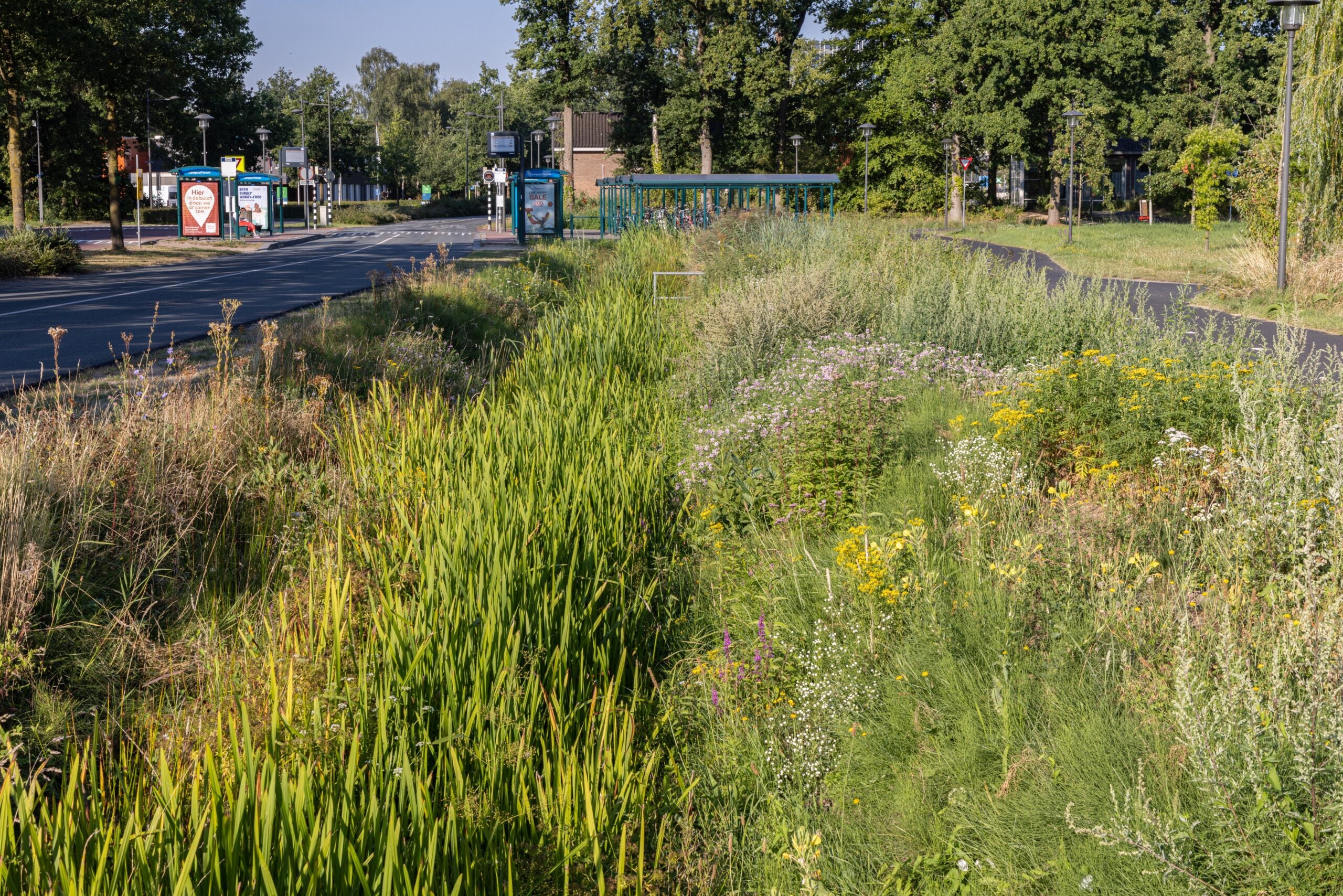
Our latest report explores how the models and pricing in the NFIP can better recognize nature as a major tool to reduce flood risk and thereby drive governments and communities to invest in nature as a flooding solution.
Over the last year, EDF and our partners reviewed the science and engaged with experts across flood insurance, modeling, engineering, conservation and local government to identify strategies to better integrate nature into the NFIP. Four key findings emerged from our research:
- Risk models play an important role in pricing flood insurance but may not be the best tool to reflect all types of nature-based solutions: Traditional catastrophe models are not regularly updated and typically unable to capture local mitigation. These models may already include some nature, but parsing out the role of nature in reducing flood risks from all the other data in the models can be tricky.
- Precedents exist, but we need new standards for nature: While the models may not be able to do everything we need, precedents for how insurance pricing reflects other types of localized or project specific flood mitigation can serve as a blueprint. We can look to existing levee credits or community discounts as starting points, but we must first create simple, standardized metrics to measure nature’s exact benefits in order to reflect those benefits in insurance pricing.
- Nature is complex and constantly changing: Natural solutions vary by type, grow over time, and can age. Furthermore, planting trees or restoring wetlands in one area often protects a completely different area downstream. These dynamics make it extraordinarily complex to calculate the impact of nature and reflect it within insurance pricing. New science and modeling techniques have started addressing these challenges, creating a pathway to better incorporate the benefits of nature in risk models and insurance pricing.
- Insurance discounts alone are not enough to incentivize investment in nature: Lowering insurance premiums won’t spark widespread investment in nature-based solutions on its own. To drive real action, we also need modernized FEMA flood maps, stricter floodplain rules, and clear transparency about how flood mitigation lowers premiums.
With these insights, we found that four primary approaches can bring nature-based solutions more thoroughly into NFIP’s modeling, pricing, and programs. Focusing where the science is the strongest, coastal ecosystems, will build a pathway to better reflect other nature-based solutions in flood insurance pricing:
- Improve our understanding of how existing natural assets and nature-based solutions are already recognized in catastrophe models.
- Use existing precedents to apply a post-model adjustment that recognizes the flood-risk reduction benefits of nature-based projects. This post-model adjustment conducted after catastrophe modeling can account for the risk-reduction benefits of nature through targeted discounts or similar adjustments.
- Strengthen the NFIP’s Community Rating System by expanding the eligibility of nature-based solutions and addressing existing program barriers that can limit participation and advancement.
- Modernize FEMA flood maps and floodplain management standards to better guide flood mitigation and land use decision-making; and reduce the potential for development that drives nature loss and degradation of natural systems.
Implementing these solutions will require reforms to the NFIP, improved datasets, cross-sector collaboration, pilots, and analysis to test how nature is reflected in insurance ratings, and clearer communication about how flood mitigation affects premiums.
Communities need every credible tool available to manage rising flood risk. When nature helps protect people and property, the NFIP should recognize that value.