Climate change solutions
We deliver game-changing environmental solutions that have a real impact for people around the globe.
By Liora Fiksel, Project Manager, Healthy Communities, and Lisa Lefferts, Environmental Health Consultant
While exposure data are scant, people who are choosing decaf coffee during pregnancy or for other health reasons may not realize that some popular brands contain methylene chloride.
On December 21, 2023, FDA filed a food-additive petition and a color-additive petition submitted by EDF and partners that asks FDA to revoke its approval for four carcinogenic chemicals approved for use in food.
There is broad agreement that benzene, trichloroethylene (TCE), methylene chloride, and ethylene dichloride are carcinogenic,1 and federal law2 is clear: additives that cause cancer in humans or animals are not considered “safe.” All the chemicals have been identified as causing cancer in humans or animals since the 1970s and 1980s.3 (more…)
By Maricel Maffini, PhD, Consultant, and Tom Neltner, JD
In December 2023, FDA’s scientists published a new study showing that when pregnant rats ingest a form of per- and polyfluorinated alkyl substance (PFAS) called 6:2 fluorotelomer alcohol (6:2 FTOH) their bodies break it down into other PFAS that reach the fetuses and biopersist in the mother and the pups.
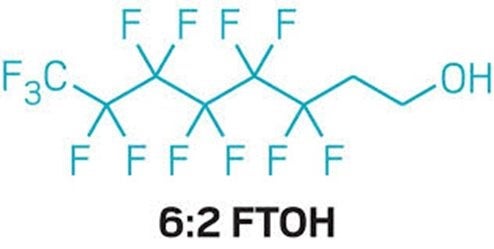
The study also showed that the body of a non-pregnant animal produces different breakdown products that also biopersist. This study is the latest evidence that the assumptions made about the safety of short-chain PFAS (chemicals with fewer than 8 carbons) have been wrong. (more…)
Note: This is the last in our 6-part series of blogs on EPA’s proposed changes to its new chemical review process. See below under Go Deeper for links to the other blogs in the series.
In our previous blogs in this multipart series, we have focused on some of the major changes we believe EPA needs to make in its review process for new chemicals—and how EPA could propose regulations to make those reviews safer.In this post, we want to walk you through why EPA must set rules that protect us from all the ways that a chemical is likely to be used. (more…)
EPA has proposed improvements to the Lead and Copper Rule (LCR) to reduce lead in drinking water. The proposed rule would require utilities to eliminate the nation’s roughly 9.2 million lead service lines (LSLs) at an estimated cost of $2.1 to $2.9 billion per year.1
The socioeconomic benefits from the rule vastly outweigh the cost and range from $17.3 to $34.8 billion per year2 – a whopping 8 to 12 times the annual cost of replacement. (more…)
NOTE: This blog was originally published on our Deep Dives blog on April 13, 2023. It predates the recent reorganization efforts at FDA.
FDA estimates that, each year, food companies designate 82 new food chemicals as “GRAS” (Generally Recognized as Safe) for use in food. On average, FDA reviews only 64 of those new chemicals for safety. For the remaining 18 chemicals in FDA’s estimate, the companies making and marketing them for use in food or in the food-production process choose not to seek a voluntary review by FDA.
In comments to the agency, we said we think FDA’s estimate may be too low – and the number of new chemicals added to food that bypass FDA review may be as high as 130 new food chemicals a year (significantly higher than 18). This is based on searches of company marketing claims. In an 8-week period, we identified 10 chemicals claimed as GRAS without a submitted notice to FDA seeking voluntary review. (Please see our comments for a full explanation of our estimate.) (more…)