Climate change solutions
We deliver game-changing environmental solutions that have a real impact for people around the globe.
What Happened:
Bipartisan support is growing for food safety reform as U.S. Food and Drug Administration (FDA) is considering comments on a new process for reassessing chemicals already on the market . On January 21, EDF submitted comments to FDA on how the agency should strengthen its proposal for a process to ensure the safety of existing ingredients in the market. While EDF supports modernizing FDA’s Human Food Program processes and methods, the current proposal falls short on transparency, efficiency, and scientific rigor.
Why it Matters:
The public deserves a systematic, science-based approach to food chemical safety. FDA’s current process is outdated, opaque, and reactive rather than proactive. Delays in addressing chemical safety are common, with FDA often taking years to act on food additive petitions and chemical reassessments. Many food chemicals were approved decades ago using little or no data and have not been reevaluated since.
FDA often relies only on its own studies, while ignoring or disregarding findings from other authoritative institutions such as the National Institutes of Health (NIH) and the European Food Safety Authority (EFSA), seemingly unable to acknowledge modernizing science. This failure to consider the full picture and the best available science undermines public health.
Additionally, the agency fails to consider the cumulative effects of multiple related substances. People aren’t exposed to single chemicals in isolation, yet the FDA continues to evaluate them as if they are.
While FDA leadership has emphasized that food chemical safety is a top priority for the Human Foods Program, historical lack of action has driven states like California to implement its own food additive regulations. This state-by-state approach creates a patchwork of rules that highlights the urgency for stronger federal leadership to protect all Americans from toxic chemicals.
Our Take:
FDA’s proposed process is a step forward but needs significant improvements.
While developing this process, FDA can take immediate action on priority chemicals. EDF and others have already petitioned the agency to act on harmful phthalates, per- and poly-fluoroalkyl substances (PFAS), cancer-causing solvents (including methylene chloride), and titanium dioxide, BPA and lead. These toxic chemicals do not belong in our food. With growing bipartisan support for stronger food safety regulations, FDA has an obligation to be a leader in this space. About two-thirds of American adults across political ideologies “strongly or somewhat favor” restricting or reformulating processed foods to remove added sugars and dyes signifying wide support for greater regulation on food additives.
Next Steps:
It is critical that FDA reevaluates its processes for determining the safety of chemicals in our food. EDF will continue to pressure FDA to act now on high-priority food chemicals, using the best available science and enforcing laws that effectively protect people’s health.
Go Deeper:
Read the full version of the comments EDF submitted to FDA here.
What’s New?
With more than 70,000 lead service lines, Milwaukee holds the #5 spot in our top 10 cities with the most lead pipes. But the city is taking action to get the lead out. Officials are implementing a robust replacement program that leverages federal funding to focus on neighborhoods that need it the most.
The Bipartisan Infrastructure Law, signed by President Biden in 2021, has enabled Milwaukee to triple its lead pipe replacement goals – from about 1,000 lines per year to 2,200 in 2024 and 3,500 in 2025.
Critically, their program covers replacement of the entire line, including the portion on private property, at no cost to property owners. This practice avoids harmful “partial replacements,” which can increase the release of lead into the water and thus exposure to those that live in the home. Additionally, contractors must allocate 25% of project dollars to small business enterprises and ensure that 40% of work hours are performed by workers from local disadvantaged areas.
Our partners at Waterloop took a deep dive into this issue:
Video courtesy: Waterloop
Why it Matters
Milwaukee’s program demonstrates exactly the type of progress to get the lead out that Congress and President Biden envisioned when they passed the Bipartisan Infrastructure Law – committing $15 billion in federal funds to tackling the issue of lead pipes across the nation.
This episode is just the first in a three-part series that spotlights communities at the forefront of these efforts to replace harmful lead pipes. Lead has been linked to permanent neurological damage and heart disease. Children, particularly in low-income communities and communities of color, experience the greatest burden from lead exposure. This is due to many factors, including discriminatory practices in housing that have left communities of color with greater poverty and substandard housing.
Next Steps
Stay tuned for upcoming Waterloop episodes on lead service line replacement, which are supported by EDF, the Environmental Policy Innovation Center, and BlueConduit. Explore our map to see if there are ongoing efforts to replace lead pipes in your community. If not, let us know – your input helps us keep the map up-to-date and showcase water utilities’ commitment to transparency across the country.
What Happened?
EPA just proposed to designate five chemicals, including the widely-known toxic chemical vinyl chloride, as high-priority chemicals – meaning they are toxic to human and/or environmental health. If finalized, these chemicals will immediately undergo the risk evaluation process under the Toxic Substances Control Act (TSCA).
When designating these chemicals as high priority and moving forward in assessing their health risks, EPA can – and should – consider exposures to multiple chemicals that can cause the same health harms. To demonstrate the importance of these cumulative exposures, we conducted analysis on co-exposures to these five chemicals and submitted this analysis to EPA for greater consideration of real-world risks faced by individuals exposed to these toxic chemicals.
Why It Matters
Communities near industrial facilities are often exposed to multiple chemicals that cause the same health effects. Evaluating the health risk of these chemicals individually, as currently done by EPA’s TSCA program, often underestimates the true risks communities face. Additionally, many of these fenceline communities experience a variety of non-chemical stressors that exacerbate health effects from chemical exposure, such as physiological stress from poverty and racial discrimination, limited access to healthcare, or health effects from climate stressors like flooding and heat. Failing to consider these cumulative stressors on health in chemical risk evaluations often underestimates the actual risks these chemicals can pose to human health.
Our Take
Our analysis of Toxics Release Inventory (TRI) data from 2016-2021 shows that many chemicals that cause the same health effects – such as cancer, central nervous system (neurological), cardiorespiratory, liver, kidney, and thyroid, and reproductive and developmental effects – are often released together from the same facilities. For example, chemicals that cause cardiorespiratory effects are released with at least one other chemical that causes these same effects 74% of the time.
For the five chemicals that have just been proposed as high priority under TSCA, all are known or probable carcinogens with some causing other adverse health effects. Based on our analysis, there are a few notable co-releases that EPA should consider when assessing cumulative risk with other chemicals causing the same harms. For example, creosotes, which are also probable carcinogens that can cause liver, kidney, and thyroid effects, are released 11% of the time with acrylonitrile, 18% with aniline, 11% with vinyl chloride, and 11% with 4,4-methylene bis(2-chloroaniline).
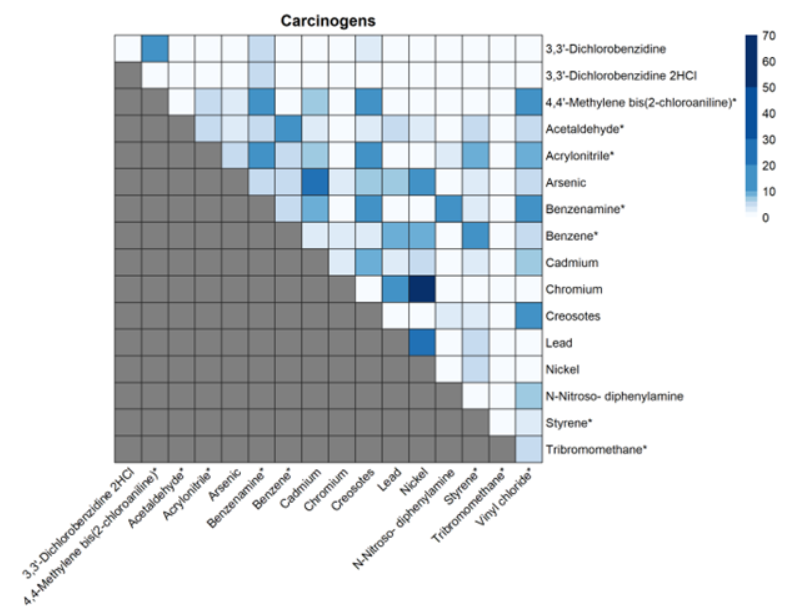
To demonstrate that EPA should also consider non-chemical stressors such as climate and environmental justice in its TSCA prioritization and risk evaluations, we looked at the vulnerability of communities to climate and environmental justice factors in areas where certain chemicals are released using EDF’s Climate Vulnerability Index. On average, vinyl chloride is released into communities with higher vulnerability than other chemicals analyzed – up to 12% higher than the average for other carcinogenic chemicals.
What’s Next?
EPA is now accepting comments on their proposal to designate these five chemicals as high priority, and we plan to submit comments to support the high priority designation. If finalized, EPA will begin risk evaluations for these chemicals. We hope EPA will consider cumulative risk and environmental justice as it moves through this process.
In our next post in this series, we will recommend ways EPA can improve its prioritization process by considering risks from transportation and distribution of chemicals.
What Happened?
EPA recently announced it had initiated the prioritization process for five chemicals for upcoming risk evaluation. One of the chemicals, vinyl chloride, is a highly toxic chemical known to cause liver toxicity and liver cancer in humans. The other four chemicals are also carcinogens and cause other toxic effects such as harms to pregnant women and infants.
We have added these five chemicals to our Chemical Exposure Action Map. Our map shows releases of TSCA high priority chemicals, focusing on three major categories of health harms from cumulative exposure to these chemicals: cancer, developmental harm, and asthma. 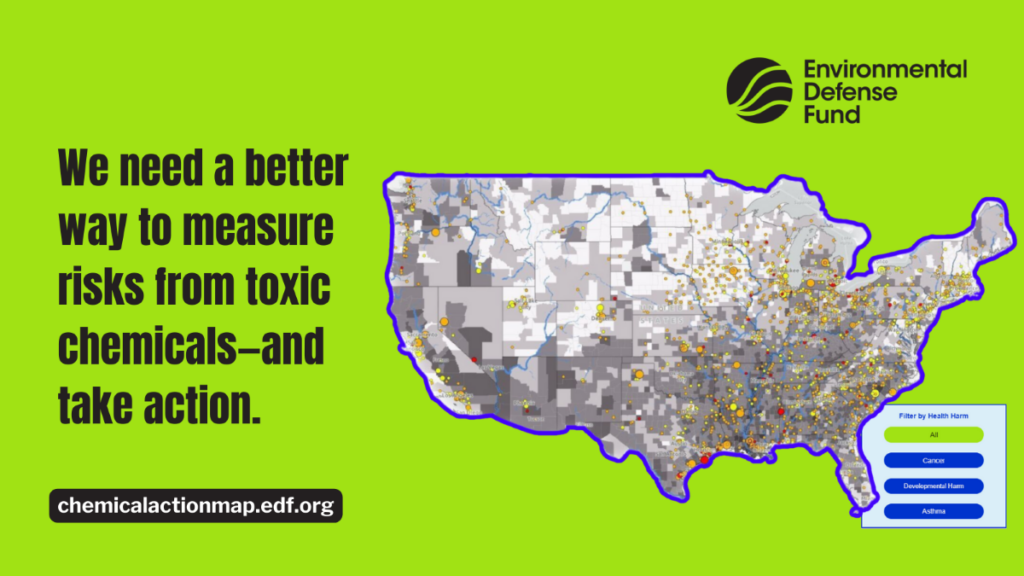 Why It Matters
Prioritizing a chemical as high priority is a key step in the process of evaluating and managing its unreasonable risks under TSCA. The factors and data that EPA considers when prioritizing chemicals affects whether EPA designates a chemical as a high priority and how effectively the Agency will be able to assess its risks, especially to more highly exposed individuals and those more susceptible to the chemicals, like fenceline communities.
We support the designation of these five chemicals, particularly vinyl chloride, as high-priority chemicals for evaluation. However, as we explain in our recent comments, EPA can improve its prioritization process to consider the more real-world risks faced by people who are more highly impacted by these toxic chemicals.
Our Take
EPA can improve its prioritization in two important ways.
First, EPA should systematically prioritize chemicals released or used together that cause the same toxic harms. Considering the cumulative risk posed by chemicals that cause the same harm provides a more complete and real-world picture of the risks fenceline communities face because exposure to multiple chemicals causing the same or similar health harms increases the risk of serious health problems.
Second, in prioritizing chemicals and evaluating the risks from these chemicals, EPA should consider exposures from accidental releases, including transportation accidents such as from the East Palestine, Ohio train derailment. In the past, EPA has generally not considered these exposures despite the significant contributions they can have to the chemical’s risk.
EPA has a major opportunity to improve its prioritization and evaluation processes so that it can develop a fuller picture of the risks posed by toxic chemicals. This would provide the Agency with the basis to develop regulations that will more fully protect human health and the environment, including for those people at greatest potential risk, like fenceline communities.
What’s Next?
EPA is now in the process of determining whether vinyl chloride and the other four chemicals the Agency is assessing should be designated as high priority chemicals. If they are designated as high priority, EPA will begin risk evaluations for these chemicals.
In our next post, we will recommend ways EPA can improve its prioritization process by incorporating cumulative risk analyses and considerations.
What happened
The Good Food Foundation recently announced its annual awards recognizing foods with both superior taste and responsible business practices, sparking controversy when a plant-based blue ‘cheese’ product was initially a finalist in the cheese category, then was disqualified and removed from the list of finalists. According to the foundation, the product was disqualified because one of the ingredients, kokum butter, had not been designated as GRAS (generally recognized as safe) by the Food and Drug Administration.
Why it matters
Kokum butter is derived from the seeds of a kokum tree’s fruit, primarily cultivated in India. The substance is not found in any of FDA’s lists of ingredients either approved or reviewed for safety. Someone somewhere determined that the use of kokum butter in food is GRAS. However, who made that determination, when, and the basis for the decision are unknown. For example, how much of it is safe to eat? Is it safe for anyone—children, pregnant women, people with preexisting conditions? Could it cause allergic reactions or interfere with medication? Does it leave the body quickly? Does it mimic or interfere with hormones? We just don’t know and neither does FDA.
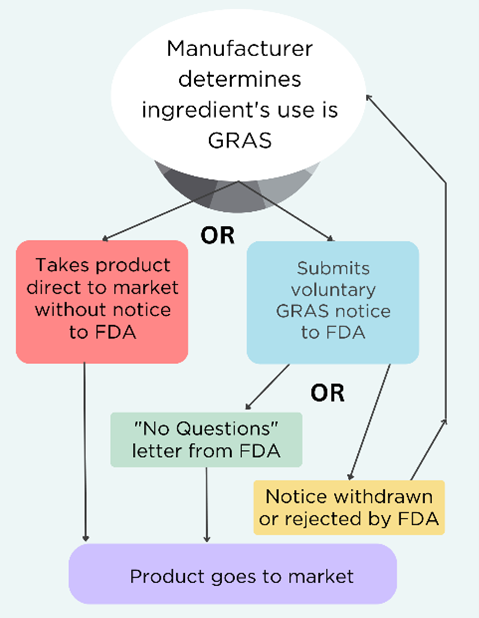
Here’s a quick overview of the GRAS system, which we have written about extensively in our Broken GRAS blogs.
Our Take
Back in 2022, tara flour, another ingredient of unknown safety, caused more than 400 people to get sick. Like kokum butter, tara flour was not approved or reviewed for safety by FDA.
We applaud the Good Food Foundation for requiring that the ingredients used in foods competing for its awards be reviewed by FDA. It is a matter of protecting public health. We fully support, at minimum, company submissions of GRAS notifications and FDA reviews. Although we have been critical of FDA’s outdated science in safety assessment of chemicals, these notifications provide at least some degree of visibility into the food supply that otherwise is not available to the agency in charge of protecting the public.
Next steps
We will continue to engage with FDA to ensure the agency has the tools and resources to strengthen the oversight of companies making GRAS claims without disclosing their safety assessments. The ongoing reorganization of FDA and creation of the Human Food Program is a unique opportunity to fix the broken GRAS program so that all Americans can have confidence in the safety of the food they eat.
By Lindsay McCormick, Senior Manager, Safer Chemicals and Roya Alkafaji, Manager, Healthy Communities
President Biden recently announced $3 billion in federal funding for lead service line replacement. In the third year of this historic $15 billion investment through the Bipartisan Infrastructure Law to replace harmful lead pipes across the U.S., there is an effort to shift where the money is going to better reflect states’ needs. While many saw no or minimal change, others – like Texas, and Minnesota – saw major changes to their funding allotments.
An estimated 9 million homes and businesses in the U.S. still receive their drinking water through harmful lead pipes. To make the best use of the federal funds aimed at protecting public health, it is critical that the money flows to the states with the greatest need, based on their estimated number of lead service lines without delay.
EPA’s 7th Drinking Water Infrastructure Needs Survey and Assessment (DWINSA), which is the best current estimate of lead service lines across the nation, is the driver for FY23 and FY24 funding allotments. To best reflect the latest information, EPA allowed states and water utilities to submit a “one-time update” to service line information in the fall 2023, thus taking advantage of utilities’ ongoing efforts to inventory their service lines. The goal, which was partially achieved, was to more accurately allocate the funding based on need.
EPA reported that 67% of water systems provided a response to the DWINSA update. While we do not know the magnitude of the changes to the state-level lead service line projections as EPA has not yet made this information public *, we do know how it has impacted the funding allotments.
This year, Illinois received the most funding ($241 million), followed by Florida ($229 million), and Ohio ($184 million). Twenty-six states received the minimum allotment of $28.7 million.
Funding allotment changes ranged from minimal to major:
We created a map to visualize the most impactful changes from the FY24 funding allotments, compared with FY23.
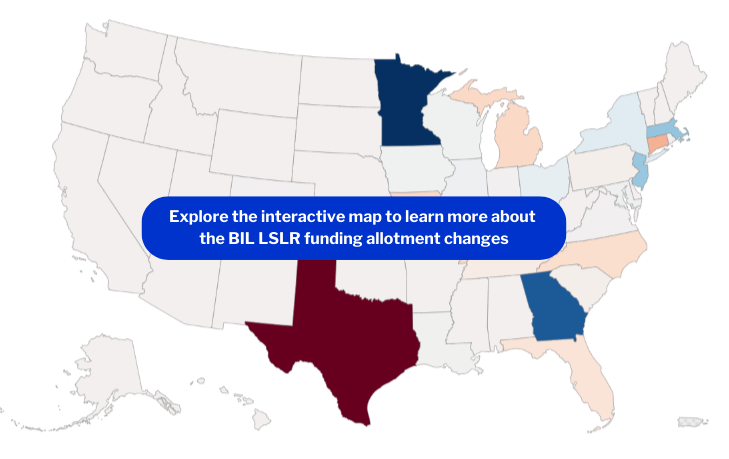
Last year, EDF analyzed the data behind the 7th DWINSA and found flaws in three major areas affecting Texas, New York and Florida. EPA’s fall 2023 one-time update to the DWINSA seems to have corrected two of the three issues we highlighted:
When EPA released the initial DWINSA results in April 2023, we described how the new formula would positively impact funding allotments for lead service line replacement needs by state. It is now critical that EPA make the formula available for replication, as requested by State Revolving Fund administrators. This step would enable state policymakers and the public to better understand how funding decisions are made. EPA should also promptly release the state-level LSL projections from the one-time update, which drove the recent changes in funding amounts.
EDF will continue to monitor how these resources are allocated to ensure these hard-fought funds go towards ensuring everyone has access to safer drinking water. Water utilities should aggressively pursue funding and start replacing lead service lines now while this historic funding is available.
Read EPA’s press statement and memo on the funding allotments.
*Updated 5/21/24: Since the publication of this blog, EPA published the state-level service line data from the updated DWINSA.