








American chemical safety decisions should be based on American conditions of use
Posted: in
Chemical exposure, Chemical regulation, Deep Dives, General interest, International, Risk assessment, Risk evaluation, Rules/Regulations, TSCA, TSCA reform, Vulnerable populations, Worker safety
Written By

Share
Authors: Maria Doa, PhD and Greg Schweer, Consultant
In case you missed it, an out-of-touch, industry-first proposal from Republicans in the U.S. House of Representatives threatens to significantly weaken the Toxic Substances Control Act, a popular chemical safety law that helps keep dangerous chemicals out of our homes, workplaces and schools. A similar proposal from the U.S. Senate would also roll back these essential public health protections.
Why does this matter? The Toxic Substances Control Act gives EPA the authority and responsibility to review chemicals more effectively – before and after they enter the market. The law underwent a critical reform 10 years ago because it was not sufficiently protecting millions of Americans. Now, the Toxic Substances Control Act is working, and it’s keeping the most dangerous chemicals out of our lives.
In this blog, we’re exploring why the Organization for Economic Cooperation and Development’s experience, policy and modern risk assessment show that country-specific exposure, use patterns and regulatory requirements are more important when evaluating whether to approve a chemical than approval status in other countries.
Note: this is the final blog in a series about how the House Republicans’ proposal would undermine EPA’s ability to protect public health and the environment from toxic chemicals.
How a chemical is used and who is exposed matters when assessing risk- not another countries approval
A chemical’s risk depends on how it is actually used and who is exposed to it – not whether another country has approved it. Yet, chemical industry advocates argue that the EPA should automatically give the green light to chemicals with approvals granted in other countries. But a chemical’s approval in another jurisdiction does not automatically mean its use is safe here.
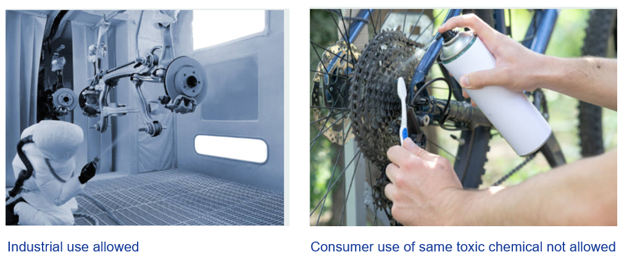
The risk posed by a chemical depends on how it is used, who is exposed, the magnitude and duration of exposure, and the protections in place to reduce harm. Different countries may have different uses, exposure patterns, worker protections and regulatory requirements.
That’s why it’s essential for EPA to take into account how it will be produced and used in the United States prior to approval rather than relying on another country’s approval. Congress reaffirmed this responsibility when it modernized the Toxic Substances Control Act in 2016, requiring EPA to evaluate the risks of chemicals under their conditions of use.
Why foreign approval should not replace US safety checks
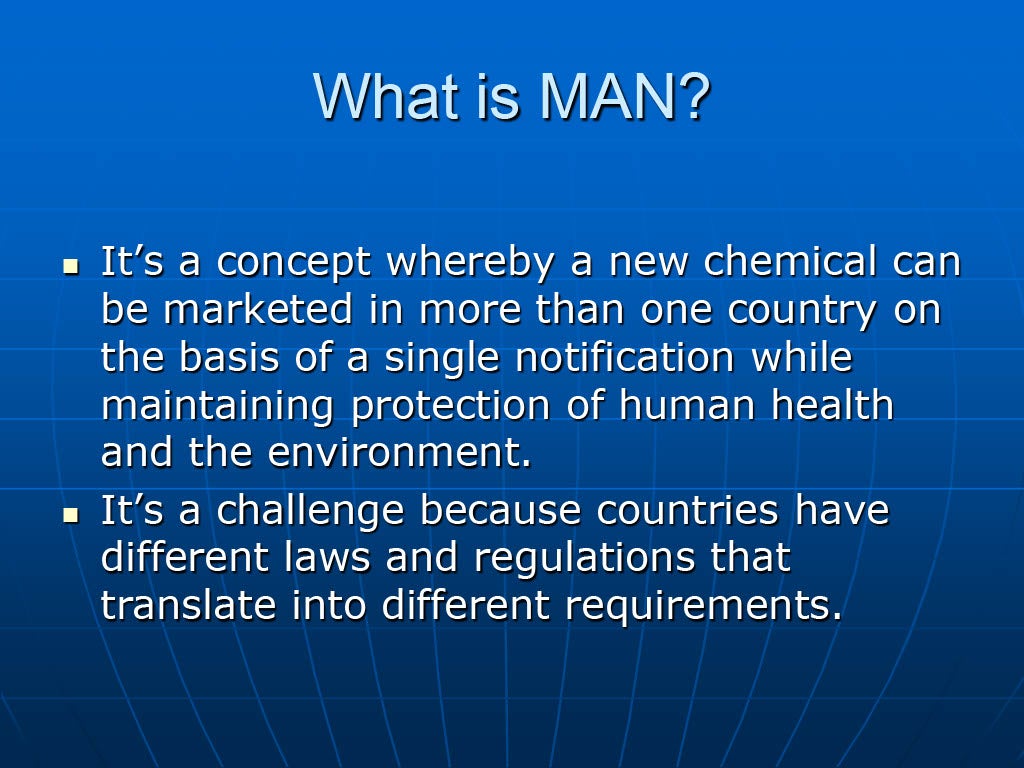
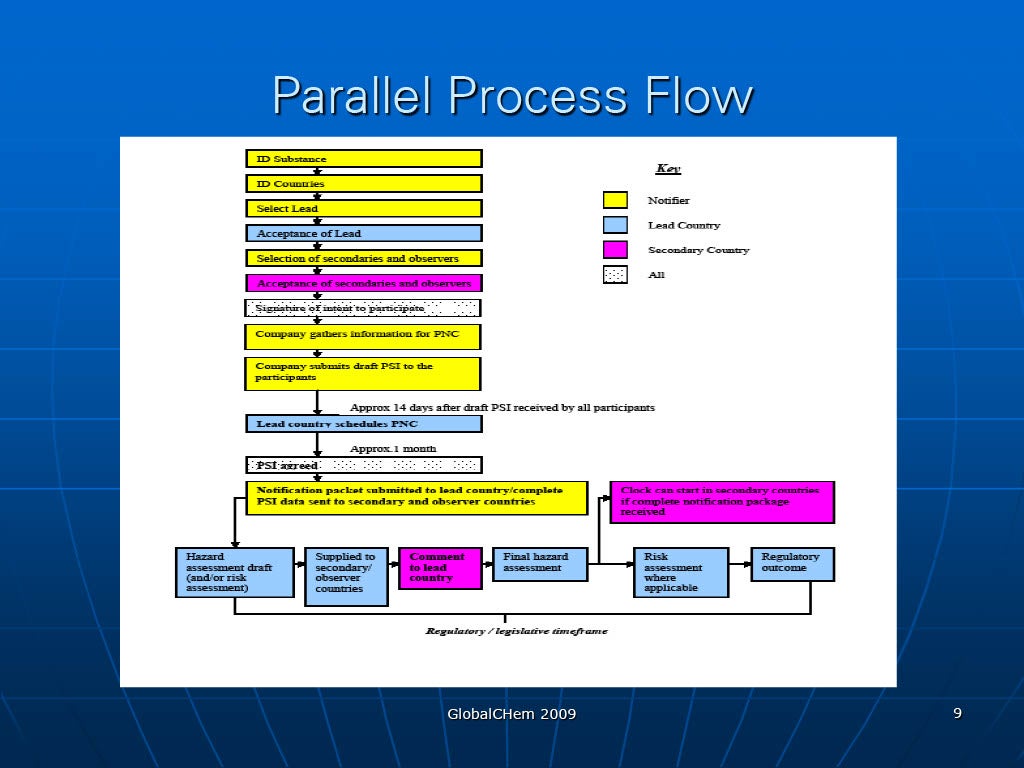
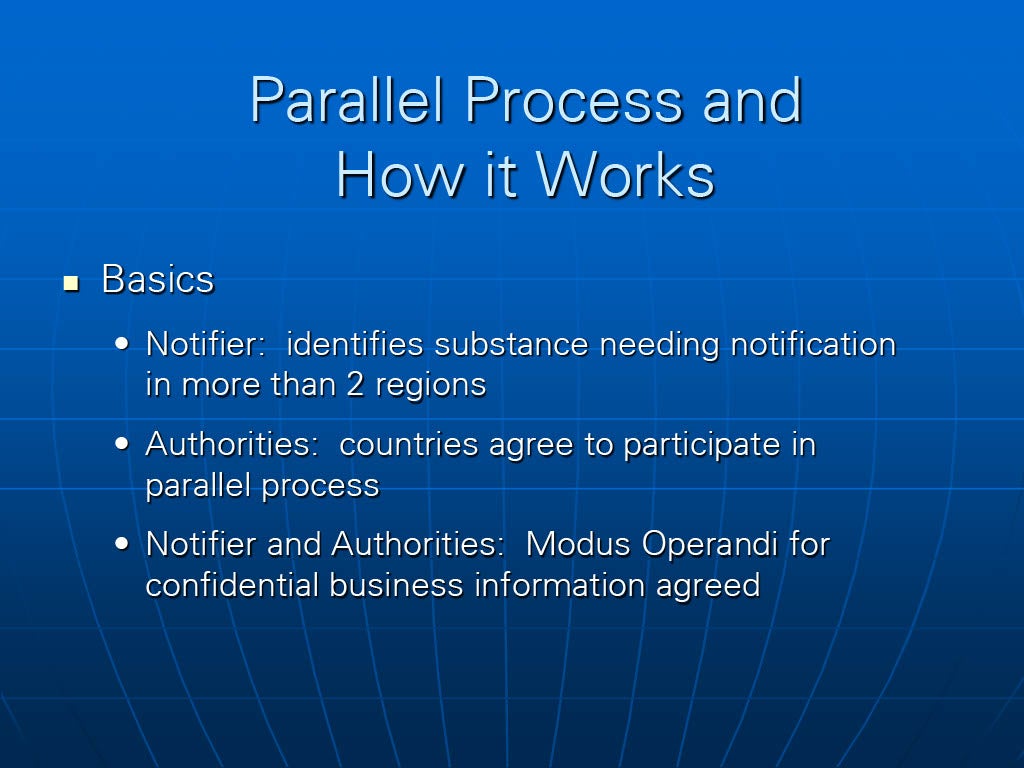
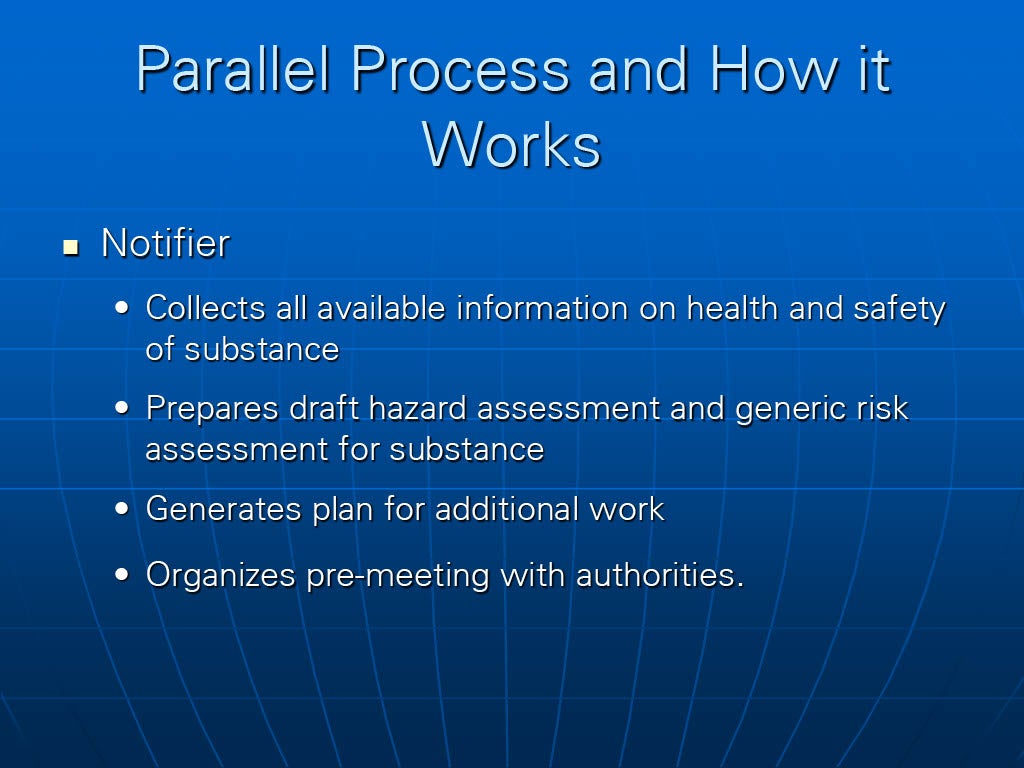
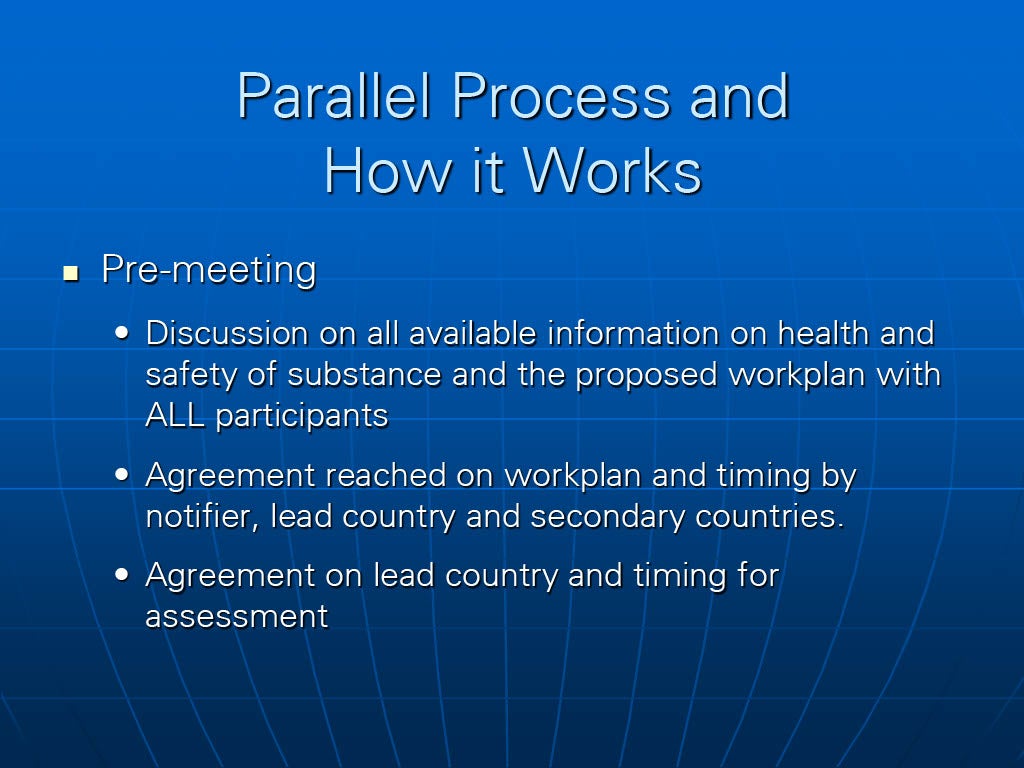
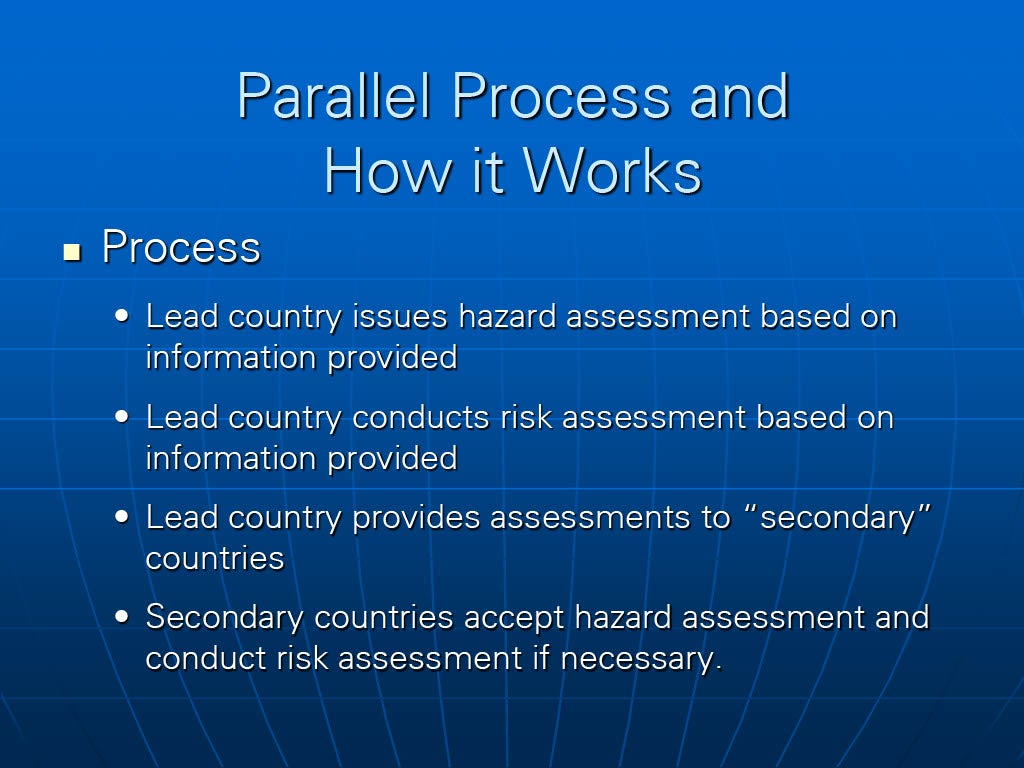
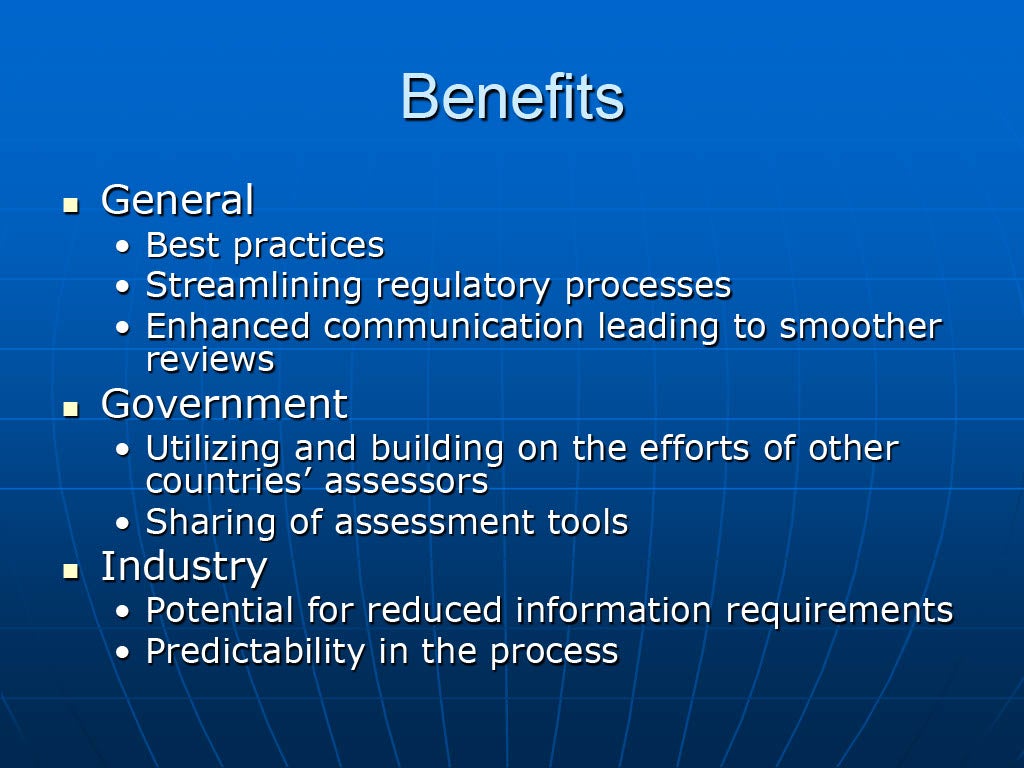
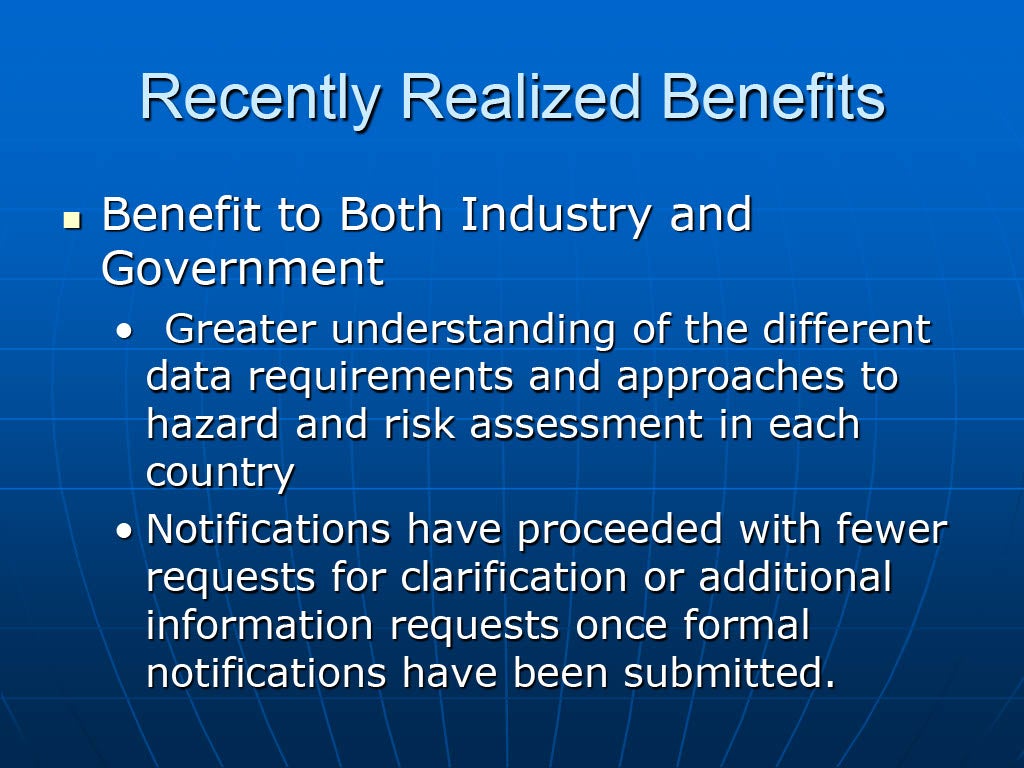
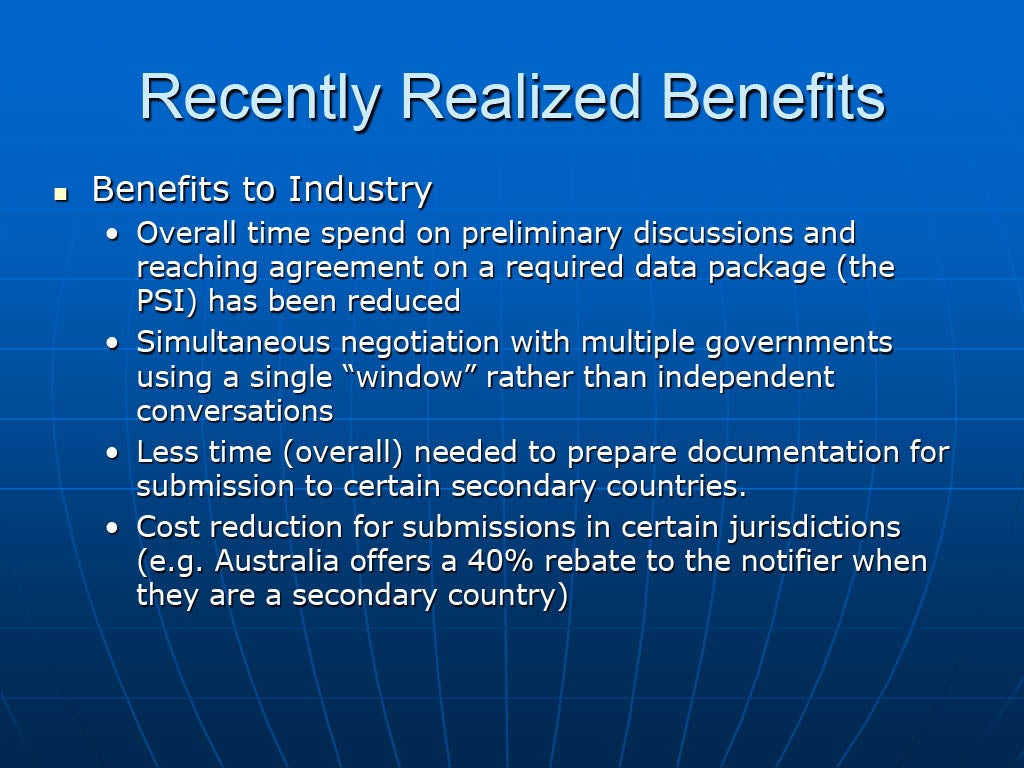
This issue of mutual acceptance of country-specific approvals has come up before. Countries in the Organization for Economic Cooperation and Development (OECD) previously considered whether countries should mutually accept an approved chemical across OECD member countries.
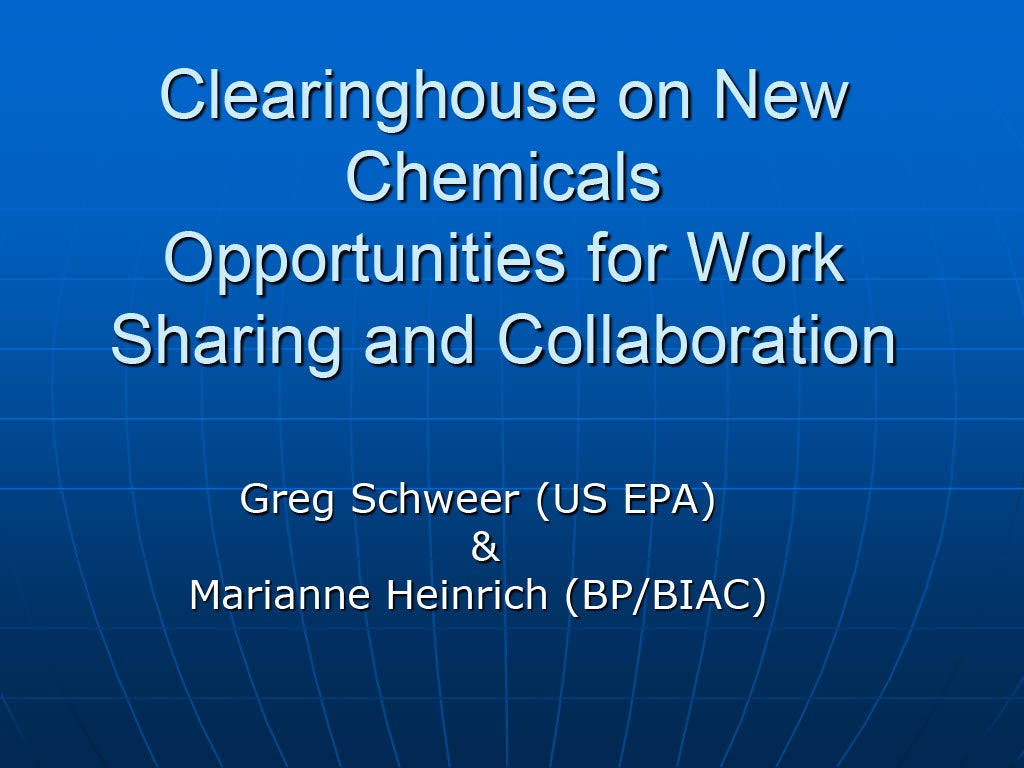
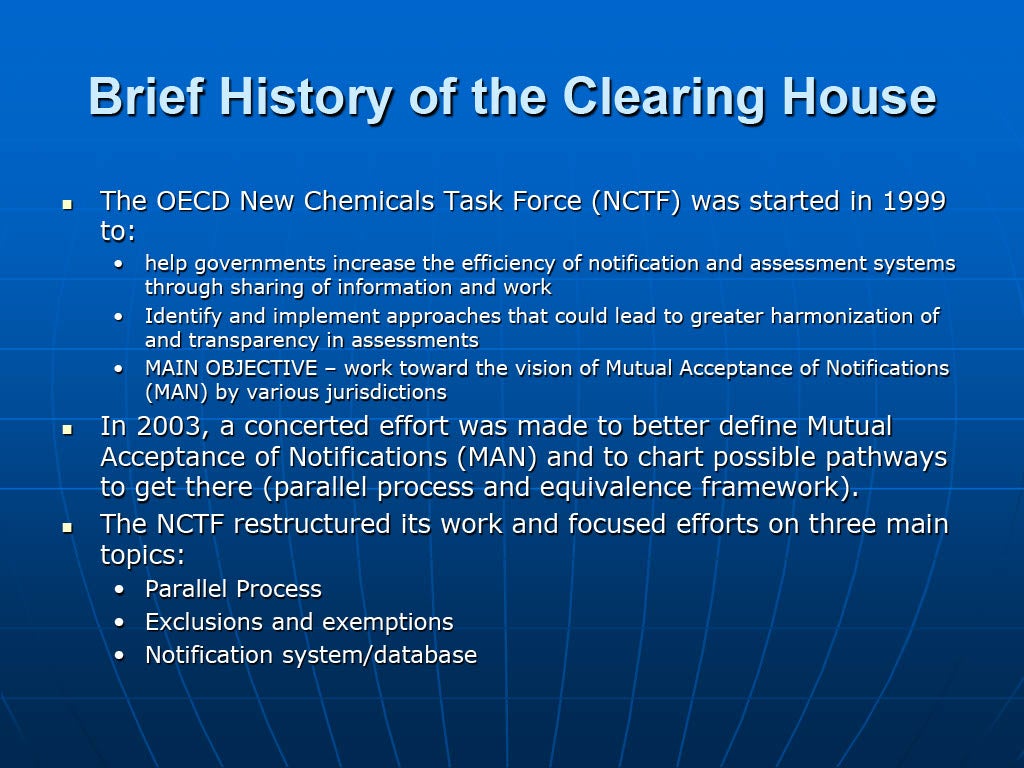
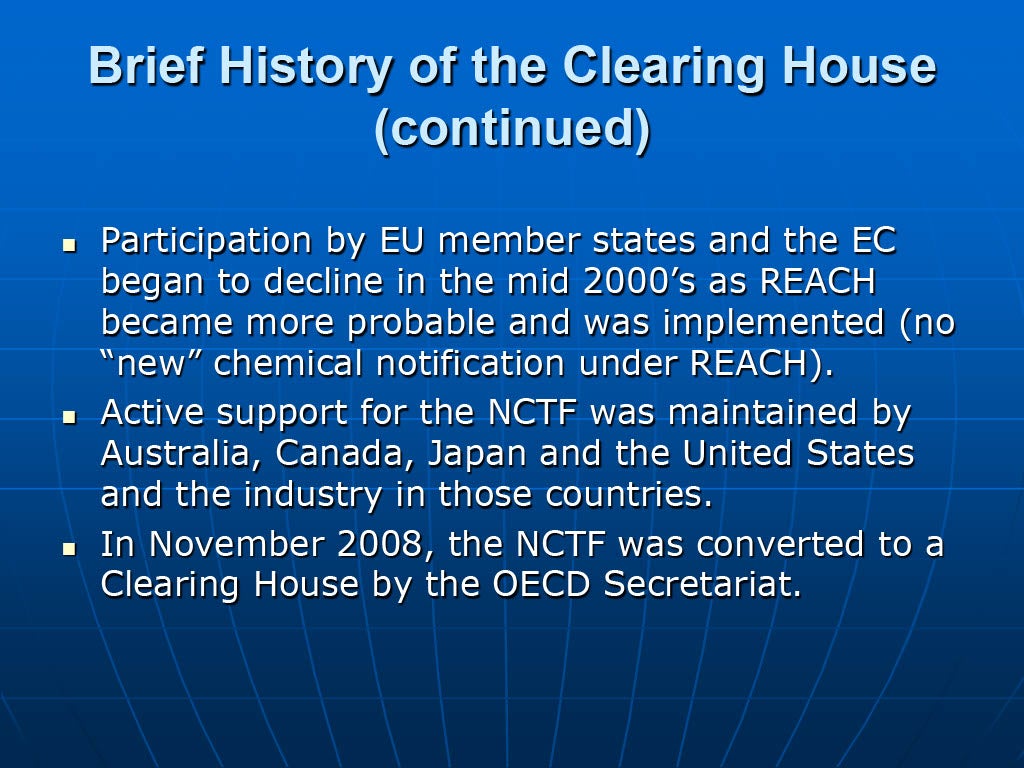
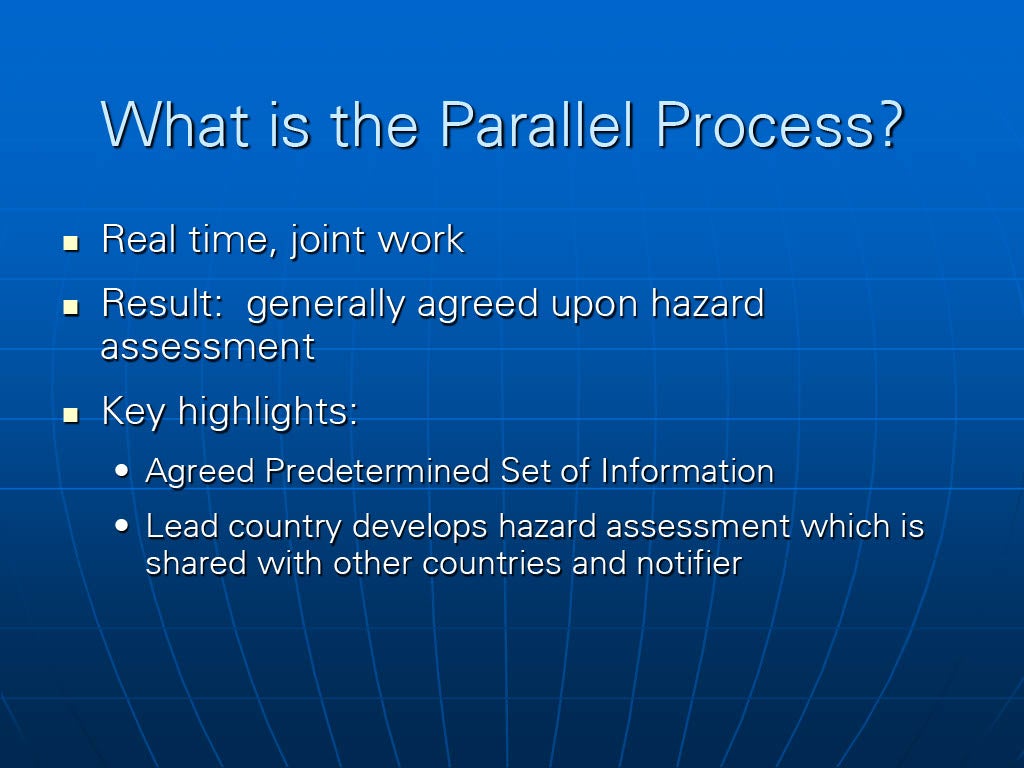
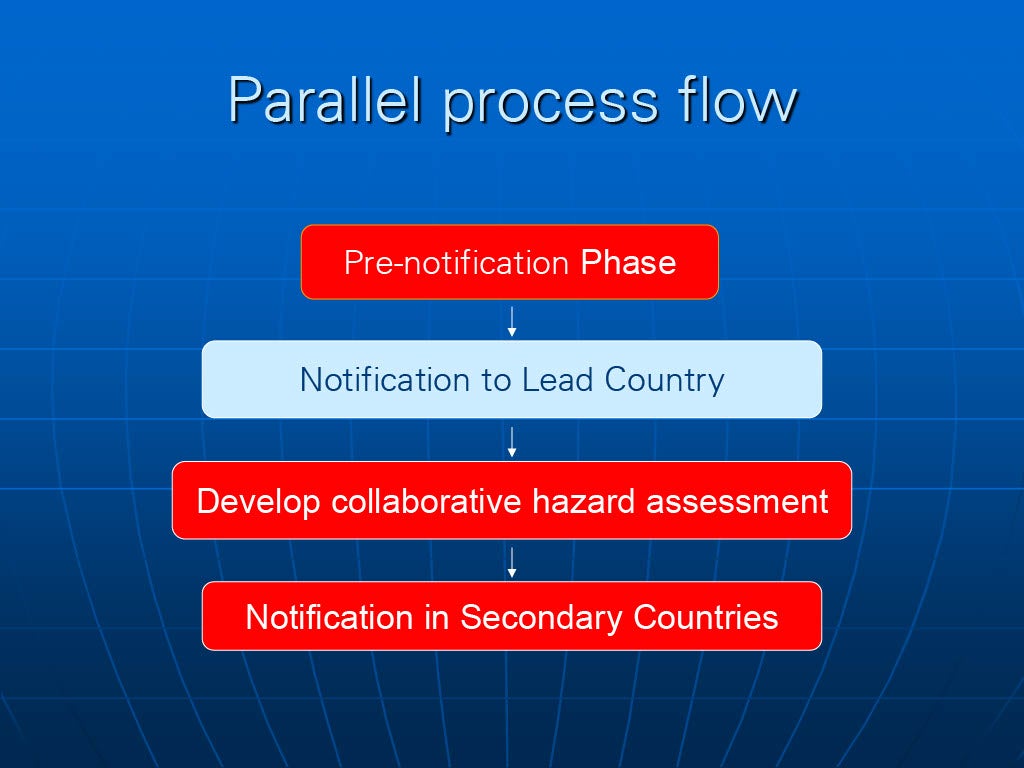
The OECD created the New Chemicals Task Force more than 25 years ago to consider this issue as well as to help the member countries increase the efficiency of notification and assessment systems through sharing of information and work. Countries in the European Union were initially part of the Task Force but decided to stop participating once the European Union’s chemical management program REACH was established because REACH does not include a separate new chemical-specific notification.
The other remaining OECD countries with new chemical notification systems — including Australia, Canada, Japan and the United States — continued to evaluate whether and how new chemical risk-based decisions in one country could automatically be adopted in other countries.
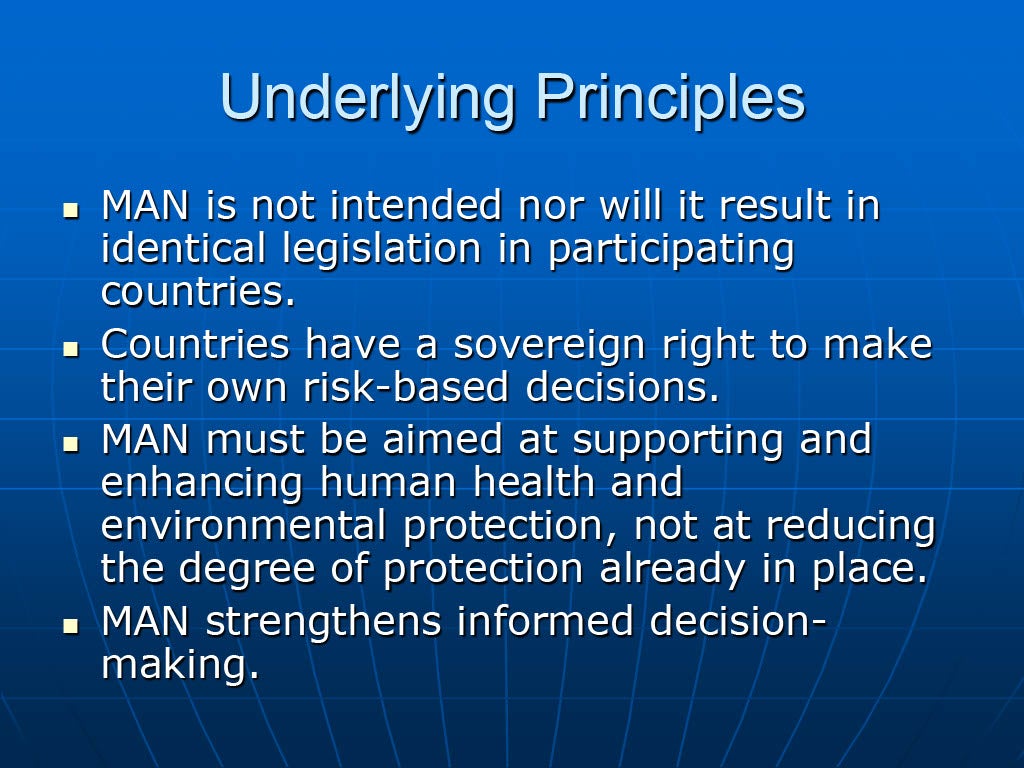
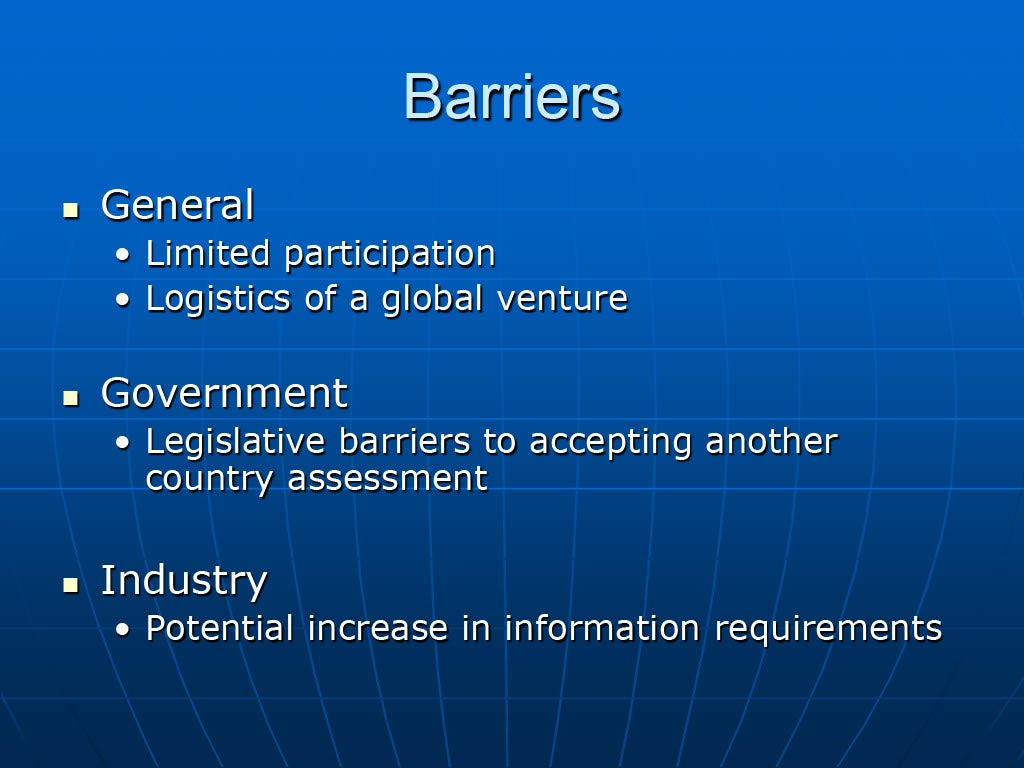
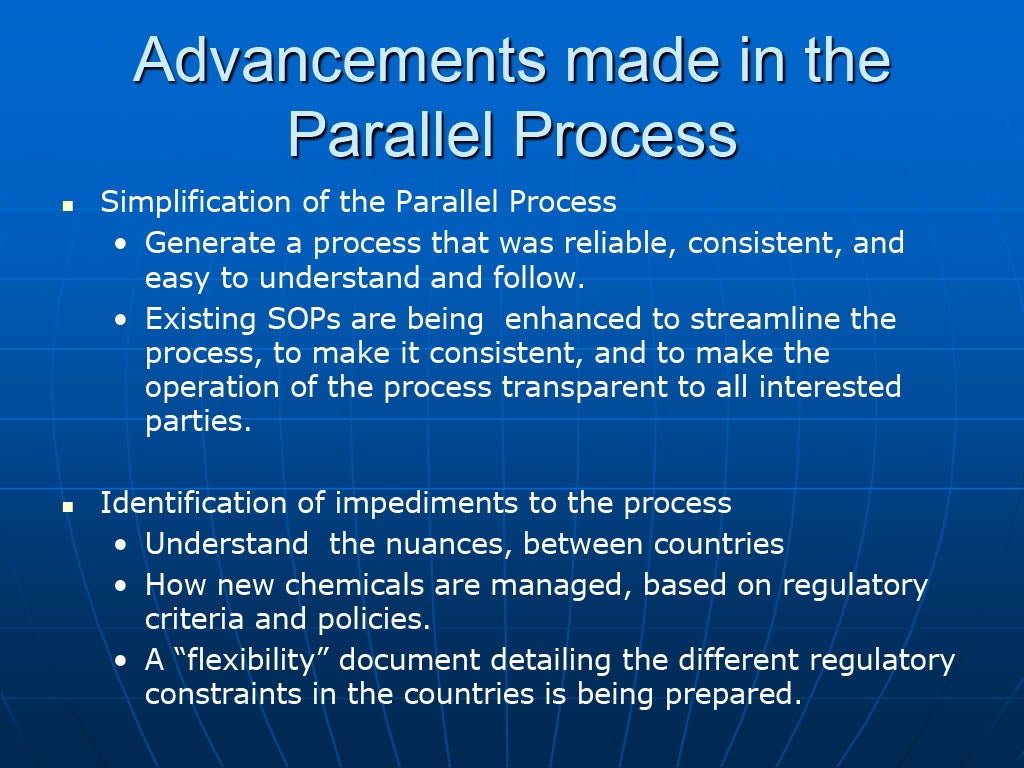
The OECD group identified fundamental challenges to one country automatically adopting another country’s risk-based new chemical decision because countries have different laws, regulations and safety standards that translate into different data requirements, review processes and risk management decisions. Further, new chemical decisions are risk-based decisions which are dependent on both the hazard of the chemical and our exposure to the chemical.
In the end, the OECD walked away from the idea of the mutual acceptance of new chemical risk-based regulatory decisions. The concept may sound efficient in theory, but OECD participants concluded that new chemical risk-based decisions are too dependent on country-specific conditions to be automatically adopted by another jurisdiction.
Different countries, different exposures, different decisions
Our exposure to a chemical is a function of how much of the chemical we are exposed to, the frequency of the exposure and the way we are exposed. For instance, will the chemical be released into the air we breathe, our drinking water, or in products used in our homes? This will depend on how and where the new chemical is produced and used, whether workers handle it directly, whether consumers use products containing it and the extent to which it may be released into the environment.
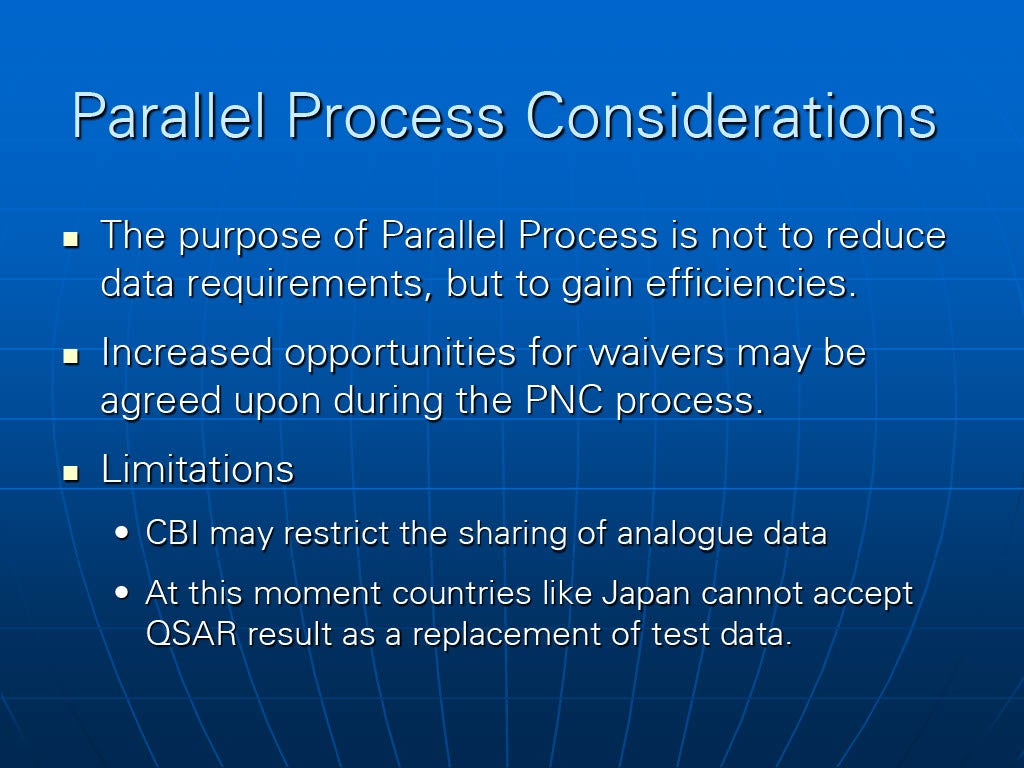
Different countries have different requirements for the types of data and information that can be used to support assessment of new chemicals. There are also limits on what data can be shared among countries, given the confidential business information that may be part of the data used to assess a new chemical.
In the end, the OECD walked away from the idea of the mutual acceptance of new chemical risk-based regulatory decisions. The concept may sound efficient in theory, but OECD participants concluded that new chemical risk-based decisions are too dependent on country-specific conditions to be automatically adopted by another jurisdiction.
Not only are there different laws and requirements in different countries, importantly the risks of the use of a chemical in one country can be more significant than the risks in another country because of different production, use and consumer and environmental exposures.
So, who would benefit from the automatic approval of a new chemical under the Toxic Substances Control Act based largely on another country’s decision? Not the public — and especially not workers, fenceline communities, consumers or children, who bear the brunt of the risks the heavily industry-influenced proposal would ignore. Instead, the proposal would shift responsibility away from evaluating how Americans may actually be exposed to a chemical, toward assuming that another country’s review is sufficient.
Go deeper: Dive into our analysis of the House Republicans’ proposal to gut the Toxic Substances Control Act, and read more about a similarly harmful proposal from Senate Republicans. ICYMI, our other pieces in this series are here:
Keeping workers safe under the Toxic Substances Control Act
Why “feasibility” is a dangerous, slippery slope for chemical reviews
Resource