







Eleven states support community lead pipe replacement with proactive policies
Written By

Share
Tom Neltner, J.D., Chemicals Policy Director and Sam Lovell, Project Specialist
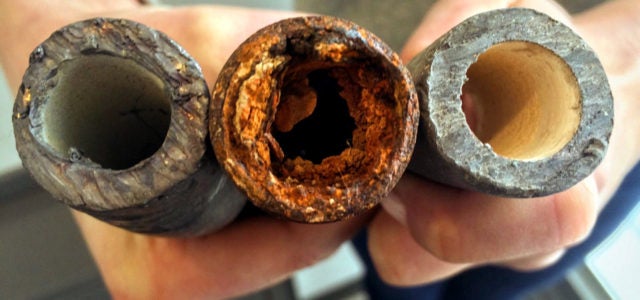
The largest source of lead in drinking water is lead service lines (LSLs) – the lead pipes connecting the water main under the street to homes and other buildings. Across the country, three dozen communities, large and small, are taking steps to protect public health and respond to concerns by replacing LSLs.
States play an essential role in helping or hindering progress by communities to replace LSLs by administering EPA drinking water rules, distributing federal funded loans, and approving rates some utilities charge customers.
We identified 11 states with proactive policies supporting community efforts to replace LSLs. These states have almost 3 million LSLs based on a 2016 estimate by the American Water Works Association: just short of half the nation’s LSLs. The 11 states are making a positive difference by:
- Empowering communities with grants like Wisconsin, Virginia, Vermont, and New York have done;
- Providing options to use rate funds like Indiana and Pennsylvania have done;
- Requiring inventories of LSLs like Illinois, California, Washington, Indiana, and Ohio have done;
- Setting long-term goals of fully removing all LSLs like California, Washington, and Michigan have done; and
- Helping prospective homebuyers know whether the home has an LSL.
These policies won’t ensure that all 3 million LSLs are replaced, but it takes the states one step closer to achieving the goal that in 20 years no one will be drinking water through a lead pipe.
Learn more about how 11 states are supporting community LSL replacement efforts.
For each of the states, we describe progress in specific areas: providing funding, developing inventories and posting online maps of LSL locations, establishing standards for replacement practices, and requiring disclosure of LSLs in real estate transactions.
To ensure safe drinking water is available to communities across the country, states need to do more to help communities replace LSLs. The states we have recognized are leading on this challenge.