Climate change solutions
We deliver game-changing environmental solutions that have a real impact for people around the globe.

Building resilient land and water systems that allow people and nature to prosper in a changing climate.
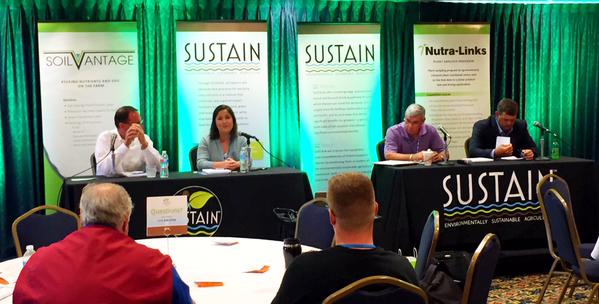
The agricultural supply chain is shifting towards demanding more sustainably produced grains, according to some of the country’s biggest food companies and retailers.
Representatives from Walmart, Smithfield Foods, and USDA recently discussed the importance of and increased consumer demand for agricultural sustainability in front of 100 agricultural retailers in St Louis. They were there for a meeting convened by United Suppliers, Inc., with a primary focus of the company’s SUSTAIN™ platform.
Three messages were clear:

Drone technology has been around for decades, taking to the skies to capture movie sequences, collect scientific data and scout territory. But there’s another industry where drones are really beginning to take off: farming.
Agriculture is on tap to make up 80 percent of the market for unmanned aircrafts in the next couple of decades. With the invention of newer, more effective technologies, drones have the potential to launch the agriculture industry into a future of sustainability.
4 ways drones are helping people and nature prepare for climate change
Rules of the sky
In February of this year, the Federal Aviation Administration proposed long-awaited rules on the commercial use of small drones in the agricultural sector. The new regulations require operators to be certified, fly only during daylight and keep their aircraft in sight. Although this proposed legislation could take one or two years for final adoption, it marks a major step for the industry, as the guidelines provide the formal structure needed to legitimize drone use and advance the market for their production.
Although drone technology is still modifying production to increase ease of use and lower prices, these machines already have the potential to go a long way towards improving farmers’ bottom lines – and the environment. Here are three key benefits of drone use in agriculture: (more…)
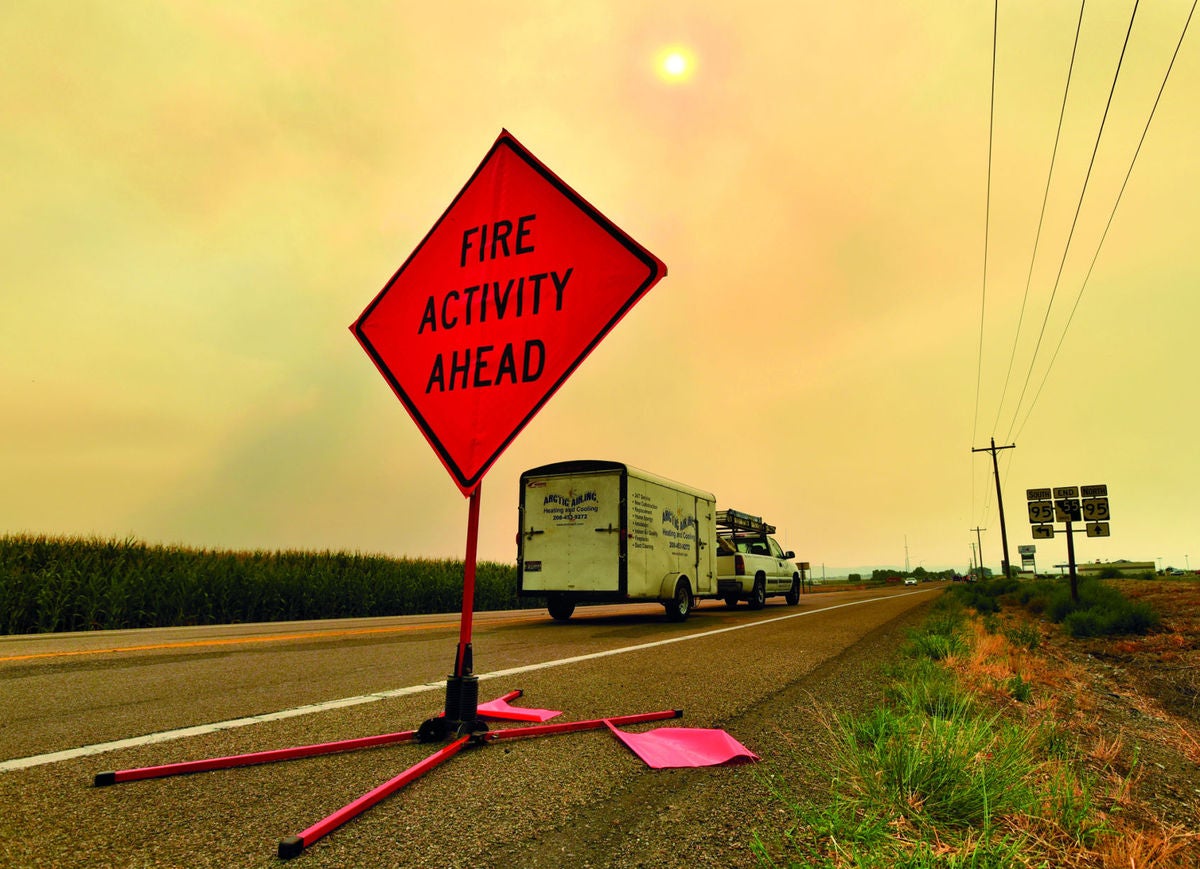
My family and I returned home to California a few days ago following an idyllic week camping on Payette Lake near McCall, Idaho. Our route home took us down Highway 95 in southwestern Idaho, a road typically bordered by the beautiful farmlands of the Snake River Basin. But our views weren’t so picturesque.
Just south of Nampa, Idaho we began to notice the charred landscape left behind by the Soda Fire, the largest of recent fires burning across the United States. The Soda Fire has burned more than 280,000 acres of prime sagebrush steppe, which provides key grazing lands for cattle ranchers and important habitat for threatened wildlife like the greater sage-grouse.
As I gazed upon the aftermath of the fire, all I could think about was the devastating effects it has had on local ranching families and wildlife. Fortunately, there are steps we can take to restore these scorched landscapes and prevent damaging wildfires in the future, but we have to act fast. (more…)
Food waste affects more than just our wallets. Approximately one-third of all food produced in the world gets thrown away every year, leading to 3.3 billion tons of greenhouse gas emissions. At 2.6 trillion pounds, that’s enough sustenance to feed three billion people, or almost all people living in poverty worldwide today.
That’s why, last week, when I attended a Q&A session for ag interns at the U.S. Department of Agriculture with Secretary Tom Vilsack, I was intrigued when a fellow intern asked a question regarding food sustainability and what the U.S. can do to ensure that there will be enough food to feed the 9 billion people expected to populate the world by 2050.
The Secretary’s answer? Reduce food waste.
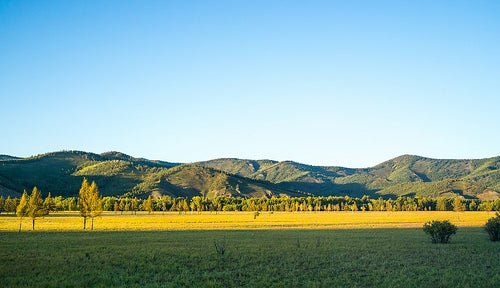 Growers with grasslands on their property have a new reason to leave that land untouched.
On July 22, the Climate Action Reserve, a non-profit organization that creates offset standards and serves as one of the offset registries for California’s cap-and-trade program, approved a new protocol that rewards farmers for avoiding the conversion of grasslands to cropland.
The new “grasslands protocol” highlights a growing trend in agriculture: farmers being paid for reducing greenhouse gas emissions. (more…)
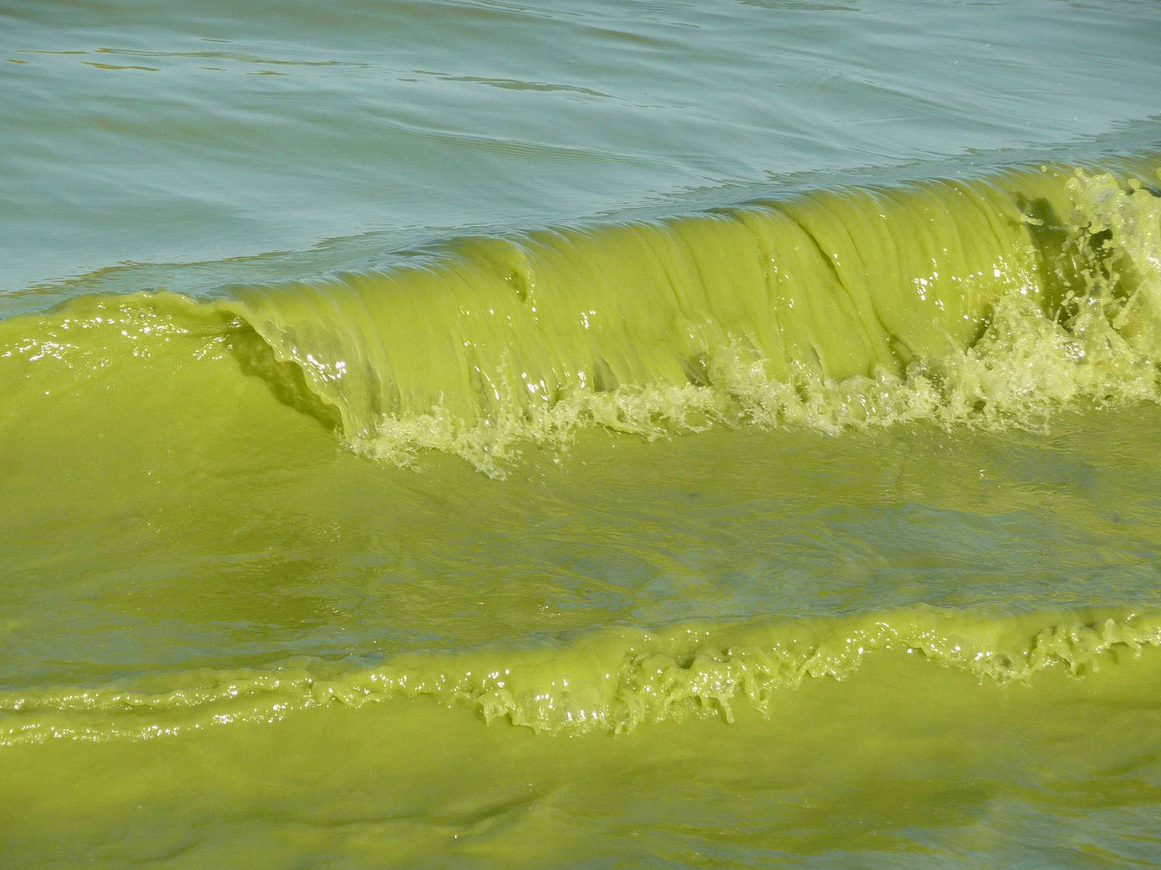
It’s been one year since a massive algae bloom in Lake Erie contaminated the drinking water of more than 500,000 Ohio residents.
Since that time, we’ve seen an increase in legislative actions and governmental commitments to reduce fertilizer runoff. Yet the harmful algae that showed up last summer have bloomed again. This summer’s catastrophic rains have caused farm fields to flood, sending fertilizer into Lake Erie. According to the National Oceanic and Atmospheric Administration, this year’s algae bloom could be the second largest on record.
Nutrient efficiency and soil health practices can create a powerful antidote to Lake Erie’s bloom and doom cycle. But farmers need more support and guidance in making changes on their farm. And they need to know that these practices won’t reduce yields.
That’s why an innovative platform called SUSTAIN™ is taking off. SUSTAIN provides agricultural retailers with training on the best tools and practices for reducing fertilizer runoff and increasing soil health – but also focuses on maintaining productivity. Earlier this summer, a group of central Ohio retailers became SUSTAIN authorized – and while it’s not a silver bullet, this effort has enormous potential to keep Lake Erie’s algae blooms at bay.

Farming is a tough business. With constantly changing crop prices, difficult to predict and increasingly extreme weather variations, and changing consumer demands, growers don’t have an easy time of it.
Like any business, profitability is the number one priority. And it should be – if you are not profitable, it’s very hard to stay in business.
All the growers I’ve worked with care deeply about their land. In a recent survey of a group of Midwestern farmers, “land stewardship” ranked as their top value. And sustainability is in a farmers’ best interest since healthy lands plays a huge role in whether farms will be around – and productive – for the next generation. But making agriculture truly sustainable will require investment from farmers.
Here’s the good news: sustainability and profitability can go hand-in-hand. Efficiencies like fertilizer optimization can result in cost savings. And with those savings, growers can invest in new technologies and cover crops, which can help make farms more resilient and increase yields, generating long term economic gain.
I asked Tim Richter, owner of a swine and corn farm operation spanning 9,000 acres in northern Iowa and Missouri, to tell me his profitability and sustainability story. (more…)
 Let the games begin! America’s sports teams are moving into the sustainable food arena.
A new report released by the Natural Resources Defense Council and the Green Sports Alliance highlights 20 venues that have played their part to reduce their impact on the environment. Of the 20 locations, 18 purchase produce from local farms, 17 provide organic food options, 14 compost their food, and seven use biodegradable eating utensils and plates. In order to provide the freshest food available, five venues even have their own on-site gardens.
These venues are going the distance – from the Portland Trail Blazers’ Moda Center to the Pittsburgh Pirates’ PNC Park – and providing fans with sustainable food options while simultaneously combating issues such as greenhouse gas emissions from food waste.
Which team’s efforts are best? We asked some of EDF’s sports fans (myself included!) to talk about what their favorite team’s venues have done:
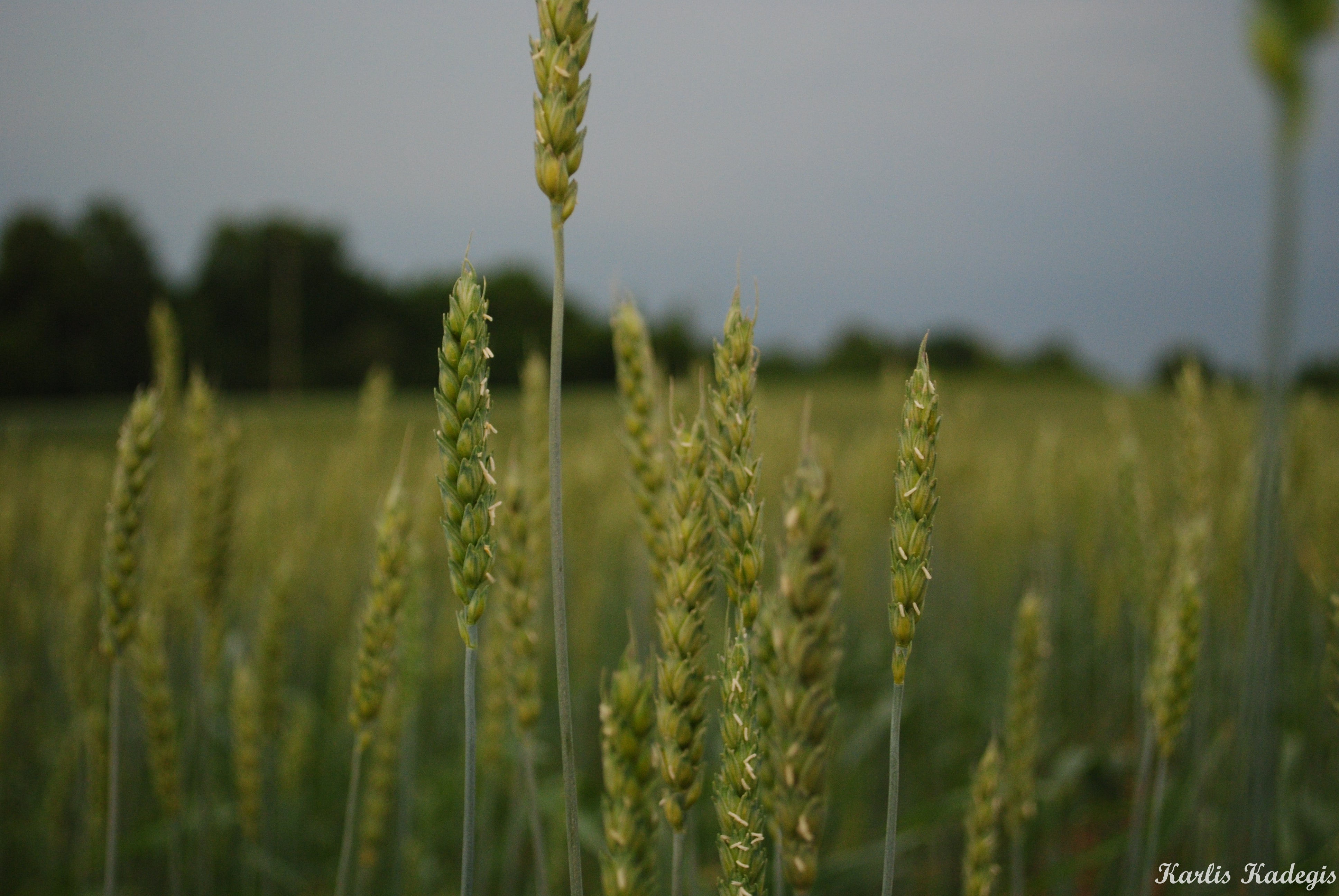
Corn is trying to fight this summer’s extreme weather, and unfortunately, the weather is winning.
There are serious floods in the Midwest, devastating droughts in California, and brutal heat waves along the eastern seaboard. Ohio for example had a record June rainfall of 11 inches, which stunted corn roots and prevented many growers from planting any corn crops. In Northwest Ohio alone, 100,000 acres were left unplanted. At the same time, places in my home state of North Carolina experienced a June heat wave during the critical corn pollination period, significantly damaging corn yields.
These extreme weather events leave many farmers searching for ways to make the best of a challenging growing season. Although June’s weather was the opposite in Ohio and North Carolina, cover crops offer a proven solution to deal with both conditions. (more…)
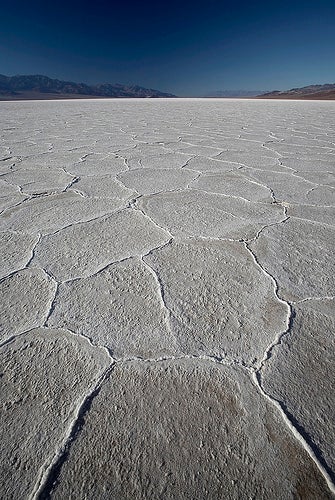 (Updated July 16, 2015)
A bill to supposedly address California’s devastating drought, authored by Rep. David Valadao, cleared the House of Representatives today.
Unfortunately, this proposal – dubiously named the Western Water and American Food Security Act of 2015 – is yet another attempt to move more water through California’s vast Central Valley Project at a time when we can least afford it and at the expense of many water users.
Among other problems, the bill would permanently undermine science-based protections and regulatory assurances for at-risk species and ecosystems that are essential in providing reliable food, safe drinking water, and jobs to millions of Americans.
The proposed tradeoffs here are nothing new. Similar bills – H.R. 3964 and 5781 in 2014, both opposed by the White House and the State of California – also pitted fish against farms.
It’s time we move away from finger pointing and start finding collaborative solutions to the drought that increase the resiliency of our freshwater ecosystems while supporting agricultural communities in California’s Central Valley. (more…)