Climate change solutions
We deliver game-changing environmental solutions that have a real impact for people around the globe.

Building resilient land and water systems that allow people and nature to prosper in a changing climate.
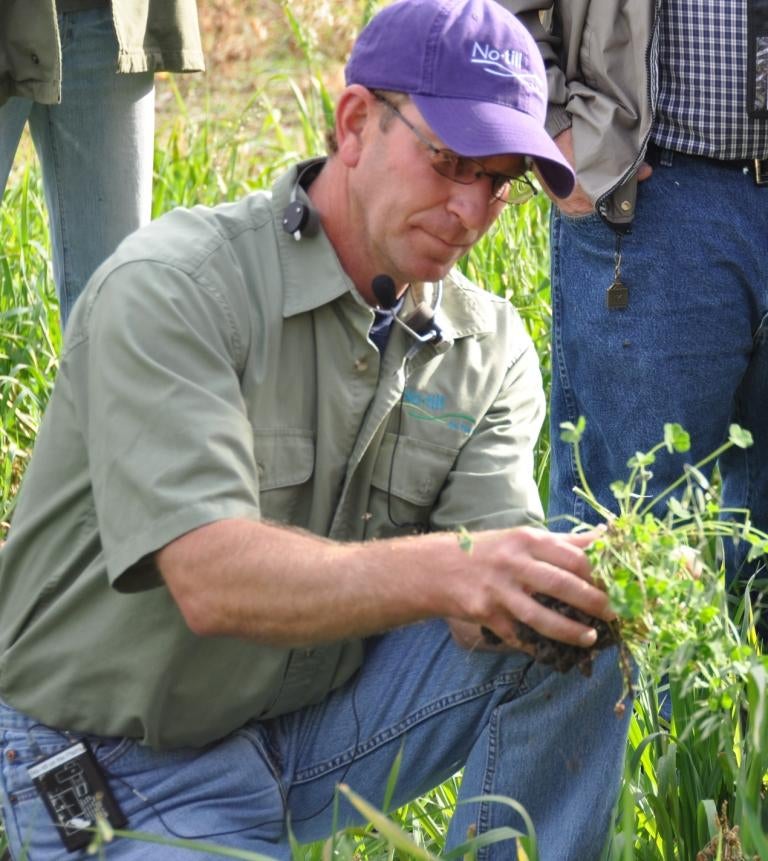
Soil health wasn’t always this sexy. The United Nations has named 2015 the International Year of the Soils, the National Corn Growers Association created the Soil Health Partnership, and the Telegraph newspaper is claiming that we can only ignore the soil crisis for so long, and that “just a handspan of topsoil lies between us and oblivion.”
But Kansas farmer Gail Fuller has been at the forefront of soil health measures since the early 1980s. Just last month, he hosted the fourth annual “Fuller Field School,” a soil health workshop that was attended by growers from across the globe.
I asked Gail, who operates a diversified 1,000 acre farm in Emporia, Kansas, to tell me why soil health is so important for our food system, and why other growers should get on board. (more…)
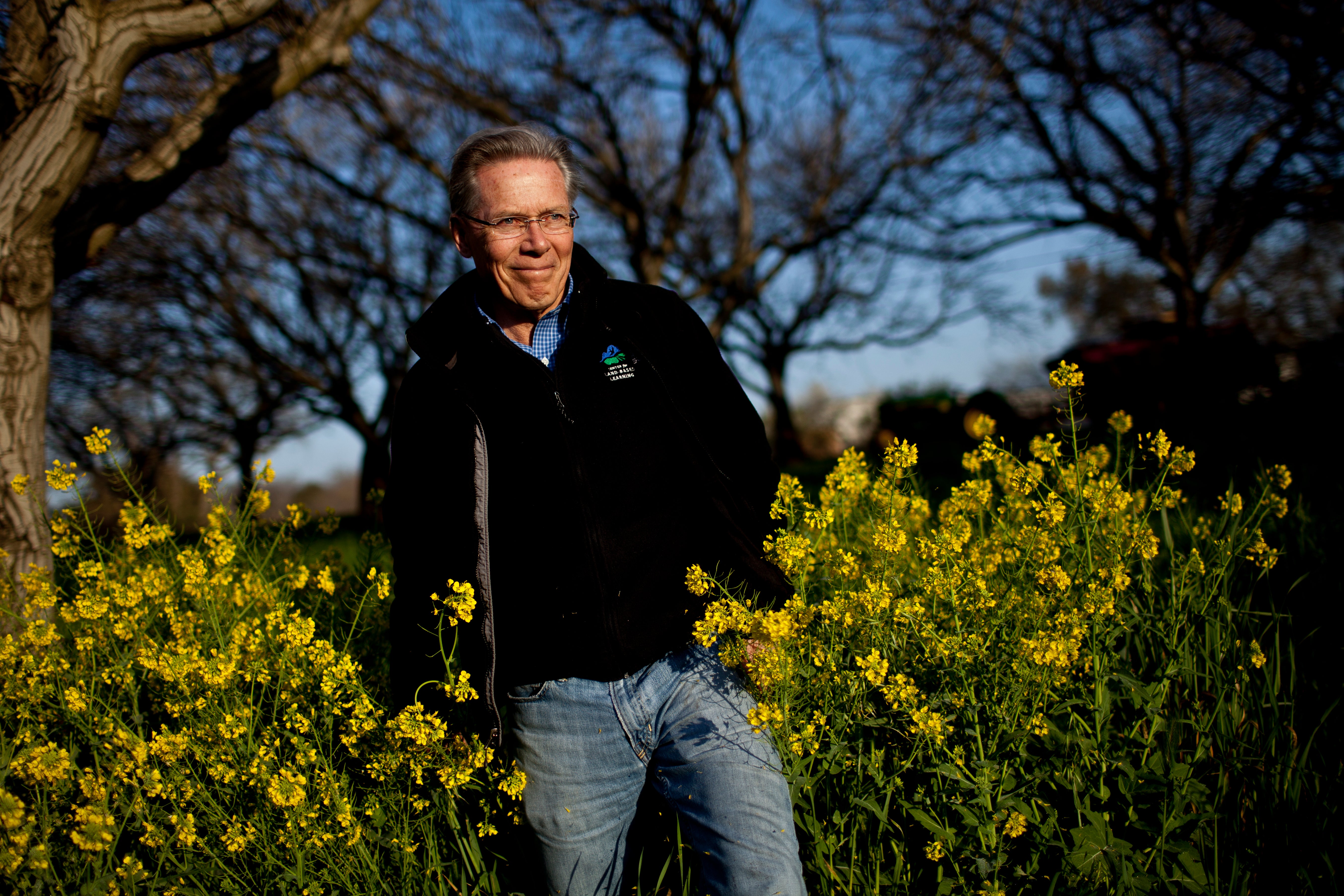
Craig McNamara embodies agricultural leadership in California. He has farmed a 450-acre organic walnut orchard in Winters, California for the past 35 years. He’s been an innovator in implementing conservation practices on his land that both enhance wildlife and benefit his farming operation. He’s also the president of the California State Board of Food and Agriculture, and an influential sustainable agriculture educator.
I’ve known Craig for about 10 years and have had the honor of serving with him on the State Board for the last two. I spoke with him about how he integrates farming with ecology and his plan for dealing with potential El Niño rains. (more…)
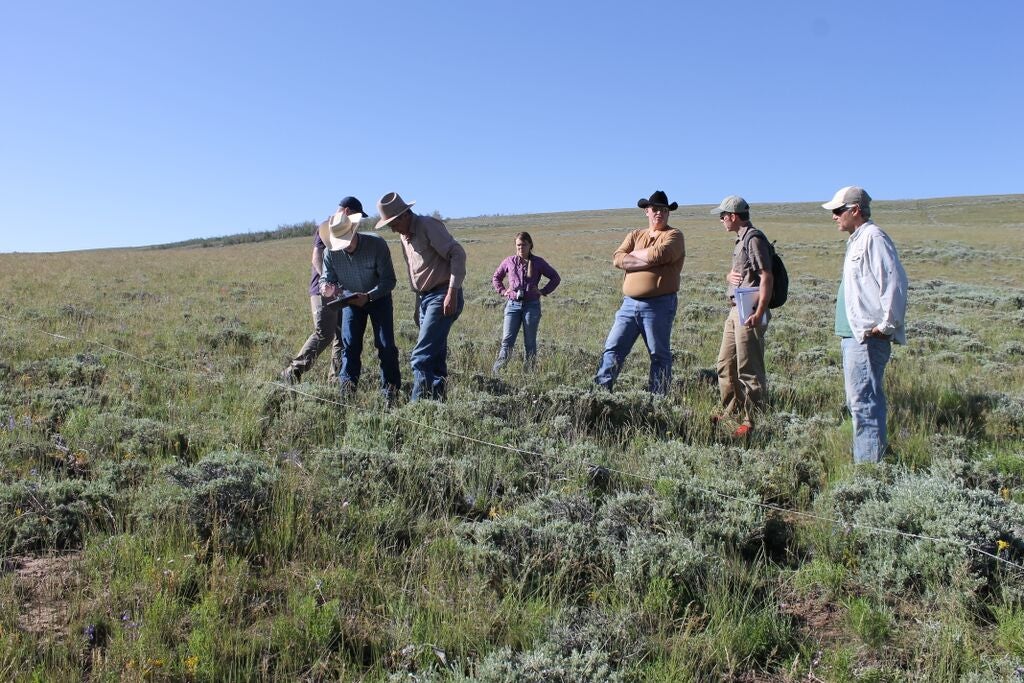
The decision whether or not to list the greater sage-grouse under the Endangered Species Act was one of the biggest listing decisions of our time.
Thanks to unprecedented public-private partnerships among ranchers, energy developers, conservationists and states, we now have the groundwork to guide future management of our nation’s wildlife and working landscapes.
The “not warranted” decision sends a strong signal that investments in conservation are making a difference, providing the catalyst for a new approaches and a different kind of politics.
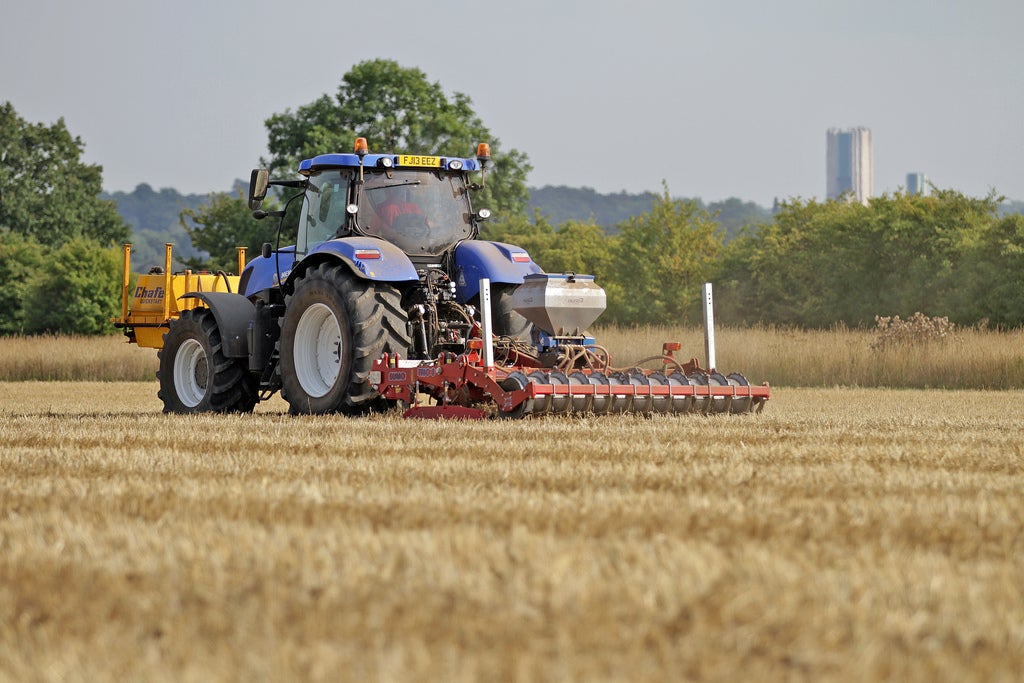
Few professions require as close attention to the weather as farming. Extreme temperatures, floods, drought, and storms are the quickest way for a promising crop to turn into a total loss. That’s why it is surprising that a new report from the environmental data organization CDP shows food companies largely ignore their agricultural supply chains when making climate commitments. Less than 25 percent of the companies reporting greenhouse gas (GHG) data are accounting for indirect emissions from fertilizer, manure, or deforestation.
There are various reasons why so few food companies extend climate commitments to their full supply chains – global supply chains are complex and it can be difficult to trace product components back to their origins.
But failure to account for agricultural emissions is problematic. As the CDP report noted, at least 10 percent of global GHG emissions are unaccounted for, meaning food companies are lacking important insight into climate risks in their supply chains.
Here are three reasons why food companies should invest the time and energy required to take this step: (more…)
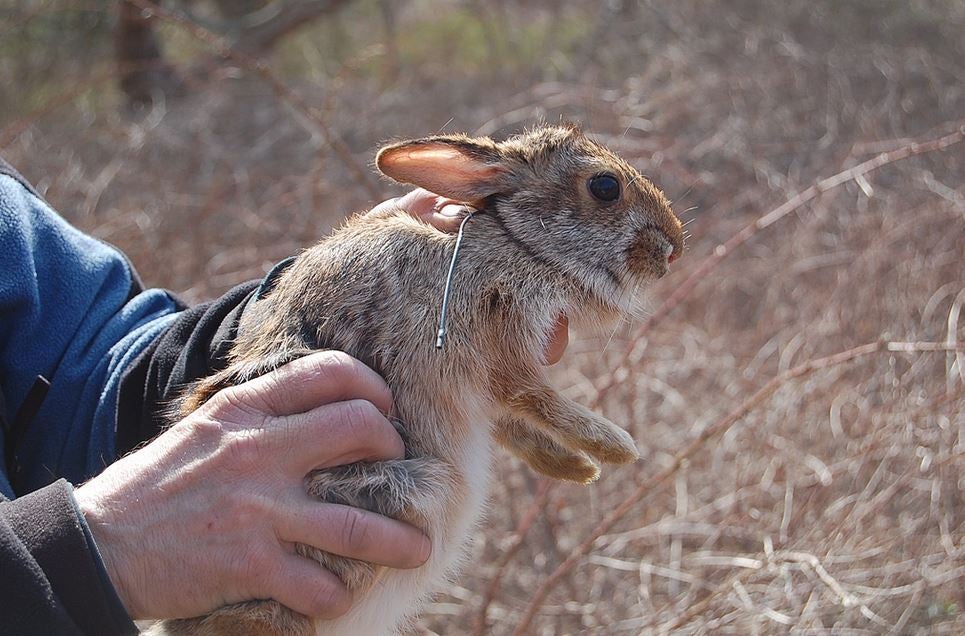
Saturday marked a new chapter in a years-long rabbit’s tale.
Of course I’m talking about the New England cottontail, which, until this week, was a candidate for listing under the Endangered Species Act.
Thanks to the work of private landowners, conservation groups, tribes, and state and government agencies, the U.S. Fish and Wildlife Service has decided to remove this critter from the candidate list and declare that it’s well on the path to recovery.
A team effort
The growth of the New England cottontail population was a team effort, with important contributions from state wildlife departments, the U.S. Fish and Wildlife Service, U.S. Department of Agriculture (USDA) Natural Resources Conservation Service (NRCS) and conservation organizations.
But the most important contribution came from farmers and forestland owners who committed to managing the specialized habitat of the New England cottontail. (more…)
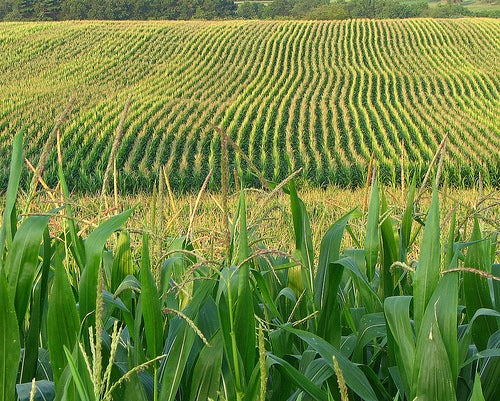 In the past three months, three new revenue opportunities have emerged for growers. In June, the first ever carbon offset protocol for crop-base agriculture in a cap-and-trade market was approved for U.S. rice growers by the California Air Resources Board (ARB). The “rice protocol” announcement was followed shortly after by approval of a voluntary grasslands protocol, which rewards farmers for avoiding the conversion of grasslands to cropland.
And now, USDA has demonstrated its interest in and support of another market-based approach for growers: increasing fertilizer use efficiency. Thanks to a new grant from the U.S. Department of Agriculture (USDA), EDF and partners will be helping almond and corn farmers reduce fertilizer runoff and nitrous oxide emissions, and earn greenhouse gas credits that can generate revenue.
Here’s what this project will entail: (more…)
The original version of this post appeared on EDF’s Voices blog.
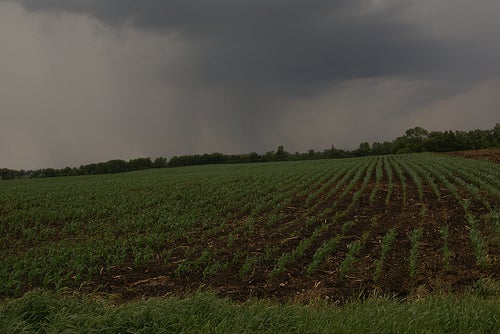
An El Niño advisory is now official, and scientists suggest there is a greater than a 90-percent chance that it will arrive this winter.
They also believe the developing El Niño could become one of the most powerful on record – rivaling its 1997-98 predecessor, which sent California twice as much rain and the Sierra Nevada double the snowpack it usually gets.
So news of another El Niño may sound like a blessing for California farmers, who help make the state the world’s eighth-largest economy, as they suffer through the worst drought in more than a millennium. (more…)
A longer version of this post was first published on EDF+Business.
Sometimes when a problem seems too big, too ugly and too complex to handle, you need a lever to help move things along. All of the big environmental problems we currently face fall into this category.
When it comes to tackling our planet’s biggest problems, there is a full spectrum of approaches and many different leverage points. A thriving planet and a thriving economy, farmers included, don’t have to be at odds. EDF is focusing on helping businesses make their supply chains cleaner, more efficient and more profitable.
By collaborating with decision makers at every point in the agricultural supply chain – from retailers and food companies to agribusiness and farmers – we are building demand for and increasing the supply of sustainably produced grains.
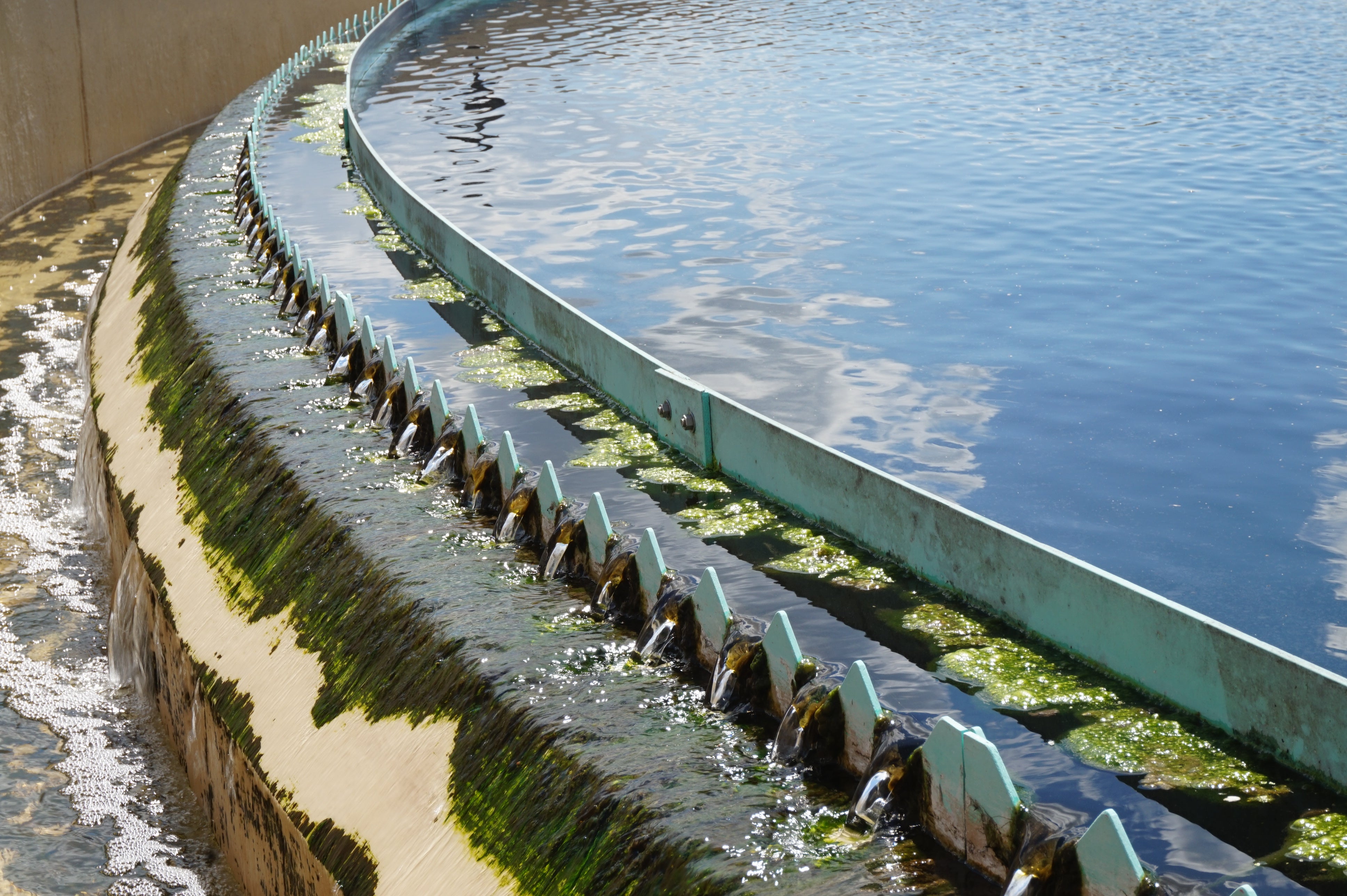
The Des Moines Water Works lawsuit represents one of the most contentious challenges in modern-day agriculture: who should pay for protecting water quality from excessive nutrient loads?
Excess nutrients in streams and watersheds can cause algae blooms as well as air and water pollution. Whether due to excess fertilizer runoff from agriculture, urban sewage, stormwater runoff, or air depositions of nitrogen, wastewater treatment facilities often bear the primary responsibility of nutrient removal in many watersheds. Under the Clean Water Act, these facilities are charged with cleaning water to a certain standard, which can be increasingly hard to meet – and to pay for – when excess nutrients are present.
But there are some interesting solutions in the works.
I asked Pat Sinicropi, Senior Director of Legislative Affairs at the National Association of Clean Water Agencies (NACWA), to tell me about the collaborative approach her organization is taking to solve the problem – by working with farmers. (more…)
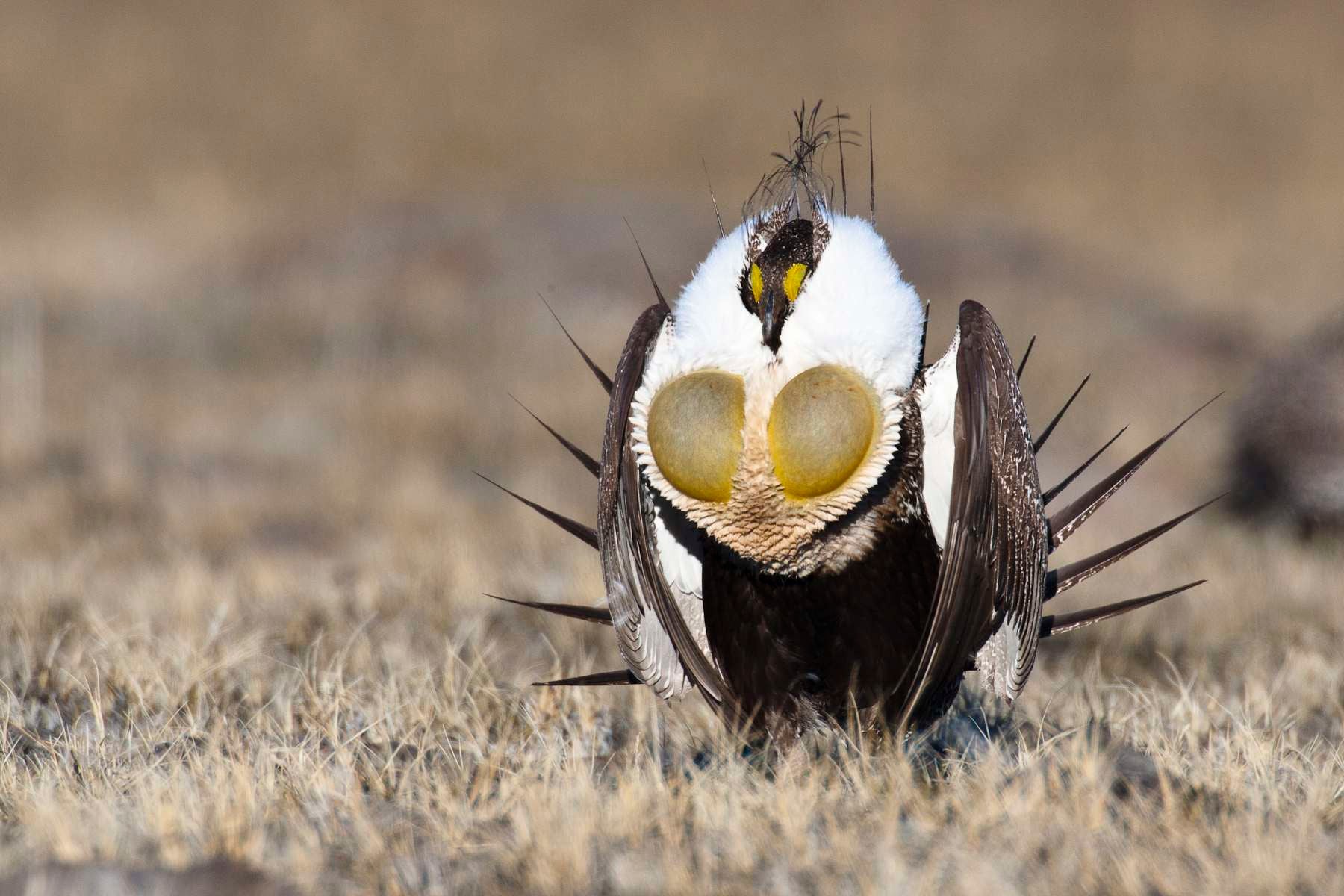 U.S. Department of Agriculture (USDA) Secretary Tom Vilsack today announced a four-year strategy to invest more that $200 million in greater sage-grouse conservation efforts.
The strategy, known as Sage Grouse Initiative 2.0, will build on successful public and private conservation efforts to improve sage-grouse habitat by providing additional assistance for ranchers to make conservation improvements to their land.
It’s encouraging to see USDA remaining at the forefront of federal efforts to move sage-grouse protection forward. This funding is a huge boost for sage-grouse, but there are opportunities through emerging programs for impact industries to do even more to protect this iconic bird. (more…)