Climate change solutions
We deliver game-changing environmental solutions that have a real impact for people around the globe.

Building resilient land and water systems that allow people and nature to prosper in a changing climate.
2017 saw 16 weather and climate disasters that cost a billion dollars or more, from freezes and hail, to fires and flooding. Agricultural losses from Hurricane Harvey, Hurricane Irma, Hurricane Maria and California wildfires alone totaled more than $5.7 billion – and counting.
With extreme weather becoming more common, we all have a stake in building a food system that can absorb and recover from such stress. A resilient food supply equips farmers with the tools and incentives to find climate-smart solutions, and that requires action globally and locally. (more…)
David Guy is president of the Northern California Water Association (NCWA), an organization committed to ensuring that water supplies are available for the Sacramento Valley — both for today’s users and for future generations.
“The Sacramento Valley is a rich mosaic of farmlands, cities, rural communities, refuges, managed wetlands and meandering rivers,” David said. “Every drought we experience reveals numerous pressures on the water supplies that support this vibrant region. We have to be motivated and forward-thinking to advance the economic, social and environmental sustainability of the Sacramento Valley by enhancing and preserving its water rights, supplies and water quality.”
I recently had the opportunity to speak with David about his role at NCWA, some of the challenges that he and the region face, and how to prepare for the future. Here’s what David had to say. (more…)
 I’ve always been mindful of the environment, but it never struck me that conservation was something you could focus on professionally. It was just something that you cared about.
That’s why my career until now has included a range of other pursuits – playing music professionally and teaching percussion to public school students, collecting and analyzing intelligence in the U.S. Army, and conducting social network analysis for the Department of Defense.
When U.S. military involvement (and thus my own involvement) in the wars in Iraq and Afghanistan began to diminish, I took stock of what was important to me and what I wanted to spend the rest of my career doing. (more…)
In a recent op-ed for The Hill, Robert Henneke of the Texas Public Policy Foundation shared his opinion that “The Endangered Species Act is an ineffective regulatory burden.” I believe Mr. Henneke lacked a full perspective of the bedrock American environmental policy.
As a fellow Texan, I was surprised to see Mr. Henneke forget about the great wildlife success stories in our home state. The whooping crane, the Kemp’s Ridley sea turtle and the Northern Aplomado Falcon have all experienced growing populations in Texas, thanks to conservation efforts made possible by the Endangered Species Act (ESA). Though they are still classified as “endangered,” these species have turned the trajectory from extinction to recovery, so I wouldn’t say the Act is ineffective, and I certainly wouldn’t go so far as Mr. Henneke does to call it “a terrible approach” to saving species with “an abysmal track record.”
I’m a sixth generation rancher in Brady, Texas. My husband George and I love and care for the land, the livestock, and the wide variety of Texas wildlife that call our ranch home. (more…)
There I was again, in the car on Highway 99, on my way from San Francisco to Visalia, in the heart of California’s San Joaquin Valley. I had made the trip a dozen times over the past year. But this trip was different. This time I was headed to a reunion.
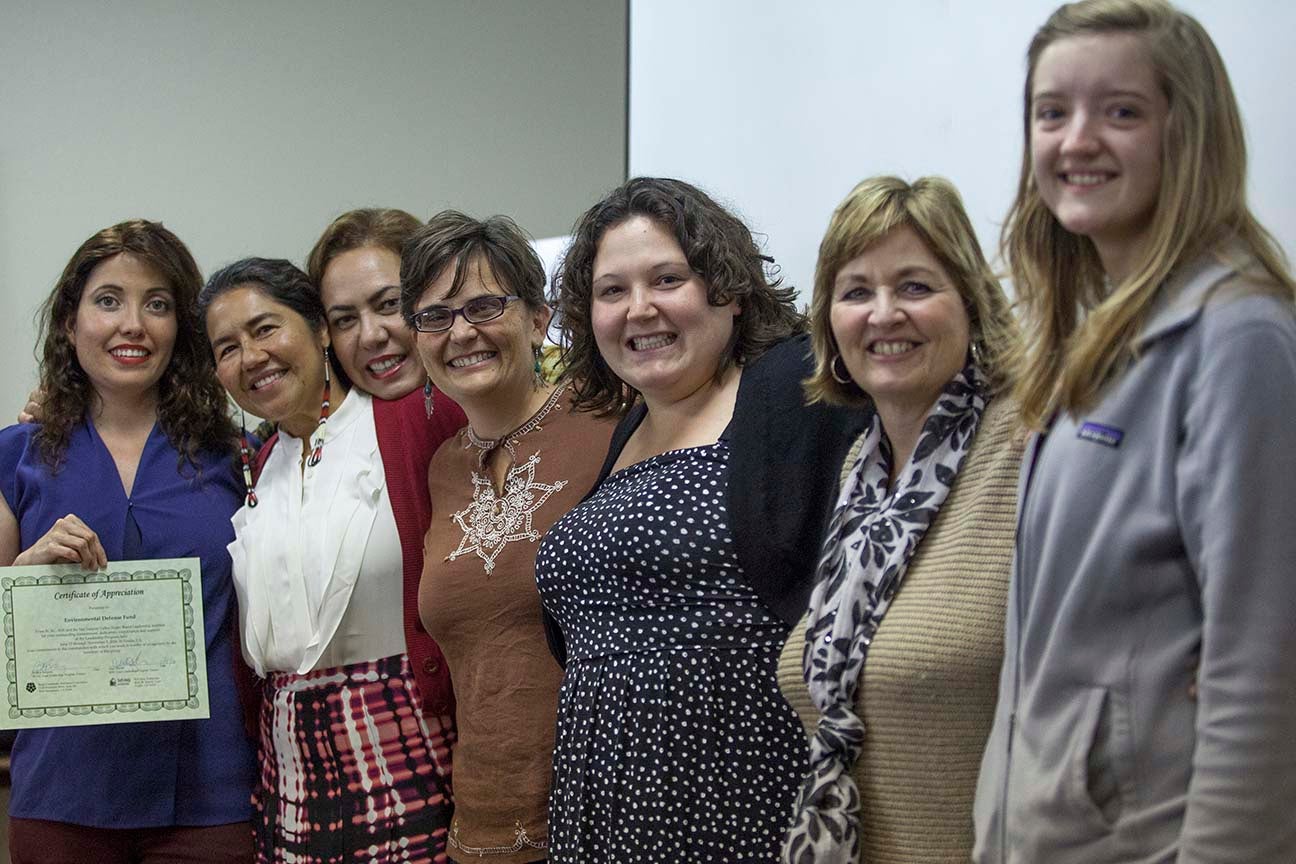
Back in December 2016, I wrote about a cohort of 30 community water advocates who had just graduated from the Rural Water Boards Leadership Institute – a joint effort sponsored by the Rural Community Assistance Corporation, Self Help Enterprises and Environmental Defense Fund to train residents in the San Joaquin Valley on how to engage on state water policy. Participants spent six months attending workshops and learning about California’s landmark law to end groundwater over pumping and how the law – known as the Sustainable Groundwater Management Act, or SGMA – might affect their small community water systems. They discussed methods for engaging state policy makers and learned advocacy and communication skills.
Now, almost a year after their graduation, these water leaders were meeting again to catch up, share stories and explore new opportunities to learn from one another. (more…)
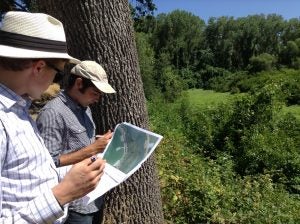
The drive through the Central Valley’s mosaic of agricultural land, water infrastructure, riparian zones and floodplains has become a familiar one for me and my colleagues. We meet frequently with landowners who are creating, restoring and protecting habitat for wildlife on these working lands.
At each farm and ranch we visit, I am inspired by the landowners who are stepping up to do what they can for the at-risk species that are a part of the Central Valley’s ecology and history.
Whether they are managing flooded fields for Chinook salmon and giant garter snakes, planting trees for Swainson’s hawks and riparian songbirds to nest, or allowing native milkweed and wildflowers to grow for monarch butterflies to breed and feed, these landowners are showcasing conservation innovations that honor and sustain the region’s natural heritage. (more…)
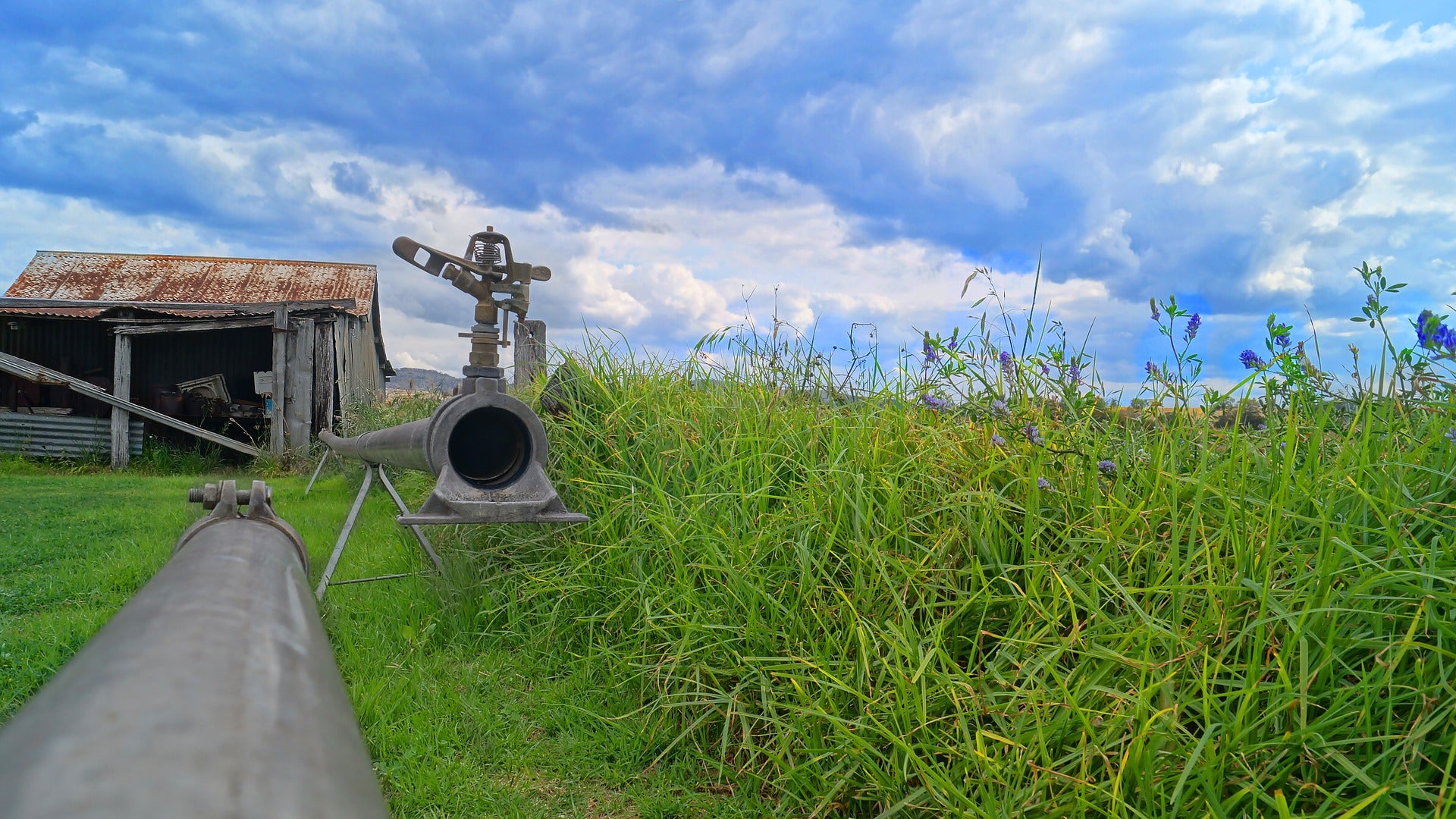
For much of its history, California was the Wild West when it came to groundwater. Thirsty cities and farms could freely pump from underground aquifers with little to no oversight. If you could build a well you could take the water.
Recognizing the negative impacts of unchecked pumping, the state stepped in and, in 2014, passed the Sustainable Groundwater Management Act (SGMA). SGMA makes local agencies responsible for bringing priority groundwater basins into sustainability – meaning many water managers now need to find new ways to meet their water needs.
In addition to benefiting the environment, on-farm conservation practices tend to create economic value for farmers and surrounding communities. Anecdotal examples of these benefits abound – fertilizer efficiency saves farmers money; no-till lowers labor and fuel expenses; and buffers and wetlands reduce downstream flood risk and drinking water treatment costs.
Quantifying them, however, remains a major challenge. The resulting data gap limits broader adoption of conservation measures.
Farmers care about stewardship, but many conservation practices require large upfront investment or take too long to produce returns. At the same time, investors want to help farmers generate financial and environmental benefits, but a lack of economic data holds them back, according to a study from Encourage Capital [PDF] and the USDA Natural Resources Conservation Service. (more…)
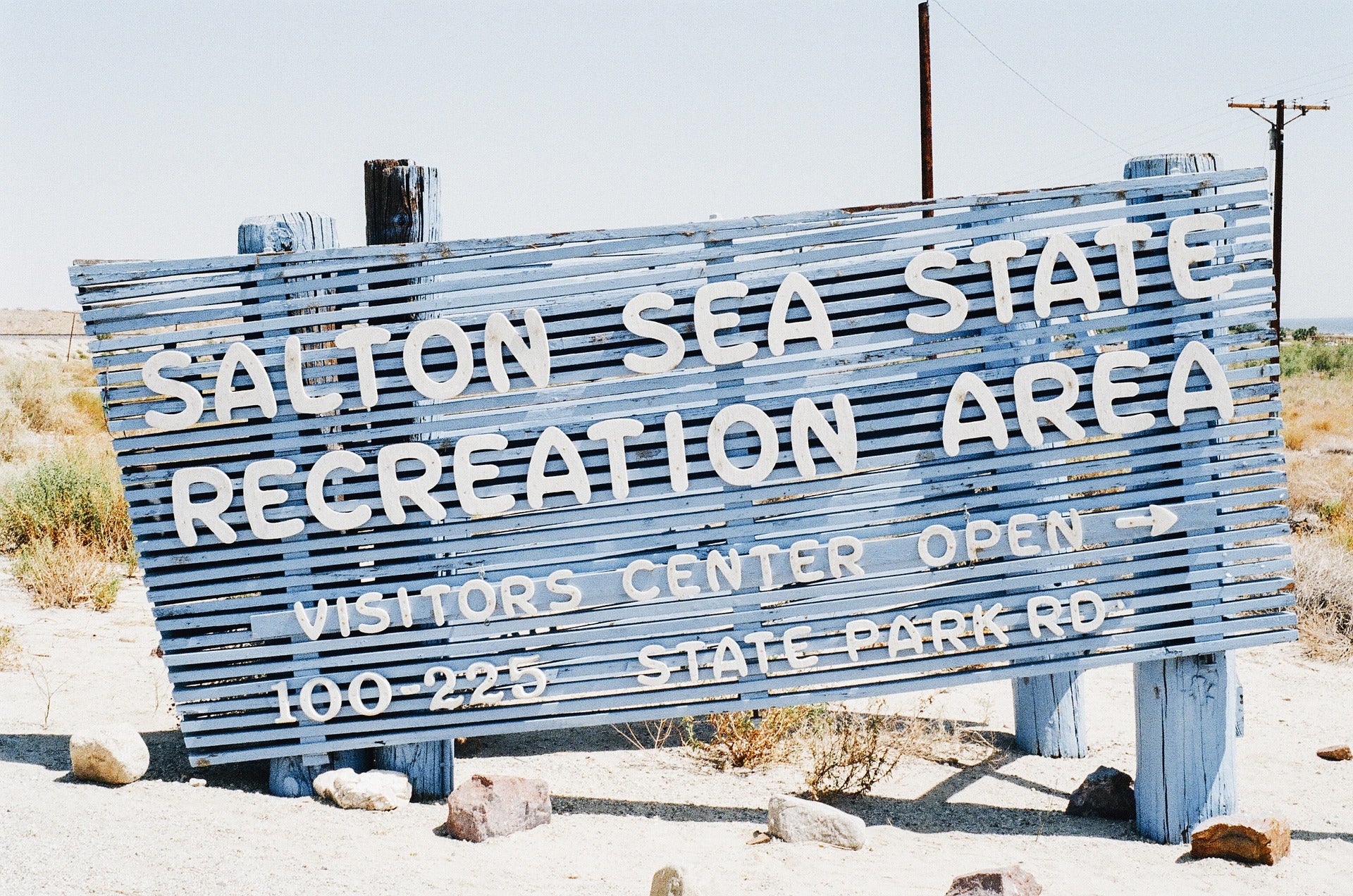
We’ve seen it coming for years. The Salton Sea, California’s largest lake, has been in a slow and steady decline for decades. And things are likely to get worse at the end of the year.
That is, unless the state steps up and honors its commitment to manage and restore the sea.
A looming deadline
The Salton Sea was created in 1905 when floods breached a levee on the Colorado River, sending a wall of water through Imperial Valley and to the Salton Sink, a natural desert bowl roughly 230 feet below sea level. Water accumulated there and ultimately created the Salton Sea. For decades after that Colorado River water continued to sustain the sea as it passed through Imperial Valley farms as irrigation runoff.
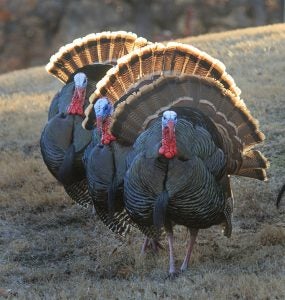
What many people forget, or perhaps never knew, is that America’s wild turkey population was once estimated to be approximately 30,000 – a number comparable to today’s estimates for polar bears worldwide.
Thankfully for us (and the gobblers), American wild turkeys now number close to seven million.
So how did the turkey bounce back? The answer lies in what some consider America’s greatest wildlife conservation success story. (more…)