Climate change solutions
We deliver game-changing environmental solutions that have a real impact for people around the globe.

Building resilient land and water systems that allow people and nature to prosper in a changing climate.
In the face of climate change, it can be difficult to balance environmental, economic and community needs, but it’s a challenge we must overcome to adapt, survive and thrive.
To do this, professionals from multiple sectors across the globe are increasingly incorporating adaptive management techniques into resource planning for all kinds of essential ecosystems – from major watersheds like the Mississippi River Delta to high food production regions like the Corn Belt.
The lessons learned from past management decisions in these places will help shape resilience strategies for communities and industries around the world as they prepare for a new normal. (more…)
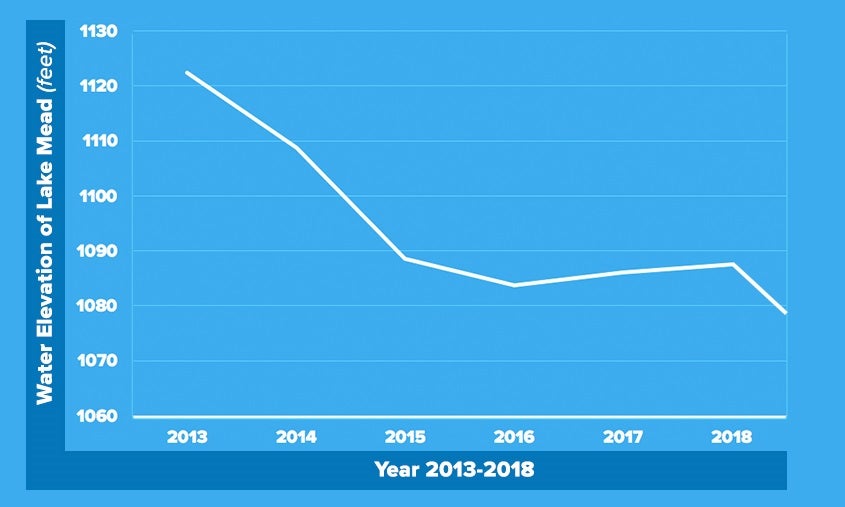
Lake Mead water users this week learned we once again narrowly avoided water cutbacks by the skin of our teeth.
A 24-month projection released Wednesday by the U.S. Bureau of Reclamation shows we skirted federal mandatory water cuts for now, but prospects for 2020 do not look good. The forecast found Lake Mead water levels will end this month at 1,079 feet – a mere four feet away from the 1,075-feet threshold that would trigger a federal shortage declaration and mandatory cuts.
The report predicted Lake Mead will dip just below the threshold to 1,075 feet as early as May 2019 – in nine months. At the beginning of 2020, Lake Mead levels are predicted to be at approximately 1,070 feet and then predicted to fall to as low as 1,053 feet in the summer of 2020.
An official shortage declaration has been staved off until at least August 2019. That’s when the next key projection comes out, for January 1, 2020.
The Cosumnes River is one of the last undammed rivers west of the Sierra Nevada. While not a large river, it flows year-round out of the Sierras, east of Elk Grove, south of Sacramento, and across the floor of the Central Valley before adding its modest flow to the Mokelumne River.
Every year, however, around the Fourth of July, the lower part of the Cosumnes River goes dry, even while the flow from the Sierras continues. The lower river stays dry until the first big rains come, sometimes as late as December or January, and resumes its high flow throughout the winter months.
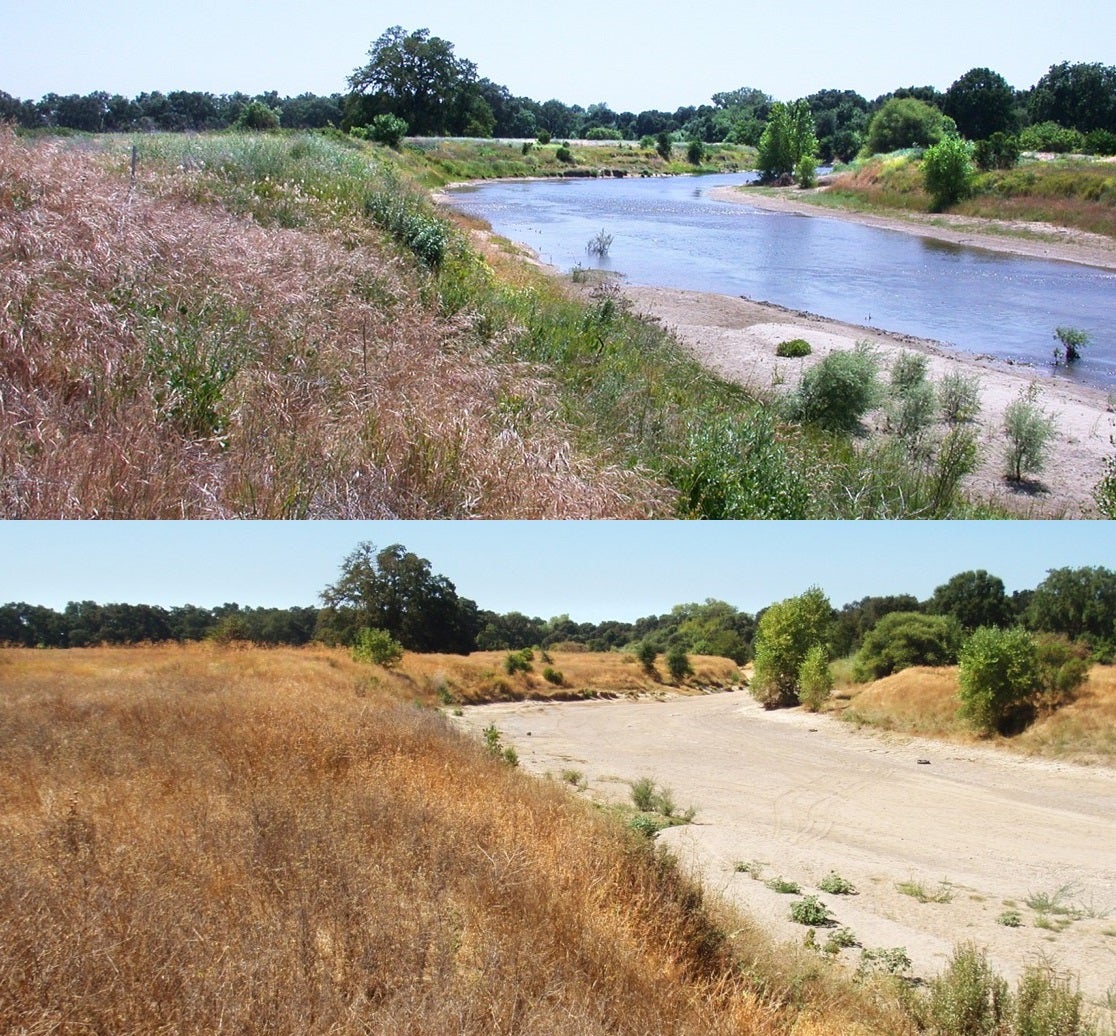
How can a river be flowing and then disappear downstream? The explanation lies in the inevitable interaction between groundwater and surface water, which have been managed separately – until now.
Last year’s hurricane season was the most destructive disaster season in U.S. history, causing $265 billion in damage and forcing more than one million Americans from their homes.
As climate change causes weather to get more extreme, coastal communities across the country are struggling to find cost-effective solutions to enhance their resiliency to storms and develop new ways to finance that work.
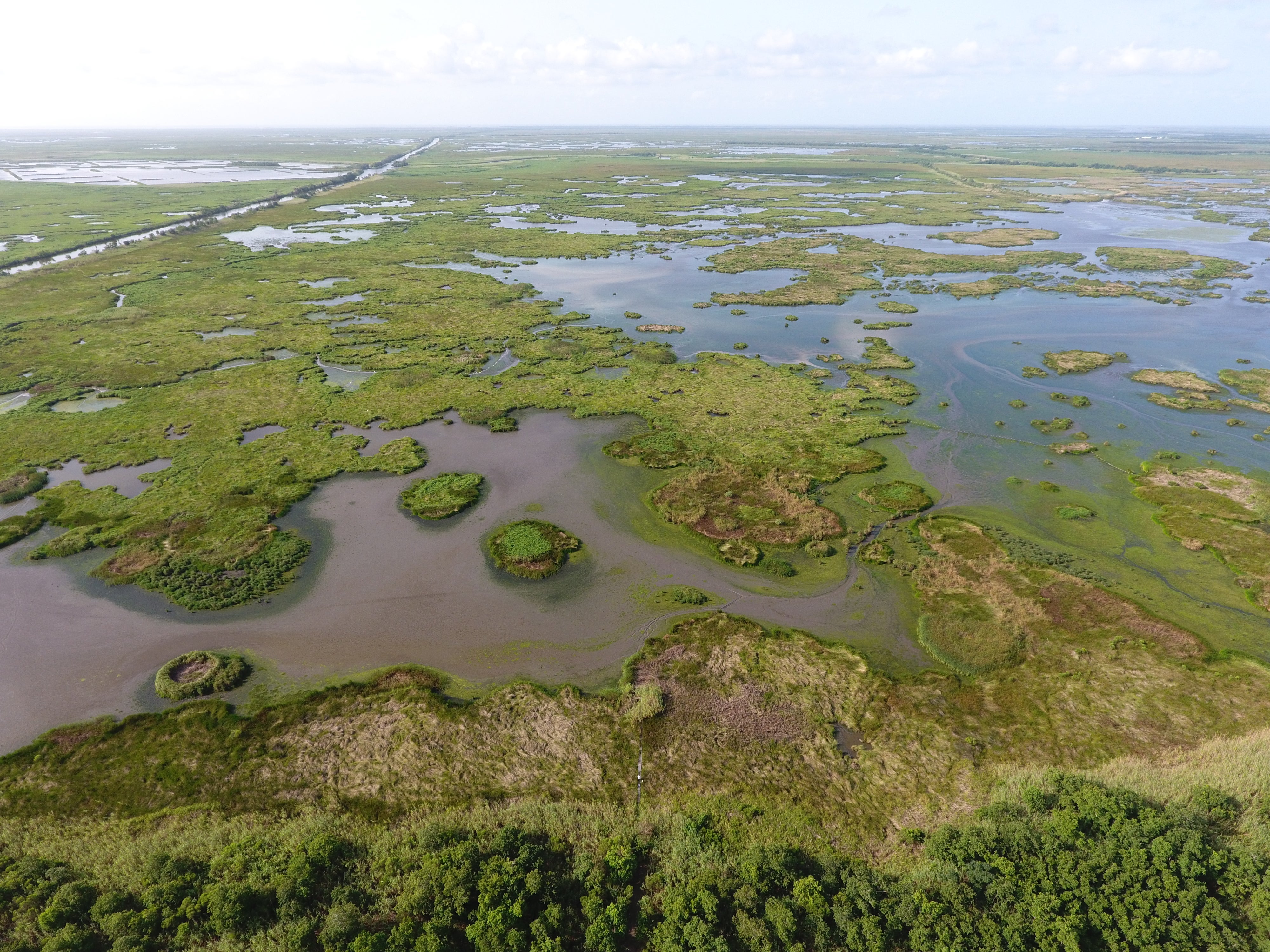
How can we help make coastal communities more resilient more quickly? How can we engage the private sector in coastal resiliency efforts and generate a financial return for investors?
Together with my EDF colleagues and partners, I set out to explore how one innovative financing mechanism – environmental impact bonds – might help. (more…)
One of the best parts of my job at Environmental Defense Fund is working with our farmer advisory network – a group of 19 producers who farm across the Corn Belt and Great Plains on operations ranging in size from about 5,000 acres to 30,000 acres.
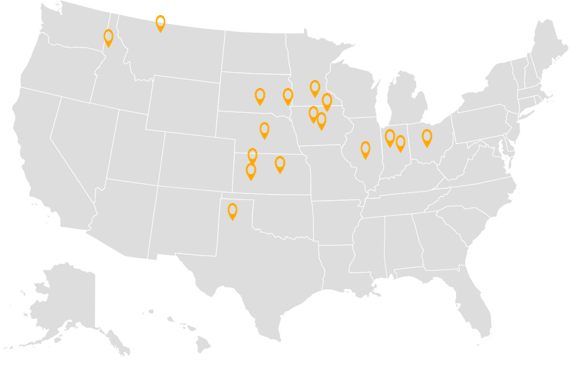
They’re brilliant business people who know how conservation can benefit their bottom line. With their guidance, we’re making real progress aligning economic and environmental outcomes for agriculture.
Here’s how this unique partnership came about, and three of the most important areas of progress we’ve made through our collaboration over the past eight years. (more…)
Drones have taken off in popularity, as updates in technology have made them more affordable and maneuverable. These advancements are allowing researchers to capture high-resolution data with accuracy, precision and ease, making drones a valuable tool for understanding how the world around us is changing, and how we can manage this change.
My Environmental Defense Fund colleagues are exploring ways drones can help us build ecosystem resilience, from corn fields in the heartland to wetlands along our coasts.
Here are four inspiring examples. (more…)
We are observing the most coordinated set of attacks on the Endangered Species Act since it was signed into law nearly a half century ago.
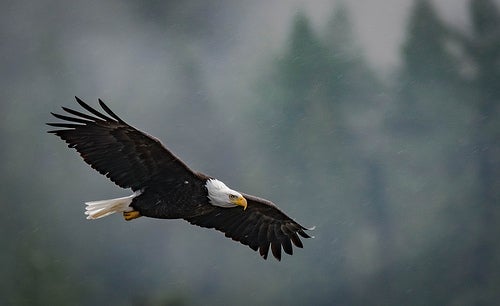
The latest series of assaults – from legislation introduced in Congress to proposed changes by the Trump administration – fall into the increasingly perilous partisan trap that pits industrial and economic interests against the environment and public health.
This two-sided narrative consistently drowns out moderate voices in national media coverage and has created an illusion of broad disagreement around the ESA that simply does not exist.
Recent surveys show that 83 percent of Americans support the ESA, including 74 percent of conservatives.
That’s a lot of bipartisan support. Yet House legislators and the Trump administration are pushing extreme proposals that cater to the political whims of a few special interests.
Americans deserve better. Here are six actions that will improve protections for wildlife, preserve our outdoor heritage and strengthen local communities. (more…)
A new study from UC Davis found that “grasslands and rangelands are more resilient carbon sinks than forests in 21st century California.”
While forests remain vital to global climate mitigation efforts, the increasing frequency and severity of wildfires has heightened the need to explore additional carbon sinks in fire-prone regions. Grasslands lock carbon into the soil, and they don’t release it during wildfires.
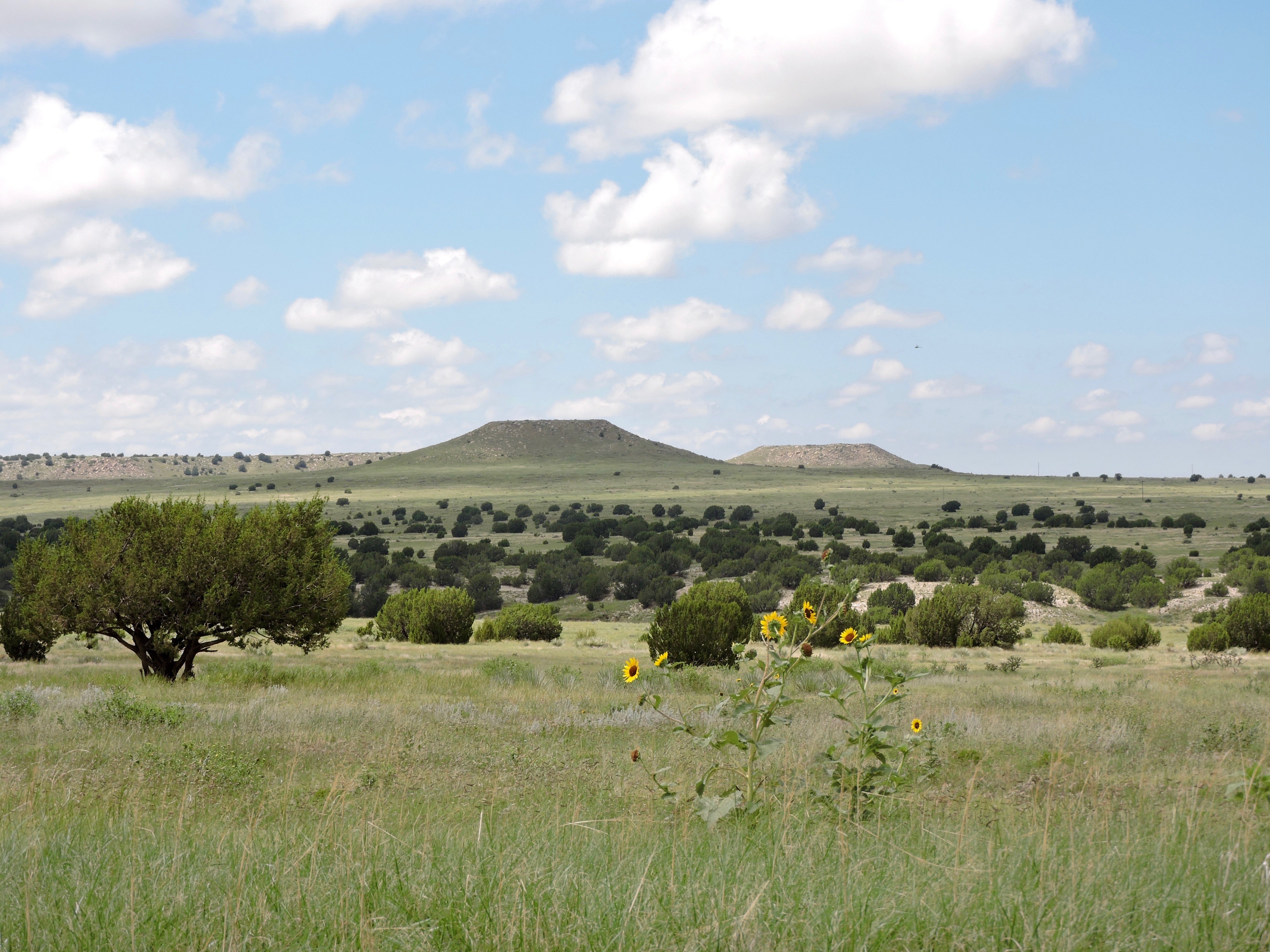
It’s because of this resilient carbon-capturing power that grasslands and rangelands are essential to meeting climate goals. Unfortunately, these ecosystems are being converted into croplands at the highest rate in decades. Landowners converted 1.6 million acres of long-term grasslands – those that have existed for 20 years or more – into croplands between 2008 and 2012.
Record high land rental values make land conversion a compelling economic choice, but a new market opportunity may soon change this calculus. (more…)
I recently participated on a panel discussion with a provocative title: “Elite Food Consumers: A Force for Environmental Good?” The panel was moderated by The Washington Post columnist Tamar Haspel and organized by the Breakthrough Institute.
It was a great discussion because there is no doubt that consumer preferences are changing food – and not just for elite consumers. Even the larger and more affordable food retailers are responding to new consumer demands for how food is produced, what ingredients it contains and how products are marketed. But consumer choices alone won’t reshape the food system.
Minimizing the environmental footprint of agriculture – in ways that don’t hurt farmers’ profitability or consumers’ pocketbooks – will require additional levers. (more…)
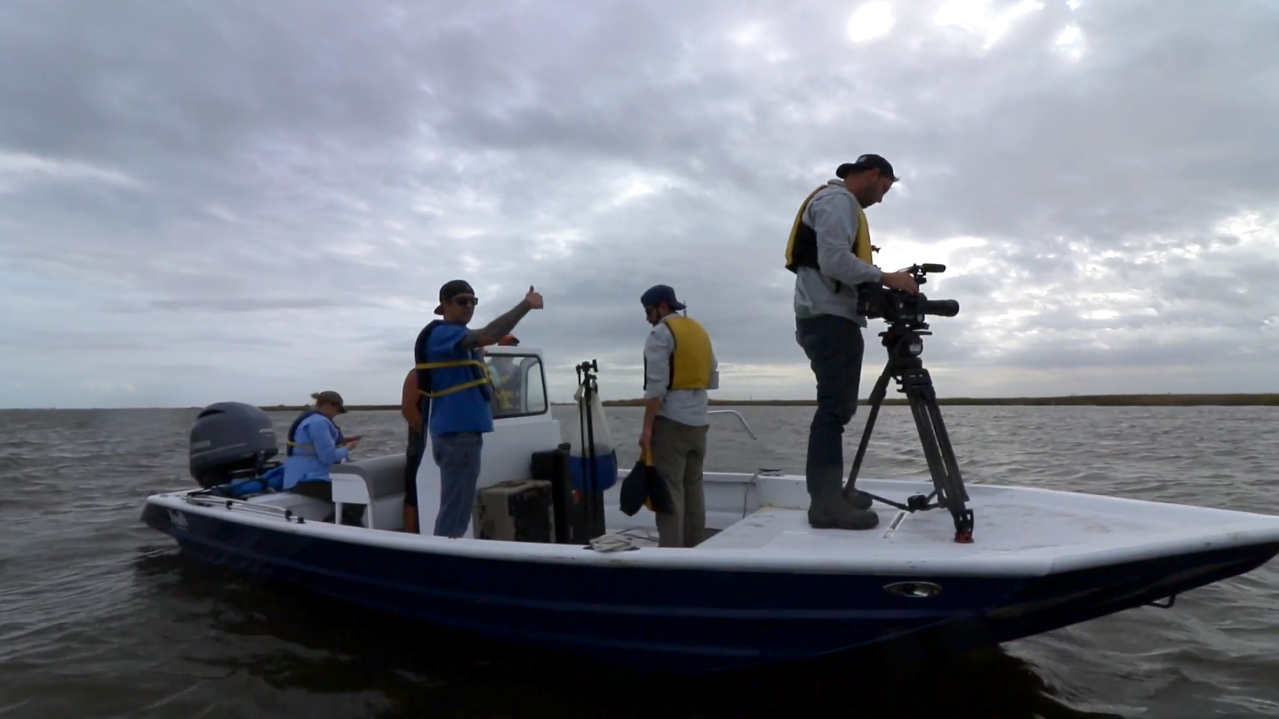 There is nothing like a boat ride through Louisiana’s Wax Lake Delta. This lush landscape, teeming with birds and wildlife, is an example of what Louisiana’s coast can look like if we use the Mississippi River to build land and increase the state’s resilience to storms and rising seas. It’s truly a beautiful place.
In stark contrast, a short plane ride over the region from New Orleans shows the true reality: Much of Louisiana’s coast is disappearing, as coastal wetlands cut off from the Mississippi River turn into open water. This Swiss cheese effect is startling when seen from the air. (more…)