Climate change solutions
We deliver game-changing environmental solutions that have a real impact for people around the globe.

Building resilient land and water systems that allow people and nature to prosper in a changing climate.
A friend complaining about her skyrocketing water bill. Parents worried about bathing their children in water known to be carcinogenic. Witnessing young salmon once again flourish on seasonal rice fields.
These are just a few of the water stories that colleagues and I, representing a range of sectors within the Central Valley and coastal region of California, shared in a new report that provides recommendations for incoming Gov. Gavin Newsom to create a healthier and more resilient water future for the state.
We believe that sharing our own first-person narratives is a powerful way to highlight the critical importance of engaging neglected constituencies, fostering creative partnerships and developing innovative funding mechanisms for water management in California. (more…)
A week before voters elected a record number of women into Congress, I found myself attending my first water conference without a single man in the room.
It was the 2018 California H2O Women Conference, and it was unlike any other women’s leadership event I have ever attended.
The focus wasn’t on mentoring, work-life balance or leaning in. Rather, the content was gender-agnostic, addressing the most timely water issues in California today, including Sustainable Groundwater Management Act-driven solutions, the business of water, water recycling and use, and technology and innovation.
The conference theme was adaptation and resilience, which are more relevant than ever as we struggle to address the impacts of climate change, most recently in the form of the worst wildfires in the state’s history. A critical element to creating an equitable and resilient water system involves including not only environmental perspectives, but also disadvantaged communities, farmers, tribes, and, of course, women.More women are working at all levels in the water sector. What this means for resilience: Share on X (more…)
Throughout Environmental Defense Fund’s history and my nearly two decades of working on our agriculture team, collaborations with unlikely allies have proven to be a powerful, necessary way to unleash transformative sustainability solutions.
It’s in that spirit that EDF has partnered with the National Corn Growers Association (NCGA), which represents the interests of more than 300,000 corn farmers, to address one of the most pressing challenges facing our food and agriculture system – how to improve environmental outcomes while optimizing crop productivity and economic performance.
This partnership marks the first time an environmental nonprofit and commodity crop association have joined forces at this scope and scale. Here’s how it came about and what we’ve committed to tackle together. (more…)
Firefighters in California are counting the days until the end of the fire season, hoping for a much needed respite from an almost constant barrage of catastrophic fires over the last two years.

During that time, we’ve witnessed some of the largest and most costly fire seasons in history. Eight firefighters and 49 civilians lost their lives during the 2017 and 2018 wildfire seasons. The Carr fire alone cost more than $1.6 billion in insured losses and suppression costs.
The federal government has long played a productive role in partnering with Cal Fire, California’s state forestry and fire fighting agency, and local fire departments to combat fires and finance fire suppression and forest restoration. But President Trump and Interior Secretary Ryan Zinke have actively undermined this partnership over the last several months, pointing fingers and spreading misinformation.
Climate change will continue to increase fire risks in California and beyond in the coming years. Building resilient ecosystems and protecting lives and properties will require collaborative solutions that are grounded in reality.
Here are three wildfire myths sparked by Trump and Zinke that, just like fires, must be stopped before they spread. (more…)
Florida and North Carolina are once again recovering from hurricanes – this time, from two of the largest storms to hit our coasts in a century. In a climate-driven world, an important aspect of recovery is rebuilding in ways that make communities safer and more resilient to storms.
One strategy for reducing future flood risks is restoring natural features such as barrier islands, dunes, wetlands and floodplains. These natural infrastructure solutions help slow storm surge and hold flood waters, reducing the devastating impacts of storms.
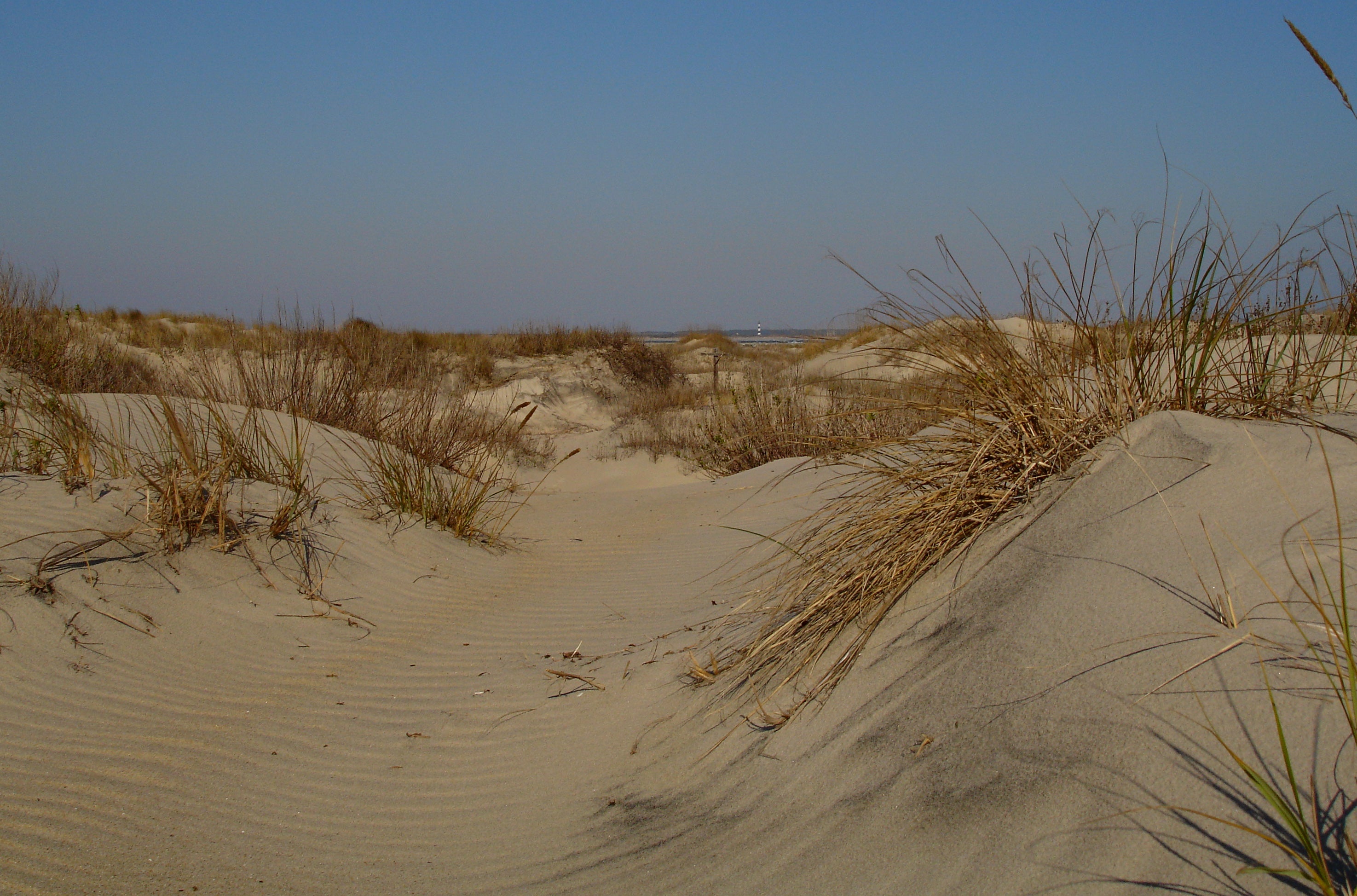
Yet, despite what we know about the effectiveness of these features, natural infrastructure is still an underutilized resilience strategy.
While there is broad agreement that natural infrastructure can be an effective, sustainable means to reduce flood damages, existing information gaps make it difficult for city planners, engineers and decision-makers to fully support these practices. The good news is there is work already underway to help fill these gaps and make natural infrastructure solutions more accessible. (more…)
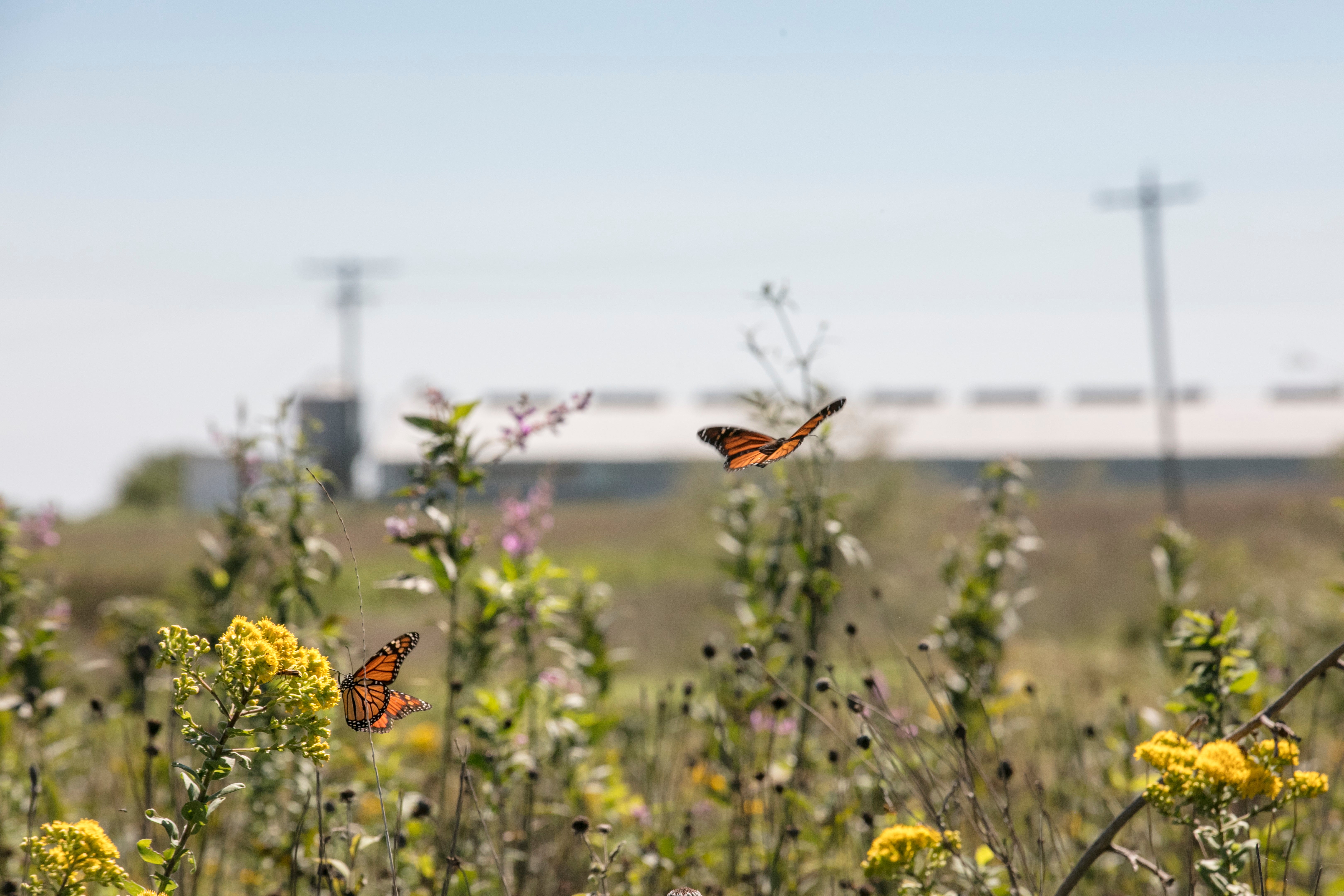
You may have noticed more monarch butterflies than usual this year. There’s a reason for that.
Researchers are finding that monarch populations are at the fourth highest level since 1993 – making this year’s population currently migrating south for the winter one of the highest of the past 25 years.
That’s great news for the beloved orange and black butterfly, which has faced a 95 percent population decline since the 1980s. This dramatic loss has been driven largely by increased applications of herbicides across the agricultural landscape, and additional threats posed by extreme weather and climate change.
But citizens, conservationists and even some forward-thinking companies are highly motivated to help recover the monarch before it’s too late.
Every day farmers across the U.S. face unprecedented pressures from a variety of factors, including policy and regulations, markets and trade, and variability in input costs. With extreme weather becoming a new normal and the global population climbing toward 11 billion people by 2100, it is imperative that we build a food and agriculture system that can absorb and recover from these stresses.
This summer, Environmental Defense Fund, National Corn Growers Association and Farm Journal Foundation convened a stakeholder dialogue about the challenges facing the agriculture industry and recommended paths forward.
A new white paper [PDF] summarizes key findings from the discussion, which also included ideas for better equipping farmers with the tools and incentives they need to identify and adopt climate-smart solutions.
Here are four policy and market opportunities that can help boost agricultural resilience. (more…)
Smithfield Foods, the world’s largest pork producer, has committed to a major increase in manure-to-energy projects. The company will invest in infrastructure and provide farmer incentives to install manure lagoon covers and digesters on 90 percent of its total hog finishing capacity, a standardized measurement that excludes sow and nursery farms, in North Carolina, Missouri and Utah over the next ten years.
This is a major step forward for the hog industry. Open lagoon and sprayfield systems of manure management are predominant in North Carolina and raise concerns about greenhouse gas emissions, water quality, odor and resilience to extreme rainfall.
There are currently only a few manure-to-energy projects in North Carolina. This commitment from Smithfield means they will become the new status quo.
The company’s largest source of greenhouse gases is methane emitted from open manure lagoons. Here’s how this commitment will turn that liability into an asset – and how we can ensure that it delivers the full potential benefits of the change. (more…)
With a rapidly changing climate and more frequent extreme events like floods and droughts, comprehensive environmental monitoring will be increasingly important for coastal planners, farmers and others invested in natural resource management.
Monitoring efforts can cover the whole spectrum of environmental and socioeconomic concerns to provide a holistic picture of ecosystem health over the short- and long-term. This can help to inform future decisions and planning based on the most recent conditions and trends.
However, it can be difficult to coordinate monitoring efforts across political boundaries and agencies, and monitoring is expensive to maintain over time.
Luckily, Louisiana is already a world leader in utilizing collaborative monitoring data to inform coastal restoration and planning efforts. (more…)
Every year, blue-green algae in Lake Erie impacts lake tourism and sometimes elevates concentrations of a toxin that can harm human health and impair drinking water. While multiple sources contribute to this nutrient-fueled problem, fertilizer runoff from farms is the largest.
Cleaning up the lake requires farmers’ active participation, and many agricultural conservation partnerships with farmers are underway in the Lake Erie basin. For example, the Lake Erie Conservation Reserve Enhancement Program (CREP) helps farmers and landowners defray the costs of setting aside land and planting grasses or wildflowers, or creating wetlands to help capture and treat nutrients leaving the farm field.
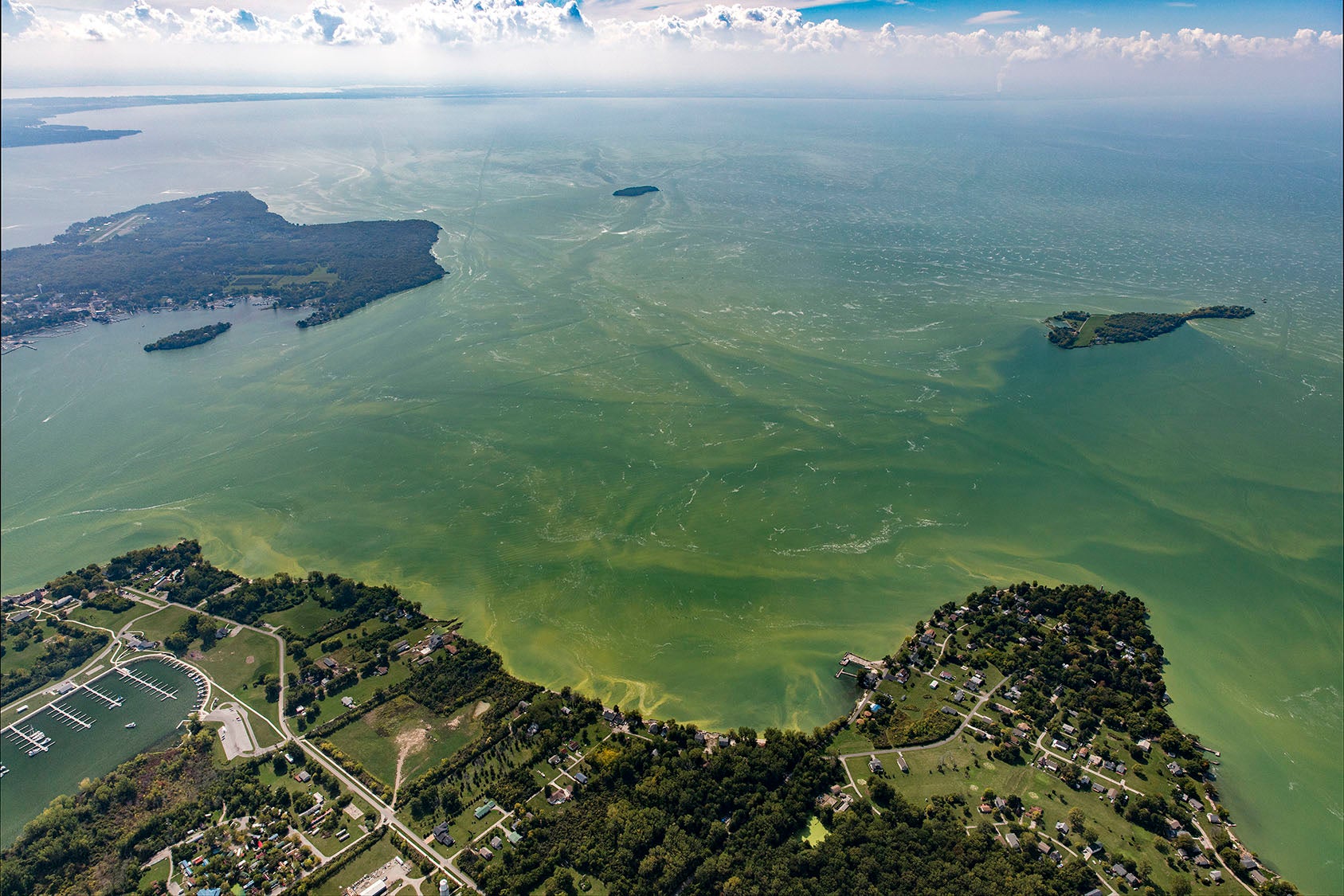
The first wave of Lake Erie CREP contracts began to expire last month, highlighting a growing vulnerability for this conservation model: how to maintain conservation practices on marginal, less productive or flood-prone acres after the initial contract runs out.
This question is especially urgent for land in sensitive areas that provides disproportionately large ecosystem benefits like water filtration. (more…)