Climate change solutions
We deliver game-changing environmental solutions that have a real impact for people around the globe.

Building resilient land and water systems that allow people and nature to prosper in a changing climate.
2019 has been an unprecedented year for flooding, even before the start of hurricane season. Despite the number of devastating hurricanes in recent years, a new University of Notre Dame study published in Climatic Change found that most coastal residents do not plan to take preventative action to reduce damages.
In addition to speeding up the recovery process, taking action before disaster strikes can help homeowners reduce damages, save money and even lives. For riverine floods, every dollar spent before a disaster saves $7 in property loss, business interruption and death.
So how can individuals, businesses and the public sector be incentivized to make proactive investments to reduce vulnerability before a disaster strikes? The first step is clearly understanding risks—now and in the future—and having concrete recommendations for how to mitigate them.
In the past, FEMA’s National Flood Insurance Rate Maps have been the source for this information; however, these probability-based maps have not resonated with most people as they rely on the obscure “100-year floodplain” concept. Being told you live in an area that has a 1 percent chance of flooding any given year does not inspire action, nor does it reflect the reality of a changing climate.
In recent years, states have stepped up with more robust tools that give residents a clearer depiction of risks and resources for how to reduce them. Three states stand out. (more…)
One of the nation’s most important water agreements in recent history – the Colorado River Drought Contingency Plan – just crossed its last major milestone: winning bipartisan approval in Congress.
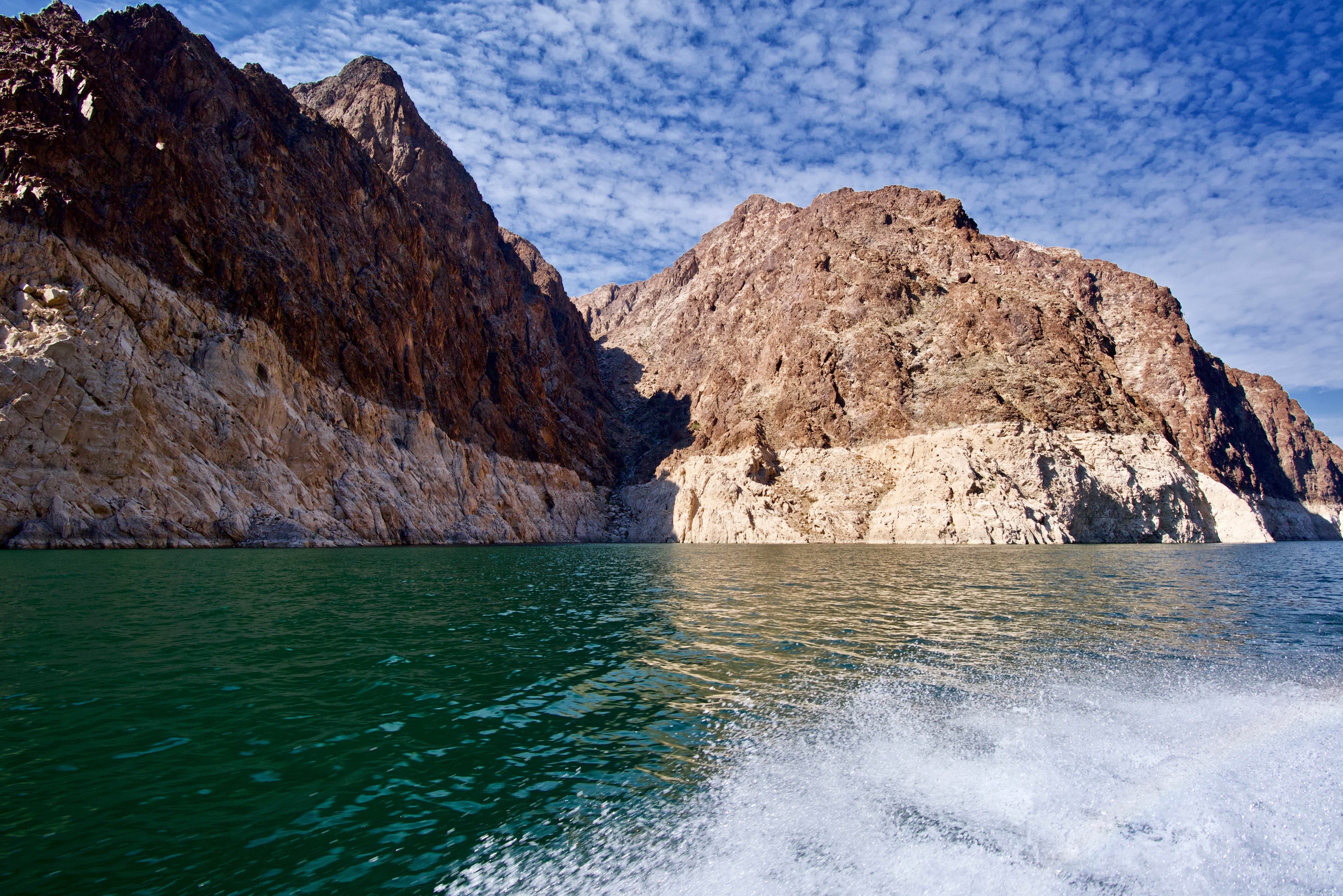
The driving force behind the water conservation plan is a nearly two-decade drought that has caused Lake Mead, a reservoir outside of Las Vegas, to fall to its lowest level ever. The drought plan outlines how Arizona, California and Nevada – the three states that rely on Lake Mead – will share cuts to avoid a crisis. The Upper Basin states of New Mexico, Colorado, Wyoming and Utah also agreed to operate reservoirs differently and begin exploring demand management to bolster Lake Powell.
The president’s signature is the final step of a multiyear, seven-state effort. But the Colorado River plan also marks a new beginning: the start of a highly productive period for water policy to build greater resilience to climate change across the country.
While recently attending the 10 Across Water Summit, I was struck by three common building blocks of successful water policy that apply across the Interstate 10 corridor and the nation: bottom-up visioning, collaboration and bridging the urban-rural divide. (more…)
Facing a future with increasingly powerful hurricanes and rising seas, Cuba is addressing its vulnerability to climate change head-on.
The country recently approved a new constitution that highlights the importance of addressing climate change, and its National Plan to Confront Climate Change, known as Tarea Vida (“Project Life”), provides a template to coordinate the resilience efforts of multiple sectors across the island.
A recent seminar in Havana on climate finance and sustainable development highlighted a three-pronged strategy for effectively building resilience: the protection and rehabilitation of ecosystems to reduce climate impacts, robust data collection, and community involvement every step of the way. These best practices translate to the U.S. as well. (more…)
Historic flooding across the Great Plains and Midwest has been devastating. While waters may be receding, farmers and communities aren’t out of the woods yet. Recovery will be costly and lengthy, and additional floods could be around the corner.
The National Oceanic and Atmospheric Administration warns that more than 200 million Americans living in 25 states face elevated flood risk through May, and the risks go far beyond this year. The fourth National Climate Assessment predicts precipitation across the Midwest will increase in severity and frequency in the years ahead.
The region needs a comprehensive strategy to mitigate the dangers of excess water and increase the ability of working lands to withstand and recover from extreme precipitation. Contingency planning will be complex and constantly evolving, but it must do these three things to be successful. (more…)
Natural disasters are oftentimes felt most severely by human communities and ecosystems that are already vulnerable. This disparity is on clear display in Puerto Rico, where I am currently working.
On Sept. 20, 2017, just two weeks after Hurricane Irma skirted the islands of Puerto Rico, the eye of Hurricane Maria struck, with sustained winds of 155 miles per hour and gusts measured at 255 miles per hour by the U.S. Fish and Wildlife Service, until the weather station was torn away. Twelve hours of wind, rain and high seas left no part of Puerto Rico unscathed.
In Vieques, the island where I’m based, and other remote areas of Puerto Rico, the power grid was offline for more than five months – the longest blackout in U.S. history.
While recovery efforts were slower and more painful than they should have been, the Puerto Rico experience still offers some key lessons in resilience. (more…)
It’s finally time to celebrate that federal and state agencies as well as local water districts have agreed on the terms of Drought Contingency Plan (DCP) agreements in both the Upper and Lower Colorado River basins to manage water more sustainably.
The DCP is intended to incentivize water conservation while protecting existing water rights, recognizing the values of the basin’s agricultural communities and respecting the need to protect the basin’s environmental resources.
Representatives from the seven Colorado River Basin states gathered in Phoenix today to mark the historic milestone and publish a joint letter to Congress. In the letter, the states urge Congress to pass federal legislation by April 22 to authorize the Department of Interior to implement the DCP to address “a looming crisis.” Environmental Defense Fund signed a letter with our conservation partners expressing strong support for the DCP and urging Congress to support its enabling legislation. (more…)

Last summer, unlike some of my graduate student peers, I traded in palm trees for almond orchards, with soil instead of sand beneath my toes. I spent the summer counting milkweed stems and sifting through literature from Xerces Society and university scientists, seeking to understand the challenges and opportunities associated with establishing monarch butterfly habitat in California.
As part of my research role with EDF, I’ve been working to address the declining western monarch population by making habitat restoration and creation more accessible and, ultimately, more effective.
The culmination of my research, conducted with ecological consultant Jaymee Marty, is summarized in a new resource now available to working land managers in California, Monarch Butterfly Habitat Creation in California: A Technical Field Guide. (more…)
Coauthored by Ann Hayden and Steve Cochran
It’s not often that communities in California and Louisiana face similar water challenges. California is better known for having too little water and Louisiana too much – both challenges exacerbated by climate change.
But record-setting wet winter weather led both states last week to release significant amounts of water from reservoirs and rivers to prevent flooding, underscoring the need for new approaches to build climate-resilient communities across the country. (more…)
Congress just sent a public lands package – appropriately called the John D. Dingell Jr. Conservation, Management and Recreation Act – to the president. Importantly, the legislation includes a permanent reauthorization of the Land and Water Conservation Fund (LWCF), a popular federal program that protects our public lands and waters including national parks, forests, wildlife refuges and recreation areas.
LWCF also provides critical grants for state and local parks and recreational facilities, and promotes voluntary conservation on private land.
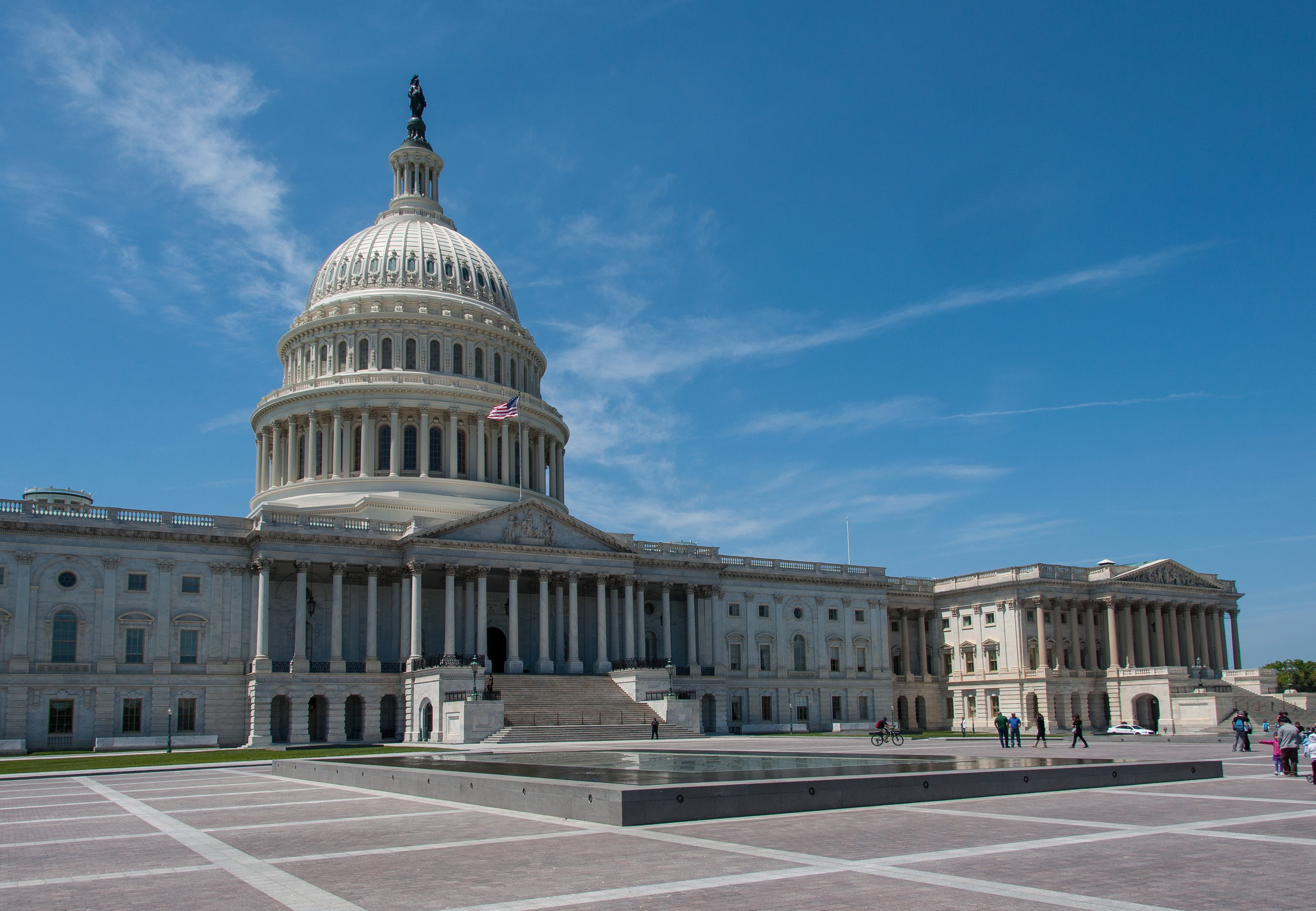
Reauthorization of LWCF – adopted in the Senate by a vote of 92-8 and in the House of Representatives by a vote of 363-62 – can be attributed to the bipartisan and collaborative efforts of Sens. Lisa Murkowski (R-Alaska) and Maria Cantwell (D-WA) of the Senate Energy and Natural Resources Committee, Reps. Raúl Grijalva (D-AZ) and Rob Bishop (R-UT) of the House Natural Resources Committee, and so many other champions in both chambers. (more…)
“Can you help us achieve this?”
That was the question that Smithfield Foods’ chief sustainability officer asked Environmental Defense Fund more than five years ago, after Walmart challenged the world’s largest hog producer and pork processor to improve sustainability in its feed grain supply.
At the time, very few food companies considered grain sustainability to be their responsibility, and even fewer were taking steps to improve that segment of their supply chain. But Smithfield responded to Walmart’s challenge.
In 2013, the company committed to work with grain farmers in its supply chain to adopt farming practices that would optimize fertilizer and build soil health on 75 percent of the area from which Smithfield directly sources grain — about 450,000 acres. EDF partnered with Smithfield to figure out how to reach this goal.
Smithfield announced today that it exceeded that goal, improving practices on 560,000 acres in 2018. (more…)