Climate change solutions
We deliver game-changing environmental solutions that have a real impact for people around the globe.

Building resilient land and water systems that allow people and nature to prosper in a changing climate.
Agricultural and environmental advocates have joined forces to push Congress to act on climate change. The new Food and Agriculture Climate Alliance developed more than 40 joint policy recommendations for making farms, ranches and forests more climate resilient, harnessing the power of natural climate solutions.
Environmental Defense Fund, American Farm Bureau Federation, National Council of Farmer Cooperatives and National Farmers Union co-chair the alliance, and membership has expanded to include FMI-The Food Industry Association, National Alliance of Forest Owners, National Association of State Departments of Agriculture and The Nature Conservancy. (more…)
Virginia is experiencing the highest rates of sea level rise on the Atlantic seaboard, posing a significant risk to 70% of its population that lives along the coast.
Last month Gov. Northam released the Virginia Coastal Master Planning Framework, a roadmap to guide development of the Commonwealth’s first Coastal Resilience Master Plan expected to be released in 2021. The plan will lay out a suite of projects to build resilience and reduce future flood risk to Virginia’s communities, economy and ecosystems. (more…)
In some parts of rural Arizona, groundwater is the primary or only source of water for households, farmers and entire communities. But groundwater pumping has caused wells, rivers and springs to go dry.
A study by Arizona’s Department of Water Resources found that areas of Mohave County, which includes Kingman, may have only 60 years of groundwater remaining under certain pumping scenarios. Last month, the U.S. Geological Survey presented a new study showing areas of Mohave County could have over 100 years of groundwater supply.
The USGS study assumed that farmers will switch to less water-intensive crops and that new acreage won’t be converted to farmland. The difference in projections between these studies demonstrates that how we collectively manage and use groundwater matters, leading Mohave County Supervisor Gary Watson to conclude, “time is of the essence.” (more…)
Florida is home to pristine beaches, diverse and exotic wildlife, and unparalleled natural landscapes. This environment drives the state’s booming tourism industry — approximately 131 million tourists visited Florida in 2019 and the state’s beaches alone produce an estimated $50 billion in travel and tourism annually.
But flooding from sea level rise and hurricanes increasingly threatens the safety of Florida’s residents, environment and economy.
First Street Foundation estimates over 1.8 million Florida properties are at risk of flooding, with that number increasing to nearly 2.2 million by 2050. (more…)
Like many cities across the country, Hendersonville, North Carolina, is grappling with how to protect its residents and infrastructure from extreme weather events, which have increased fourfold nationally since 1980.
The western part of the state, where Hendersonville is located, recorded its wettest period on record between 2015-2018 [PDF]. This influx of water accelerated streambank erosion and threatened the city’s critical sewer and drainage infrastructure, which was not built to withstand the new normal of extreme rainfall. (more…)
Investing in climate-smart agriculture is a hot topic. Startups in plant-based meats and dairy alternatives are taking the market by storm. Major food companies are setting sustainability targets and investing in soil health practices.
Yet farmers face poor farm economic conditions stemming from trade disputes, COVID-19 supply chain disruptions, and increasingly frequent, extreme and destructive weather events.
It’s clear that more innovation is needed to make the food system fit to face 21st century challenges, and fast. Catalytic capital can help.
Eric Averett is general manager of the Rosedale-Rio Bravo Water Storage District in Kern County, California, which is one of 21 regions required by the state to balance groundwater demand and supply within 20 years under the Sustainable Groundwater Management Act.
Rosedale is home to approximately 27,500 acres of irrigated cropland and 7,500 acres of urban development. Groundwater demand there exceeds supply by approximately 5,000 acre-feet per year.
To inform landowners about their water budgets, Rosedale partnered with EDF, Sitka Technology Group, WestWater Research and local landowners to co-develop a new online, open-source water accounting and trading platform.
Highlight: EDF’s Maggie Monast testified at a hearing of the House Select Committee on the Climate Crisis, “Creating a Climate Resilient America: Strengthening the U.S. Financial System and Expanding Economic Opportunity.” Watch here.
It’s becoming impossible to ignore the risks that climate change poses to financial markets, including those that support U.S. agriculture.
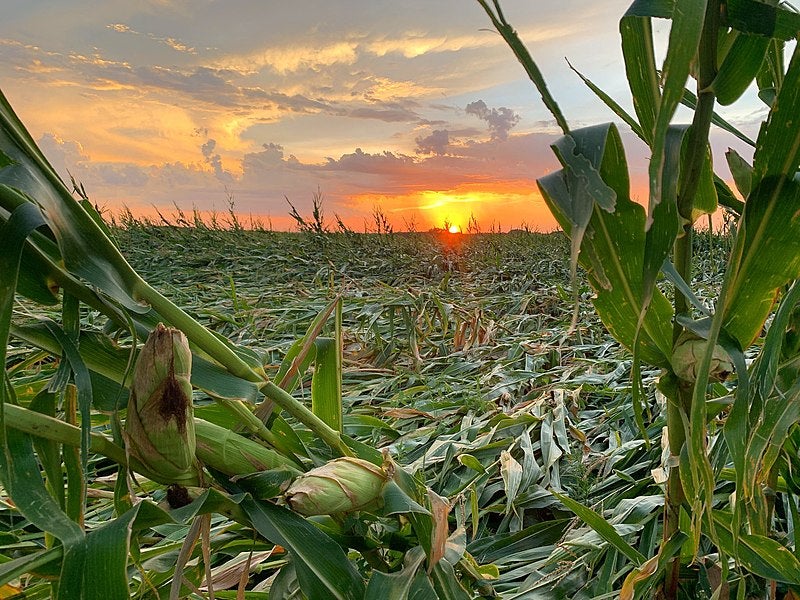
Increased temperatures and more frequent droughts and extreme precipitation events threaten crop productivity across the nation. In 2020 alone, we have seen ample evidence of these impacts, including destructive storms in the Midwest, hurricanes along our coasts, and wildfires and smoke in the West.
These physical risks of climate change create risks to the U.S. financial system, which was the topic of last week’s hearing held by the House Select Committee on the Climate Crisis, entitled “Creating a Climate Resilient America: Strengthening the U.S. Financial System and Expanding Economic Opportunity.”
I testified to the committee on climate risks to the agriculture finance system — and opportunities to build resilience. (more…)
Surveys show that women own or co-own nearly half the farmland in the Midwest but are often under-represented in leadership positions, including in policymaking bodies, financial institutions, and other agricultural agencies and institutions.
The Women, Food and Agriculture Network is working to change that, giving women the resources and connections they need to be effective practitioners and supporters of sustainable agriculture. (more…)
One of the biggest challenges to implementing California’s Sustainable Groundwater Management Act hovers around this two-part question:
Who gets to pump groundwater and how much do they get to pump? Or, put another way, who must cut their groundwater use and by how much? (more…)