Climate change solutions
We deliver game-changing environmental solutions that have a real impact for people around the globe.

Building resilient land and water systems that allow people and nature to prosper in a changing climate.
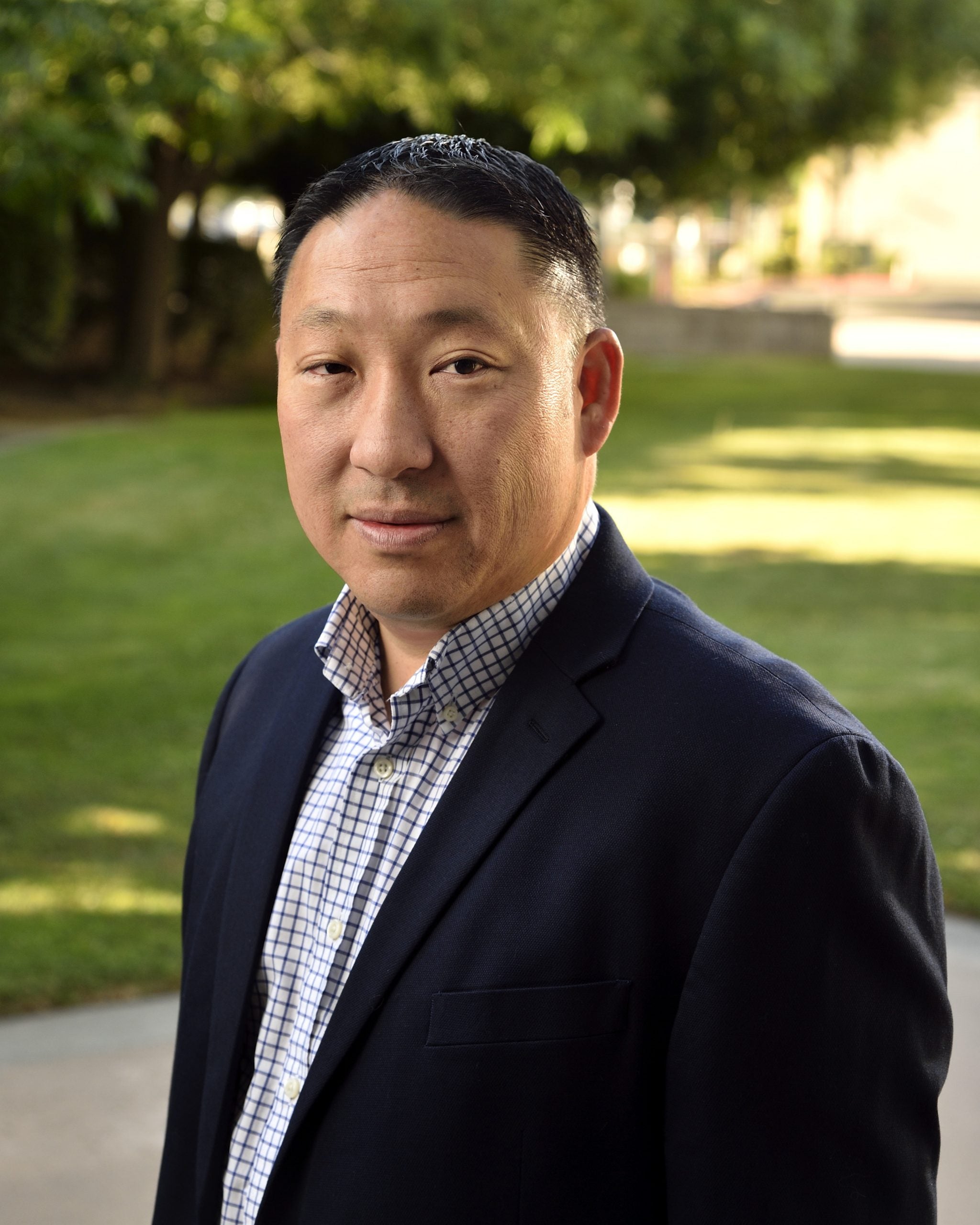
Growing up in Hanford, California, Aaron Fukuda learned about the connections between water, animals and plants at an early age. His mother, a biologist, taught him how to study owl pellets and how rain changed the landscape when he was a kid.
As an adult, Fukuda is more focused on what’s happening both on the ground and underground with the region’s increasingly scarce water supplies.
Fukuda wears three hats that give him a unique perspective on the region’s water and land issues as general manager of the Tulare Irrigation District, general manager of the Mid-Kaweah Groundwater Sustainability Agency and a participant in the Kaweah Regional Conservation Investment Strategy (RCIS) steering committee process. (more…)
Flooding remains the costliest, most deadly natural disaster in the U.S., causing more than $1 trillion in damages since 1980.
As climate change continues to fuel more intense hurricanes, sea level rise and heavier rain events, more Americans are at risk from flooding than ever before. And federal resources to protect communities from flooding are not provided to all communities equitably.
This gap in protection is a direct result of unintentional, but consequential flaws in the current cost-benefit analyses that agencies like the U.S. Army Corps of Engineers (Corps) and the Federal Emergency Management Agency (FEMA) use for flood protection projects.
Here are a few ways policymakers and coastal planners can help adjust cost-benefit analyses to expand access to flood protection and achieve more equitable results.
Carbon markets have captured the attention of the agriculture sector, and agricultural lenders are no exception. I recently heard from a lender that their number one question from their farmer borrowers is about carbon credit opportunities.
As trusted advisors to farmers, here’s what lenders need to know to navigate these conversations. (more…)
Climate change is fueling increased flood risk across our nation’s coastal regions and floodplains.
States and local communities are turning to natural infrastructure as a key solution to build long-term flood resilience. Natural and nature-based features like wetlands, dunes and reefs offer multiple protective benefits — from absorbing stormwater, to minimizing the shock of storm surge to reducing flood severity.
However, identifying funding for natural infrastructure projects is not always straightforward.
The potential for agricultural climate solutions has led to surging interest in credits for soil carbon sequestration. The stakes for climate change and farmers are high, and there is a pressing need to evaluate emerging protocols for measuring, reporting and verifying soil carbon sequestration and net greenhouse gas removals.
With that in mind, Environmental Defense Fund and the Woodwell Climate Research Center reviewed 12 published protocols for soil carbon credits from cropland and rangeland, and published the results in a new report — Agricultural Soil Carbon Credits: Making sense of protocols for carbon sequestration and net greenhouse gas removals.
Here are the challenges the report found with current soil carbon credits and recommendations for overcoming them to build confidence in soil carbon markets. (more…)
As many of us are witnessing across the globe this summer, the impacts of climate change are already upon us: the increasing severity of wildfires, more frequent and widespread extreme heat events, and the looming risk of floods and sea level rise even during a drought.
This is especially true for California, where wildfires fueled by a historic drought have already scorched three times as much land as they did in the same period of last year’s record-breaking season.
These climate impacts are not evenly distributed. They fall disproportionately on people with lower incomes, people of color, older adults, children and people with chronic health conditions.
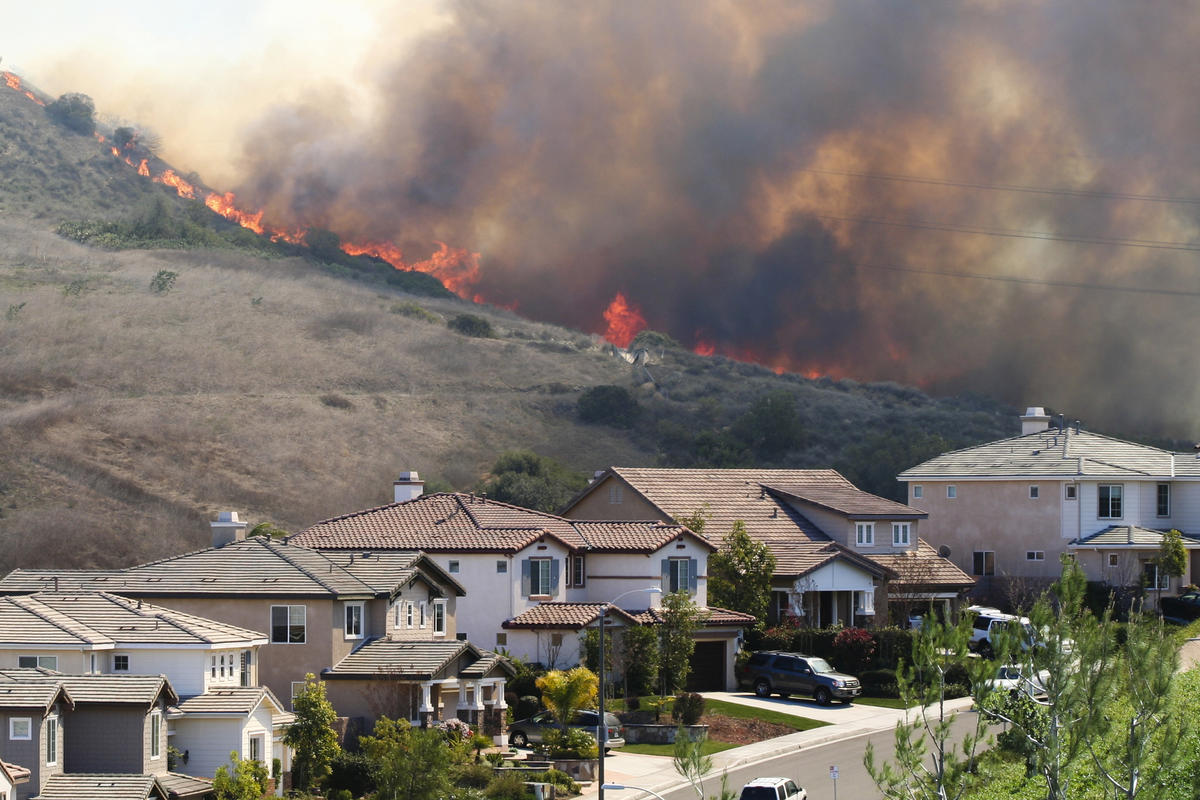
As the destruction wrought by climate change continues to accelerate, state leaders and the insurance industry are exploring ways to make communities more resilient, especially the residents who are most vulnerable to climate impacts. (more…)
Florida residents are on the frontlines of climate change, already facing sea level rise and increasing storm intensity.
This is especially evident in Miami, due to its low-lying topography, porous limestone, dense coastal development and encroaching seas.
To address these threats, the U.S. Army Corps of Engineers (Corps) produced the Miami-Dade Back Bay Coastal Storm Risk Management study. This multibillion-dollar proposal contains traditional, hardened infrastructure projects, including a massive seawall that would extend across Biscayne Bay in downtown Miami, reaching up to 20 feet in some places.
The proposal has received significant pushback from the public and stakeholders who are concerned about negative impacts to the environment, economy and quality of life.
As the Corps seeks to address flood vulnerability in Miami and elsewhere, here are three ways the agency can reduce risk while also preserving the natural beauty of Florida’s coastal communities.
It seems every day I come across a heartbreaking headline about how extreme heat, wildfires and ongoing drought are plaguing the West.
Indeed, the climate crisis has hit home in the Colorado River Basin and is threatening everything from agriculture to water supplies. The basin’s two main reservoirs — Lakes Powell and Mead — are at record low water levels, threatening the water security essential to communities, wildlife, recreation and agricultural production across the Southwest.
To help policymakers address these pressing climate challenges, EDF contributed to a recent report, Ten Strategies for Climate Resilience in the Colorado River Basin, authored by Martin & McCoy and Culp & Kelly, LLP, that analyzed multiple approaches to building climate resilience and identified the top 10 priorities. (more…)
Water scarcity in the Colorado River is becoming more urgent by the day. As temperatures soar to record levels — 122 degrees in Phoenix last month — Lake Mead has plummeted to 37% of its capacity, the lowest level since the nation’s largest reservoir was filled in 1935.
Amid this dire picture comes one significant piece of good news: In the largest ever multisector response to drought, final funding has been committed to enable the Colorado River Indian Tribes (CRIT) to conserve nearly 49 billion gallons of water (or 150,000 acre-feet) in Lake Mead over three years.
This project is the largest single conservation effort to date, both in dollars and volume of water, in the Colorado River Basin. It is a harbinger of the unprecedented collaboration that will be required going forward to build resilience to climate change and water scarcity in the West.
The Atlantic hurricane season is underway as many coastal areas still recover from an endless barrage of storms last year that culminated in the most active hurricane season on record. With climate change, we can expect to see more intense hurricanes, leaving many communities at risk.
In fact, a new report indicates that as many as 32 million U.S. homes and $8.5 trillion in assets are vulnerable to hurricane damage.