








Three takeaways from global action on agriculture and climate
Posted: in Agriculture
Written By

Share
As we come to the end of another record-breaking year for extreme weather, we can see the effects on our plates. Climate change is on the table for both producers and consumers, and leaders must continue to drive global visions forward with local solutions, connecting how critical producers and consumers are to each other.
As the global climate conference COP30 concluded this year, Brazil had the daunting task of pursuing the unity and multilateralism that United Nations processes call for in the name of people and the planet. But what was clear from COP30 is that the agrifood systems community has been successful in helping climate leaders understand that the critical impact of agriculture and food on climate change (and vice versa) requires full-scale engagement.
We can build that deep engagement by creating win-win solutions, supporting adaptation as a means to mitigation and connecting each piece — from behavior change to science and innovation to financial incentives — for a genuine ecosystem approach.
Here are three takeaways to close out 2025:
1. The world is increasing its focus on methane and the multiple benefits of tackling “super pollutants” — for climate, health and agriculture
Mitigating short-lived climate pollutants, especially methane, is an emergency brake for climate change. Methane, nitrous oxide and other pollutants with exponentially more warming potential in the near term are known as super pollutants — these are powerful drivers of climate change, and lowering them now will pull that brake to slow down warming within our lifetimes.
Economic analyses show that many methane and other short-lived climate pollutant mitigation actions can avoid climate damages at a 60:1 investment ratio, including some low-cost agricultural interventions. COP30 saw leaders host both a Methane Summit and a Global Methane Pledge Ministerial to shed light and drive action on tackling methane as the climate emergency brake.
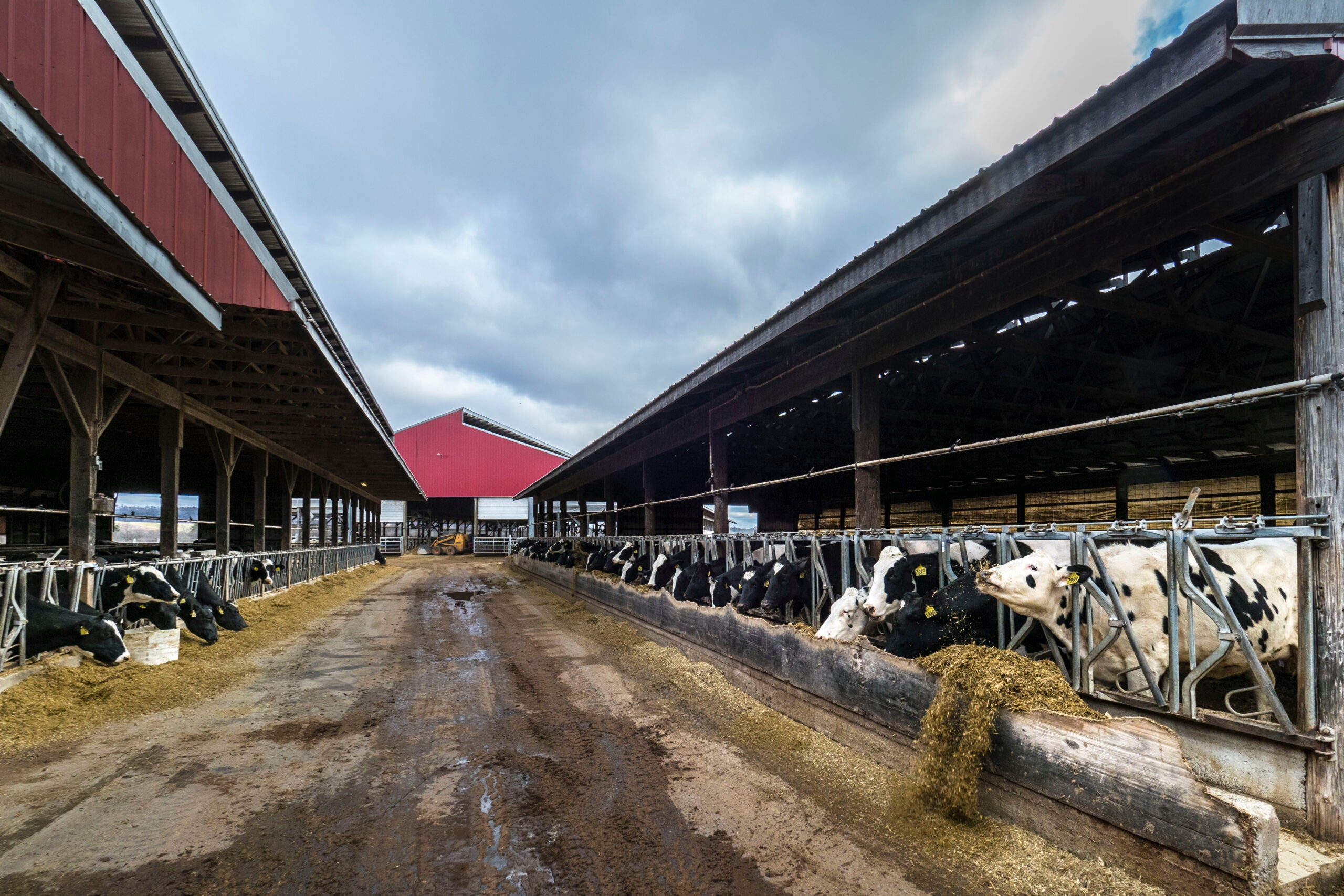
Agriculture accounts for 40% of human-caused methane emissions. But from improving animal health, manure management, innovations around enteric methane, improved water management practices and developments in low-emission rice cultivation, we have solutions ready to be used.
2. We must make use of the existing methane opportunities
We don’t need to reinvent the wheel every year; there are already levers driving methane action, but we need to make use of them. Things like the Global Methane Pledge, the Oil and Gas Decarbonization Charter (OGDC) and the Dairy Methane Action Alliance will also help us pull the brake. The fastest path to action is to implement those structures that are already in place.
Along with our partners Climate and Clean Air Coalition and Clean Air Task Force, EDF took the momentum of Brazil’s COP30 leadership to bring leading groups working on agriculture methane together, and for the first time met at COP30 to unify 20+ global initiatives into one trackable framework to show progress, from now until the Global Stocktake at COP33 in 2028.
Continuing this ecosystem approach with existing solutions, we are also working to double the number of countries that have meaningfully integrated animal health into their climate policies and financing by 2028. We have convened a global research initiative with a goal of including 30 countries to quantify how treating animal diseases reduces methane intensity and improves productivity.
3. “It’s hard to abate” can’t be an excuse
Right now, countries rely mainly on voluntary pledges and non-binding commitments without strong monitoring or enforcement mechanisms for lowering methane emissions. While continuing to hold polluters accountable to the greatest extent possible, we also need to continuously link methane outcomes to nationally important priorities – things that leaders and agents of change care about. These include water security, air quality, energy reliability, food productivity, farmer incomes, reduced risk, increased resilience and wasted resources. We will continue to work on making methane increasingly measurable and finding opportunities to tie climate finance to measurement, reporting and verifications.
The reality that the agrifood sector is difficult to abate is a recognition that we need to work directly with those who put the food on our tables and steward our lands for future generations. We need to be partners in building resilience, co-creating solutions that will benefit farmers, companies and consumers alike. We need to make solutions financeable, adoption attractive, and narratives empowering — not polarizing.
While food and agriculture are key to bending the methane emissions curve, we also need to double down on other hard-to-abate sectors. To preserve our foodways and agricultural economies, we must cut methane emissions across the board this decade. We need to accelerate solutions and their accessibility, supporting the policy and funding producers need to implement these tools.