







Virginia is creating a coastal resilience plan. Here are 5 ways it can succeed.
Posted: in Coasts and Watersheds
Written By

Share
Virginia is experiencing some of the highest rates of sea level rise in the nation and has suffered a 250 percent increase in federally declared disasters over the last 20 years. The commonwealth’s coastal and riparian communities are becoming more and more vulnerable to flooding and storm damage exacerbated by climate change.
The good news is that Virginia is taking proactive steps to make its people and communities more resilient.
Last month, Governor Ralph Northam signed an executive order designating an official chief resilience officer and directing the creation and implementation of Virginia’s first Coastal Resilience Master Plan to reduce the impacts of coastal flooding.
Here are five important points for Virginia policymakers to consider as they move forward with a coastal resilience plan.
1. Create a comprehensive, forward-looking plan
The pending development of Virginia’s first Coastal Resilience Master Plan is a great initial step, and it is imperative that the plan be comprehensive in scope. Building on the executive order, the plan should set forth a strategy to live better with water and flooding.
To reduce impacts from flooding on communities and businesses, better building codes and managed retreat are important tactics to include.
The plan needs to address environmental issues, like floodplain habitat loss and land use changes that aggravate flooding impacts, as well as social issues, like equitable access to project funding.
The plan must also address the root causes of flooding, such as climate change, poor development decisions and poor drainage.
2. Use Louisiana as a model
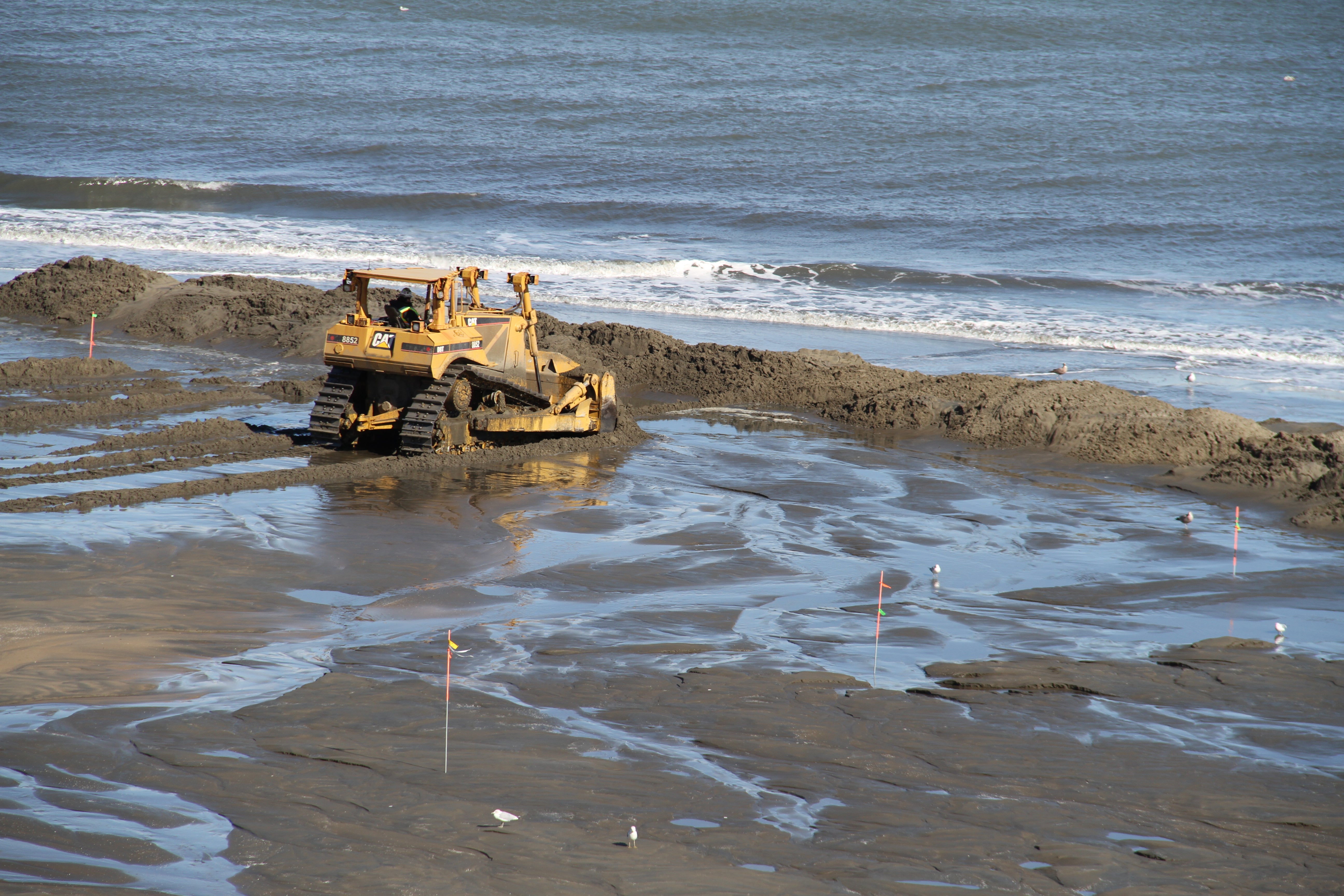
The developers of Virginia’s plan can look to Louisiana’s Coastal Master Plan as a model for how to create a comprehensive, future-looking coastal resilience plan – and how to build support for implementation of the plan.
Louisiana’s 50-year, $50-billion plan includes coastal protection, restoration and community resilience efforts. EDF staff and our Restore the Mississippi River Delta coalition partners continue to help build public support for the plan as it includes significant efforts to restore wetlands and other natural infrastructure that buffer the coast from storms. A comprehensive plan that addresses environmental challenges will result in broader stakeholder support.
3. Recognize that plans alone won’t solve everything
When Virginia’s flood-prone communities indicate they need clear authority, state leaders need to provide it. This will help ensure the plan has the support and momentum it needs to be implemented.
In addition to public support, financing is another critical component. Virginia policymakers can encourage the use of new options for financing coastal resilience projects, like tax incremental financing – which is being used in Virginia Beach – and environmental impact bonds that can help finance green infrastructure and wetland restoration projects.
How Virginia is positioning itself to become a leader in coastal resilience Share on X4. Don’t wait to act
Another key to Virginia’s success will be timeliness. State and community leaders must move quickly to get out in front of rapidly increasing flooding challenges to lessen the physical, economic and social impacts of floods.
Flood-prone properties are already declining in value compared to properties that are not at risk of flooding. As communities’ tax bases decrease and their burdens increase, their credit ratings will be adjusted downward, compromising their ability to secure low-cost loans for financing projects intended to improve their resilience.
5. Lead Virginians to a better, safe future
In 2016, EDF conducted a survey of Hampton Roads-area professionals to better understand and overcome the challenges associated with improving the region’s resilience. One key finding was that respondents wanted the state to step up and provide more leadership on the issue of coastal resilience.
Virginia has stepped up. Actions that create solutions to live with water better and reduce the negative impacts of flooding will create a better future for Virginia and all coastal states.
Communities around the country dealing with sea level rise and increased storms should look to Louisiana and soon Virginia as examples of how to be more resilient.