









A rare desert wildflower is no longer endangered, but the law that saved it may be
Posted: in Agriculture
Written By

Share
When most people think about the Endangered Species Act, they picture the bald eagle, the sea turtle or the grizzly bear. They don’t think as often about the grasses, ferns, flowers and conifers that the ESA also protects.
That makes sense when you consider that there are approximately 26 known animal species for every known plant species. But animals, including humans of course, rely heavily on plants for food, oxygen, shelter and more.
Just like animals, plants increasingly face habitat loss, pollution, disease and climate change, which threaten their existence.
There are currently 949 species of plants listed as endangered or threatened under the ESA, including several species of cactus, mint and milkweed – a vital plant for monarch butterflies. But even the more obscure and isolated plants demonstrate how closely plant resilience is tied to the health of both local and broader ecosystems.
Plant life on the brink in Death Valley
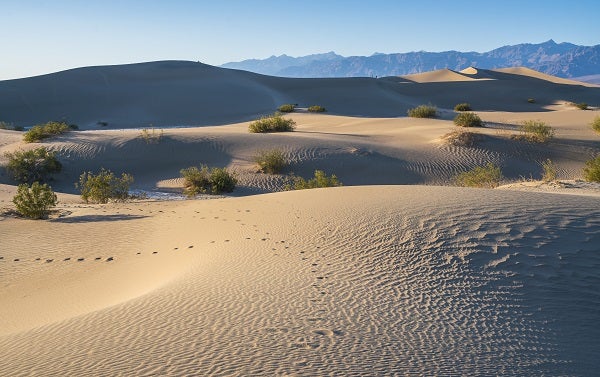
The Eureka Valley evening primrose is a beautiful wildflower found only on the sand dunes within one area of Death Valley National Park in California. The flower provides nectar for butterflies and bees in the desert sand dunes.
The Eureka Valley dune grass, also found only in Death Valley, has a dense root system that catches and holds drifting sand, helping keep the dunes intact.
In the 1970s, both the evening primrose and the dune grass were perilously close to extinction. As two of the limited food sources for desert insects and small mammals, the plants’ decline put the entire local ecosystem at risk. In 1978, both plants were added to the endangered species list.
The ESA listing led land managers, including Death Valley National Park staff, to adjust activity in the area in order to help the plant populations recover. Officials closed the Eureka dunes to off-road vehicles – a major threat to both plants. They also designated the isolated dunes as a wilderness area, protecting it from other detrimental human impacts.
[Tweet “A rare desert wildflower is no longer endangered. But the law that saved it may be.”]
Because of these efforts, both plants have steadily recovered. In February of this year, the Eureka Valley evening primrose was delisted and the Eureka Valley dune grass was downlisted to “threatened” status.
Healthy plants make healthy people
The Eureka Valley success story shows how, in an ecosystem with such harsh conditions, even relatively small or simple changes can be the difference between extinction and recovery.
When considering the compounding impacts that plants have on ecosystems more broadly, and on human life on Earth, it’s easy to see why policies like the ESA are so vital to human health and resilience.
Plants provide the oxygen we breathe, the food we eat and the medicines that heal us. They also help purify the water we drink, sequester carbon from the atmosphere and provide habitat for wildlife. Our entire ecological balance hangs on the existence of the plants that surround us.
We must continue to care for the plants and animals on Earth like our life depends on it, because it does.

2 Comments
I’m pretty sure Death Valley is in Inyo county, not Indigo. Just sayin’.
Thank you for catching that mistake. We got that information from this photographer who has shared beautiful photos of the evening primrose: http://www.oceanlight.com/eureka_dune_primrose_photo.html We have updated the piece to remove this misinformation.