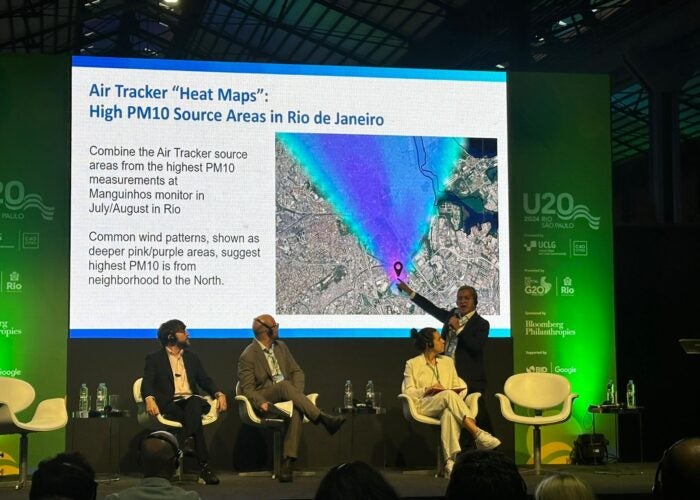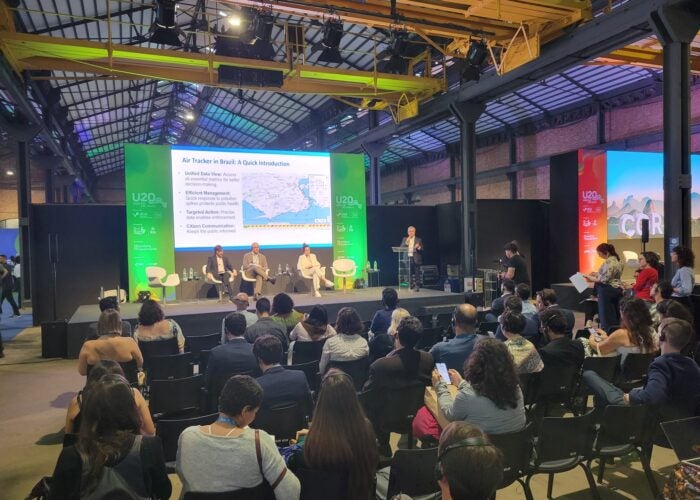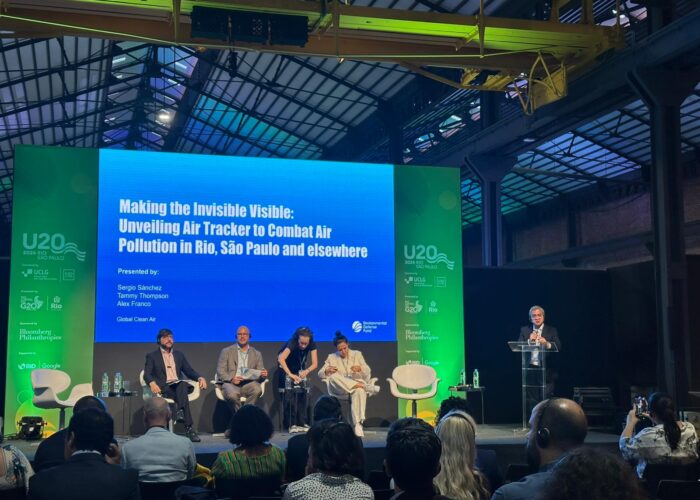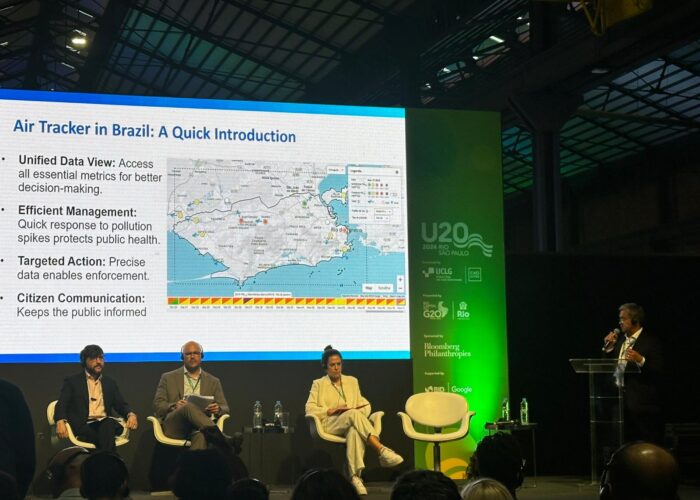







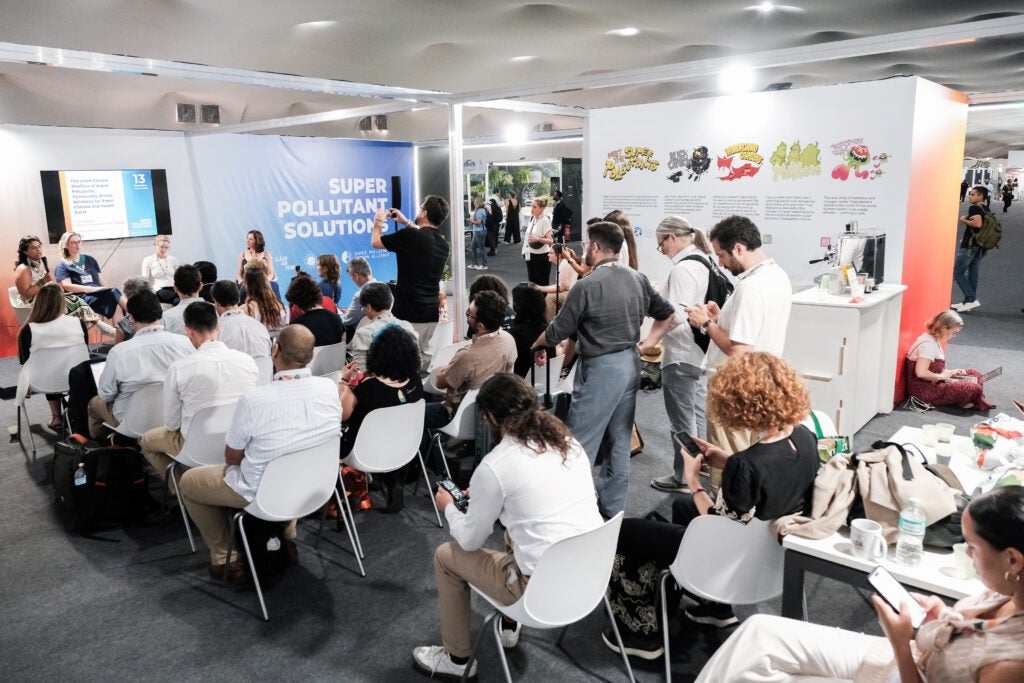
EDF’s Meredith Ryder-Rude presented the findings of our Breathing Life into Amazonian Cities report at the COP30 Super Pollutants Pavilion, hosted by the Clean Air Fund, the Global Methane Hub and the Super Pollutant Action Alliance. COP30 saw a first-of-its-kind commitment to cut black carbon and other super pollutants. (Clean Air Fund)
For EDF, the outcomes of COP30, while not enough, offered a practical pathway for countries to accelerate climate action, accompanied by meaningful advances on air quality and health.
Although the conference fell short on one of its core tasks — setting a clear pathway to phase out fossil fuels — it did bring several advances that, if strengthened and implemented, could enable significant progress in 2026 and beyond. Let’s take a look at four outcomes that stand out.
1. A first-of-its-kind commitment to cut black carbon and other super pollutants
What happened: Nine countries announced the first coordinated effort to cut emissions from the super pollutant, black carbon. In parallel, the Climate and Clean Air Coalition launched the Super Pollutant Country Action Accelerator under the COP30 Action Agenda, with a mission to help around 30 developing countries cut super pollutants by 2030, starting with $25 million (US) for seven pioneer countries and scaling to $150 million.
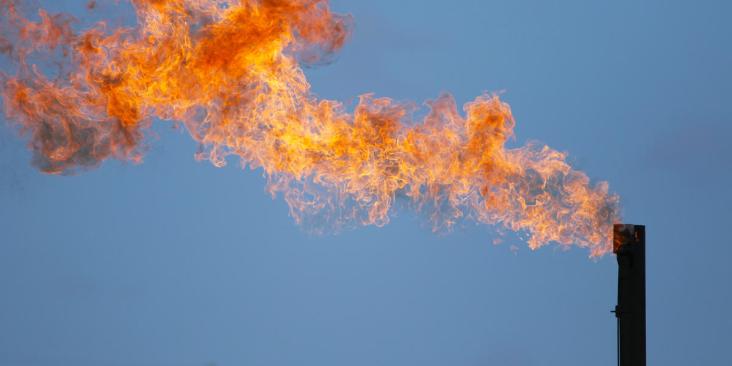
Super pollutants, also known as short-lived climate pollutants, are fast-acting climate and air toxics that, per ton and over the near term, trap far more heat than carbon dioxide and cause severe harm to human and environmental health, including deadly air pollution. They include methane, some HFCs, black carbon and surface level ozone. Because ozone is not directly emitted, reducing it requires controlling its precursors, primarily methane, nitrogen oxides (NOₓ), and volatile organic compounds (VOCs).
Why it matters: Targeted action to cut super pollutants can avoid up to 0.6°C of warming by 2050 while securing outsized health and economic benefits. Cutting super pollutants serves as an “emergency brake” on near-term warming and is one of the fastest routes to fewer asthma attacks, heart and lung disease cases and premature deaths.
2. A plan — and at least $300 million — to adapt health systems to climate change
What happened: The government of Brazil, together with the World Health Organization (WHO), launched The Belém Health Action Plan (BHAP), recognized by the WHO as one of the flagship outcomes of Brazil’s COP30 presidency.
Announced on Health Day, BHAP lays out detailed action lines — and funds — to make health systems more climate resilient, improve early-warning systems for climate risks and prioritize vulnerable and indigenous communities. The plan is backed by an initial $300 million (US) commitment from the Climate and Health Funders Coalition.
Why it matters: BHAP is a significant step forward because it turns “health is the human face of climate change” into an operational agenda that will result in tangible benefits, such as stronger clinics and hospitals, better data, targeted protection for more vulnerable groups and policies that treat clean air as a core determinant of well-being and economic resilience.
3. Robust action and funds to manage wildfires and associated pollution
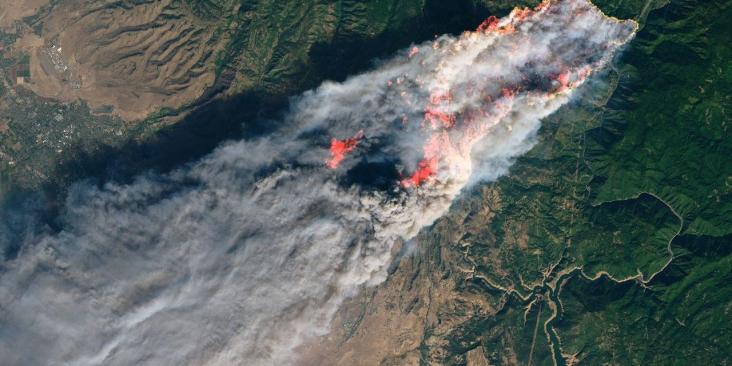
What happened: Wildfires were the greatest driver of intact tropical forest loss last year. As fire regimes continue to intensify at a faster rate than humans and natural ecosystems can adapt, current management approaches have become increasingly ineffective. Wildfire smoke is one of the most toxic forms of air pollution, with outsized effects on children, older adults, indigenous communities and workers. These facts have made the link between forest health and human health clearer than ever, demanding a reimagined global response.
COP30 yielded at least three innovative actions and funding commitments to protect forests and limit air pollution and other harms by improving wildfire management:
- The Tropical Forests Forever Facility (TFFF), launched by the COP30 Presidency, mobilizes over $6.7 billion (US) in its first phase for long-term payments to keep tropical forests standing, with 20% dedicated to indigenous peoples and local communities.
- The Wildfire Action Accelerator Pledge, launched by EDF and partners from 18 countries and 30+ community groups, mobilizes investment and technical knowledge sharing to promote safer, more sustainable tropical forests and improve wildfire management.
- Brazil’s Call to Action on Integrated Fire Management and Wildfire Resilience, endorsed by 50 countries, reinforces wildfires as a shared global risk demanding coordinated action.
Why it matters: These initiatives bring desperately needed attention, resources and technical knowledge to bear in helping the world tackle ever-increasing greenhouse gas emissions and air pollution from wildfires. They complement a key high-level COP30 outcome, which sets a goal to at least triple funds to help developing countries adapt to climate impacts. While insufficient on its own, the adaptation funding goal creates a framework to direct resources toward most-affected communities while linking forest finance and wildfire prevention.
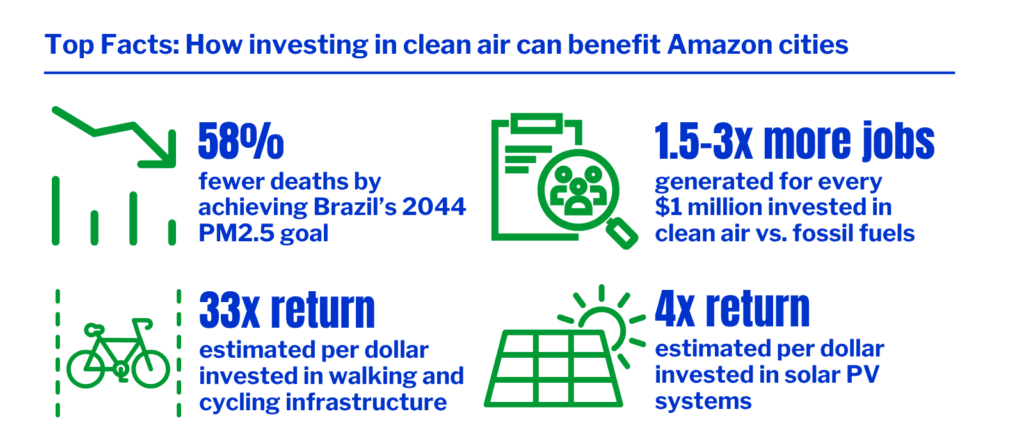
This graphic from EDF’s new report, Breathing Life into Amazonian Cities, highlights a few of the benefits that clean air investments, such as renewable energy and public transportation, would bring to the cities of the Amazon region.
4. A blueprint for clean air, health and economic opportunity in Amazon cities
What happened: COP30 elevated a regional case for how investing in clean air can return enormous compounding benefits in health outcomes, climate stability and economic growth.
The Breathing Life into Amazonian Cities report — released by EDF, Instituto Ar and Clean Air Institute with generous support from Breathe Cities and in collaboration with Brazil’s Ministry of Environment and Climate Change — shows that 10 million urban residents across Brazil’s Amazon cities breathe unsafe air, leading to over 3,000 premature deaths and nearly $5 billion (US) in annual health costs. The report also highlights a major opportunity: targeted clean-air investments such as electrifying transport, upgrading air-quality monitoring and expanding renewable energy could yield returns that are up to 33 times their initial cost and create more jobs per dollar than fossil fuels.
EDF’s Climate 411 blog notes that partners at COP30 pointed to the Amazon Cities report to demonstrate how cleaner air, public health and climate action reinforce each other, turning abstract debates into practical investment roadmaps that development banks, climate funds and local authorities can follow.
Why it matters: Integrating air quality into climate action makes the benefits of cutting emissions more tangible and immediate, while dramatically increasing their social, economic and political dividends. Cleaner air returns nearly immediate health gains, lowers medical costs, boosts productivity, strengthens public support and creates visible benefits within months rather than decades — turning climate action into a benefit that people can feel in their daily lives.
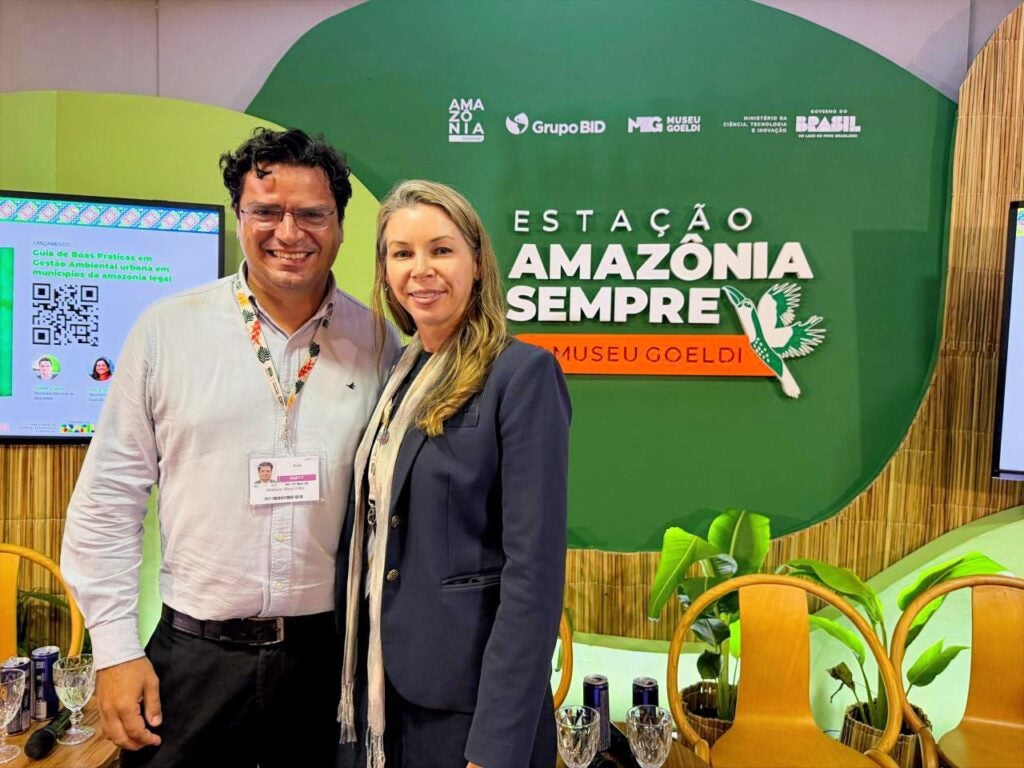
EDF’s Meredith Ryder-Rude and Adalberto Maluf, National Secretary of Urban Environment, Water Resources and Environmental Quality in Brazil’s Ministry of Environment and Climate Change, pose for a photo following the Sustainable Urban Development for the Amazon event in Belém, where Meredith presented on our Breathing Life into Amazonian Cities report.
What’s next after COP30?
As with many earlier COPs — including COP21 where the Paris Agreement was adopted — COP30 was far from a panacea. While it fell short on some critical outcomes, it brought unprecedented attention to the climate-health link, ushering in bold initiatives and significant funding to drive down air pollution worldwide, especially super pollutants.
Even as some countries resisted action on climate and clean air reductions, others showed meaningful leadership, including Brazil. As our Amazon Cities report makes clear, countries that choose to move forward and invest confidently in the solutions we need, such as clean energy, electrification and public transportation, will be the first to reap the vast financial and health returns that they yield.
While global conferences like COP have always been key to generating coordinated global commitments, it’s actions that countries take in between that move the needle. Going forward, that’s where EDF will be focused: working alongside ambitious governments like Brazil, and partners across sectors worldwide, to provide the research, technical expertise and policy support needed to slash climate pollution, deliver clean air, health and other benefits for people and communities, and help shape pathways that others can adapt and build upon.
For a broader view of EDF’s top takeaways from COP30, check out this blog post by Angela Churie Kallhauge on the Climate 411 blog.